Newsletters


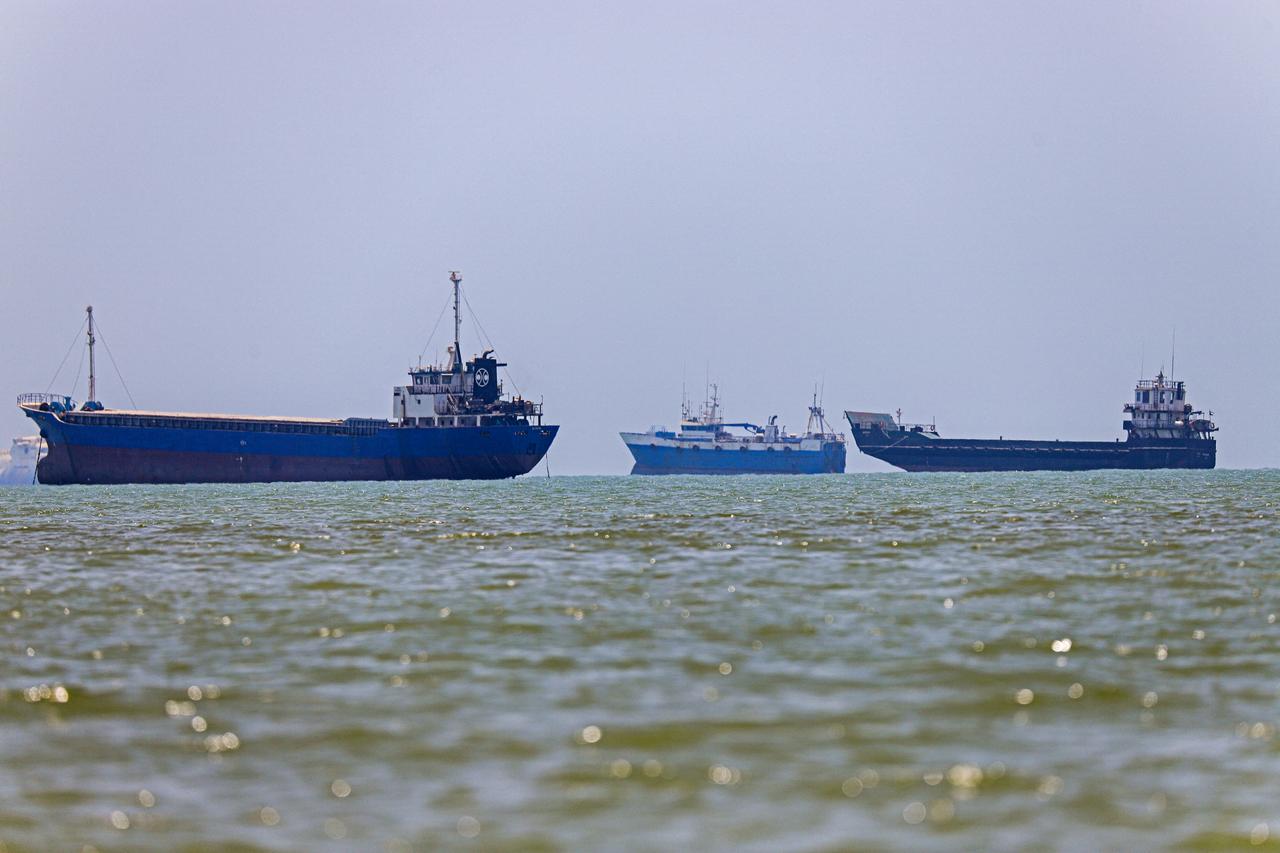


Brent crude fell below $75 a barrel on Wednesday for the first time since before the U.S.-Iran war, after U.S. President Donald Trump said Iran had assured Washington that ships passing through the Strait of Hormuz were not being charged fees or other costs.
The drop pushed oil prices back to levels last seen on Feb. 27, a day before the conflict began, as markets increasingly focused on improving shipping conditions in the vital waterway.
Brent crude and U.S. West Texas Intermediate (WTI) each fell about 3%, trading at $74.5 and $71 per barrel, respectively, as of 12:20 p.m. GMT, amid signs that more tankers were transiting the Strait of Hormuz.
In a social media post, Trump said Tehran had informed the United States that reports claiming Iran was collecting tolls, insurance costs or other charges from vessels crossing the strait were inaccurate.
"Iran has informed the U.S. that, despite troublemaking Fake News reporting to the contrary, there are ‘NO TOLLS, NO INSURANCE COSTS, & NO OTHER CHARGES OF ANY KIND BEING SOUGHT OR RECEIVED BY IRAN ON SHIPS TRAVELING THE STRAIT OF HORMUZ,’" Trump wrote.
He added that negotiations would end immediately if the information proved false.
Trump also reiterated that the U.S. had not transferred money to Iran, while noting that some Iranian funds under U.S. control would be used to purchase corn, wheat, soybeans and other food products from American farmers.
The comments followed remarks made a day earlier in which Trump stated that Iran had agreed to extensive inspections of its nuclear program as part of ongoing talks.

Oil prices have remained under pressure this week as geopolitical concerns eased. Markets reacted to Washington's decision to grant Tehran a 60-day sanctions waiver allowing oil sales following an initial round of peace negotiations, while a reduction in fighting in Lebanon further softened supply concerns.
At the same time, expectations that oil flows through the Strait of Hormuz are returning to normal have weighed on crude prices. Continued diplomatic contacts between the United States and Russia have also helped reduce risk premiums in energy markets.
Separately, Oman's Transport Ministry announced that it was coordinating with the International Maritime Organization (IMO) on the possibility of establishing a temporary maritime corridor open to all vessels.
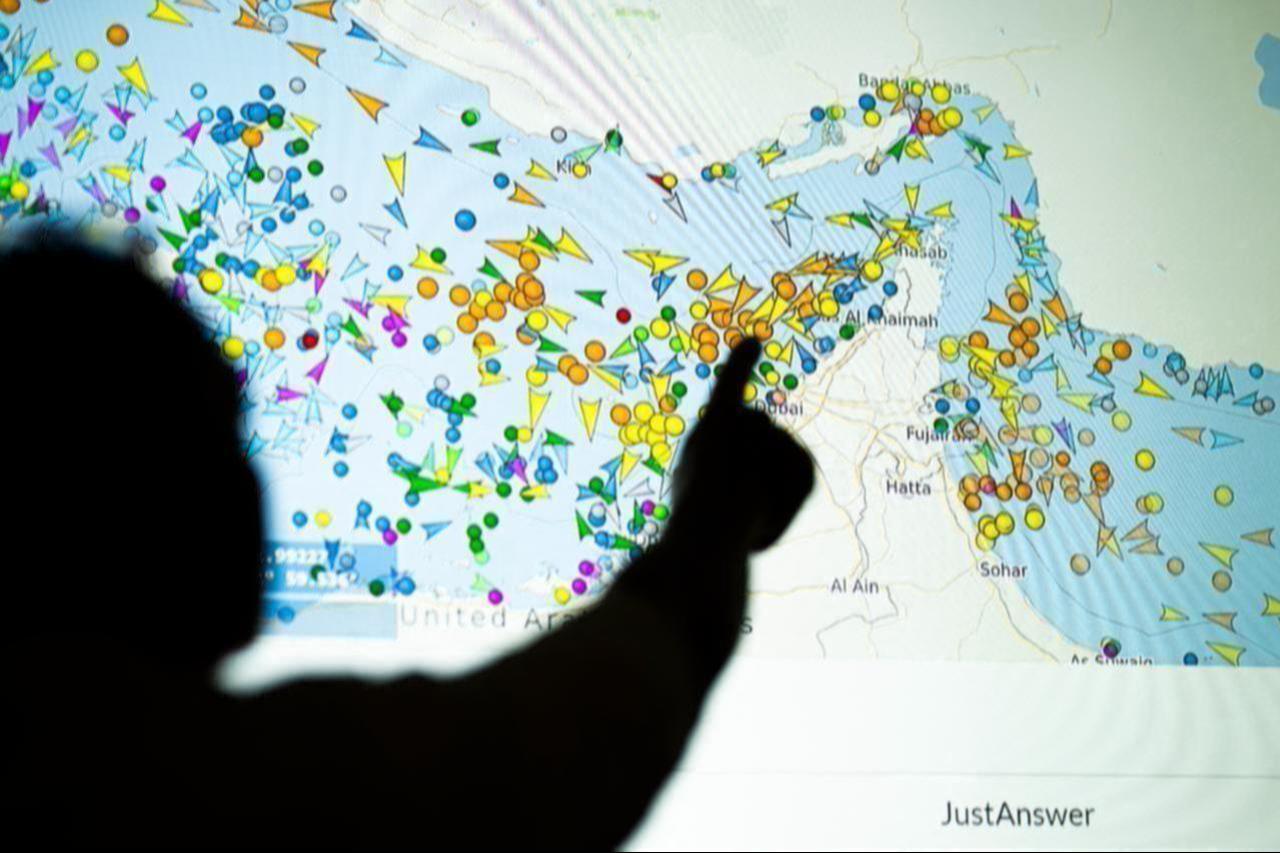
Data from Kpler and MarineTraffic showed tanker movements through the Strait of Hormuz gradually picking up after the United States and Iran reached a 14-point agreement that included reopening the waterway.
Between June 18 and June 22, a total of 172 vessels transited the strait, bringing the daily average to 34 ships. Traffic has recovered to roughly 25% of pre-war levels, according to the data.


 Set as preferred source
 Set as preferred source


 1 min read

 1 min read