Newsletters


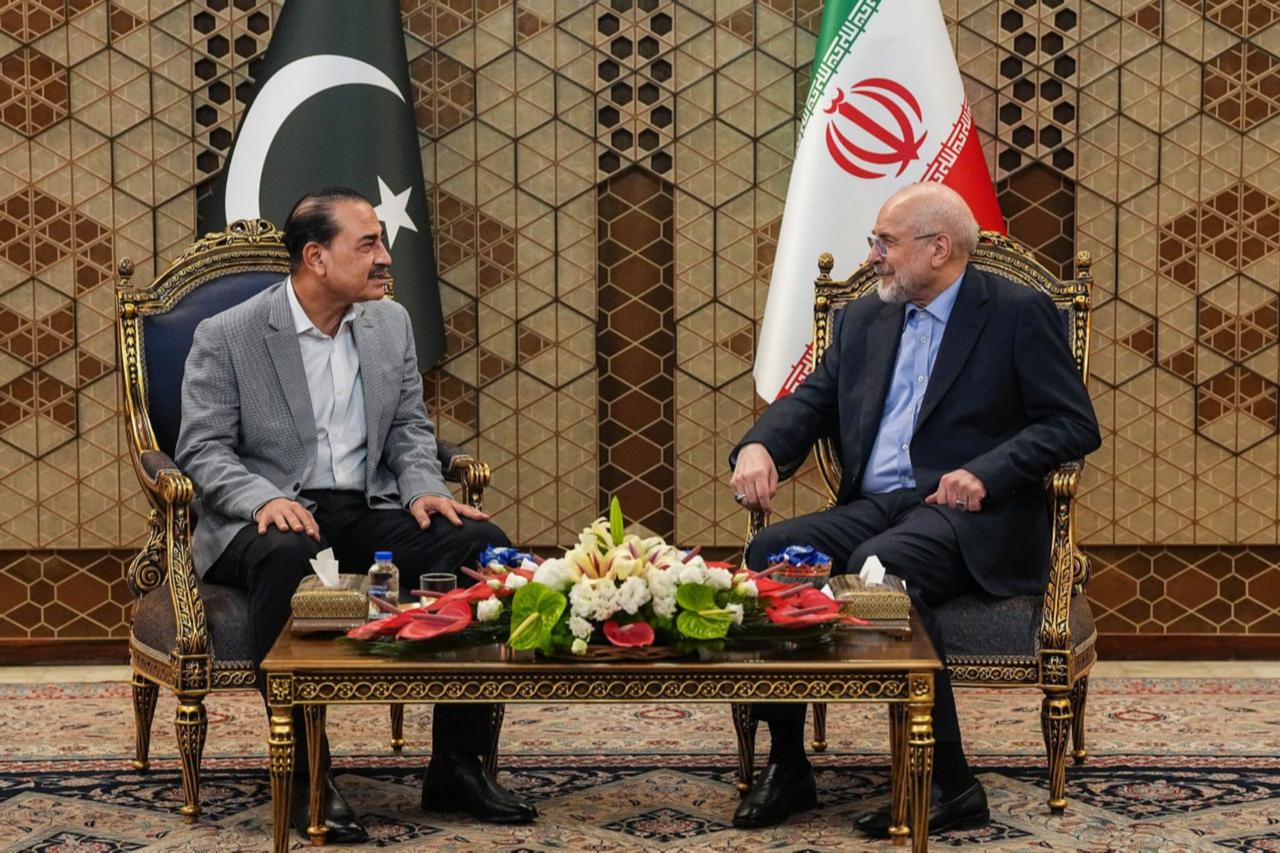


Pakistani government sources told Türkiye's state-run Anadolu Agency (AA) on Monday that Islamabad was confident that Washington and Tehran could sign a temporary pact to end the Iran war at any time this week.
“Signing off the agreement is expected any day this week, as the two sides stand disagreed only on some operational issues,” a Pakistani government source said.
“It’s not kind of a deadlock,” the source added, saying both sides had agreed “in principle” to a single-page draft agreement while continuing discussions on operational issues related to reopening the Strait of Hormuz and ending the US naval blockade targeting Iranian ports.
According to the sources, the remaining disagreements relate to implementation rather than broader political principles.
“The key dispute at the moment is the military presence of the US forces near Iranian territorial waters even after end to the blockade,” one source said.
The source said Washington seeks to maintain a military presence in the region, while “Tehran wants a pre-war scenario.”
Pakistani sources said Islamabad, together with regional mediators, is working on a compromise formula to bridge the remaining gaps.
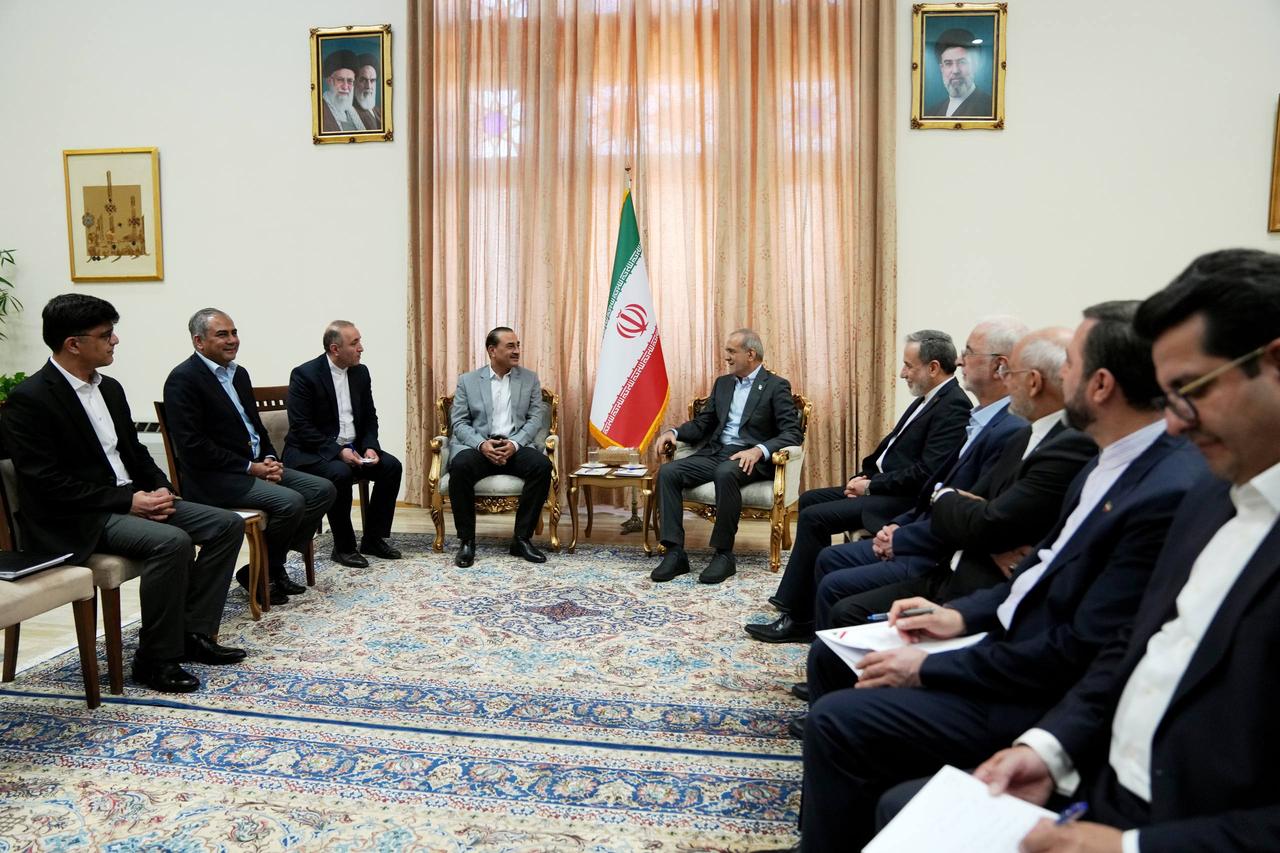

Earlier Monday, Iranian Foreign Ministry spokesman Esmaeil Baqaei said Tehran and Washington had reached conclusions on a “large part” of the issues under discussion but warned against assuming an agreement was imminent.
“It is correct to say that we have reached a conclusion on a large part of the issues under discussion,” Baqaei told reporters in Tehran.
“But to say that this means the imminent signing of an agreement, no one can make such a claim,” he added.
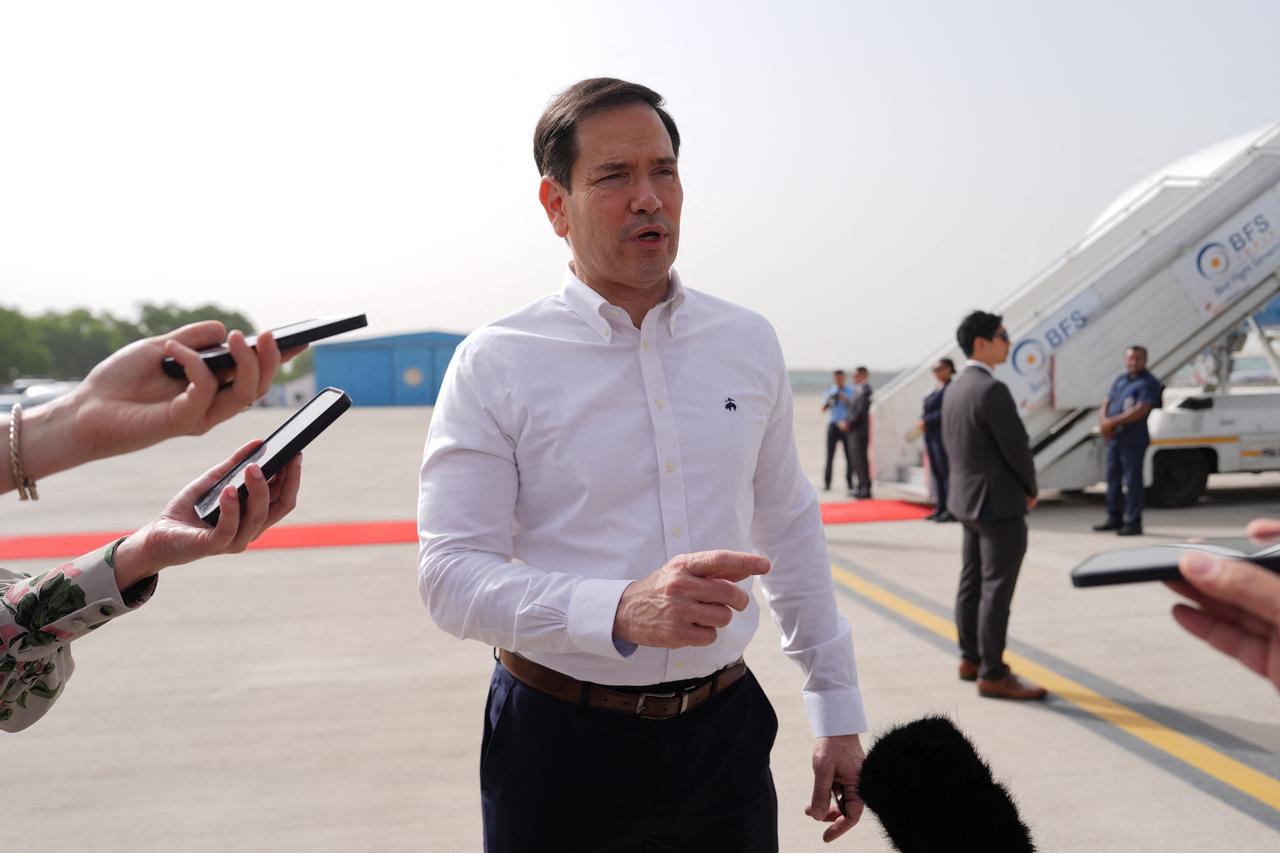
U.S. Secretary of State Marco Rubio also signaled possible movement in the negotiations.
“Work still in progress. We thought we might have some news last night, maybe today …,” Rubio told reporters in New Delhi.
 1 min read
Pakistani sources said both sides were likely to eventually reach an interim agreement “sooner or later,” but cautioned that sustaining such a deal could prove significantly more difficult.
They said a second phase of negotiations would likely focus on more contentious issues, including Iran’s nuclear program, management of enriched uranium stockpiles and long-term arrangements concerning the Strait of Hormuz.
The sources described those issues as “highly complex,” particularly nuclear-related matters.
They added that mediators have already proposed several frameworks, including a model similar to the Joint Comprehensive Plan of Action and third-party monitoring mechanisms involving the International Atomic Energy Agency (IAEA).
“It always requires good faith and commitment from all sides to settle down such complex issues,” a source said.
Regional tensions have escalated since the United States and Israel launched strikes against Iran in February. Tehran later retaliated with strikes targeting Israel and US allies in the Gulf, while also closing the Strait of Hormuz.
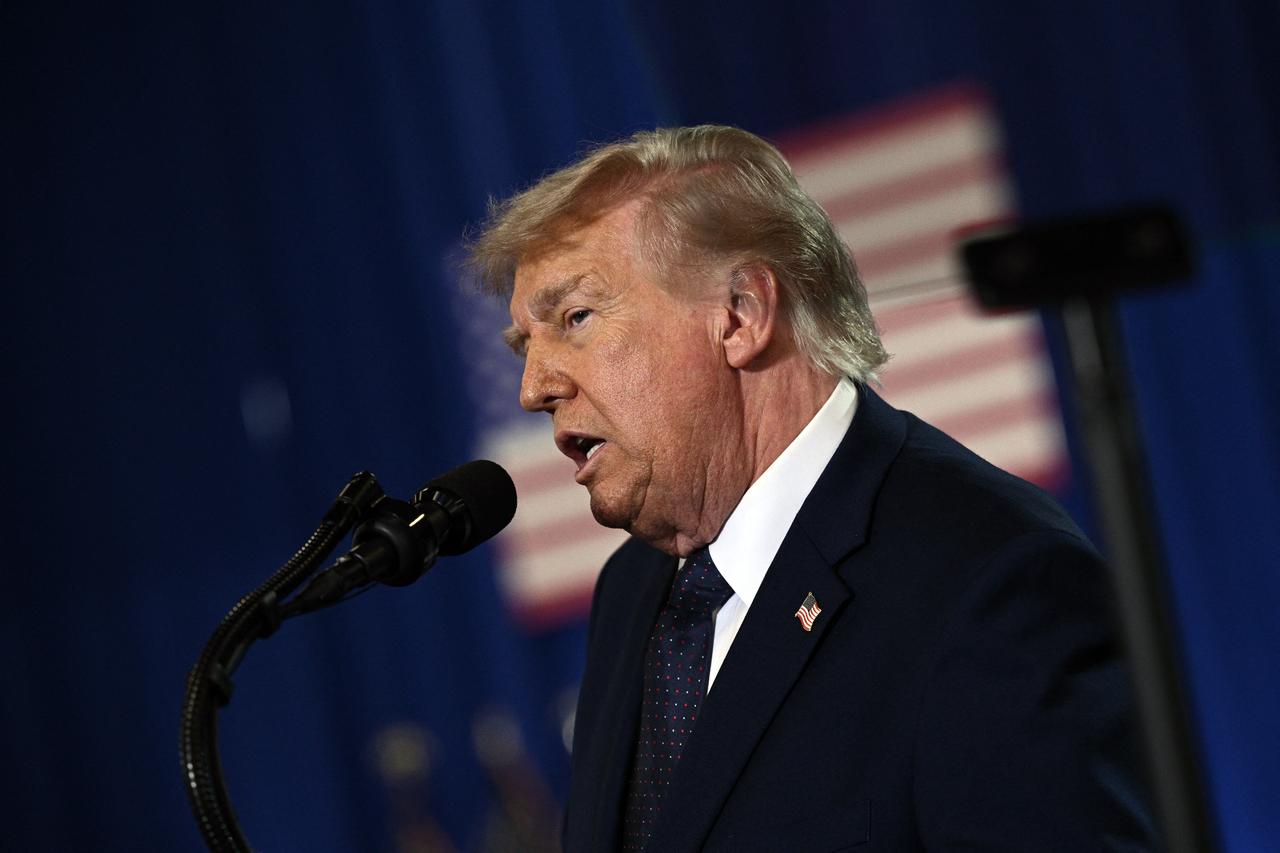
A ceasefire brokered by Pakistan took effect on April 8 and was later extended indefinitely by Trump.


 Set as preferred source
 Set as preferred source


 1 min read