Newsletters




The U.S. and Iran are close to reaching a deal to end the war, with remaining gaps focused on the “wording” of several points and a draft peace proposal expected to be announced within 24 hours, U.S. media reported Saturday.
Axios reported that the Trump administration and Iran are close to an agreement, citing a U.S. official briefed on the negotiations. The official said the remaining gaps in the deal focus on “wording.”
The Washington Times, citing a source close to the negotiations, reported separately that Washington and Tehran are expected to announce the finalization of a draft peace deal by Sunday afternoon.
The report said a draft proposal was agreed to early Saturday and sent to the leaders of both countries for final approval.
According to The Washington Times, top negotiators, including Iranian Parliament Speaker Mohammad Bagher Qalibaf, U.S. Vice President JD Vance, special envoy Steve Witkoff and Jared Kushner, approved the draft.
The draft version of the peace deal was then sent to the leaders of both countries for final approval, the report said.
If successful, the deal would turn a fragile six-week truce into a permanent peace, even as U.S. President Donald Trump has suggested that fresh strikes remain possible.
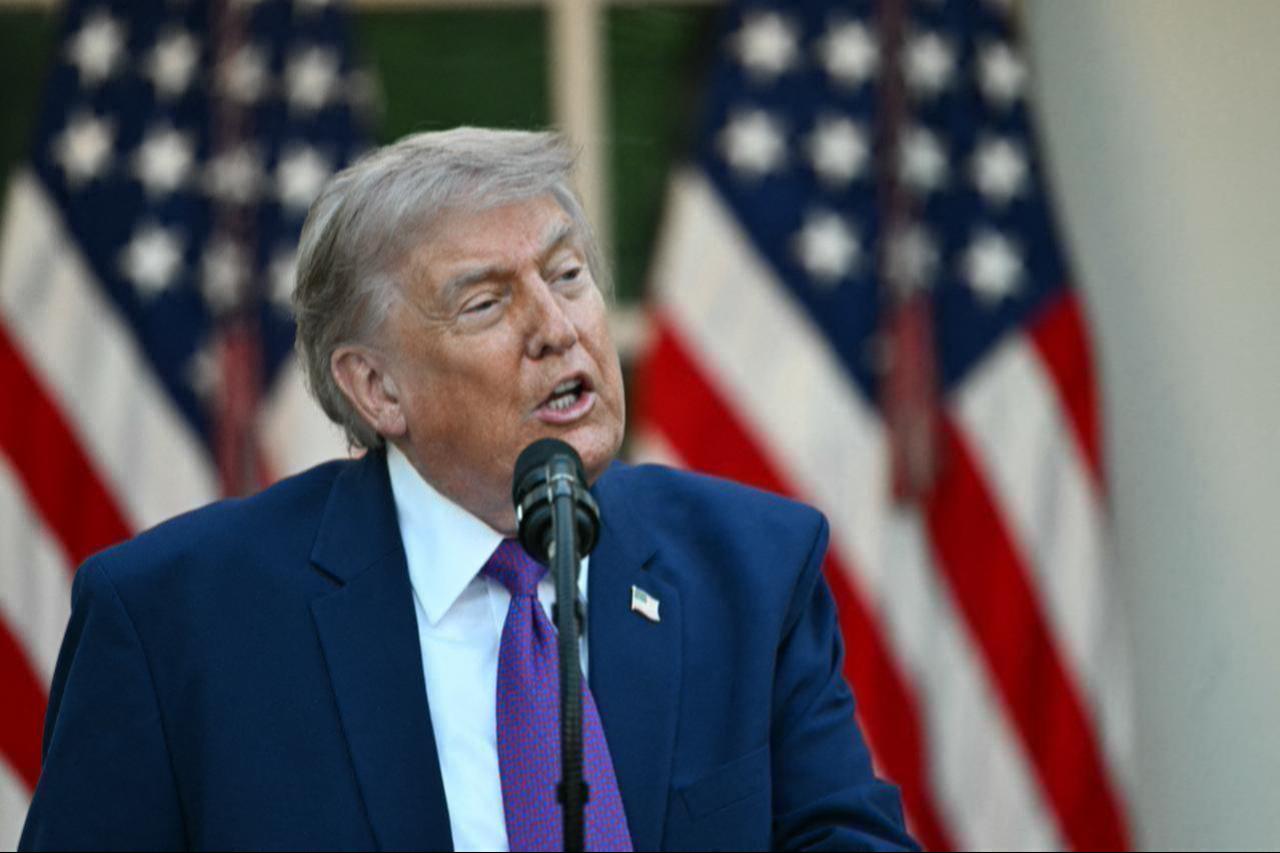

Axios reported that Trump has made “no final decision” on the deal.
Earlier Saturday, Trump told CBS News that the U.S. and Iran were “getting a lot closer” to an agreement to end the war.
Trump also told Axios that there was a “50-50” chance the sides could reach a deal.
He said he would meet with his top negotiators later Saturday and would likely make a decision by Sunday.
Trump warned that if no deal could be reached, he would blow Iran “to kingdom come,” Axios reported.
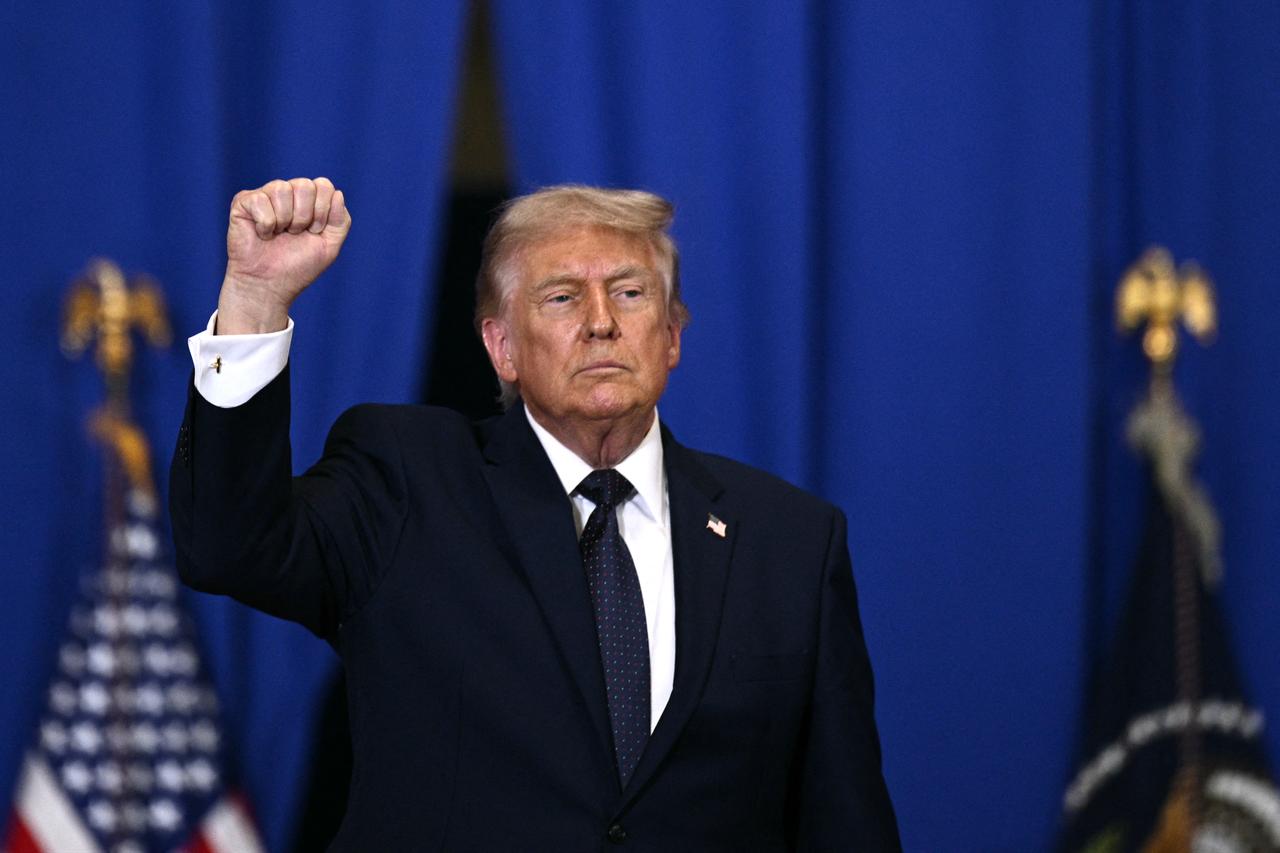
At a rally in New York on Friday, Trump said the war would be over “soon” and that “oil prices are going to tumble as soon as I finish up with Iran.”
Details of the potential cease-fire agreement remain unclear.
The U.S. and Iran still need to address key differences, including the fate of Iran’s nuclear program, Tehran’s request for sanctions relief and the reopening of the Strait of Hormuz.
The strait has been largely closed since the war began on Feb. 28. Around 20% of the world’s oil passes through the waterway, and its closure has disrupted global energy markets.
The U.S. and Iran have been negotiating through Islamabad over proposals and counterproposals on reopening the strait, addressing concerns over Tehran’s nuclear program and sanctions relief.
Iran has demanded relief from economic sanctions, including the release of “a significant portion” of its frozen assets and a “transparent” process for unfreezing the rest, according to Iranian state media.
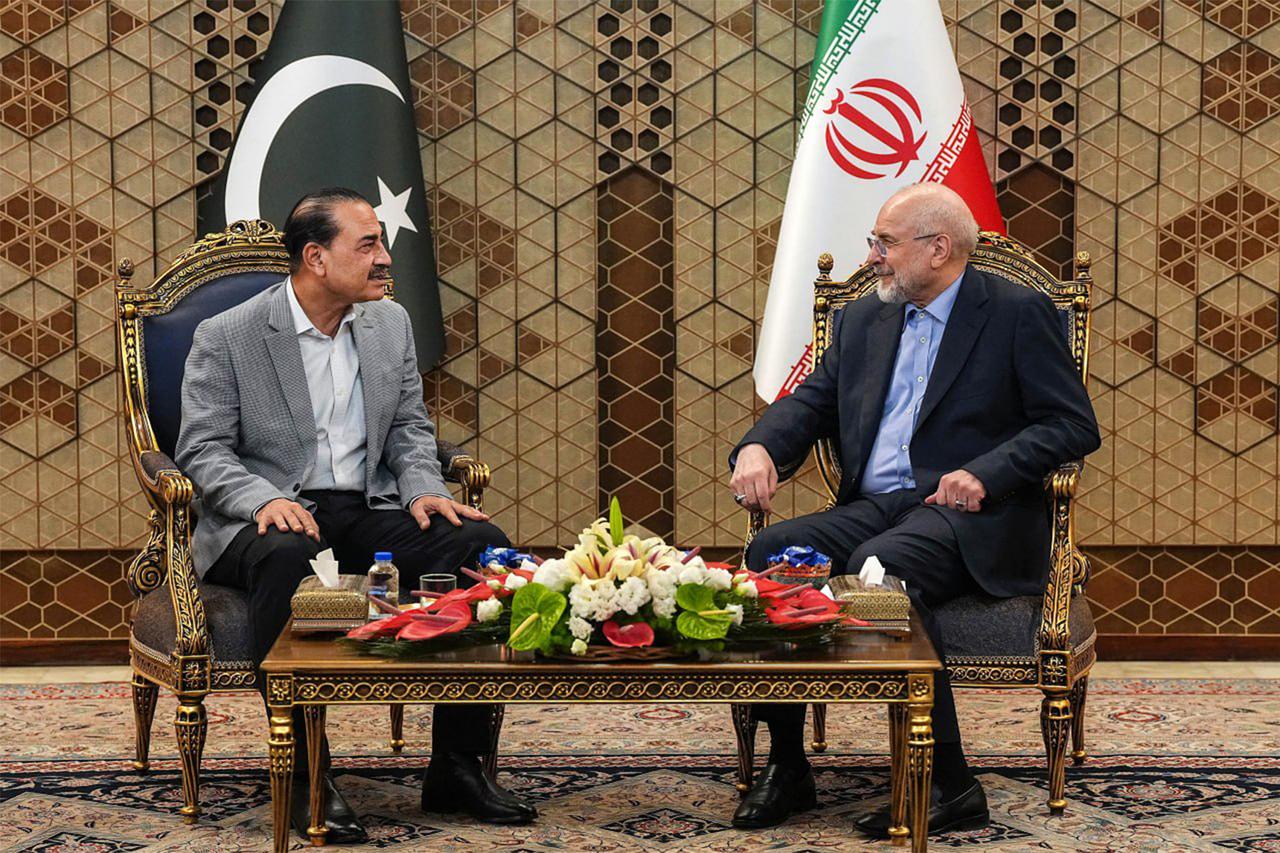
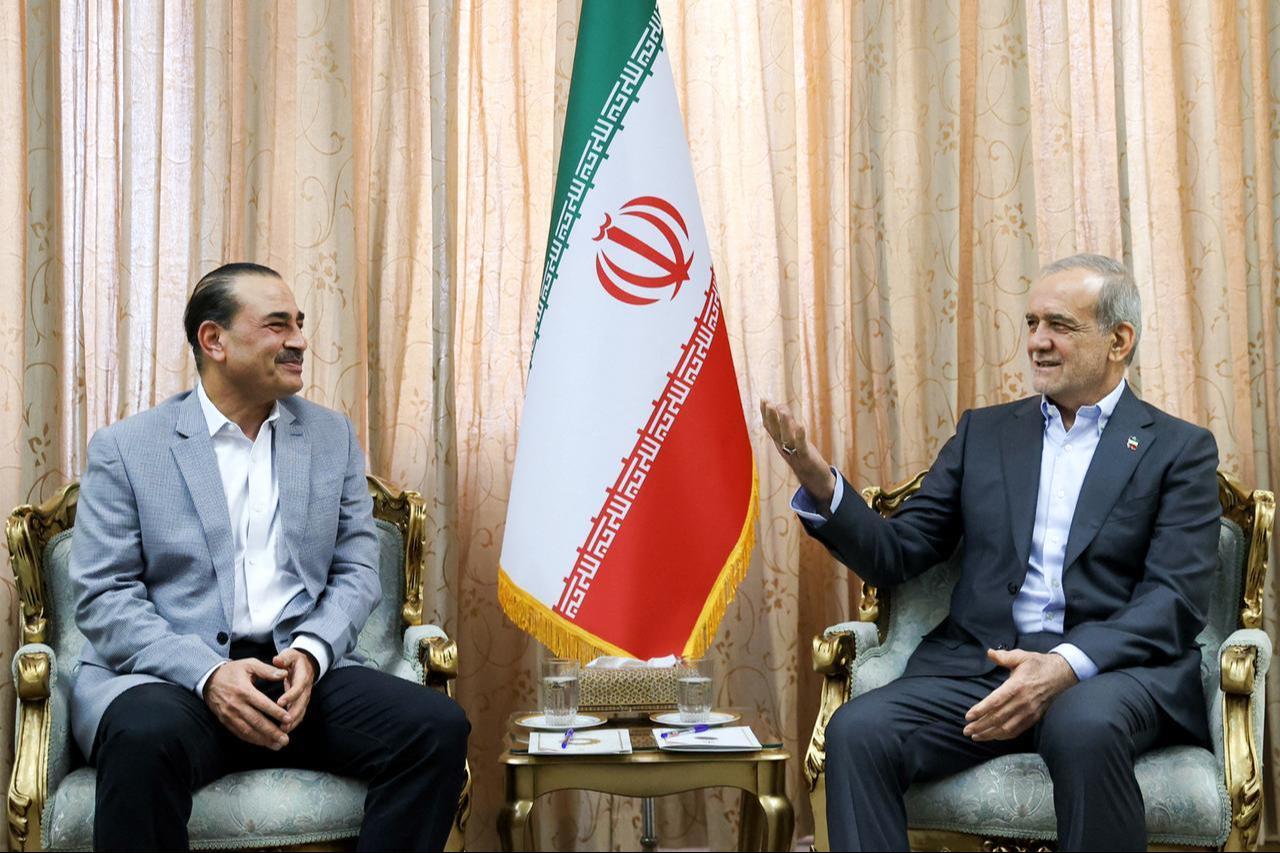
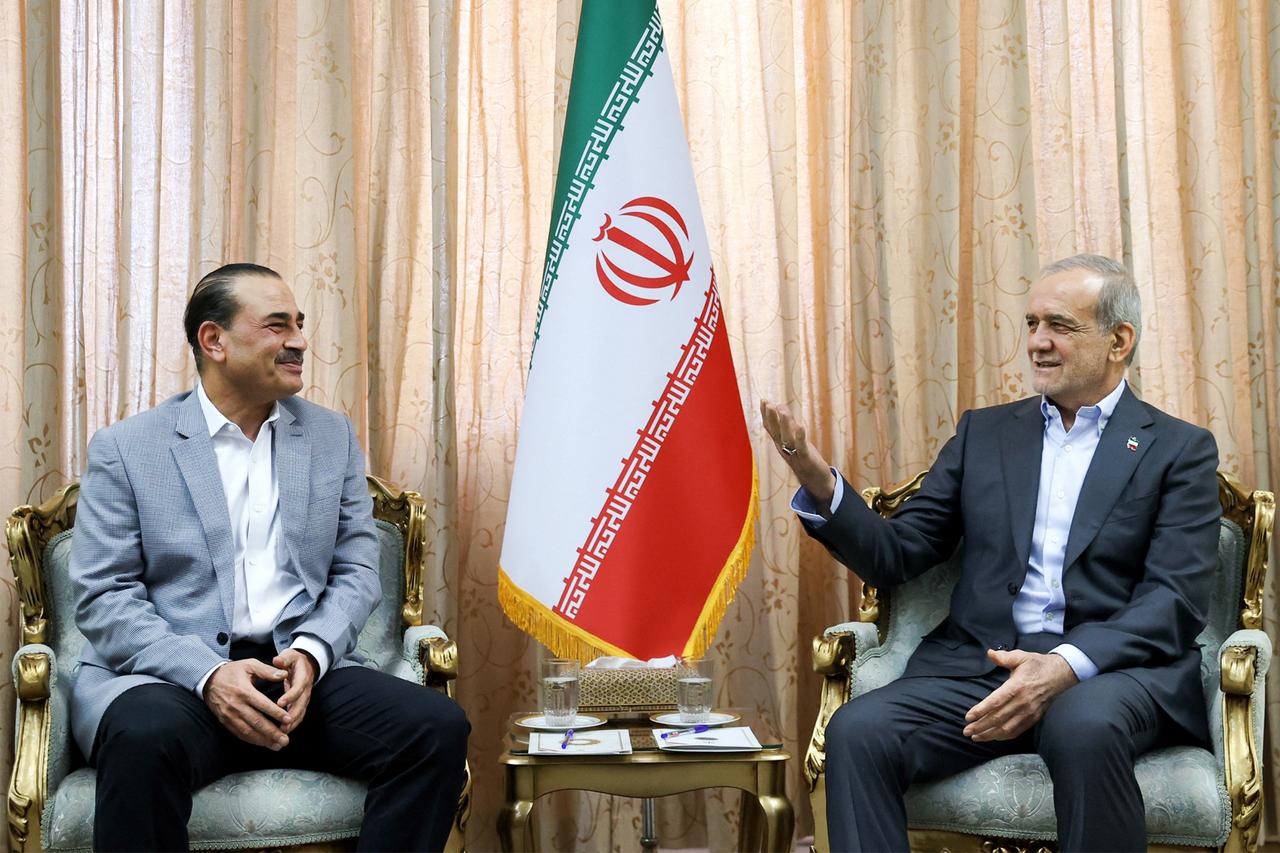
Pakistani Field Marshal Asim Munir held talks in Iran to narrow the differences between Washington and Tehran after weeks of war.
Munir, described as the chief mediator in the talks, held multiple meetings to ensure the draft could be finalized and sent to leadership, The Washington Times reported.
A Qatari delegation also arrived in Tehran as part of the final diplomatic efforts to push the deal across the finish line.
In Washington, signs of a possible breakthrough included Vance making an unplanned return from Ohio and Trump being expected to hold a conference call with Middle East leaders after convening his national security team at the White House.
Iran said publicly Saturday that the peace process was moving forward and that remaining differences would be addressed at a later stage.
“The final draft of an agreement text between Iran and the U.S. is still under review,” Iranian Foreign Ministry spokesperson Esmail Baghaei said, according to Iranian state TV.
“Over the past week, the process has been moving towards convergence of views,” he said.
Baghaei added that issues still needed to be addressed through discussions with mediators.
“We must wait and see where the situation will lead in the next three or four days,” he said.
Talks reportedly center on a 14-point document proposed by Iran, which has served as the main framework for messages and discussions between the two sides.
U.S. Secretary of State Marco Rubio, who was in India on Saturday, said there had been “some progress.”
However, Rubio said Washington would not change its position that Iran cannot have a nuclear weapon, must hand over its highly enriched uranium and must allow ships to pass freely through the Strait of Hormuz.
“The president’s preference is always to solve problems such as these through a negotiated diplomatic solution,” Rubio said.
Iran has rejected demands to give up its uranium and halt enrichment, while insisting it is not seeking to build a nuclear bomb.
Tehran has also demanded that ships passing through the Strait of Hormuz pay a levy.
Qalibaf has said Iran would pursue its “legitimate rights” on the battlefield and through diplomacy, while saying Tehran is concerned it cannot trust the U.S.
He has also warned that Iran’s military forces rebuilt their capabilities during the cease-fire.


 Set as preferred source
 Set as preferred source


 1 min read
 1 min read