Newsletters


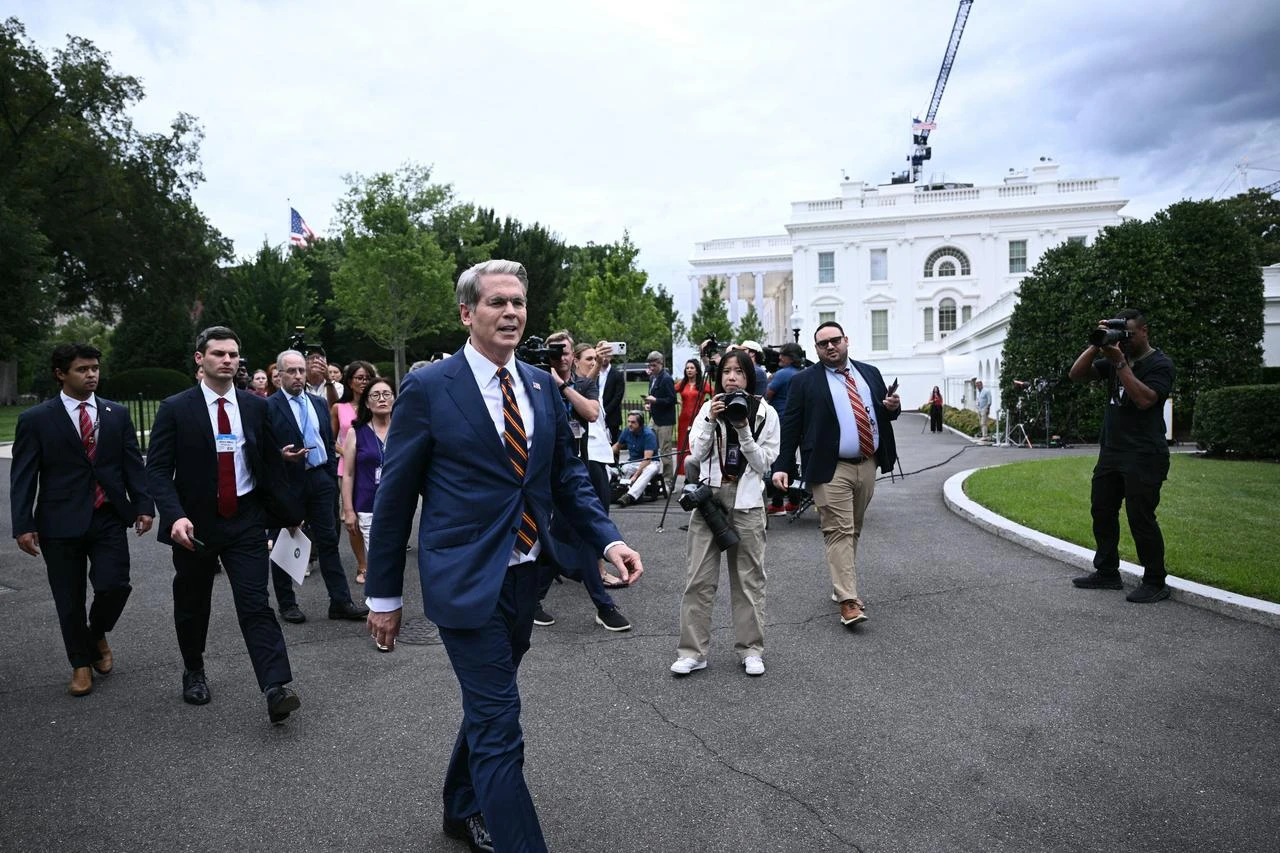


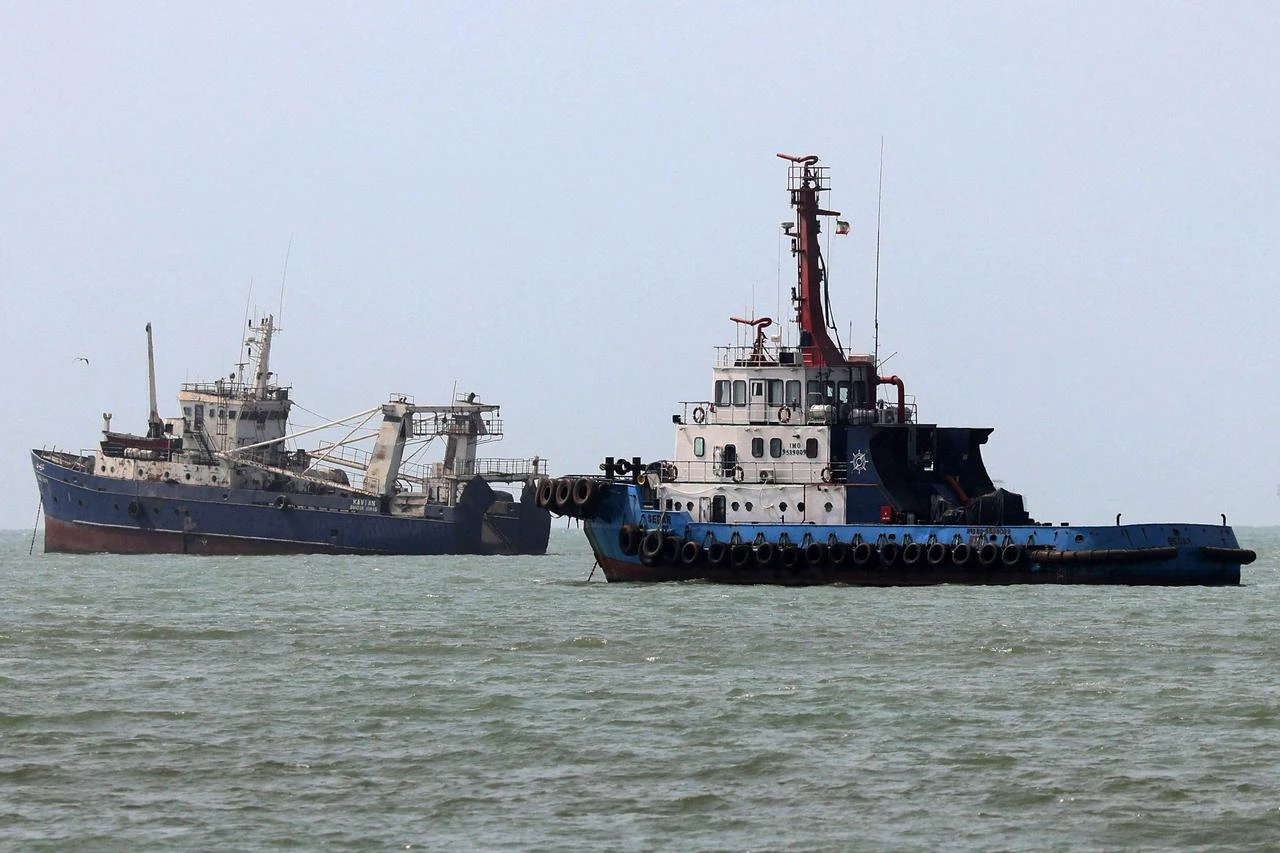
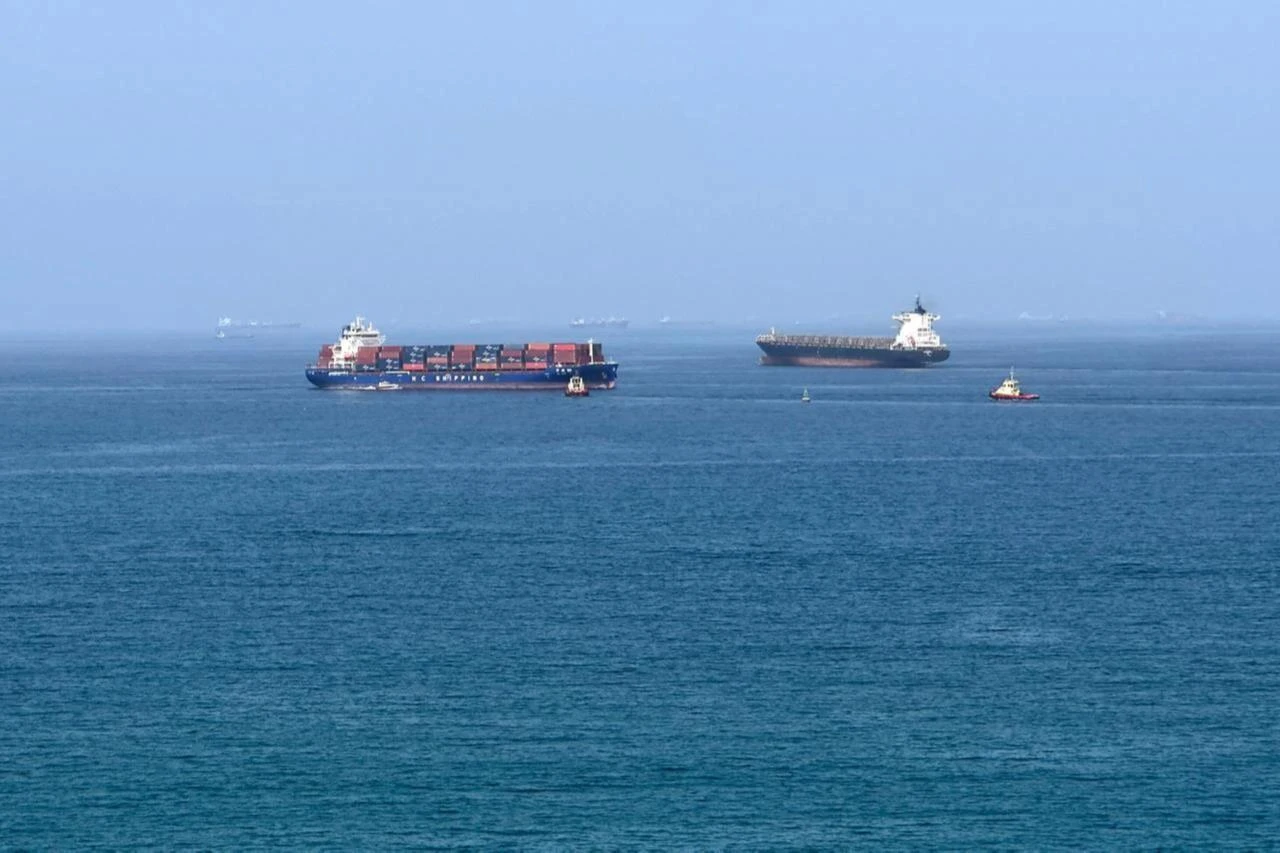
The U.S. and Iran could strike a deal as early as Tuesday or Wednesday to reopen the Strait of Hormuz and restore freedom of navigation for commercial shipping, U.S. Treasury Secretary Scott Bessent said on Tuesday.
"We are in talks with the Iranians," Bessent told CNBC, adding that there was "a chance we may have a deal today or tomorrow to open the strait and move towards a more normalized position in this conflict."
Asked whether Iran would be allowed to impose a toll on vessels using the waterway, Bessent responded that any agreement would guarantee unrestricted passage.
"It would be freedom of movement," he said. "Even though things are still a little dicey there over the past few days, we saw quite a few ships coming out even now."
"There are hundreds, if not 1,000, ships sitting in there and waiting to go out," he said. "It's not just energy. It's fertilizer, it's refined products, it is the various industrial gases. We could see a big relief trade as those prices go down."
Bessent said reopening the strait would likely put further downward pressure on prices as a backlog of vessels resumes transit.
Oil prices fell after Bessent's remarks, with international benchmark Brent crude extending losses of more than 4% to around $80 a barrel before recovering some ground. U.S. benchmark crude also slid to as low as $76 per barrel.

The comments came after U.S. President Donald Trump said on Sunday that he had called off a major planned attack on Iran to give diplomacy a chance, leaving room for negotiations aimed at reopening the Strait of Hormuz.
Tehran disputed Trump's account. Foreign Ministry spokesperson Esmail Baghaei said there were no direct talks with Washington on reopening the waterway and that no Iranian delegation had been dispatched for such negotiations.
Trump, however, accused Tehran of sending mixed signals by publicly denying negotiations while privately engaging in diplomacy. "They're unbelievably duplicitous," he wrote on Truth Social.
On Monday, Trump said negotiations with Iran were underway, describing them as Tehran's "last chance" to reach an agreement.


 Set as preferred source
 Set as preferred source


 1 min read
 1 min read