Newsletters


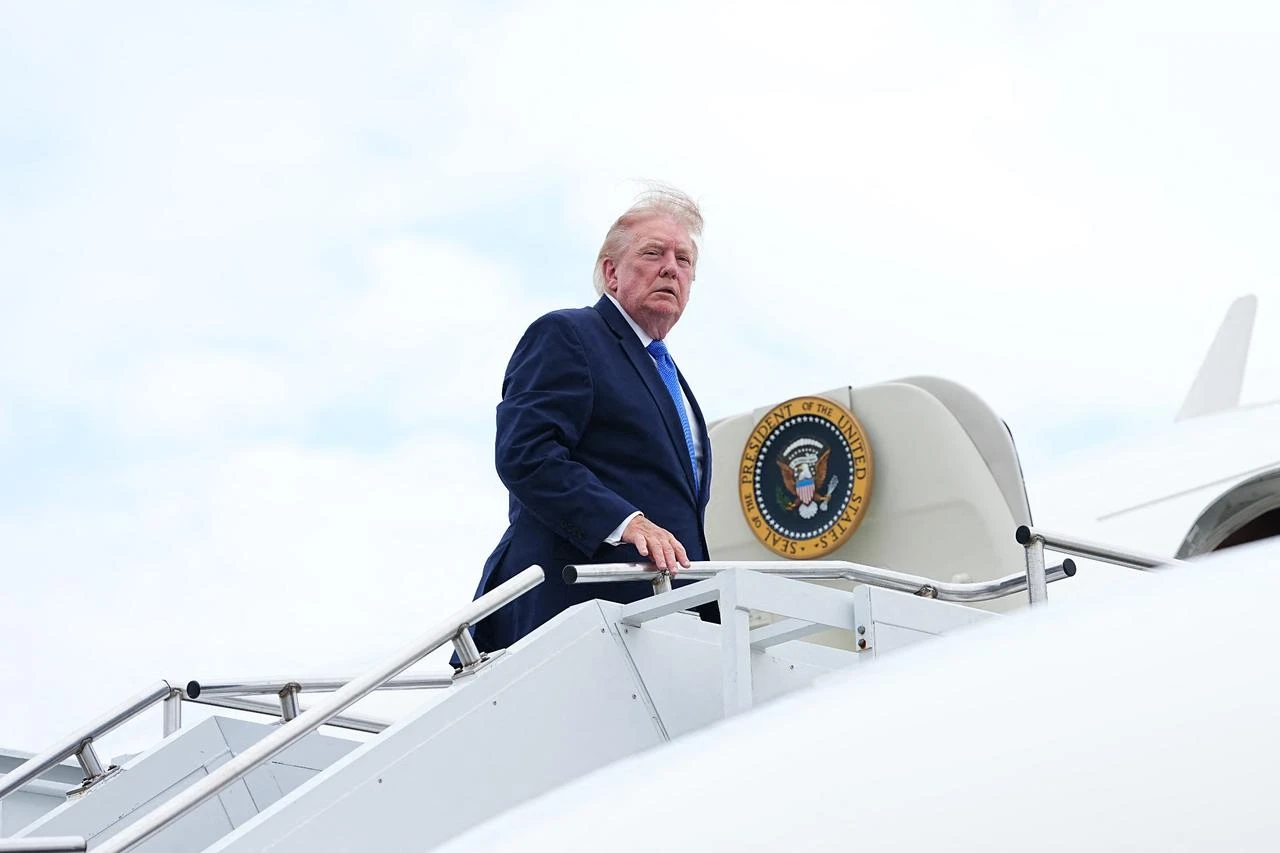


U.S. President Donald Trump said negotiations with Iran will resume Monday afternoon, expressing optimism that a deal on the Strait of Hormuz and Iran's nuclear program could be within reach.
Iranian officials rejected claims that an agreement to reopen the strategic waterway had already been reached.
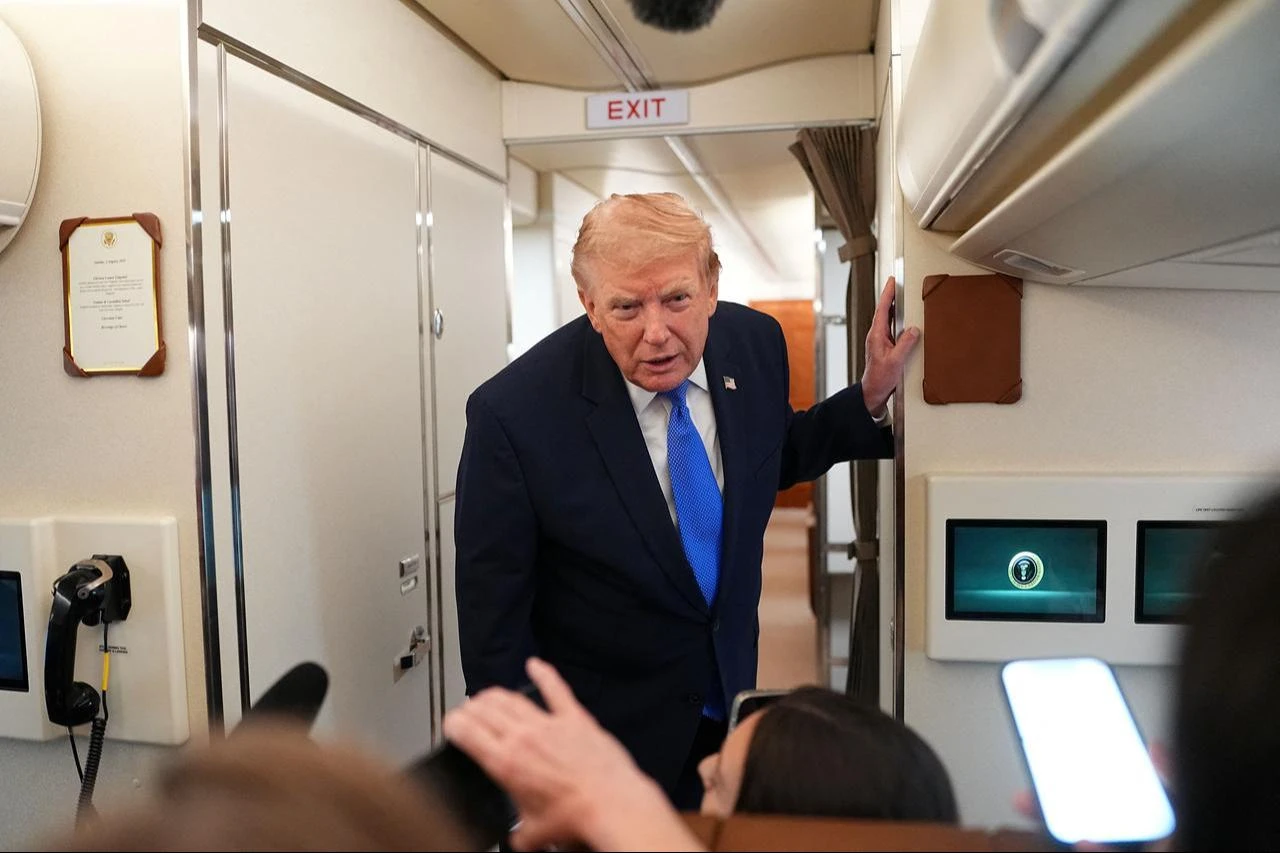
Speaking to reporters aboard Air Force One en route to Joint Base Andrews in Maryland on Sunday, Trump said he scrapped a planned "massive attack" on Iran after requests from Tehran and several Gulf countries to give diplomacy another chance.
"We were asked by the three primary groups. We were also asked by Iran very strongly," Trump said. "They said we'd like to make a deal."
Trump said neighboring countries, including Saudi Arabia, also urged Washington to stand down because they believed an agreement was close.
"They didn't want us to do it, and frankly, Saudi Arabia didn't want it either. They thought that a deal is imminent ... having to do with the Hormuz Strait and also ultimately denuclearization," he added.
Asked whether Iran faces a deadline to strike a deal, Trump said there is no fixed timetable but stressed the U.S. remains ready to act militarily if needed.
"We're ready to go anytime we want. Would I rather make a deal? I'm not looking to kill people because people die, a lot of people die, and we don't want that," he said.
Trump also called the canceled operation "disastrous" for Iran but did not specify whether its energy infrastructure would have been targeted.
Following Trump's remarks, international benchmark Brent crude fell more than 5% to $82.2 per barrel at Monday's market open.

Earlier, Trump wrote on Truth Social that negotiators had agreed on the framework of a deal that would immediately and fully reopen the Strait of Hormuz while ending Iran's nuclear threat.
However, Iranian officials quickly pushed back after a source close to Iran's negotiating team told Fars News Agency that no agreement had been reached to reopen the strait.
Iranian lawmaker Hassan Ghashghavi said mediators were instead trying to revive the June memorandum, describing it as a stepping stone toward a broader peace agreement that included provisions related to Hormuz.
"They know that the main issue and, in fact, the key to the matter right now is the issue of the Strait of Hormuz, so yes, there is an exchange of views," Ghashghavi said.
Iranian President Masoud Pezeshkian urged all sides to honor existing commitments, while Foreign Ministry spokesperson Esmaeil Baqaei said Iran and Oman were close to reaching an understanding on a new shipping route through the strait that would respect both countries' sovereign rights.
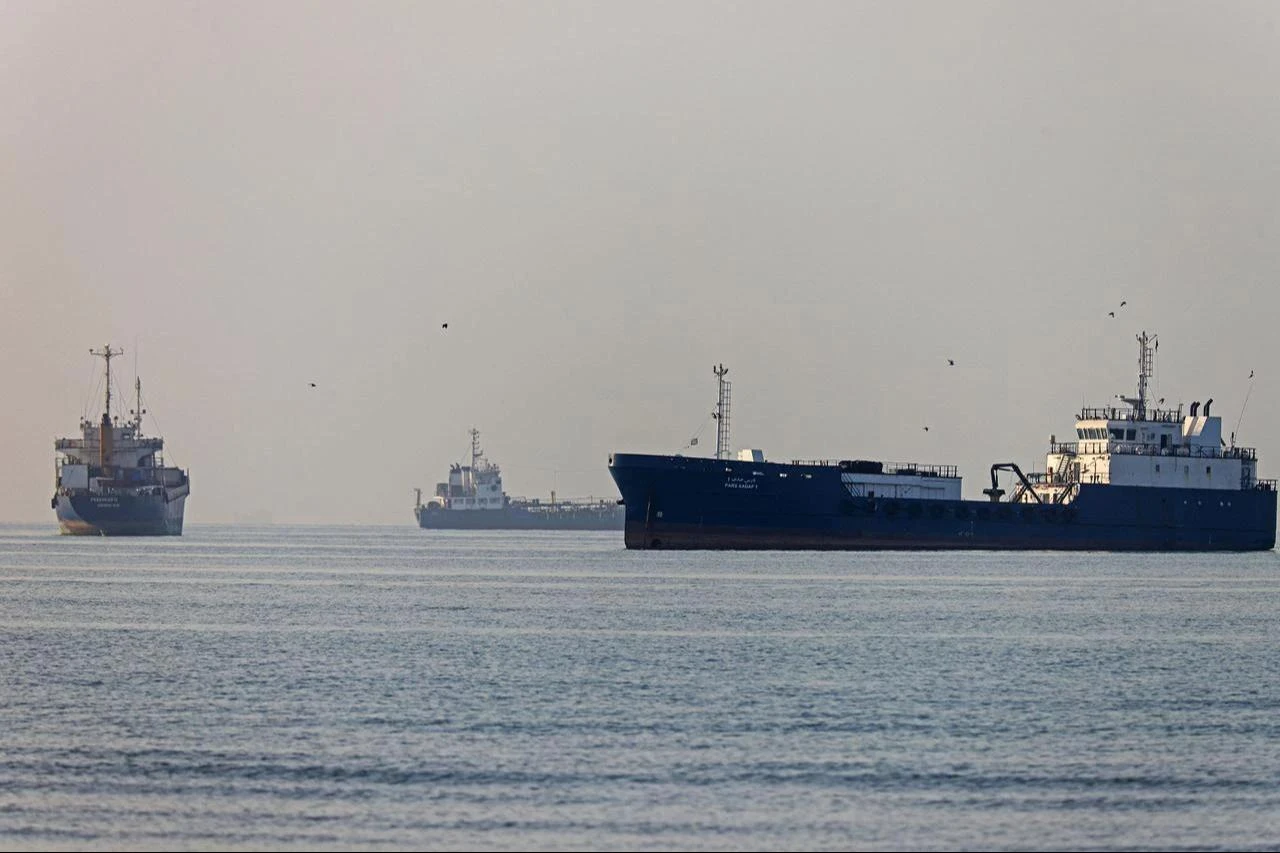
He emphasized, however, that such an arrangement would not amount to reopening the Strait of Hormuz.
Israeli media Channel 12 reported Sunday that mediators are trying to revive the June memorandum of understanding between Washington and Tehran that would restore the ceasefire and reopen the Strait of Hormuz. The proposal includes keeping the waterway open for 60 days without transit fees.
The U.S. and Iran signed a ceasefire in April before agreeing to a Pakistan-mediated memorandum of understanding in June aimed at ending their military conflict.
That arrangement collapsed last month after Washington launched 13 consecutive days of strikes on Iran, prompting missile and drone retaliation from Tehran against Gulf countries hosting U.S. bases.
Washington has demanded guarantees for freedom of navigation through the Strait of Hormuz, while Tehran insists that shipping near its coastline should operate under a mechanism supervised by Iran.


 Set as preferred source
 Set as preferred source


 2 min read
 1 min read