Newsletters


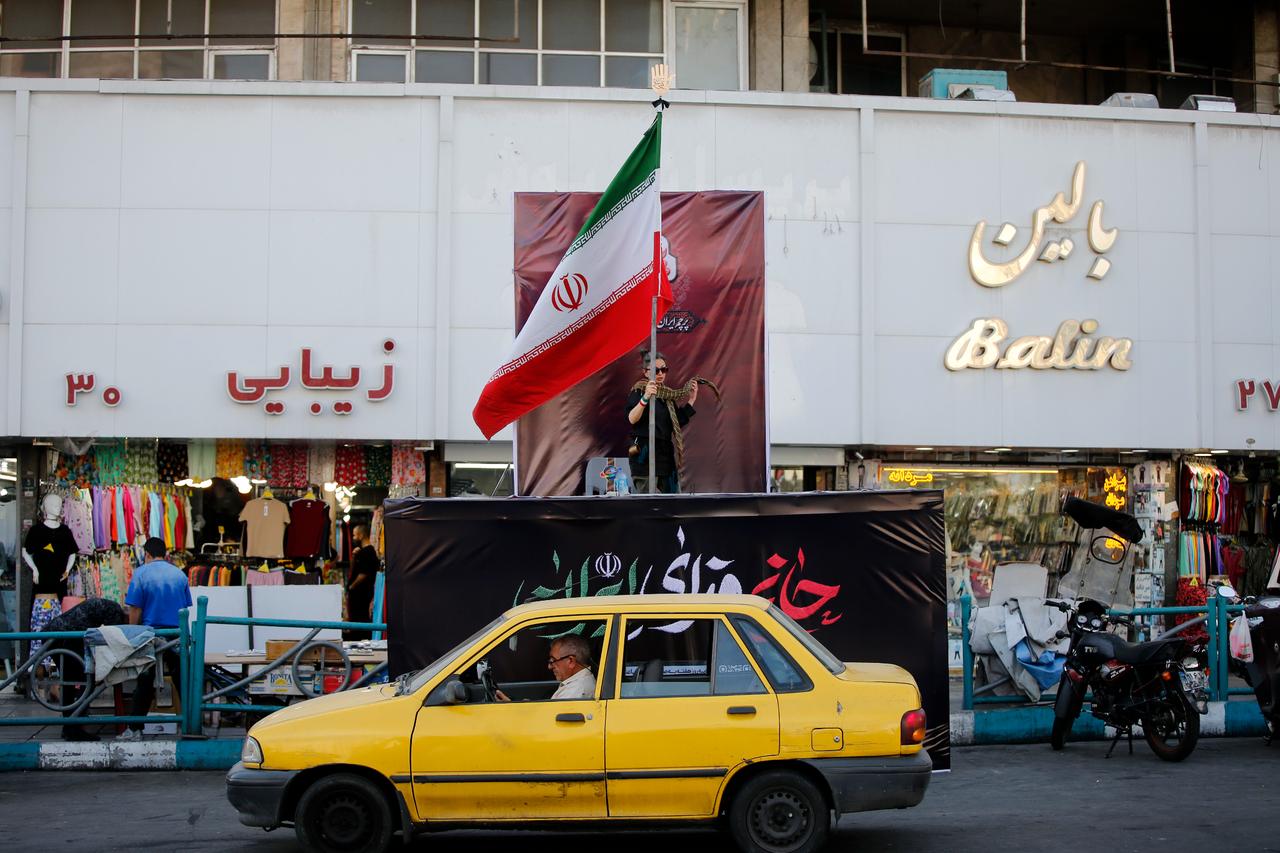


Iran said Sunday it was determined to defend its sovereignty after the latest U.S. strikes on the country, as a fragile truce in the Middle East war hung in the balance.
"Iran strongly condemns the airstrikes by the terrorist U.S. army on several monitoring and surveillance facilities on the southern coast of the country in the early hours of Sunday," Iran's Foreign Ministry said in a statement.
The ministry said Tehran "stresses its determination to defend Iran's national sovereignty" against U.S. attacks.
Iran and the United States have accused each other of violating their truce, straining negotiations aimed at ending the Middle East war.
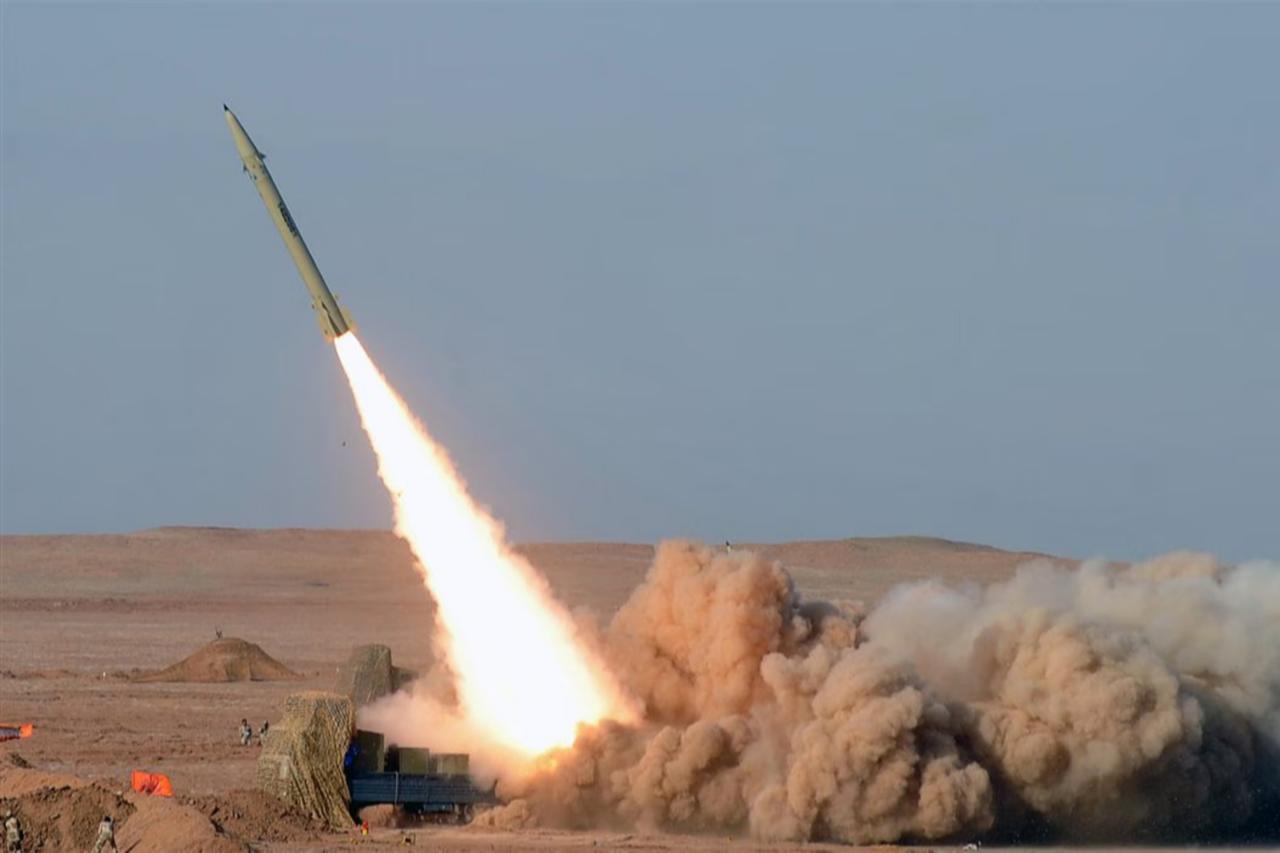
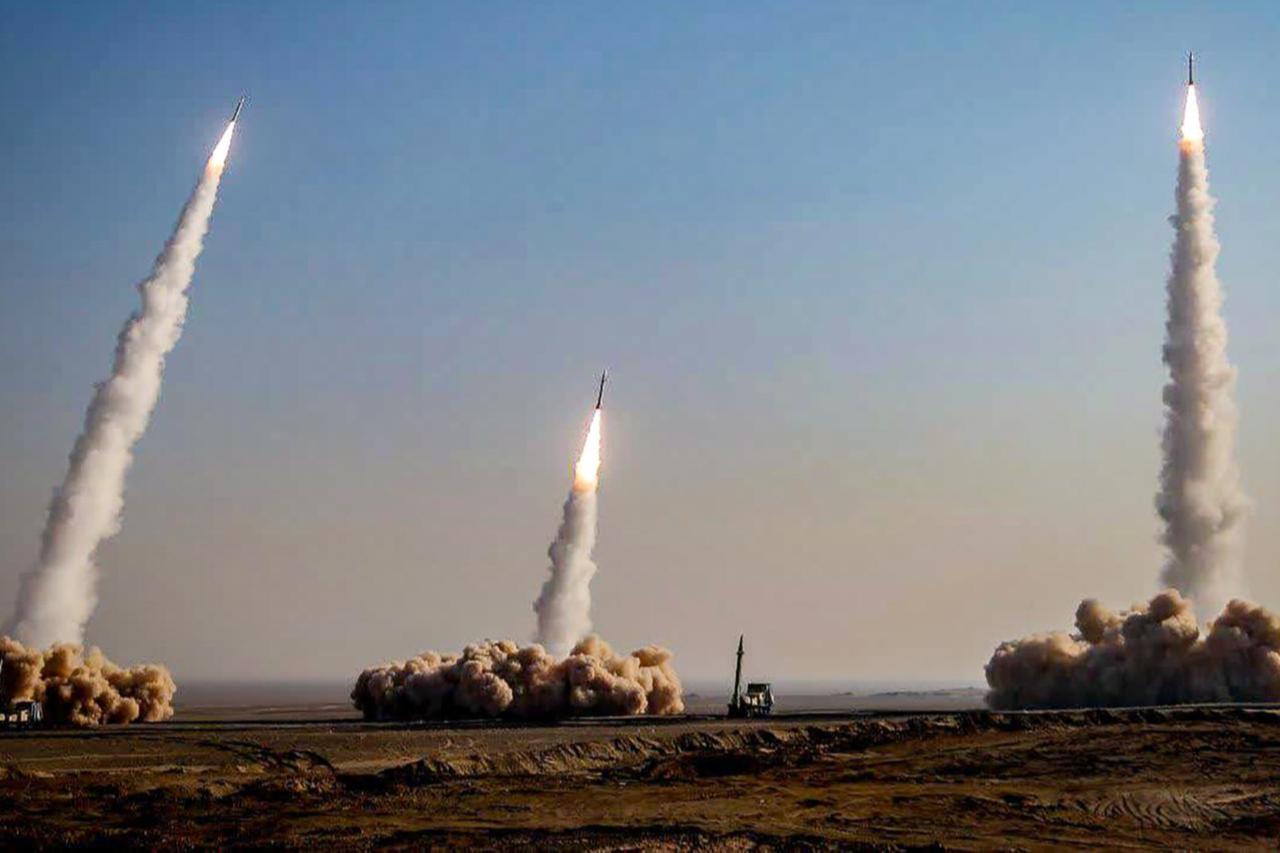
Iran's Revolutionary Guard said early Sunday that missile and drone strikes targeted eight U.S. military sites in Kuwait and Bahrain in response to recent American attacks on Iranian positions.
A statement carried by Iran's Tasnim News Agency said the force's naval and aerospace units carried out a "decisive" operation between 2 a.m. and 3 a.m. local time.
The Revolutionary Guard claimed the strikes targeted "key U.S. military infrastructures," including Ali Al Salem Air Base in Kuwait and the headquarters of the U.S. Fifth Fleet in Bahrain.
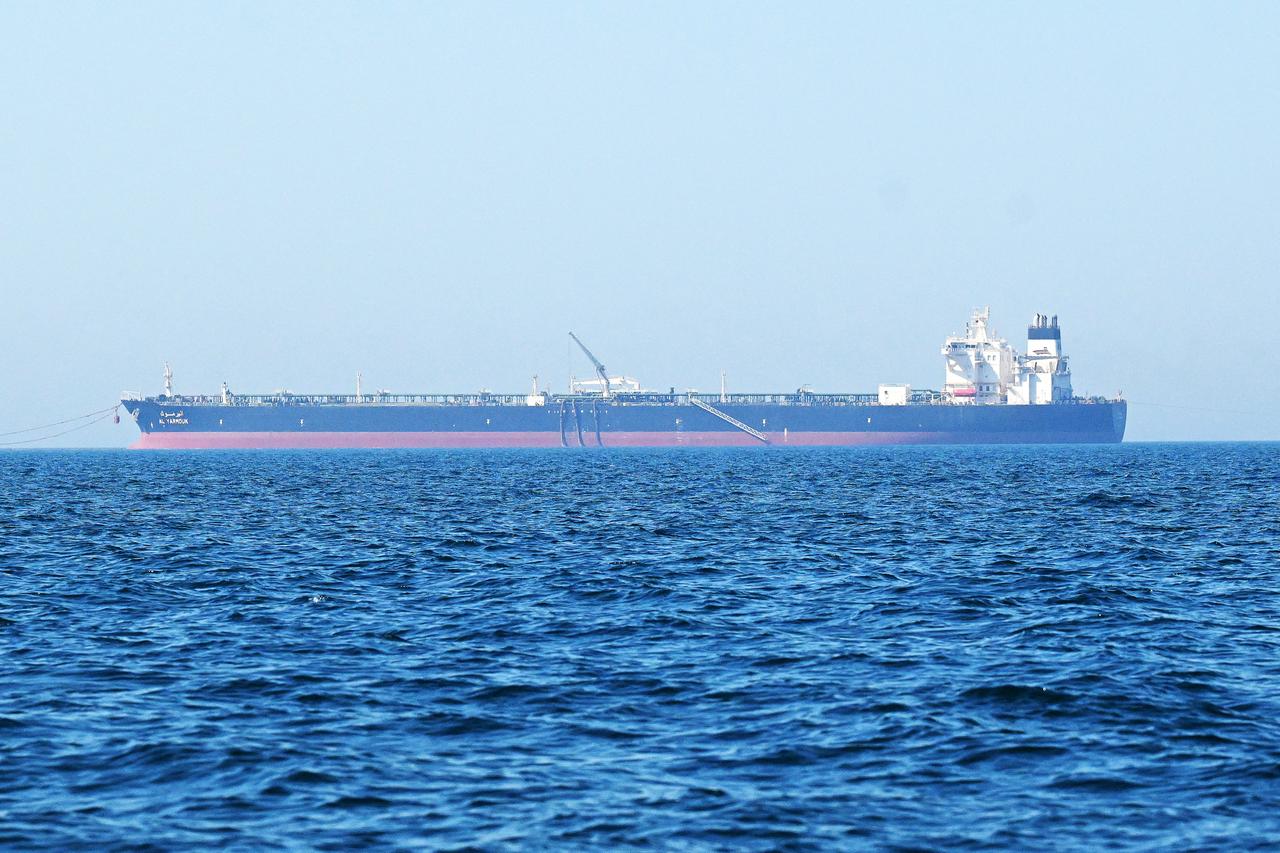

It said the operation came after U.S. forces attacked five Iranian coastal positions earlier Sunday under what it described as the pretext of confronting an Iranian operation against a "violating vessel."
The force claimed that navigation arrangements in the Strait of Hormuz fall under coordination with Iran under the Islamabad memorandum.
The statement warned that "violating vessels" would face "stronger action than before" and that any future attacks by the "enemy," regardless of their scale or justification, would draw a "crushing response."
It also warned that any violation of the cease-fire would halt "all ongoing processes" under the Islamabad memorandum.
Kuwait said earlier that its air defense systems were responding to "hostile" missile and drone threats.
Bahrain activated public warning sirens and urged residents to head to the nearest safe place.
The developments followed reports of several explosions in southern Iran, including in Sirik and on Qeshm Island, with Iranian media saying projectiles struck a telecommunications tower in Tahrouyi village.
A U.S. official confirmed to Axios that Iran had launched multiple missiles and drones toward neighboring countries, including Bahrain and Kuwait.
"The situation is still unfolding," the official said, adding that there were no reported U.S. casualties or major effects or damage to American locations at that time.
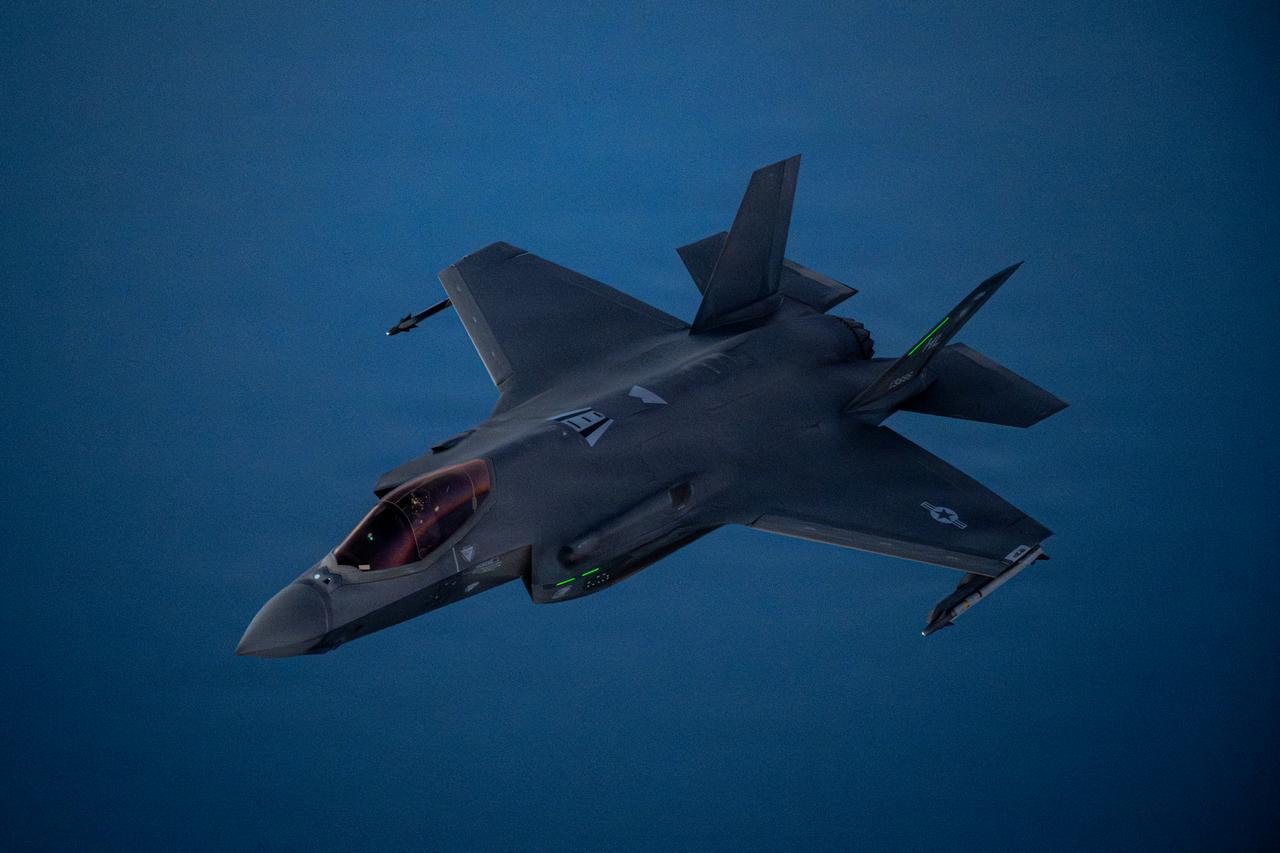
The U.S. military's Central Command announced additional strikes against multiple targets in Iran.
CENTCOM said U.S. forces targeted Iranian military surveillance infrastructure, communication systems, air defense sites, and drone-related facilities following what it described as continued Iranian actions against commercial shipping near the Strait of Hormuz.
Iranian Foreign Minister Abbas Araghchi left Sunday for an official visit to Baghdad for talks with senior Iraqi officials.
Writing on Telegram, Araghchi said he would exchange views with Iraqi officials on bilateral ties, as well as regional and global issues.
"Making the necessary arrangements with the responsible Iraqi authorities to hold the funeral ceremony for the martyred leader of the Islamic Revolution (Ali Khamenei) at the holy shrines is among the topics of this trip," he said.
Khamenei, Iran's supreme leader, was killed Feb. 28 when the U.S. and Israel launched a war on Iran.
The visit comes after a framework deal halted the war between the U.S. and Iran and opened the way for 60 days of talks toward a broader agreement.
The deal has been followed by intermittent hostilities between the two countries, including U.S. attacks on southern Iran over the weekend and retaliatory Iranian strikes on U.S. positions in Gulf states.


 Set as preferred source
 Set as preferred source


 1 min read
 1 min read