Newsletters


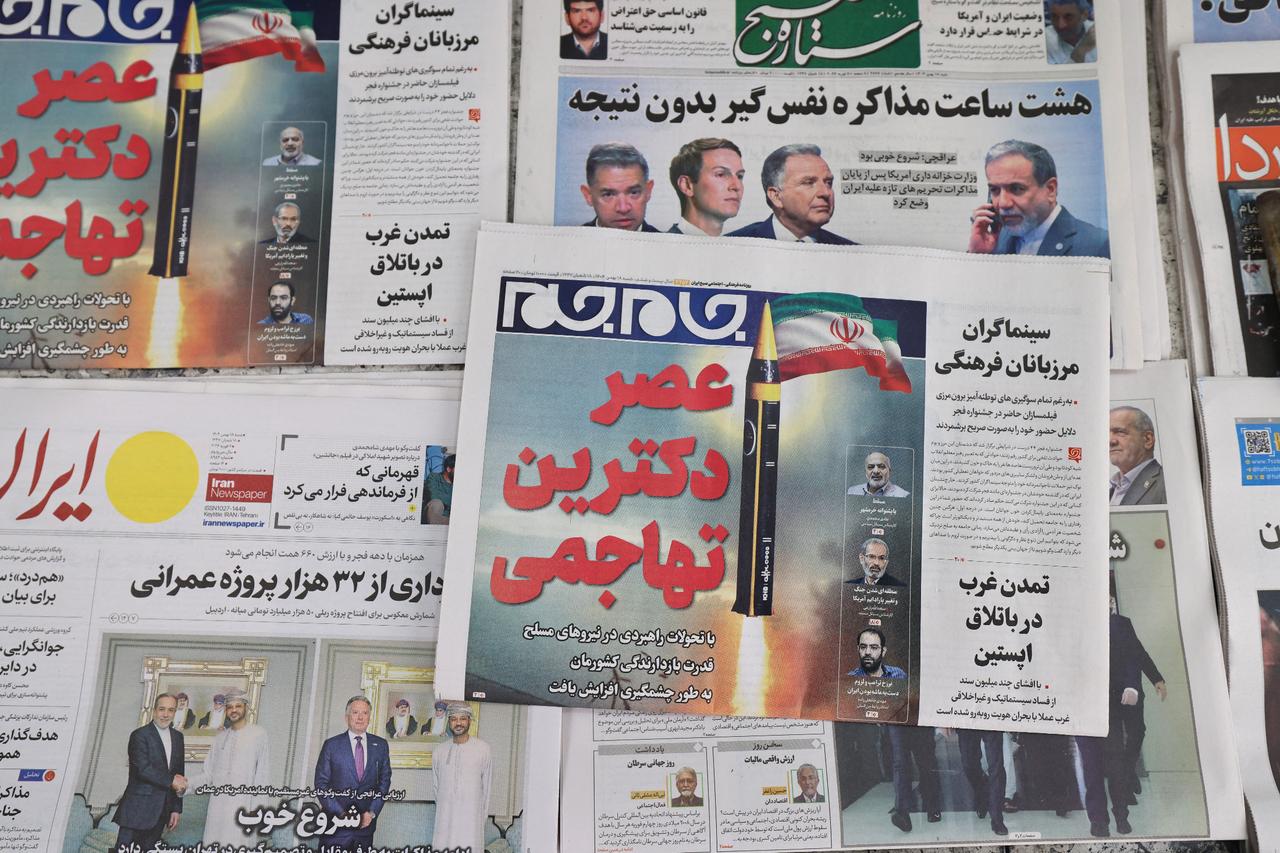


The deputy head of Türkiye's National Intelligence Academy warned that the recent U.S.-Iran talks are primarily aimed at "buying time" and playing to domestic audiences, cautioning that Israel could still launch attacks on Iran even if Washington and Tehran reach an agreement.
Dr. Hakki Uygur, Deputy President of the National Intelligence Academy (NIA), told state-run Anadolu Agency (AA) on Tuesday that optimism about the Oman talks should be approached with caution.
"I evaluate these talks as moves by both parties to somehow buy time and play to their domestic audiences. I don't think they will achieve many concrete results," Uygur said on the sidelines of the "Türkiye-Africa Strategic Dialogue" program in Ankara.


He noted that tensions between Iran and the United States have not actually subsided, recalling that the two countries held five rounds of talks in Oman before the 12-day war erupted in June 2025.
"The two countries can negotiate on one hand while fighting on the other. Therefore, we need to approach statements like 'It went well' very cautiously," Uygur said.
"Both sides say 'The talks were positive, it was a step forward' while also threatening each other militarily. They are exchanging images on warships. So it's too early to say things have calmed down or been resolved," he noted.

Uygur said Iran's negotiating options are constrained while U.S. President Donald Trump's demands are extensive.
"What will be given in exchange for zero uranium enrichment, and how much will sanctions be lifted — these are important questions," he said.
He recalled that similar methods were tried before, with the 2015 nuclear deal — the Joint Comprehensive Plan of Action (JCPOA) — failing to produce rapid sanctions relief because the Washington administration could not secure approval from the U.S. Congress.
"Therefore, Iran knows that even if it does everything asked of it, it will not gain much concrete benefit in the final analysis. This is also behind its cautious approach," Uygur added.
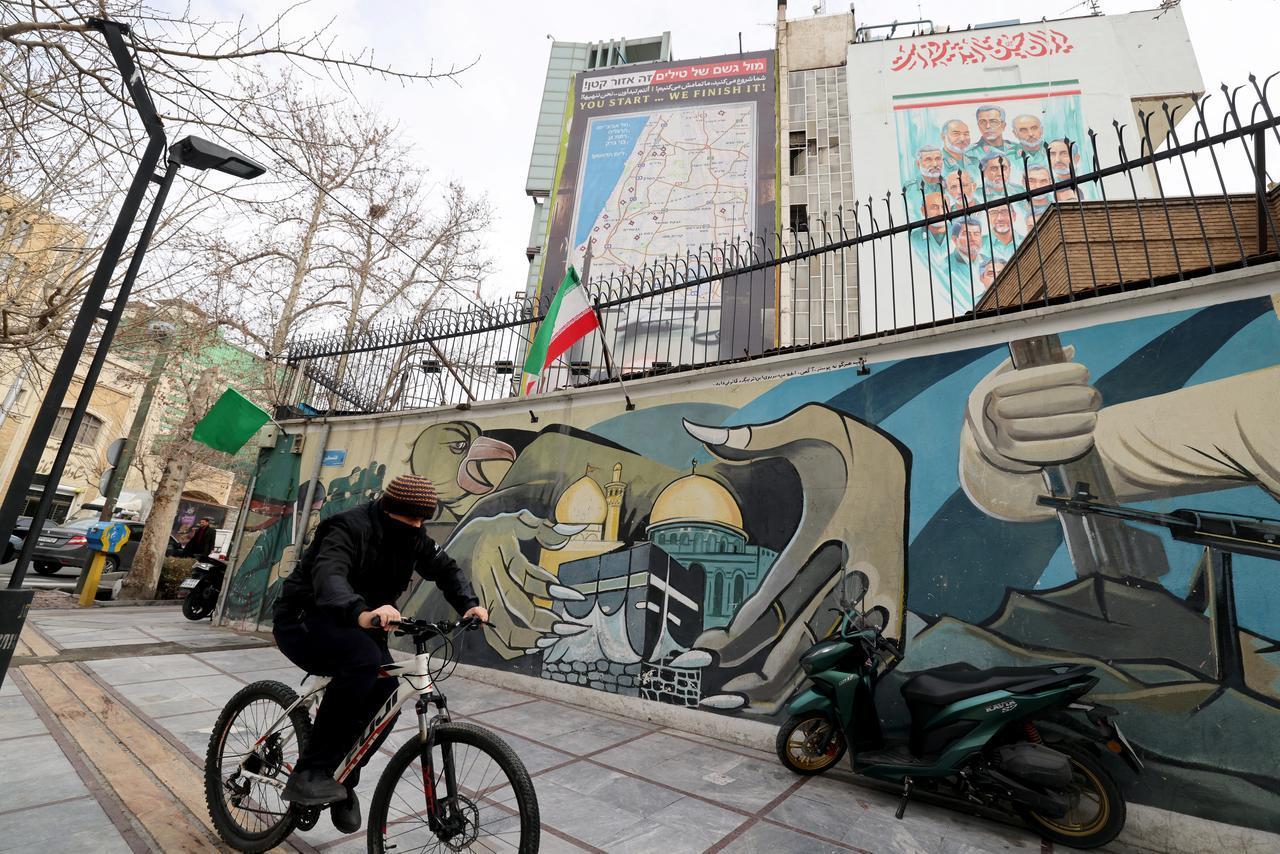
Uygur warned that even if the U.S. and Iran reach a complete agreement, Israel would oppose it.
"Even if Iran and America say 'We agreed on something,' Israel could take the initiative and carry out some attacks against Iran, just as in the 12-day war," he noted.
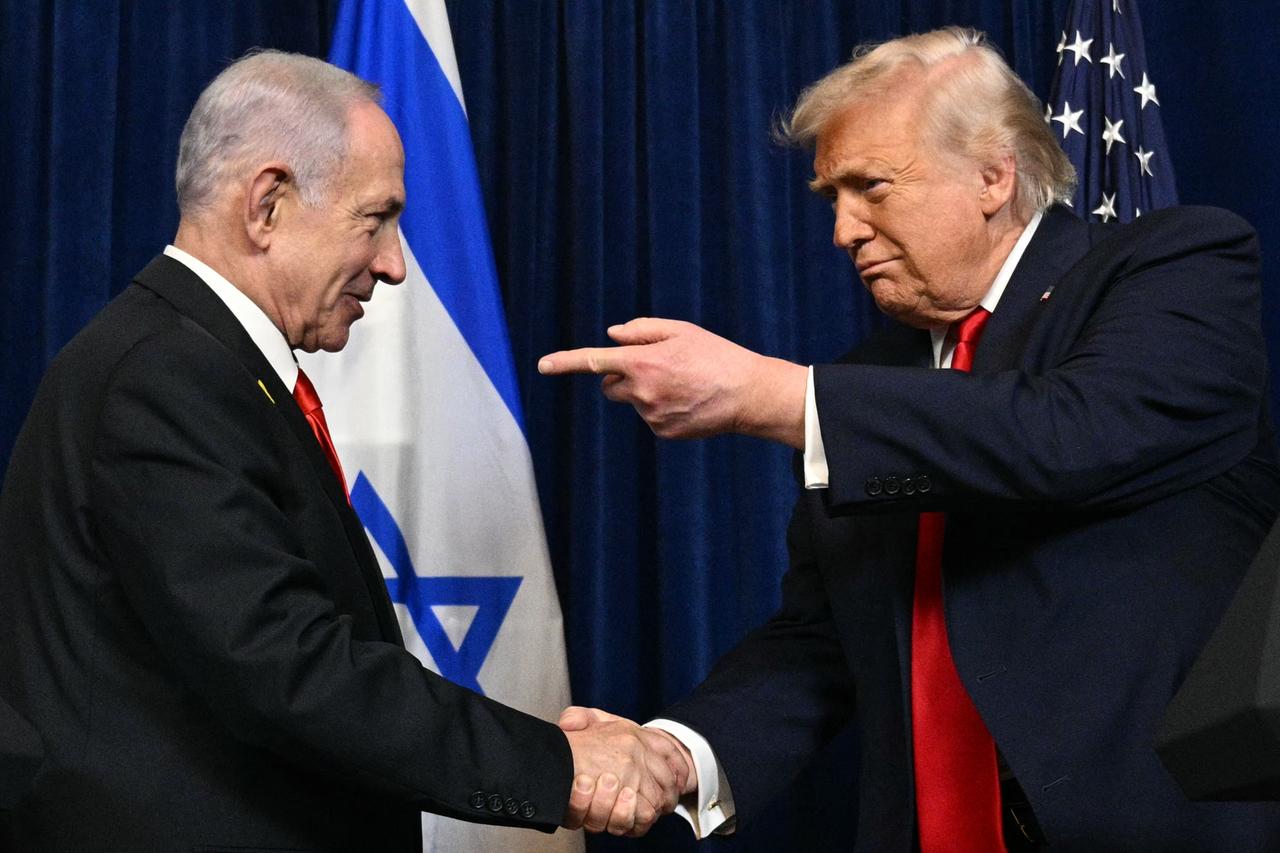
He noted that Israeli Prime Minister Benjamin Netanyahu will soon visit the United States to meet with Trump, with Iran expected to be among the most important topics discussed.
"Netanyahu will use this as a pressure tool to say 'Don't make a deal with Iran,' taking into account the positive statements about the negotiations," Uygur added.
 1 min read
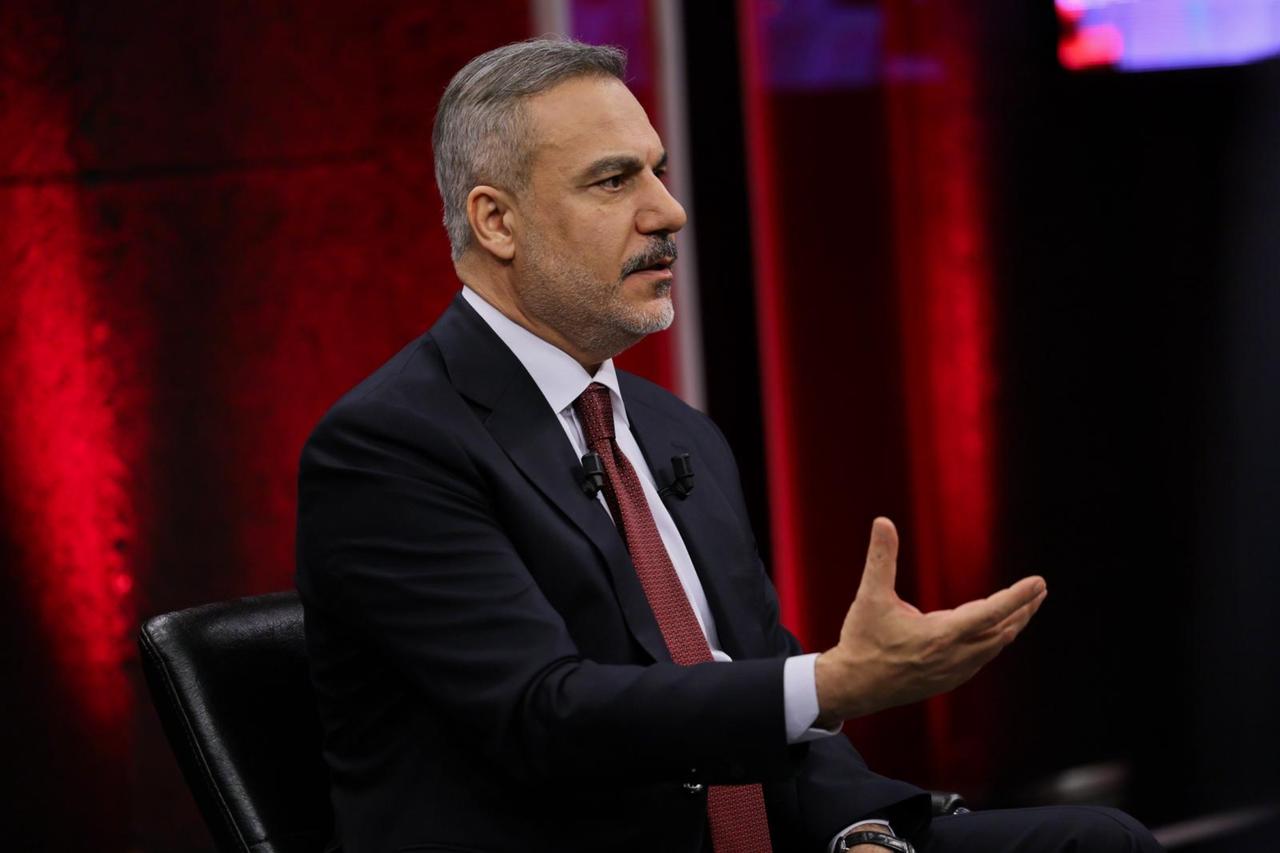
He also pointed to the continuing military posture in the region as evidence that the situation remains volatile.
"We need to look at the U.S. Navy, the deployments in the region, the increasingly frequent meetings between Israeli and American military officials," he said.
"We need to look at the British F-35s that came to Cyprus. These, as you know, had previously played an important role in Israel's air defense. When you consider all this, as I said, it's too early to say the problem is solved. Both sides still have their fingers on the trigger," Uygur added.
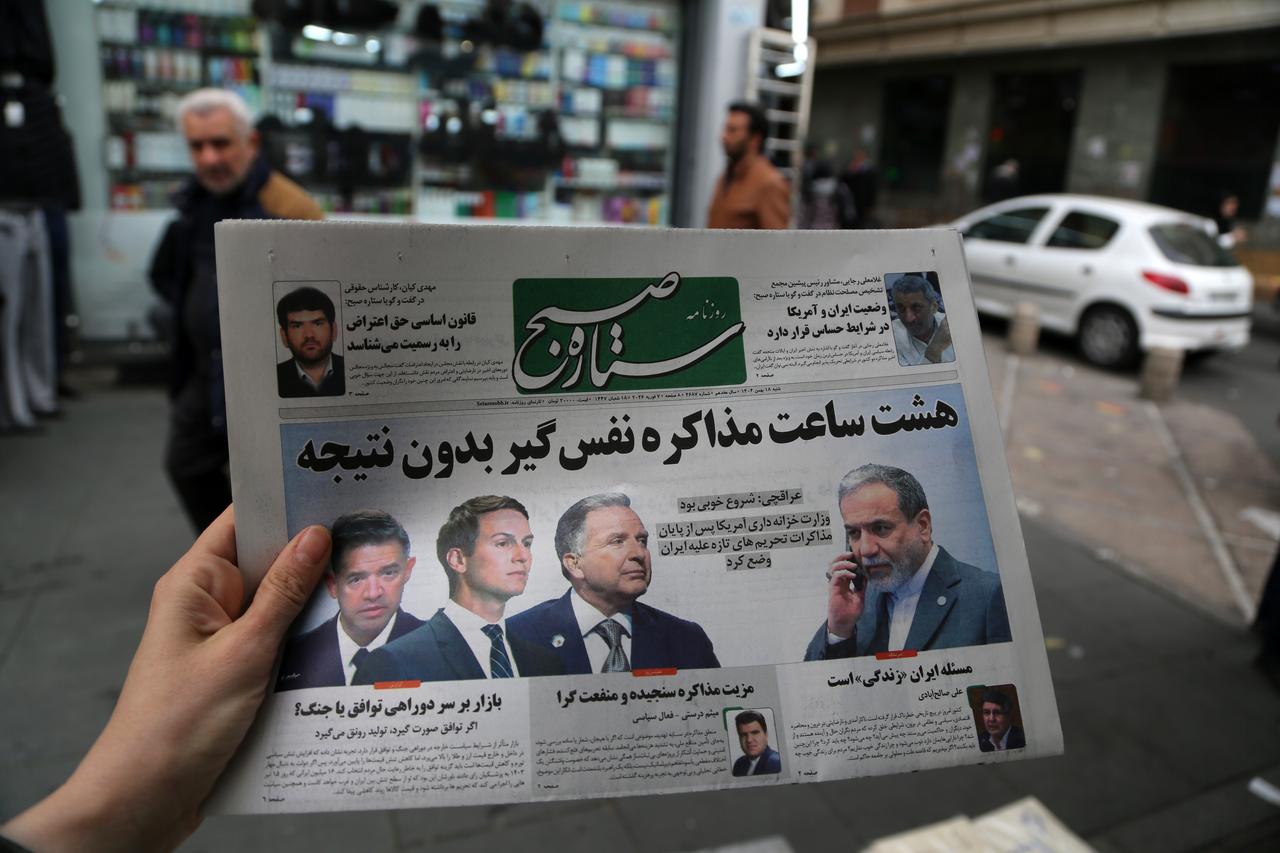
Meanwhile, a senior Iranian Revolutionary Guards official revealed that the United States presented four conditions to Iran before the Oman talks and threatened to attack if they were not accepted.
Aziz Ghazanfari, Acting Deputy Commander for Political Affairs of the Revolutionary Guards, said in the Guards' "Sobh-e Sadiq" magazine that "Iran did not surrender to these threats and psychological warfare."
He recalled that the U.S. wanted to negotiate on ballistic missiles, support for regional proxy groups, enriched uranium and the nuclear issue, but emphasized that Iran's defense capabilities cannot be subject to negotiation and that military preparations continue despite the talks.
Ghazanfari claimed the general framework of the Oman talks was shaped according to Iran's position, not the conditions put forward by the U.S., noting the discussions focused solely on nuclear matters.
High-resolution satellite images revealed that tunnel entrances at Iran's Isfahan nuclear facility have been covered with earth, according to a report by the Institute for Science and International Security.
The images showed tunnel entrances largely buried, with entrances in the central and southern parts of the facility completely underground and unrecognizable.
A northern entrance with additional passive defense measures was also filled with earth.
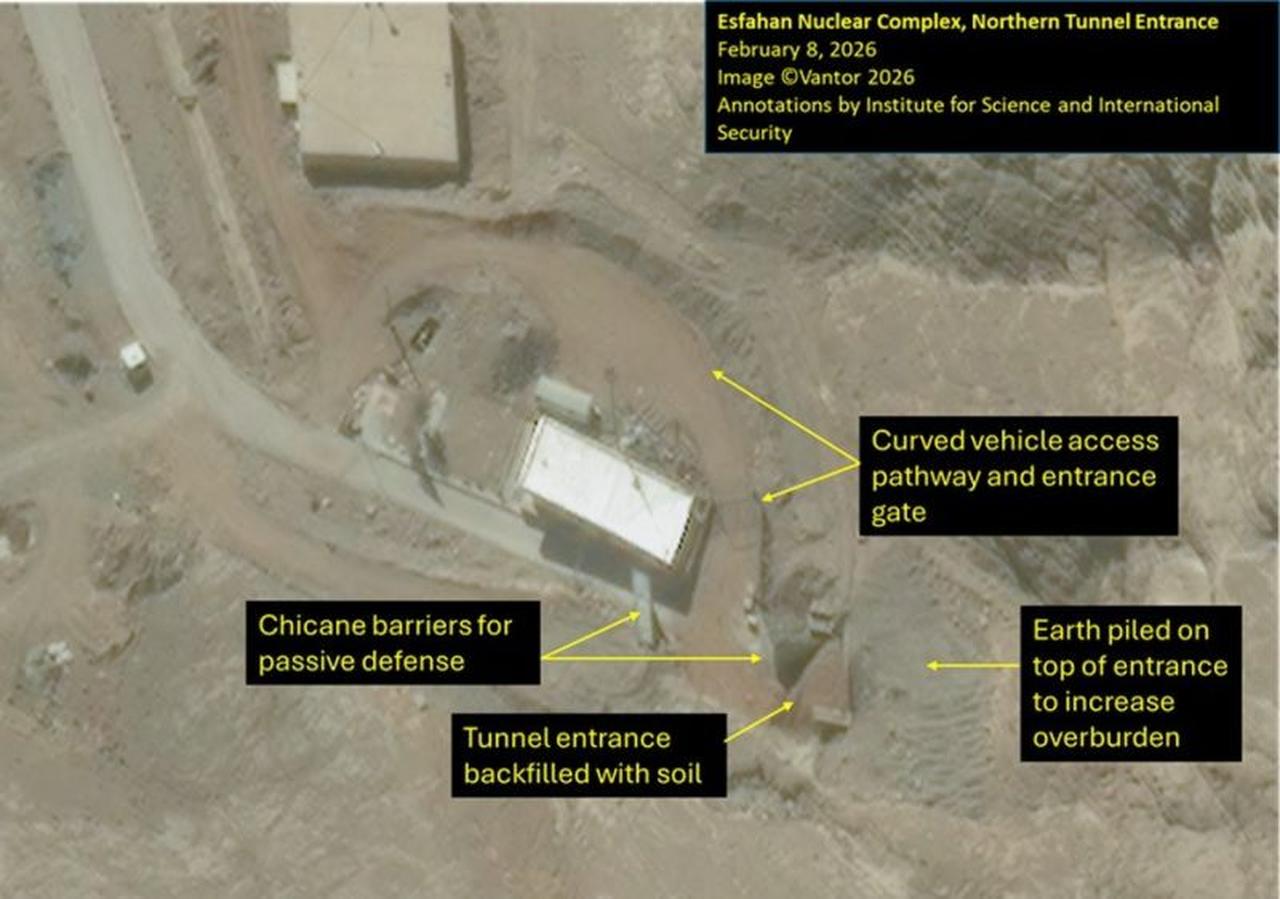
The report assessed these steps as precautionary measures against possible U.S. or Israeli airstrikes or special forces operations.
Similar preparations were observed before the "Midnight Hammer Operation" targeting facilities at Fordow, Natanz and Isfahan.
In that June 2025 operation, the U.S. used bunker-buster bombs exclusively available to American forces to strike three Iranian nuclear sites.


 Set as preferred source
 Set as preferred source


 1 min read