Newsletters




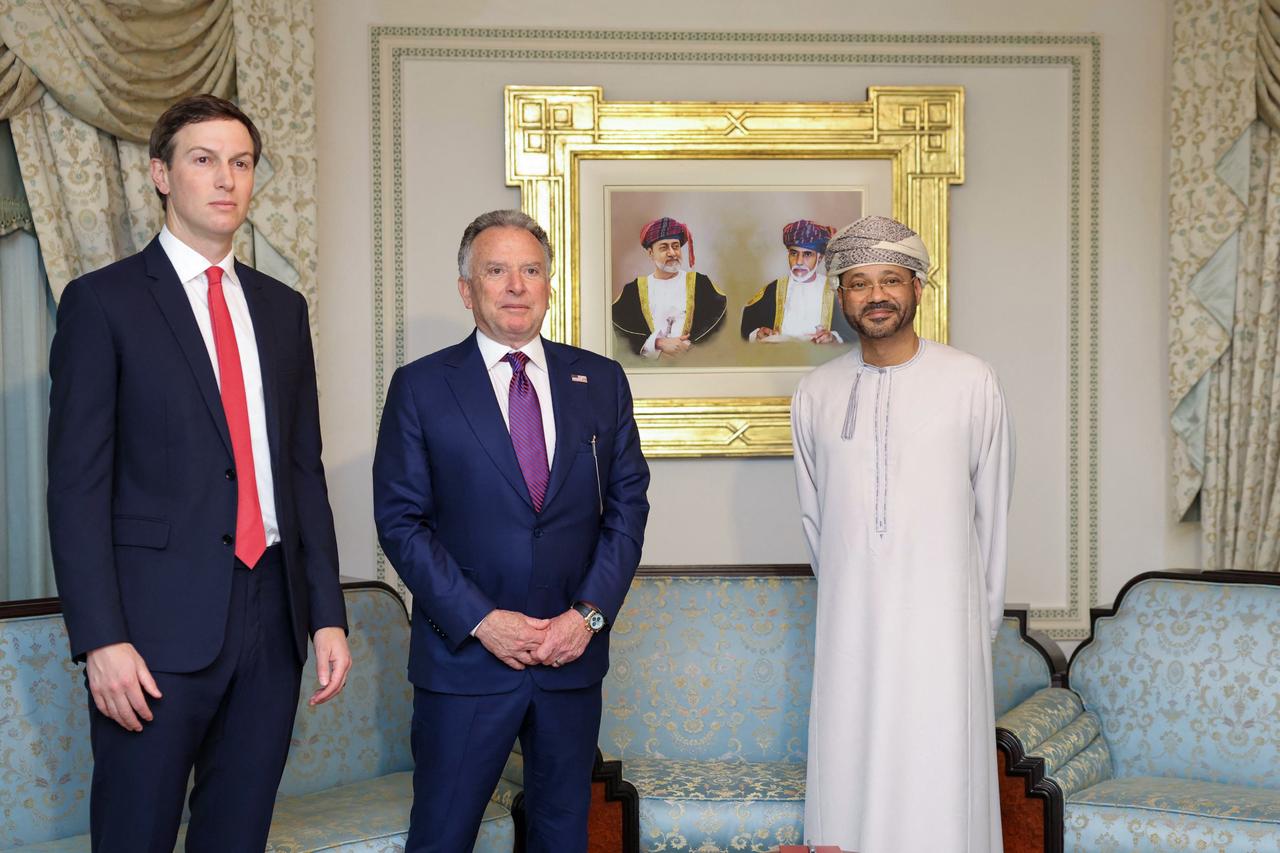
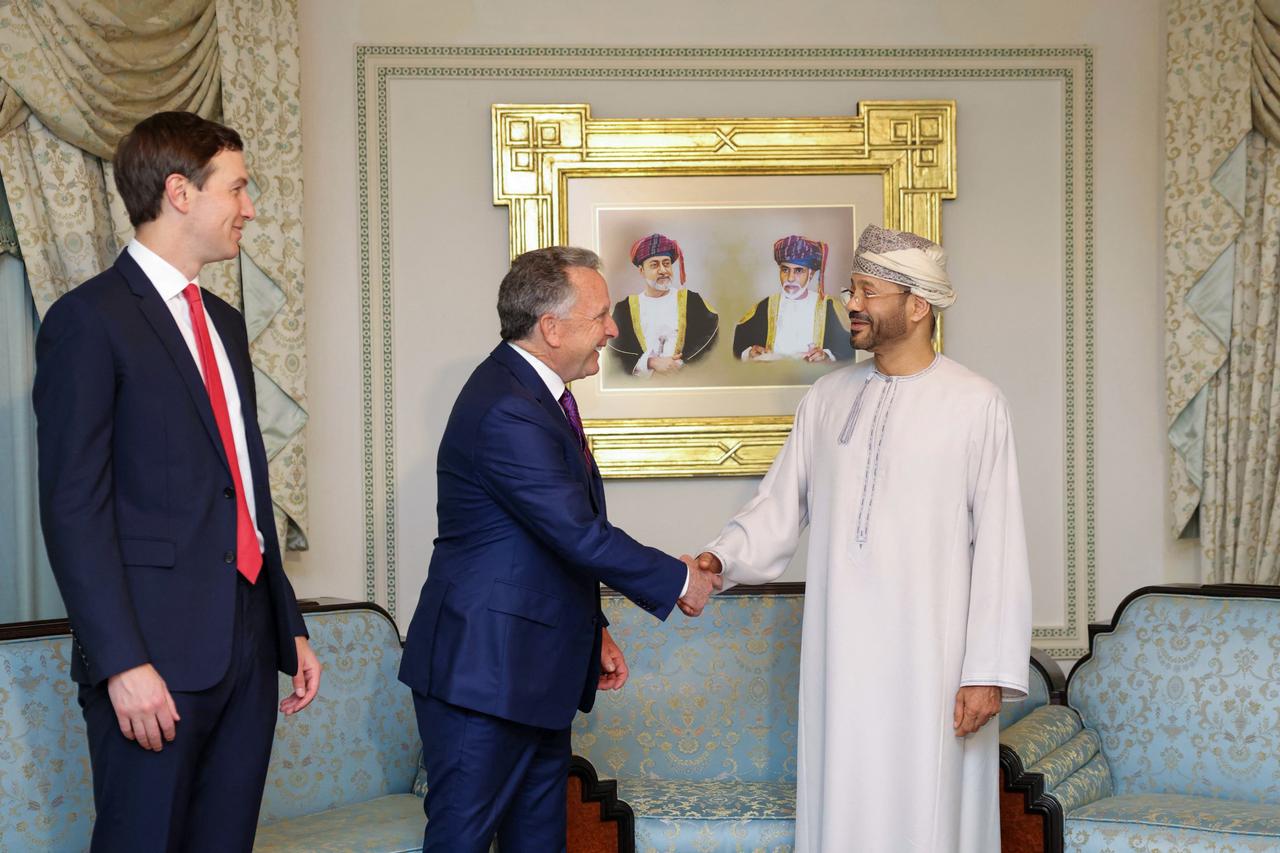
Diplomatic contacts between the U.S. and Iran are resuming in Oman amid rising military activity in the Eastern Mediterranean, as regional actors signal sharply divergent expectations from the talks. Turkish columnist Hande Firat of Hurriyet raises questions about whether the process aims for a settlement or simply managing controlled tension.
Washington has said the talks will continue, while Tehran has stressed that its “red lines are clear.”
Israel, meanwhile, has argued that the process will remain incomplete unless its scope is expanded, as Prime Minister Benjamin Netanyahu prepares for a visit to the United States.
The U.S.-Iran contact in Muscat is described as a technical restart of diplomacy but a strategic test of trust. Iran has said it wants discussions limited to its nuclear program, while the U.S. is seeking to broaden the agenda.
Israel has said any talks must also address Iran’s ballistic missile capabilities and its regional network of allied militias. Unless the gap between these positions narrows, a comprehensive agreement is seen as difficult.
If the scope of talks expands, Iran could walk away from the table. If it remains narrow, Israel could step in, increasing pressure. The balance between these outcomes is described as fragile.
Israel’s position is that even if Iran’s nuclear capacity is limited, the continuation of missile infrastructure and proxy forces would sustain the threat. For this reason, Israeli officials have said the military option should remain on the table while diplomacy continues.
The U.S. approach is described as dual-track, keeping diplomatic channels open while maintaining active deterrence. U.S. military presence in the region has increased, with messaging aimed at both Iran and Israel that the process remains under Washington’s control.
The U.S. has signaled it does not want to initiate a war but also does not want to appear unprepared.
Ankara has maintained two core positions: opposition to external intervention against Iran and support for resolving the nuclear issue through diplomacy.
President Recep Tayyip Erdogan has recently emphasized regional stability. Türkiye previously proposed an Istanbul format, while Oman has emerged as the current venue.
Türkiye remains one of the few actors able to maintain dialogue with both Washington and Tehran, a role described as advantageous but sensitive.
The current phase is described as a process of tension management rather than a path to agreement. Diplomacy is continuing alongside military preparedness, with no side seeking to appear as making concessions.
Three possible paths are outlined: continued controlled diplomacy with a narrow scope; a crisis triggered by expanding the agenda to missiles and proxy forces; or a broader regional framework involving Türkiye, Qatar and Gulf states.

As diplomacy unfolds, U.S. President Donald Trump is also facing renewed political scrutiny linked to the reopening of documents related to Jeffrey Epstein.
Trump and Epstein were known to have moved in similar social circles in the 1990s. Court documents have not directly accused Trump of involvement in Epstein’s crimes, though the association is viewed as politically sensitive.
While the Epstein documents do not currently pose a direct legal threat, they are seen as affecting public perception and ethical legitimacy, particularly among independent voters.
Within the Republican Party, core supporters tend to dismiss the issue, while institutional figures remain concerned about broader political fallout.


 Set as preferred source
 Set as preferred source


 2 min read
 1 min read