Newsletters


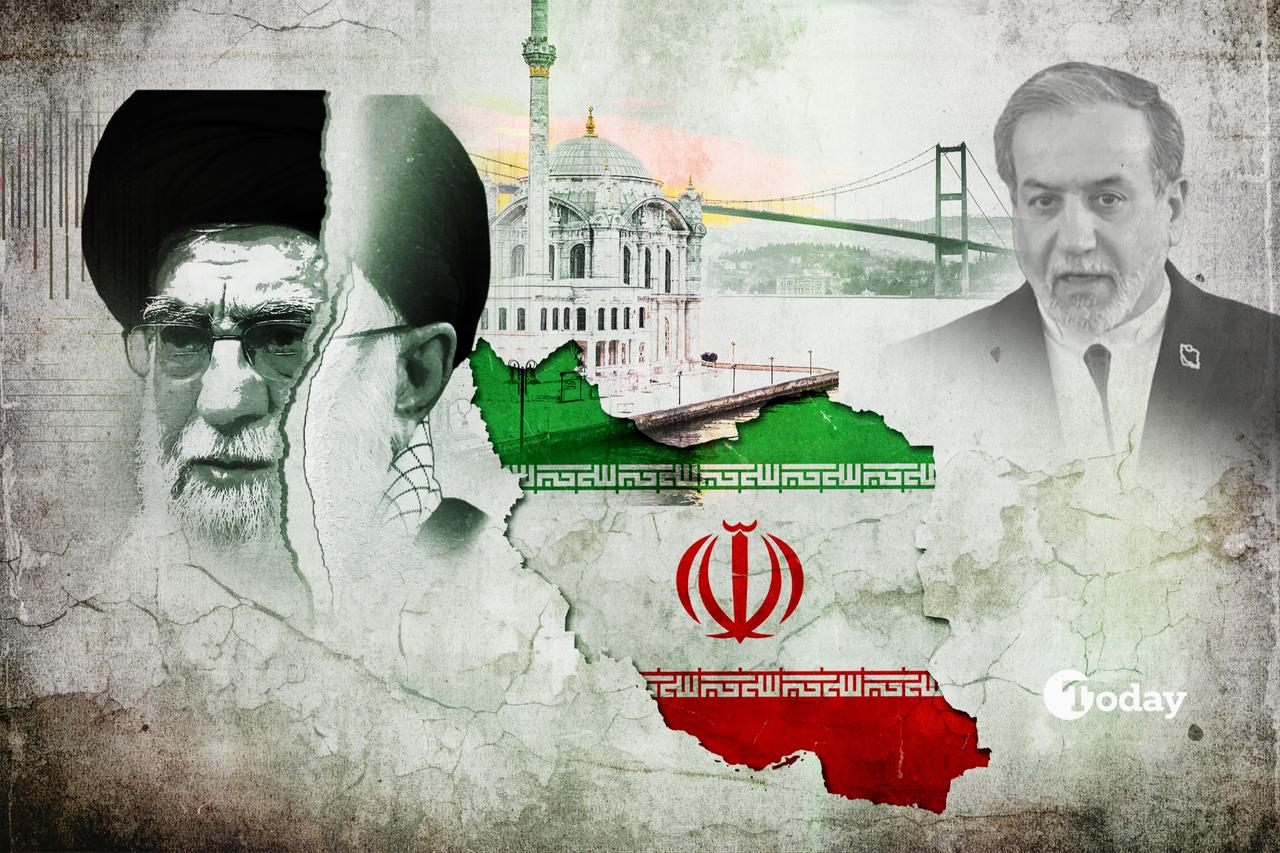


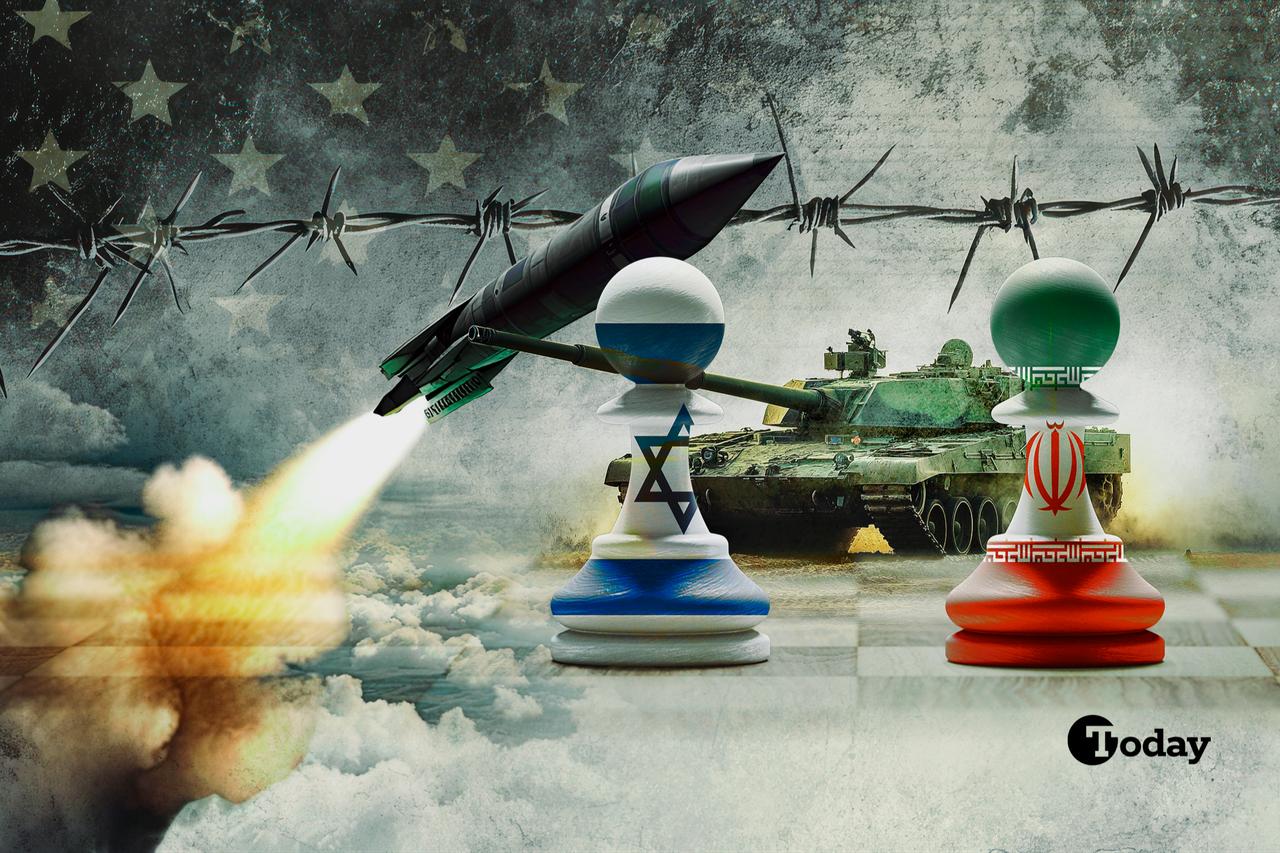
Decadeslong tensions between Iran and the United States are edging closer to a broader military confrontation, as Tehran finds itself increasingly cornered in the Middle East, Israel sharpens its focus on Iran’s ballistic missile capabilities, and President Donald Trump’s unpredictability looms over U.S. policy.
In recent days, one of the most debated questions surrounding Iran–U.S. contacts has been why the talks are being conducted through Oman. The diplomatic traffic visible to the public suggests that this choice is far more than a technical decision about venue. While the “Istanbul option” was openly discussed and Türkiye was making serious diplomatic efforts to prevent a direct U.S.–Iran confrontation, it has now become clear that, behind the scenes, Istanbul was never a genuine possibility for Iran. In other words, Tehran never wanted Istanbul from the outset.
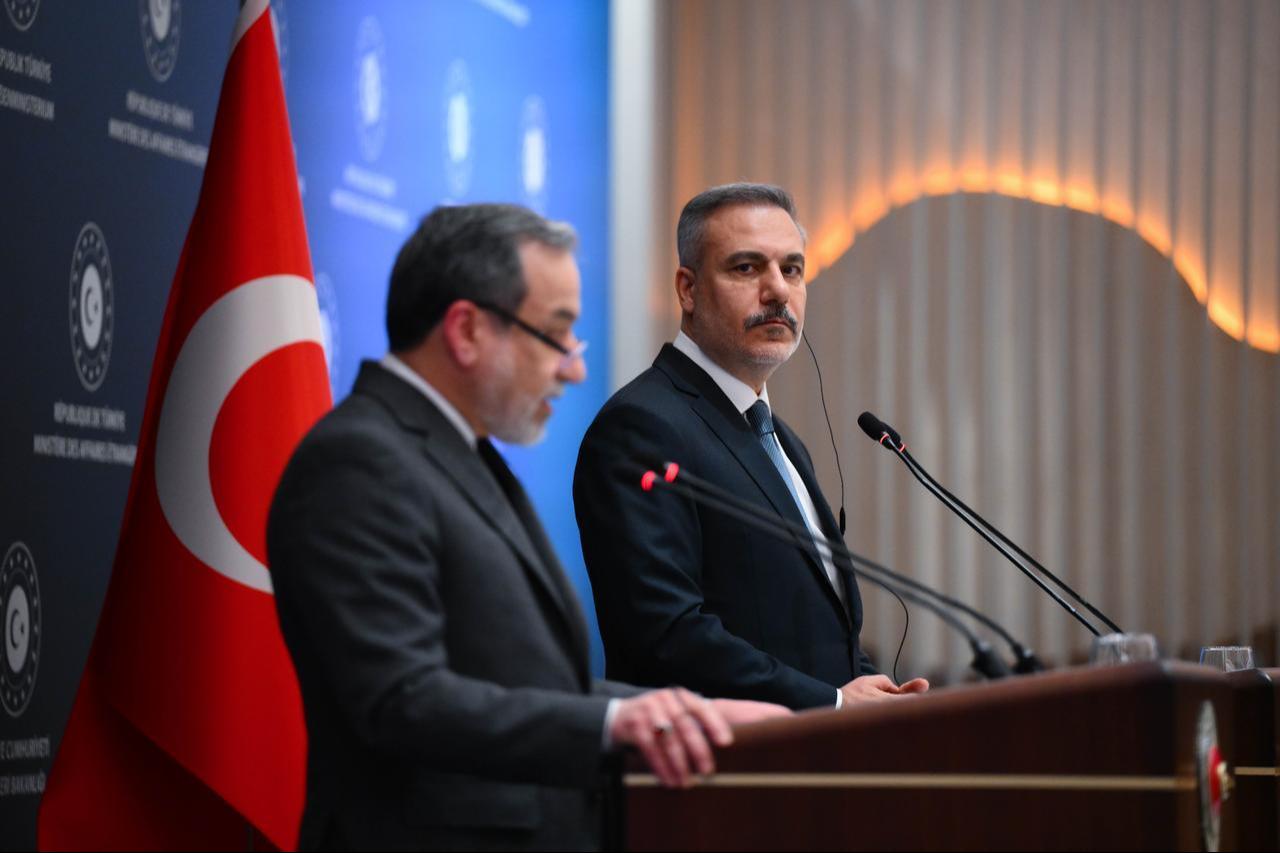
The first signals of this position emerged during Iranian Foreign Minister Abbas Araghchi’s visit to Türkiye. Although no explicit rejection was voiced, for those familiar with diplomatic language, the message was unmistakable: Iran did not consider Istanbul an appropriate venue for a critical meeting with the United States. At the time, some circles in Ankara interpreted this stance as a “temporary reservation.” However, developments since then have made it clear that this was not a tactical delay, but a strategic and permanent choice.
Iran’s reasoning rests on several key considerations. First, despite fluctuations in Türkiye’s relations with the West in recent years, Ankara remains a NATO member and continues to maintain institutional ties with Washington. From Tehran’s perspective, Istanbul is therefore a platform that must be approached with caution, both symbolically and psychologically. Iran views the conduct of a high-stakes negotiation with the United States on the territory of a country embedded in the Western security architecture as inherently risky. This risk is not limited to intelligence or security concerns; it also extends to the optics and perception of the negotiations themselves.
A second factor is Türkiye’s increasingly active, visible, and assertive role in regional affairs. From Syria to the Caucasus, from the Black Sea to the Gulf, Ankara’s influence has expanded considerably. Iran does not want its negotiations with the United States to be shaped, framed, or indirectly influenced through Türkiye. What Tehran seeks is not an intermediary that might steer the process, but a “silent host”—a venue that facilitates contact without imprinting its own political weight on the talks. In this context, Oman naturally stands out.
Oman’s role in both covert and overt contacts between Washington and Tehran is hardly new. For years, Muscat has positioned itself as a trusted channel for both sides, opening lines of communication while refraining from intervening in the substance of the dossier. From Iran’s perspective, Oman is neither part of regional rivalries nor an actor seeking to impose its own agenda at the negotiating table. The United States, too, views Oman as a reliable and discreet partner. It is therefore no surprise that when communication with Washington was revived, Tehran openly pointed to Oman as the preferred option.

When the Istanbul option first gained traction, I pressed sources at the heart of the negotiation. The response I received was clear yet deliberately vague: “The location has not been finalized.” In retrospect, it is evident that this phrase was a veil of diplomatic courtesy. The uncertainty surrounding the venue effectively meant that Istanbul had already been taken off the table.
A key detail that completed this picture emerged last week. Just before boarding his plane, Foreign Minister Hakan Fidan made a brief but telling statement: “The exact location of the meeting has not yet been finalized. What matters to us is that the peace table is set. We are ready to contribute wherever the diplomatic table is established.” This remark signaled that Türkiye did not want to be excluded from the process, yet had also accepted that it would not be at its center. Indeed, only a few hours later, Araghchi announced that the talks would begin in Oman.
Iran did not want Türkiye to take center stage in this dossier. At the same time, Tehran was well aware that it could not afford to exclude Ankara entirely. As a result, it sought a formula that would allow it to feel secure while avoiding the complete marginalization of Türkiye. Oman, with its tested diplomatic track record, offered precisely such a balance.
Today, Tehran knows it must calculate every step with extreme caution. The case of Venezuela has clearly demonstrated that China and Russia are not always able—or willing—to protect their allies when pressure intensifies. For this reason, Iranian officials remain highly cautious, even as negotiations get underway. Turkish officials I have spoken with suggest that a compromise may be possible within a framework of delay and managed de-escalation, but that the solution sought by Washington remains distant. The core reason is that the United States aims to significantly curtail Iran’s defensive and deterrence capabilities.
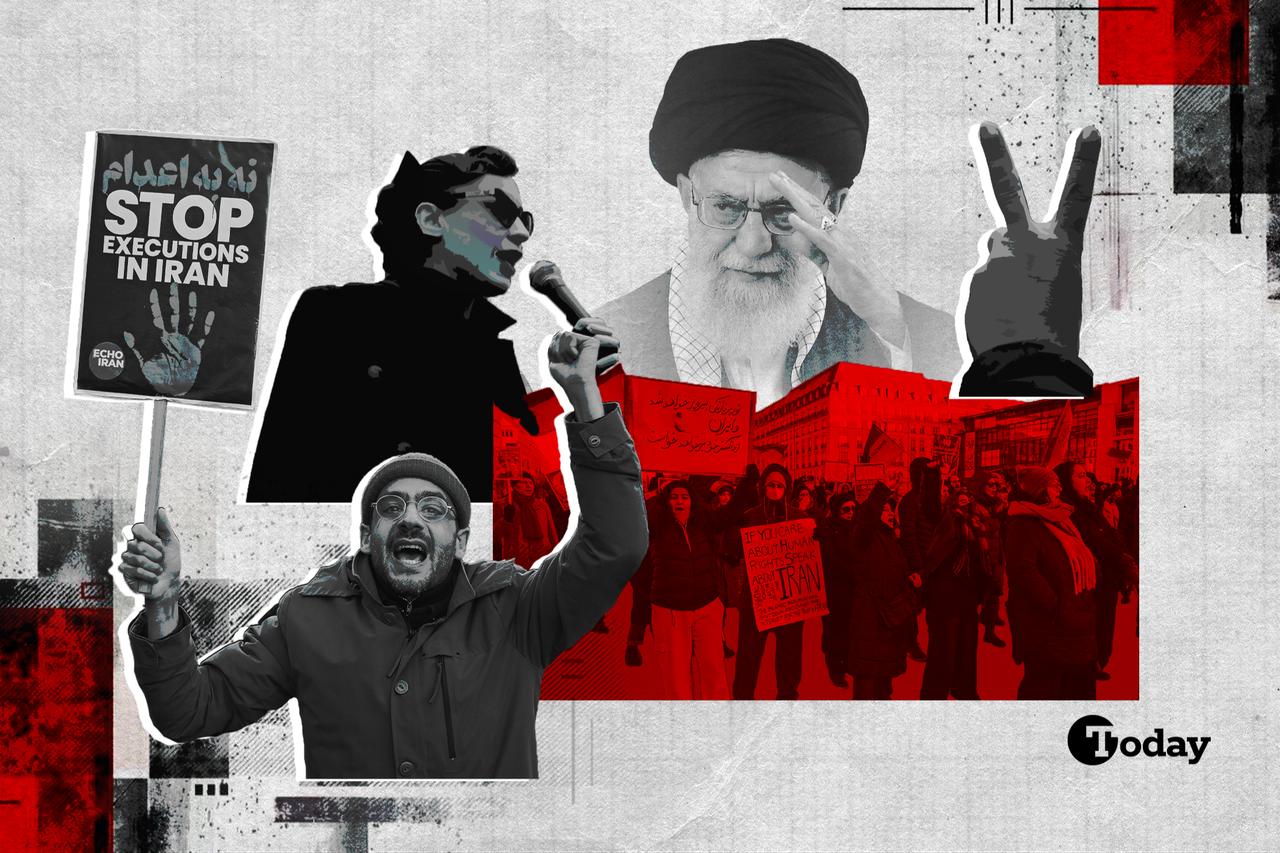
At this point, internal political divisions within Iran become a decisive factor. The faction close to the Supreme Leader, often described as “radical,” views compliance with US demands as a direct loss of sovereignty. From this perspective, any retreat would represent not merely a military concession, but an ideological surrender. Consequently, the negotiations are not only a matter of foreign policy; they are also deeply intertwined with the regime’s internal power balance.
It is precisely at this stage that Türkiye and Saudi Arabia enter the equation. Iran no longer possesses the extensive proxy network it once used as leverage in negotiations. While ballistic missiles remain a key deterrent, the collapse of Iran’s western defenses during the 12-Day War exposed just how vulnerable the country is, particularly in terms of air defense. This vulnerability is now widely acknowledged. If Iran were to face a maximalist U.S. pressure campaign, the positions taken by Ankara and Riyadh in a potential conflict could significantly shape the extent of the damage Tehran might suffer.
For these reasons, Oman is not merely a negotiation venue for Iran; it is the product of a multilayered calculation involving security, perception, and regional balance. The exclusion of Istanbul should not be read as a rejection of Türkiye, but rather as a reflection of Iran’s own vulnerabilities and strategic priorities. The table set in Oman today is, in many ways, a microcosm of the region’s shifting power balances, deep mistrust, and unavoidable search for controlled compromise.


 Set as preferred source
 Set as preferred source


 1 min read
 1 min read