Newsletters


The U.S. and Israeli militaries have drawn up plans for renewed strikes on Iran after the Nov. 3 U.S. midterm elections, The New York Times (NYT) reported, as Israeli Prime Minister Benjamin Netanyahu said he had directed Israel’s security agencies to work toward overthrowing Iran’s government.
Potential targets include Iran’s nuclear facilities, missile and drone arsenal and energy infrastructure, possibly including the deeply buried Pickaxe Mountain site, the Times reported, citing U.S. officials and others briefed on the plans.
It added that it is far from certain U.S. President Donald Trump will approve the strikes, after he repeatedly called off planned attacks this year.
A renewed U.S.-Israeli campaign risks reigniting the eight-month war, with Iran vowing to hit Gulf energy sites, data centers and undersea cables, days after Washington and Tehran’s indirect talks stalled.
U.S. and Israeli forces have stepped up exercises, including flights over Iraq to practice strike maneuvers, and U.S. Defense Secretary Pete Hegseth discussed new strikes with Netanyahu in Israel this week, the Times reported.
Some U.S. planners believe a three-day campaign could cause enough economic damage to change Iran’s position, and the U.S. buildup, including three aircraft carriers, would be complete by early November.
A White House official said the administration does not comment on military plans "that may or may not exist," adding Trump is keeping all options on the table to ensure Iran cannot acquire nuclear weapons.
Netanyahu instructed the Israeli military earlier this month to prepare a multi-day offensive on Iranian nuclear facilities, government-linked sites, and infrastructure, including power plants, initially planned for Oct. 10, but it was called off after Trump opposed resuming the war before the midterms, the Financial Times (FT) reported.
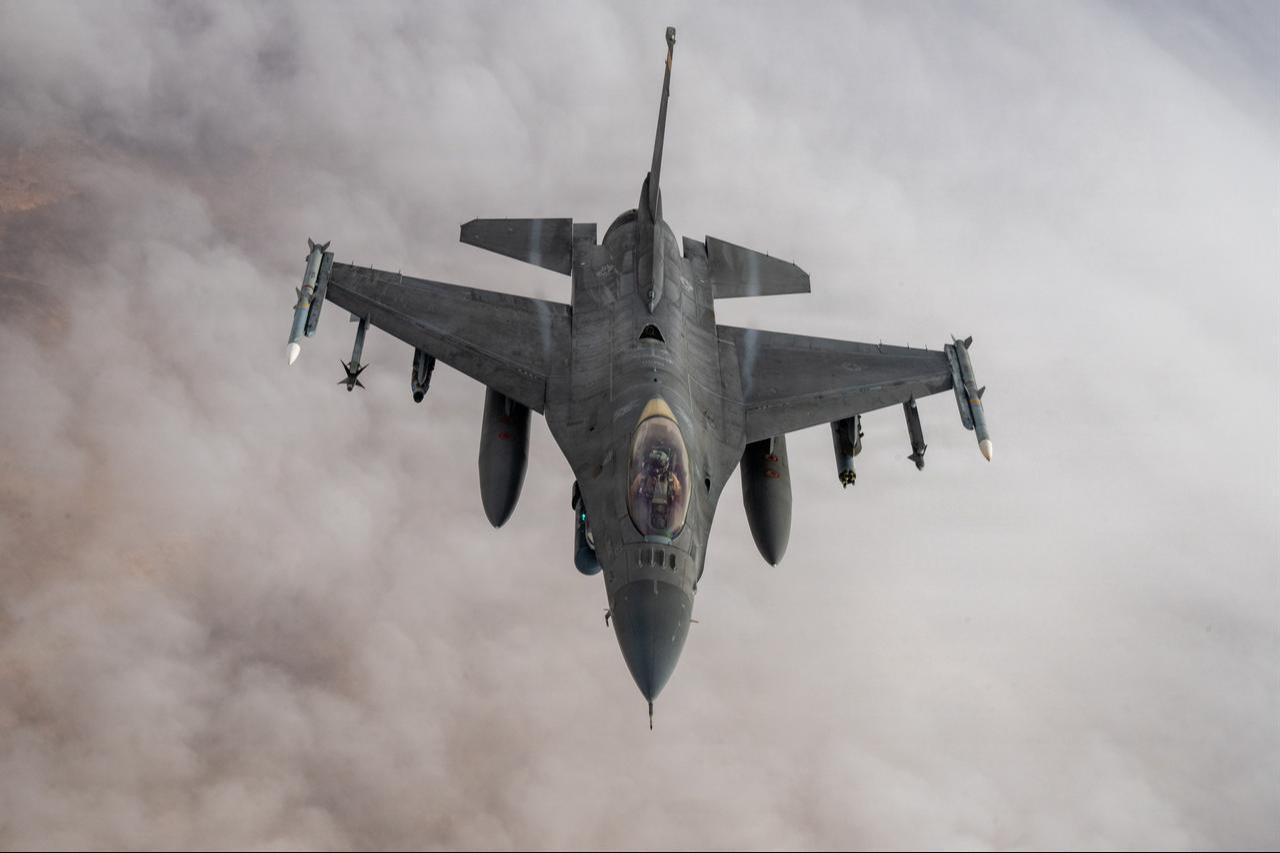

"He has taken the safety off, and Iran is once again trying to develop its bombs of death," Netanyahu said at a military graduation ceremony Wednesday, referring to Iran’s supreme leader, Mojtaba Khamenei.
"Therefore, there is only one way to eliminate this threat once and for all: to overthrow the regime in Iran. And that is the directive I have given to the IDF, the Mossad and the security agencies," he said.
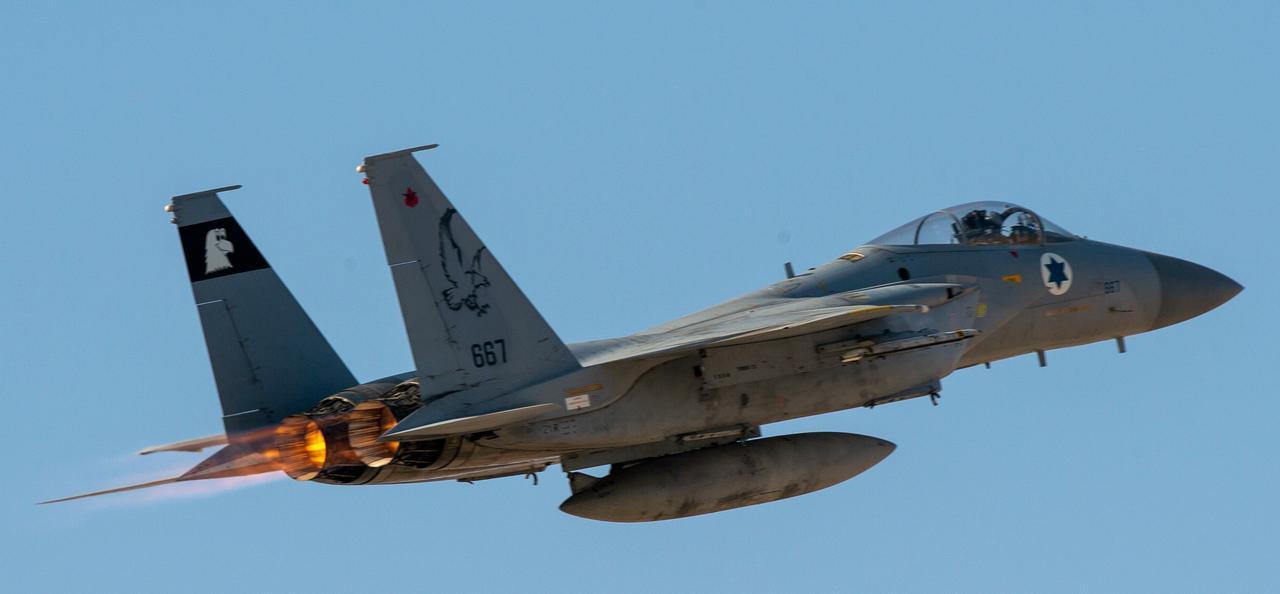
Dozens of Israeli fighter jets and refueling aircraft flew over Syria and Iraq to near the Iranian border overnight Monday before turning back, U.S. sources told Israel's Channel 12 and Axios.
Israel notified Washington in advance and described the sortie as a "power projection" exercise to deter Iran, but some U.S. sources said they had the impression Israel hoped Iran would fire on the aircraft, justifying strikes.
Israeli military chief Lt. Gen. Eyal Zamir will not allow any unjustified military activity that could undermine the Oct. 27 Israeli election, an Israeli official told Axios.
"Our attacks will be more fierce, creative and different," said Mahdi Mohammadi, an adviser to Iran’s chief negotiator, Mohammad Bagher Ghalibaf, calling the idea of a 72-hour U.S. campaign a "fantasy."
"We are determined and confident, and strong planning has been put in place," he said.
"The war has made us understand that the best leverage for pressuring Trump is increasing oil and energy prices because it will hurt the American people," said Tehran analyst Peiman Salehi, who spoke to NYT.
"At this point in the war, what is clear is that the conventional military campaign waged to date, and the current punishing economic sanctions and American naval blockade, have not brought the regime back to the negotiating table in a meaningful way," said Dana Stroul of the Washington Institute for Near East Policy, who spoke to NYT.
"If Iran attacks, that’s one thing, but initiating an offensive strike would be extremely difficult for him," Israeli political commentator Mazal Mualem said of Netanyahu, who faces a tight election.


 Set as preferred source
 Set as preferred source



 8 min read