Newsletters


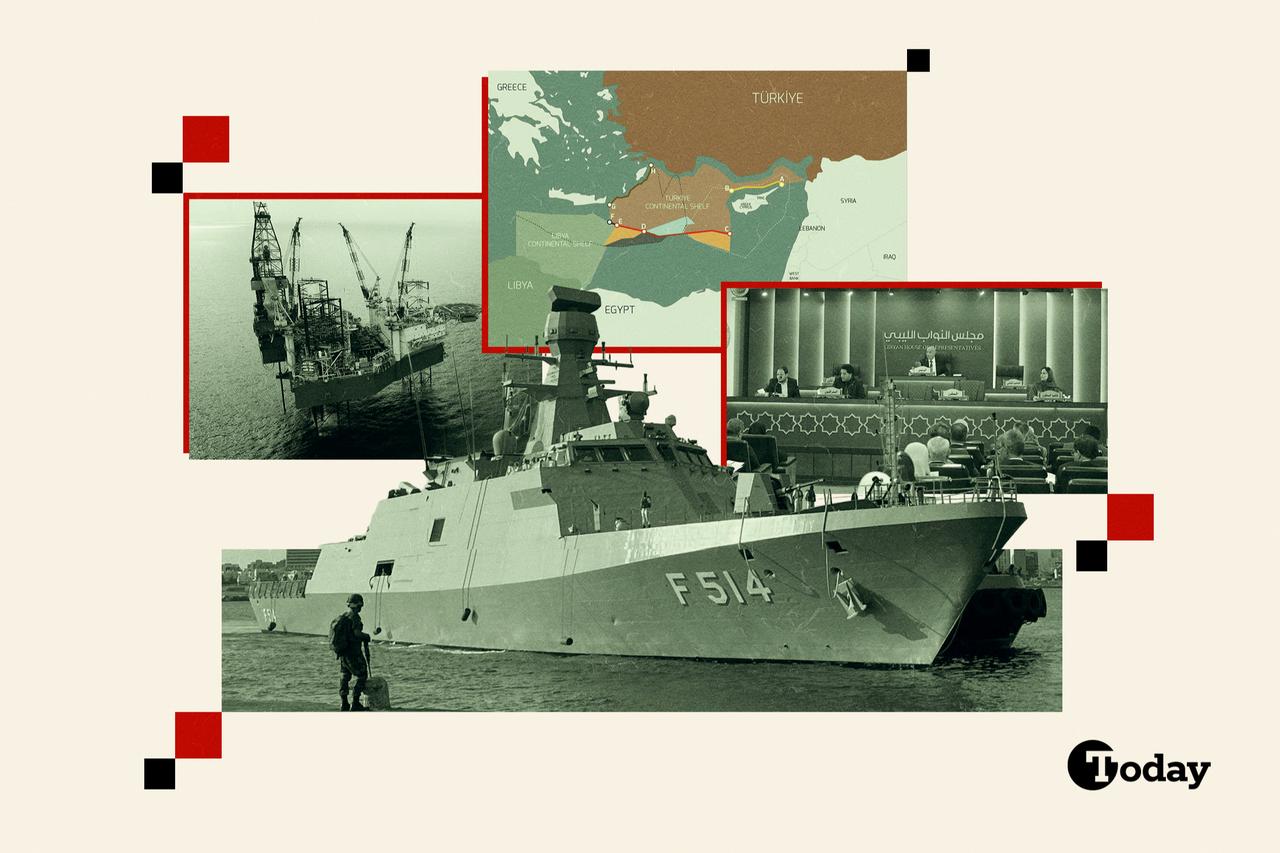


Seven years ago, Ankara and the U.N.-recognized Government of National Accord (GNA) in Tripoli signed a maritime delimitation agreement while fighting on the same side of the Libyan civil war.
On Tuesday, the Tobruk-based House of Representatives unanimously approved it and repealed the earlier decisions rejecting the accords with Türkiye and severing political ties.
The reversal of their earlier decision says a lot about Ankara’s ability to turn military involvement into lasting political capital and about the limits of treating Libya’s divisions as permanent.
For Türkiye, the vote strengthens support for an agreement central to its Eastern Mediterranean policy, part of what is also known as the “Blue Homeland” doctrine.
For Greece, it weakens a strategy that relied on support from eastern Libya to obstruct implementation of the MoU against its perceived interests. The consequences of this significant development extend beyond lines on the map.
Offshore energy exploration, electricity connections, defense cooperation, and Libya’s political settlement now intersect more closely with Türkiye’s growing and well-coordinated relationships across the country’s political spectrum.

After the maritime MoU was signed in 2019, alongside a separate security agreement with the GNA, Turkish military support helped repel Khalifa Haftar’s offensive in 2020.
Haftar’s rejection of the agreements with Ankara, partly due to external pressures, made the maritime boundary another fault line in Libya’s multiparty conflict.
Greek political figures also challenged the agreement’s validity from the outset, arguing that it lacked the parliamentary approval required under Libya’s domestic law.
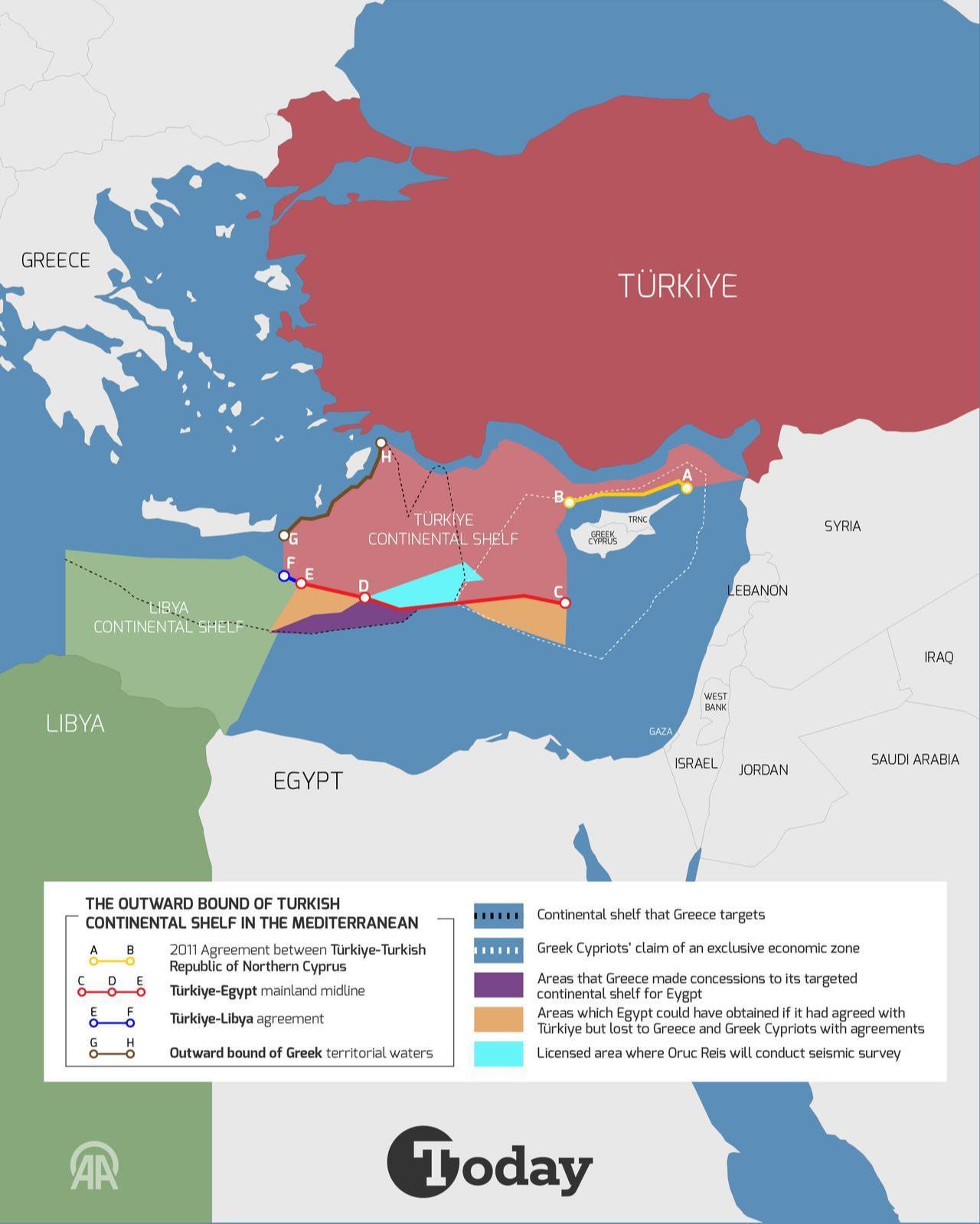
Türkiye was determined not to give up. It submitted the maritime delimitation agreement to the U.N. on March 18, 2020, along with a map setting out the limits of its continental shelf in the Eastern Mediterranean.
GNA also deposited the maritime MoU with the U.N. in 2019, and the U.N. Secretary-General Antonio Guterres officially registered the deal on Oct. 1, 2020. The two parties then developed energy cooperation via a hydrocarbon exploration MoU in 2022.
On June 25, 2025, Libya’s National Oil Corporation and Turkish Petroleum (TPAO) signed a memorandum covering research in four offshore areas, including discussions of a 10,000-kilometer seismic survey. First, maritime delimitation established the agreed boundaries. Then commercial and operational arrangements cemented the deal in practical terms.
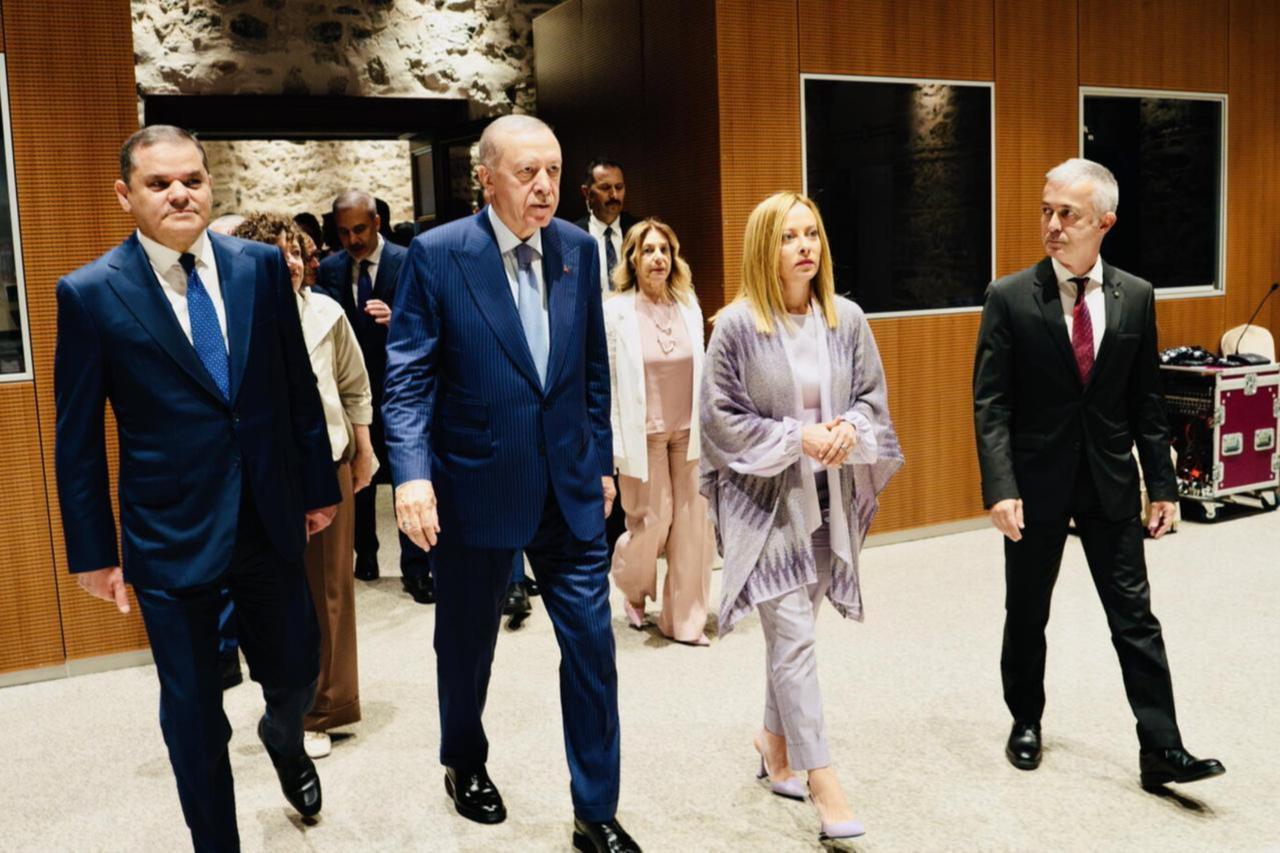
Over the past few years, Ankara widened its contacts beyond Tripoli. The reopening of its Benghazi consulate, renewed flights, and engagement with the political-military circles around Haftar gradually filled the moat between former adversaries.
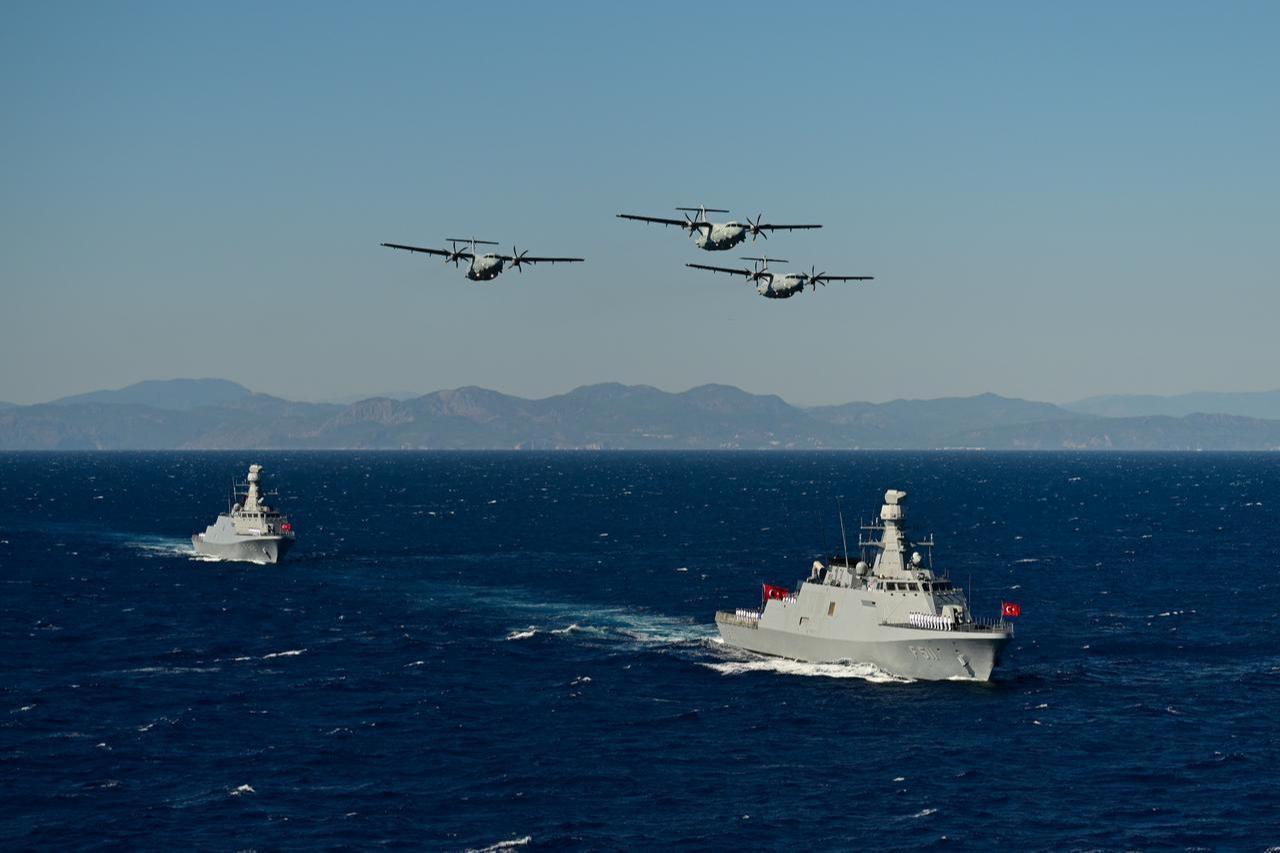
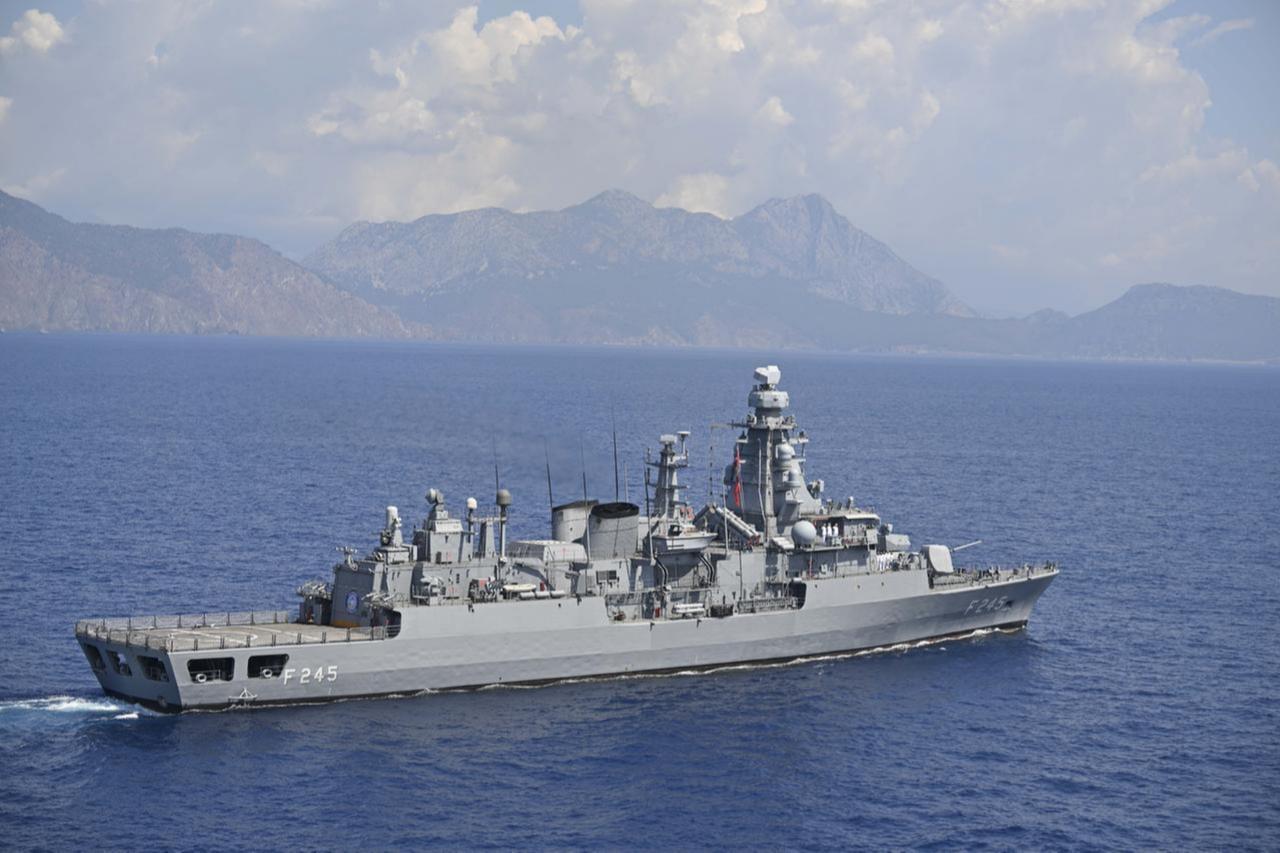
The Turkish corvette TCG Kınaliada’s landmark port call to Benghazi in August 2025, alongside intelligence chief Ibrahim Kalin’s official visit to Haftar, gave that shift a visible defense and security dimension.
The “One Libya, One Army” slogan, emphasized during talks in Benghazi, encapsulated Ankara’s new message. Rather than backing one camp, Türkiye sought to position itself as a mediator and partner to all Libyan factions.
For Benghazi, cooperation with Türkiye offered access to a burgeoning defense industry and lucrative business ties with resources tied to reconstruction and military modernization.
For Türkiye, the engagement helped reduce the risk of a stalemate concerning implementation of the MoU due to the country’s division. This “live and let live”-type pragmatic strategy also complemented Ankara’s rapprochement with Egypt and the UAE, both of which are influential partners and backers of Haftar’s leadership.
The breakthrough in ratification of the maritime MoU came on October 6, when lawmakers in Benghazi replaced longtime speaker Aguila Saleh with Al-Salhin Abdelnabi.
As opposed to Saleh, who had maintained close contacts with Athens and Cairo, his successor had chaired the parliamentary friendship committee with Türkiye. On Oct. 20, Libya’s House of Representatives ratified the MoU, removing a major legal roadblock to Türkiye’s maritime claims and offshore activities, but raising anxieties in Athens.
The vote in the House of Representatives weakens a longstanding objection in Europe, primarily that the maritime MoU lacked parliamentary approval in Libya, hence its legal validity. It broadens domestic backing and makes future repudiation politically much harder.
Both Libyan factions have stronger incentives to maintain it, as aligning with Greece’s median-line proposal to delimit borders with Crete would have meant forfeiting 16,700 square kilometers of potentially resource-rich exclusive economic zone (EEZ).
No administration in Libya is likely to relinquish such strategic access without receiving a commensurate return. With a renewed commitment to defending its maritime interests, the parliamentary endorsement strengthens Ankara’s argument without the burden of adjudicating competing claims with Greece, at least in the near term.
However, Greece’s immediate rejection of the deal via the foreign ministry’s statement confirms that the substantive dispute over maritime jurisdictions remains.
Athens argues that the agreement disregards large Greek islands like Crete and Rhodes along with their respective maritime entitlements. Ankara maintains that delimitation must reflect equity and prevent islands from disproportionately cutting off the Turkish mainland.
At the core of the dispute is the question of whether Greek islands should receive any effect in delimiting overlapping maritime zones, particularly where their maritime projections compete with those of the Turkish mainland.
Despite Libya’s ratification, the overlapping Greece–Egypt agreement signed in 2020 remains a competing claim. Türkiye’s absence from the United Nations Convention on the Law of the Sea (UNCLOS) also means its compulsory dispute procedures cannot simply be invoked against Ankara without its initial consent.
Libya’s endorsement could reinforce support in Türkiye for domestic legislation defining maritime jurisdictions, also known as the “Blue Homeland” bill. If enacted in law, the bill would empower the president to formalize an EEZ and clarify institutional responsibilities in Türkiye’s maritime jurisdictions.
Prepared by Ankara University’s Center for Maritime Law (DEHUKAM), it reflects longstanding calls to give the Blue Homeland doctrine a statutory basis. The initiative combines Ankara’s effort to codify its interpretation of maritime law with domestic demand for a firmer maritime posture and greater economic benefits from the surrounding seas.
Its passage would also allow the government to demonstrate its determination to protect access to offshore energy deposits, fisheries, and seabed resources.
The practical test for the Türkiye-Libya maritime MoU will come when governments act on their maps. Mostly American, European, and Gulf-based companies hold significant weight in the exploration, development, and operation of energy resources in the Eastern Mediterranean, as well as in connecting these resources to international markets.
Greece’s energy exploration with Chevron around Crete could encounter stronger diplomatic reaction or even naval deployments, especially if at some point it extends beyond the 28° East Longitude.
Libya has formally protested Greek-authorized offshore exploration and seismic surveys south of Crete, warning that these activities could lead to the suspension of bilateral talks.
Many in Greece hope that endorsement from the EU and political backing from Washington may encourage private investment, but companies still need confidence that operations in disputed zones can proceed safely and remain commercially viable.
Egypt faces a particularly delicate calculation in that its chief eastern Libyan partner, Haftar, now backs an agreement Cairo has opposed, while improved relations with Ankara since 2023 create reasons to avoid renewed confrontation.
Egypt’s ultimate positioning will help determine whether the ratification produces another multilateral dispute or encourages discussions about reconciling overlapping claims in the Eastern Mediterranean.
Neither Cairo’s strong ties with Athens nor its rapprochement with Türkiye settles this choice for the time being.
Türkiye’s vision of protecting its maritime rights and interests through sustained engagement at sea has proven its strategic value. Libya demonstrates how that policy can draw strength from diplomacy with former opponents and strategic patience.
The durability of these gains depends on whether Libyan partners will continue to see cooperation with Türkiye as advancing their own long-term interests in reconstruction, offshore resource development, and a stable political future.


 Set as preferred source
 Set as preferred source


 1 min read
 1 min read