Newsletters


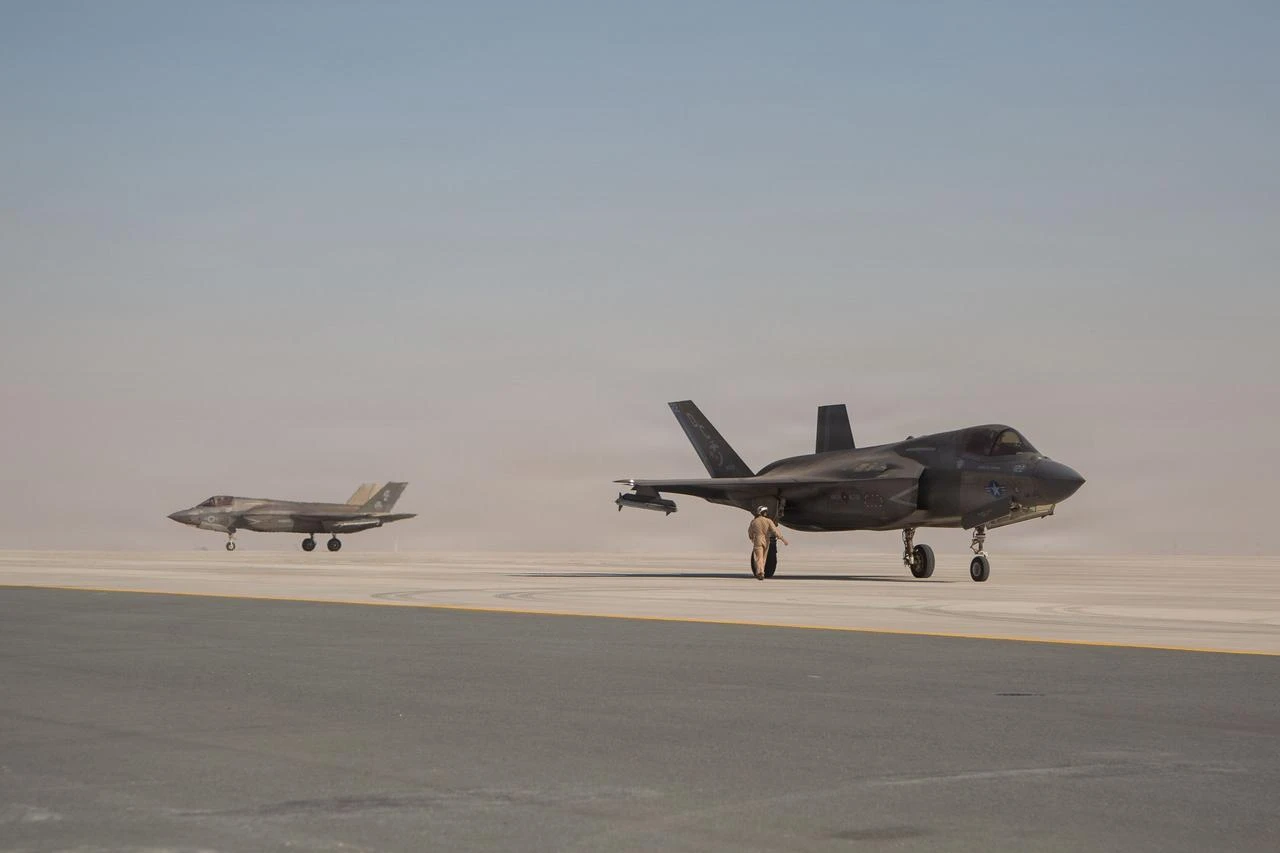


The United States and Israel are planning what would be one of the harshest bombing campaigns yet against Iran's energy infrastructure, with strikes possible throughout the weekend, CBS News reported, as U.S. President Donald Trump, venting fury at stalled diplomacy, told his cabinet: "We'll be hitting them very hard."
The Wall Street Journal (WSJ) reported Trump has ordered the military to launch the fresh attack, authorized at a Camp David cabinet meeting, though CBS sources said he had yet to give final "go" orders, and Tehran warned it has prepared "a comprehensive plan" to retaliate against Israeli critical infrastructure and U.S. energy assets across the region.
Energy infrastructure, including power plants and refineries, would likely be targeted, sources told CBS, with high-level U.S. discussions Friday about cutting electricity across Tehran, though no decision had been made.
There was discussion of concluding the strikes before financial markets open Monday over concern about the impact on the U.S. and global economy, but no endpoint was locked in.
Israel has been notified and is coordinating with the U.S., multiple American sources told CBS.
An Israeli official, however, told the network, "Israel is unaware of a decision to restart full military operations, nor has Israel been requested to join any military actions against Iran."
A joint operation would mark Israel's return to combat, halted under the U.S.-brokered truce.
Iran has not struck Israel since the Memorandum of Understanding (MoU) collapsed and the U.S. restarted operations in early July.
Israeli Defense Minister Israel Katz signaled Israel's appetite earlier this week: "We very much want to strike Iran's energy targets; the U.S. is not approving it at this time," he said.
When Trump and Prime Minister Benjamin Netanyahu met this week, Netanyahu briefed him on three war options, including strikes on land resupply routes, a senior Israeli official told CBS.
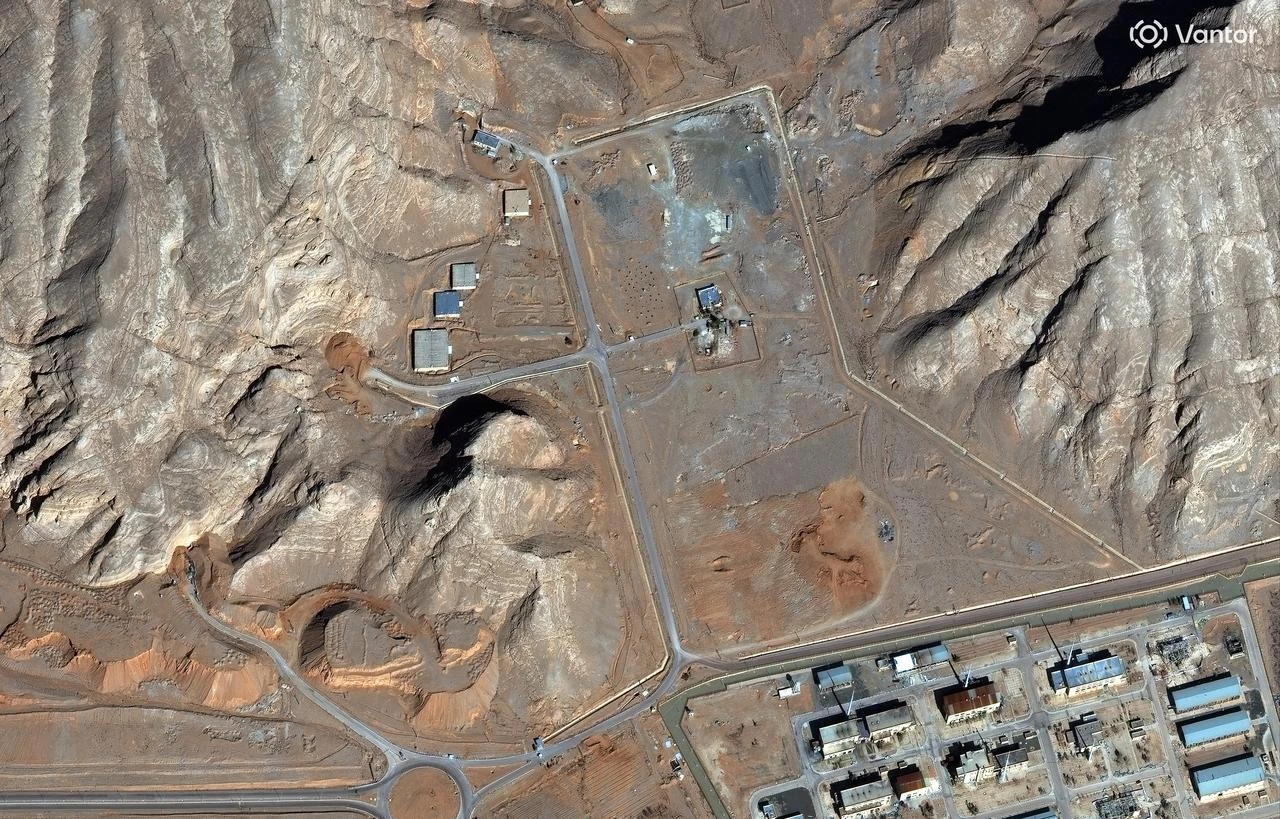
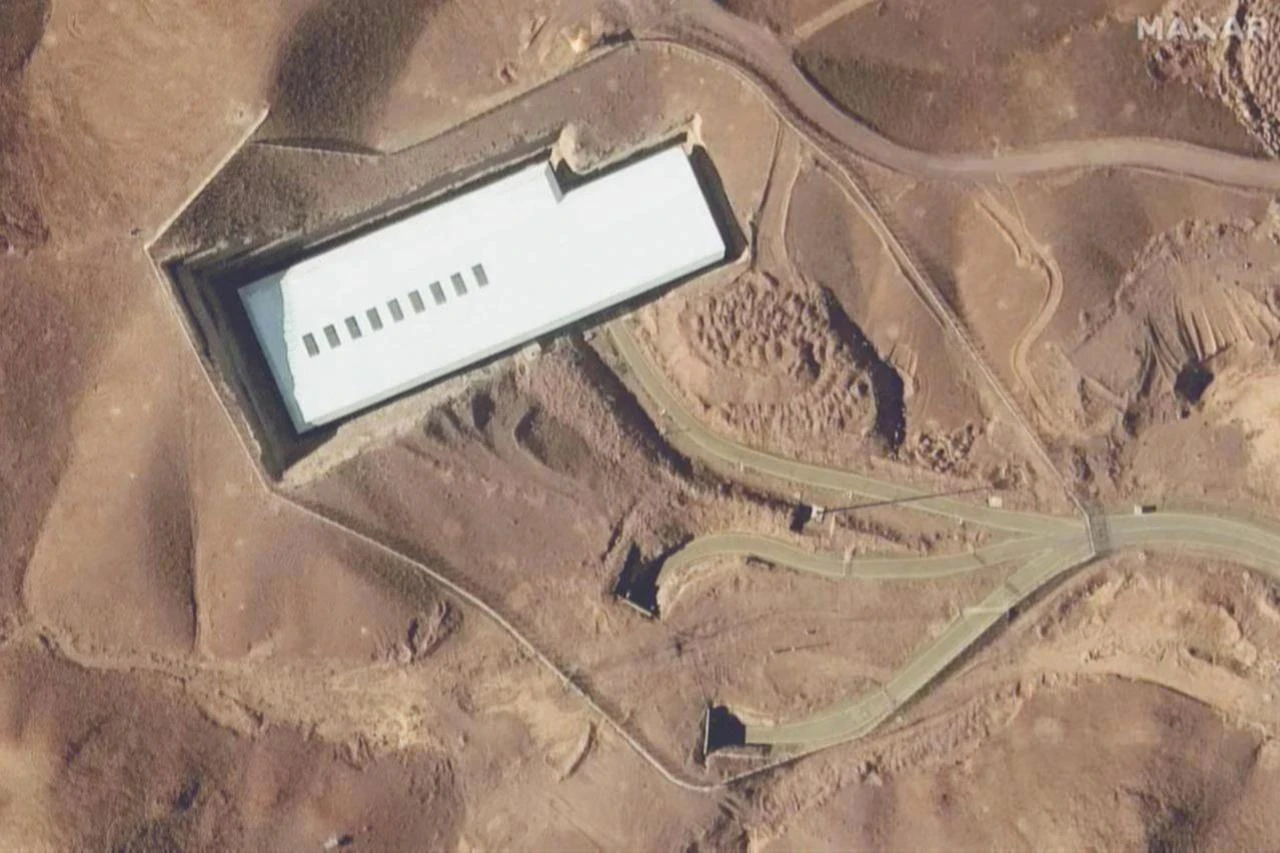
CNN reported U.S. Central Command (CENTCOM) has prepared options including a heavy two-week bombardment of Iran's missile sites, alongside energy-target planning, with preparations also gathering momentum for strikes on nuclear infrastructure including, but not limited to, Pickaxe Mountain, where Israeli intelligence says Iran has stashed centrifuges.
ABC News reported some administration officials favor a shorter, more severe salvo over the two-week campaign as more conducive to negotiations. The WSJ noted Trump's military advisers have flagged dwindling munitions as a risk.

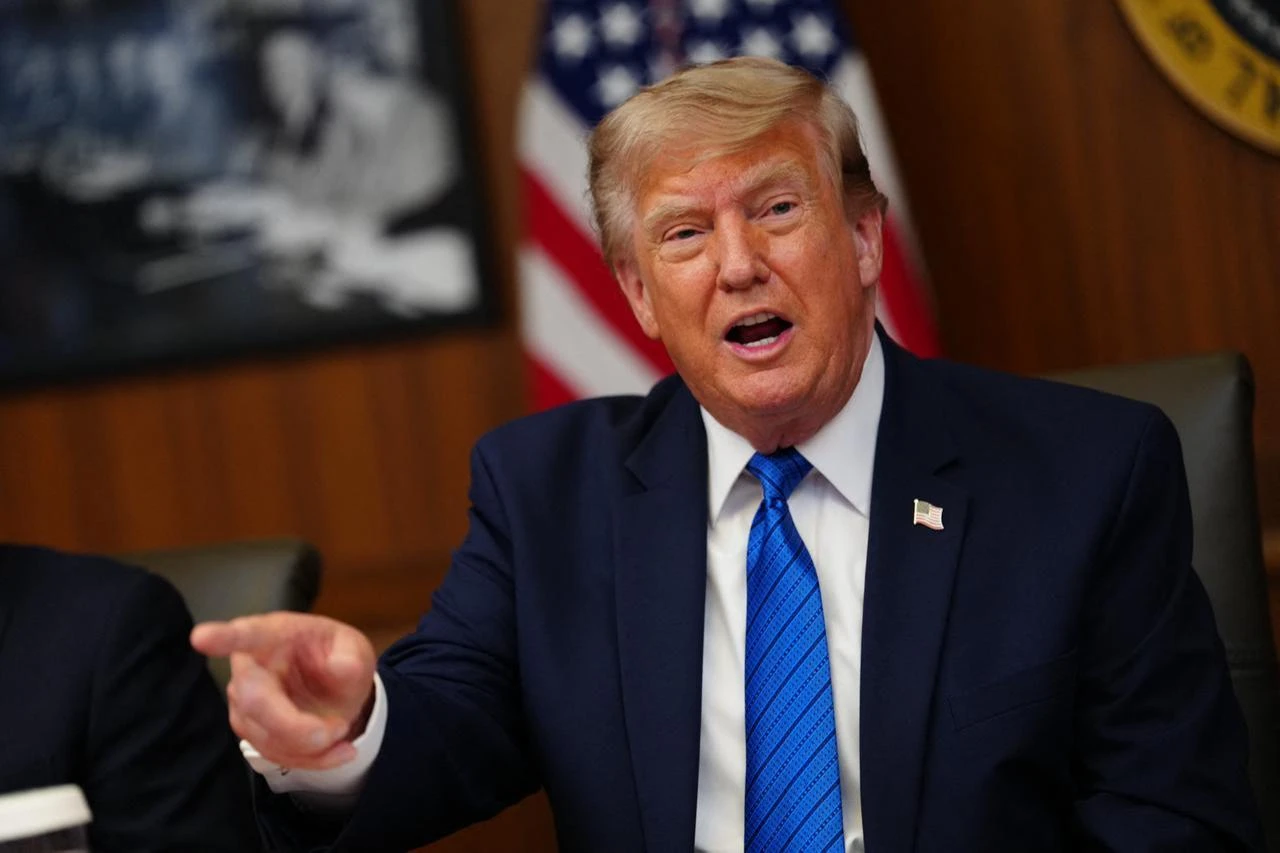
"We will be hitting them very hard. And you know at some point, they're going to say, 'We just can't take it anymore,'" Trump said at the televised Camp David cabinet meeting, predicting the regime would eventually "peter out" under sufficient pressure.
Asked about reviving diplomacy, he said: "I think we just want to win."
Trump authorized the new attack plan presented at the retreat, U.S. officials told the WSJ, while noting immediate diplomatic progress could still convince him to halt the strikes, or he "could simply change his mind."
His threats contrast with his talk of "very friendly negotiations" earlier in the week, before Iran's surprise attack on troops in Jordan triggered Wednesday's U.S. retaliation.
Behind closed doors, Trump has called the Iranians "crazy" and dismissed the interim peace deal as meaningless, officials told the WSJ.
"Well, they always want to talk, but they break their words so often," Trump said, adding: "All they do is make me angry."
Some White House political aides strongly opposed the strike plan, a source briefed on the Camp David meeting told CBS.
"As President Trump said at his cabinet meeting today, the United States will win, and Iran will not have a nuclear weapon under his watch," White House press secretary Karoline Leavitt said, adding separately, "Iran will continue to pay until they come to the table in what President Trump deems, a meaningful way."
"The Department of War is locked and loaded, ready to execute the President's directives at a moment's notice," chief Pentagon spokesperson Sean Parnell said, declining to discuss targets before a final presidential decision.
A senior Iranian security official called the reports of planned strikes "a form of recklessness" and warned Tehran is ready to respond, according to Iran's Tasnim News Agency.
"We have prepared a comprehensive plan to respond, which includes critical infrastructure in both Israel and the United States' energy infrastructure in the region, and we are ready to implement it," the official said, claiming Iran has the "capability and the will" to retaliate.
The IRGC on Thursday vowed to renew attacks following the U.S. retaliatory strikes.
The Trump administration has long been leery of hitting Iran's energy grid precisely over fears of retaliation against Gulf infrastructure and shocks to strained global energy markets.
A former U.S. military official told CBS the value of such strikes would be degrading the Iranian military's ability to provide services and govern. The U.S. has already struck dual-use bridges in the conflict.
As the war enters its sixth month, neither side has softened.
Trump insists Iran relinquish its nuclear program and its grip on the Strait of Hormuz, with Tehran having dug in on both, with some U.S. officials believing Iran will drag out talks, betting on mounting domestic opposition to the war.
The Pentagon's casualty database was updated Friday to show 685 U.S. troops wounded, 32 newly recorded, and 18 killed in action.


 Set as preferred source
 Set as preferred source


 4 min read