Newsletters


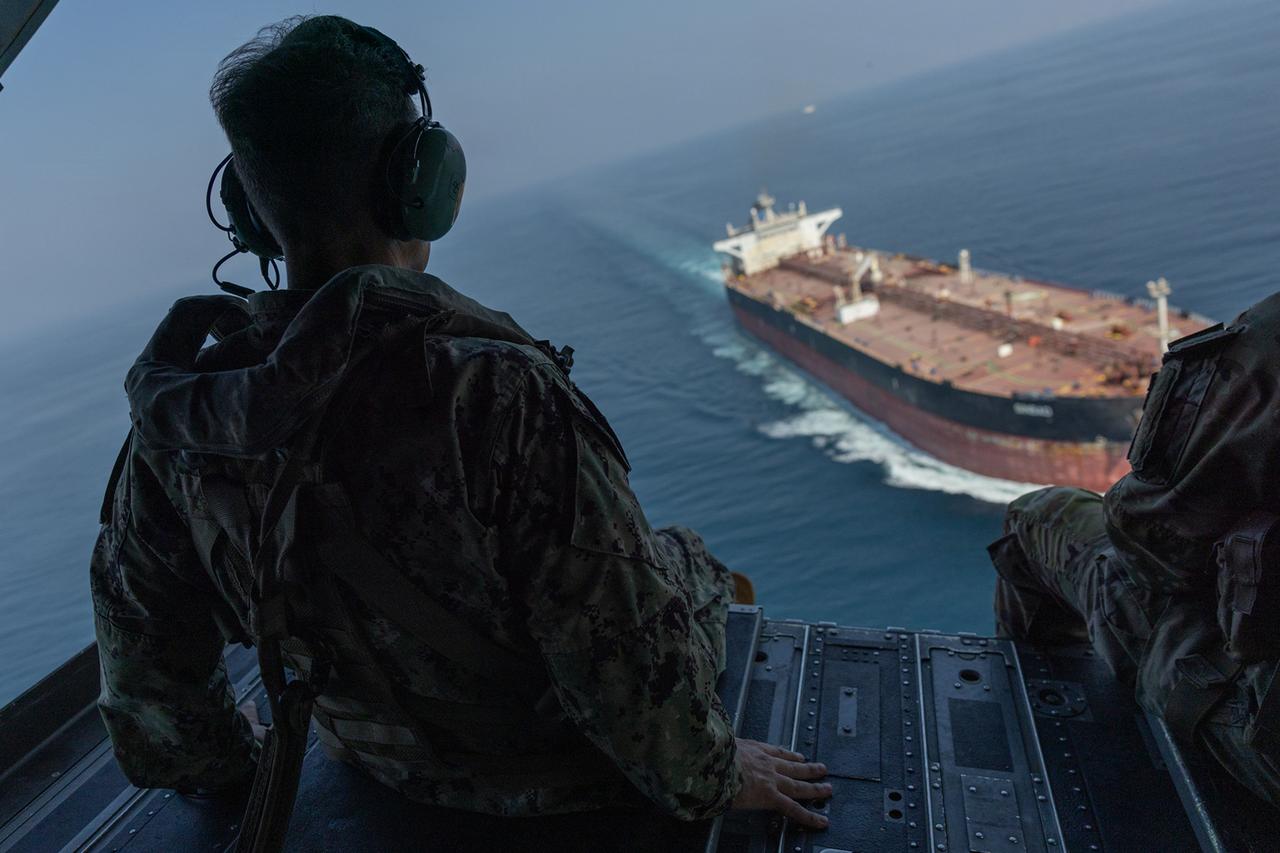


U.S. Central Command (CENTCOM) has set up a new task force to help stop Iran from using its land borders and the Caspian Sea to move advanced weapons, dual-use technologies, sanctioned materials and illegal revenue, extending months of pressure applied through a naval blockade.
CENTCOM commander Adm. Brad Cooper directed the formation of Task Force Iron Gate on Saturday, the command said in a statement.
The team of about 20 civilian and military personnel will be based in Tampa, Florida, and coordinate with other U.S. government agencies.
"The establishment of Task Force Iron Gate reinforces the success of our ironclad blockade against Iran at sea," Cooper said.
"Strengthening CENTCOM’s collaboration with U.S. interagency partners will further constrain Iran’s ability to finance terrorism, rebuild weapons factories, and replenish their military," he added.
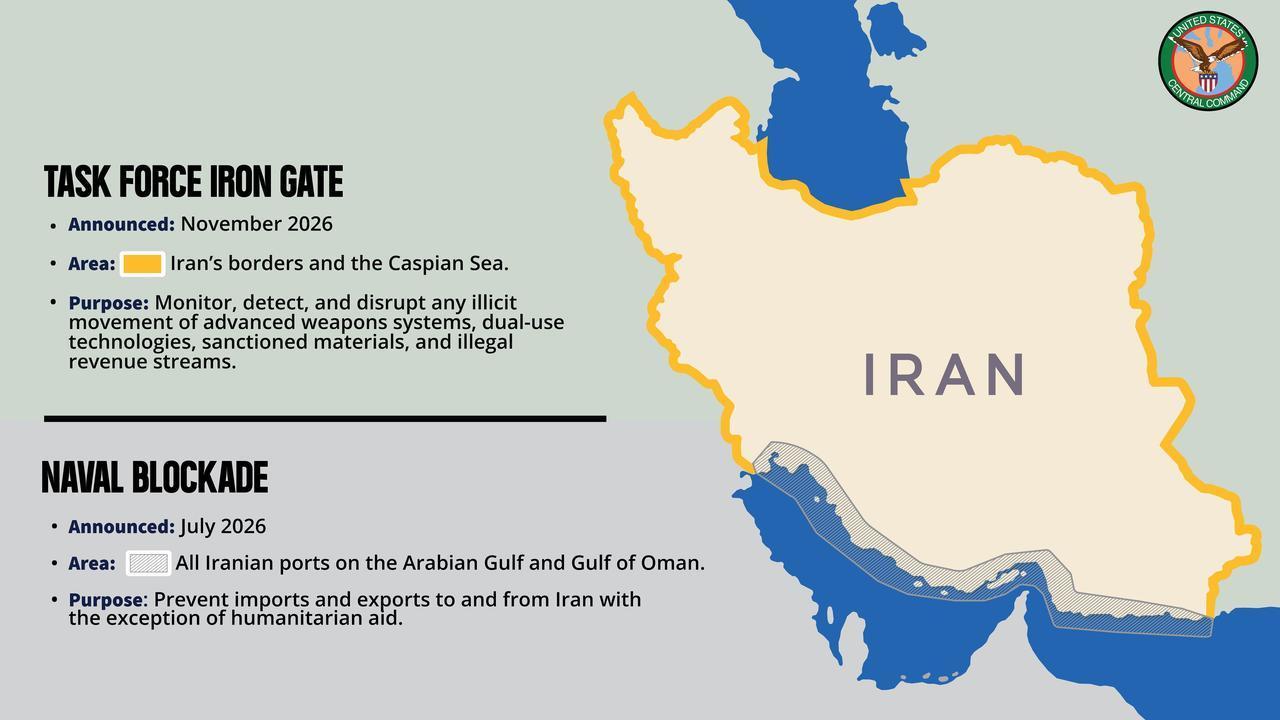

The task force will "monitor, detect, and disrupt any illicit movement of advanced weapons systems, dual-use technologies, sanctioned materials, and illegal revenue streams" across Iran’s borders and the Caspian Sea, according to a CENTCOM graphic.
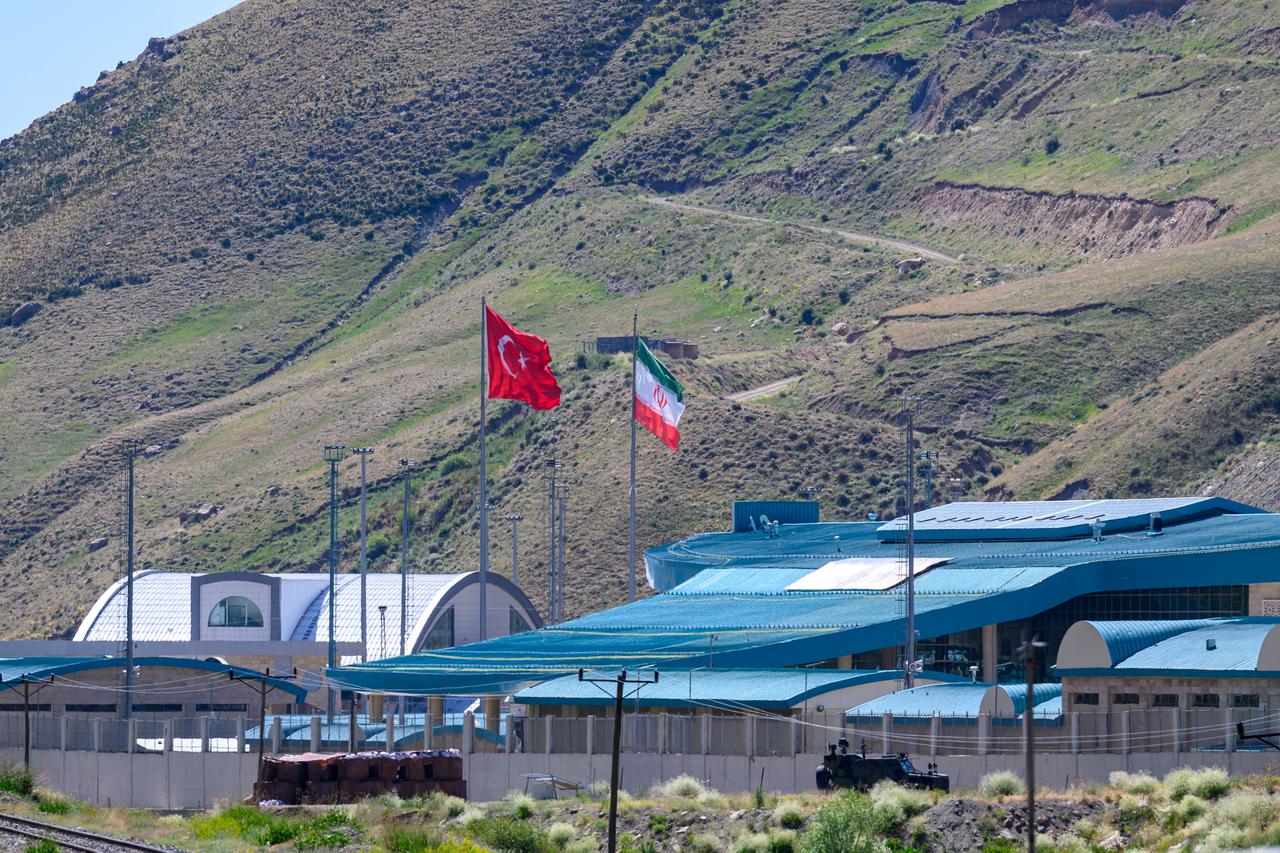
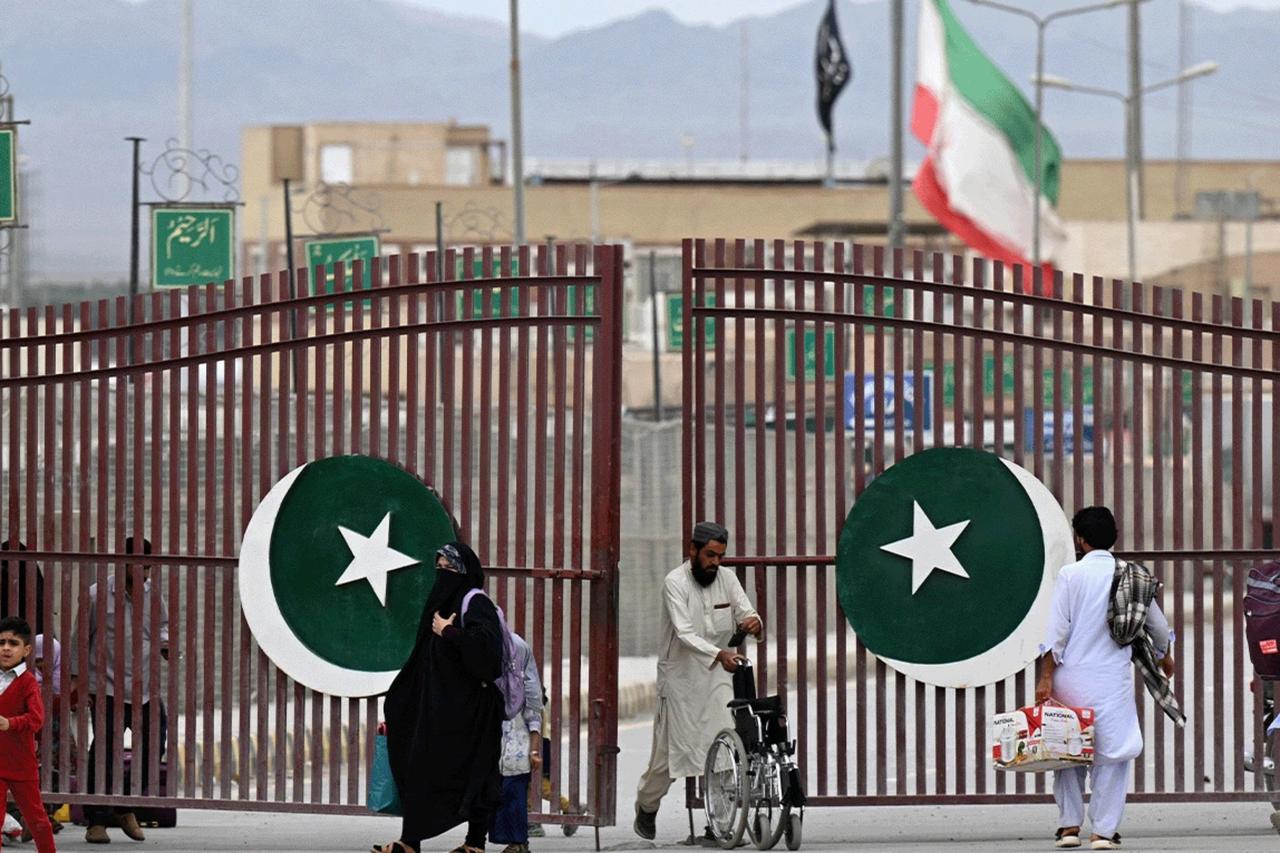
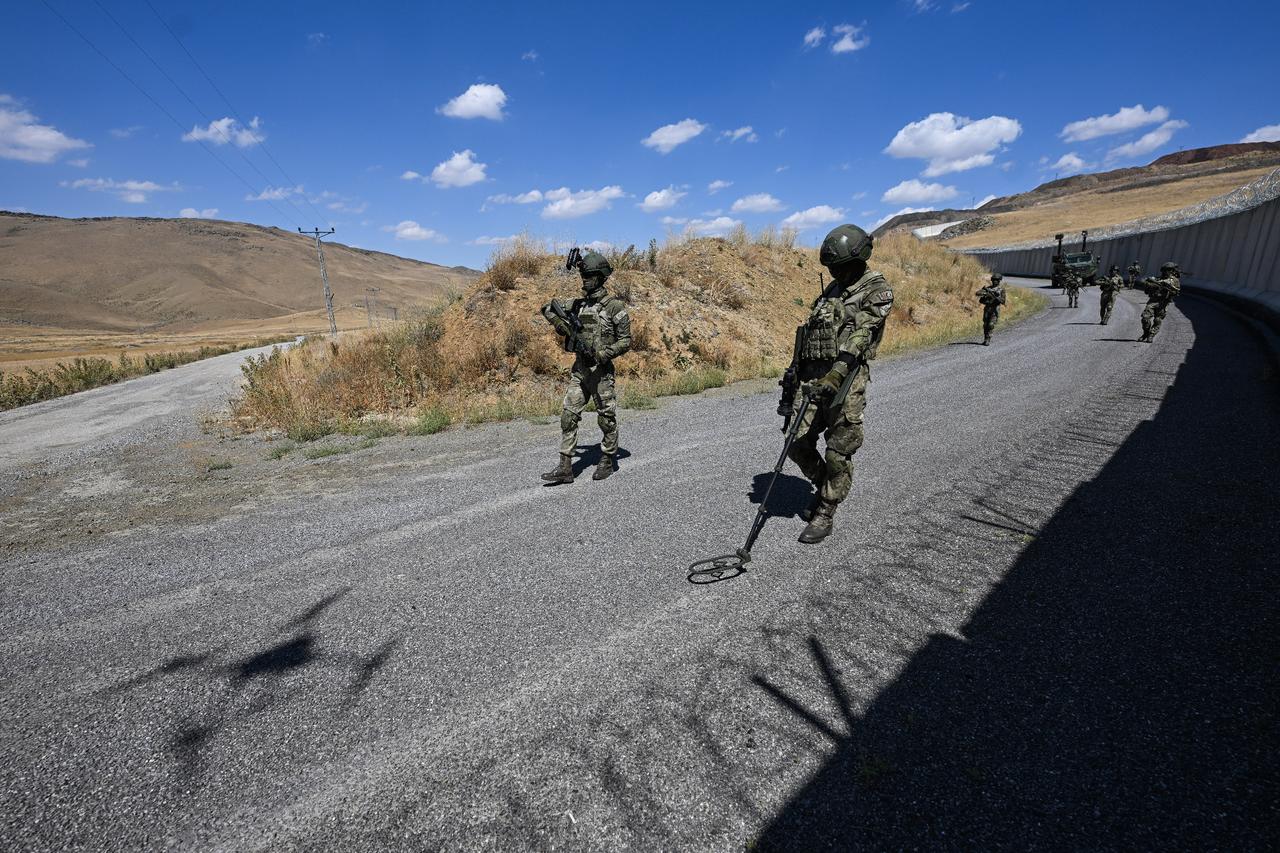
The command did not specify which border crossings or neighboring countries the task force would focus on, but it highlighted Iran's borders with Türkiye, Afghanistan, Turkmenistan and Pakistan.
The U.S. naval blockade, announced in July 2026, covers all Iranian ports on the Gulf and the Gulf of Oman and aims to prevent imports and exports to and from Iran, with the exception of humanitarian aid.
The blockade has prevented Iran from exporting more than $25 billion in crude oil in recent months, the command said, adding that "strict enforcement at sea continues against all ships entering or departing Iranian ports."
Iran has demanded the lifting of the blockade as a condition for reopening the Strait of Hormuz, as Task Force Iron Gate aims its land routes.


 Set as preferred source
 Set as preferred source


 1 min read
 1 min read