Newsletters


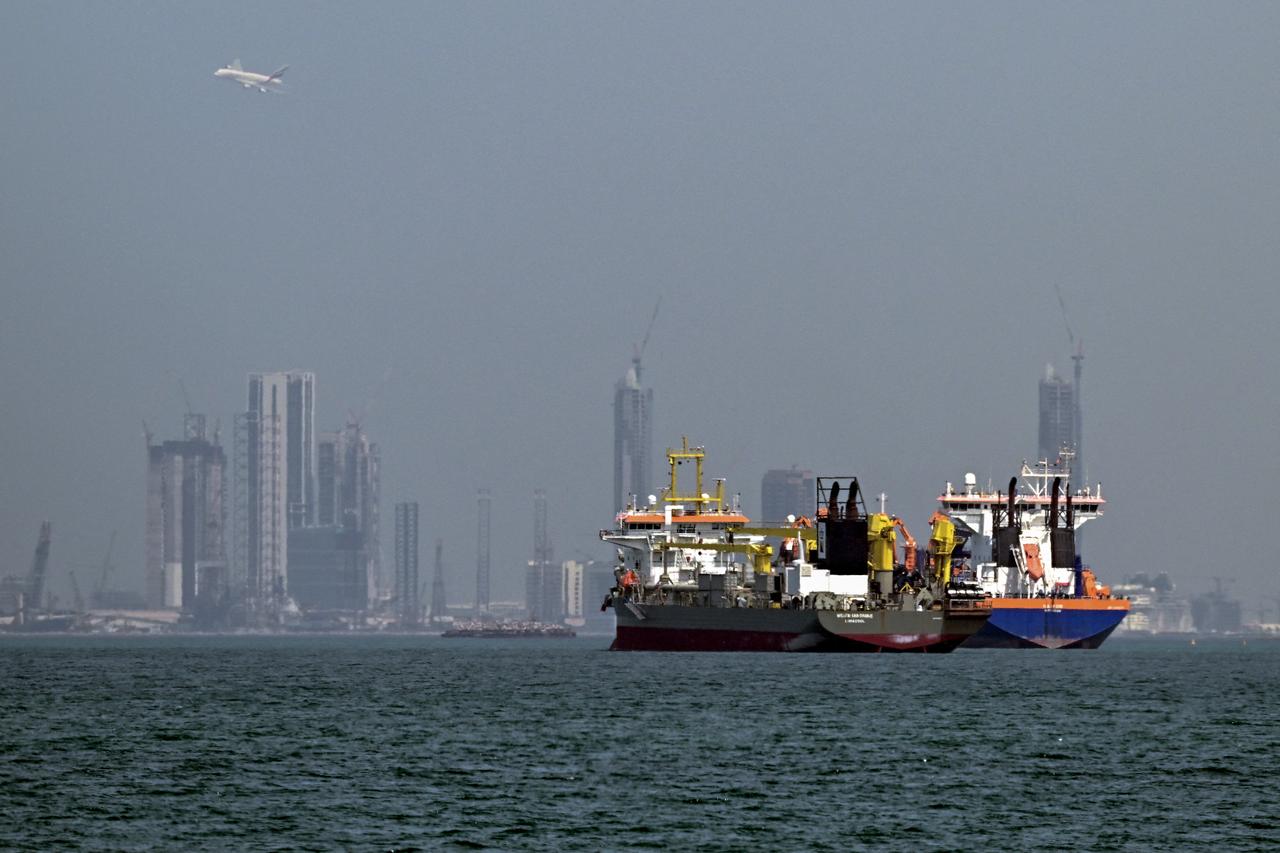


The United States is allowing Iranian oil tankers to transit the Strait of Hormuz despite the ongoing conflict in the region, U.S. Treasury Secretary Scott Bessent said Monday.
“The Iranian ships have been getting out already, and we’ve let that happen to supply the rest of the world,” Bessent said in an interview with CNBC’s Brian Sullivan in Paris.
Bessent was in France for trade talks with China when he made the remarks.
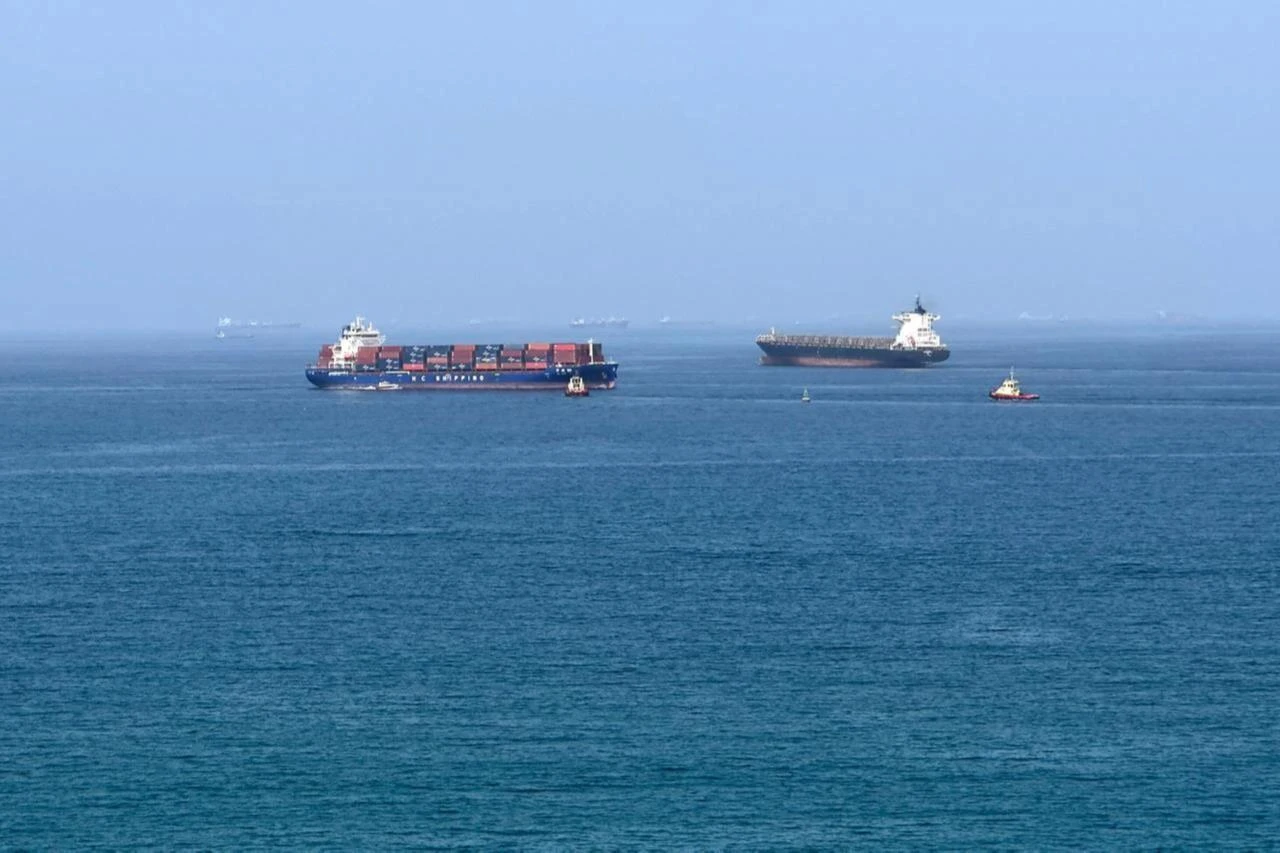
Tanker traffic through the Strait of Hormuz has fallen sharply as Iran has attacked commercial ships in the Persian Gulf.
Despite that, Iran has continued exporting millions of barrels of oil through the narrow waterway, which connects the Gulf to global markets.
Iran exports about 1.5 million barrels of oil per day, according to Bessent.
The Trump administration expects tanker traffic through the strait to increase before U.S. Navy and allied forces begin escorting commercial ships.
Bessent said tankers supplying India have continued to transit the waterway and that some Chinese vessels are also leaving the Gulf.
“We think that there will be a natural opening that the Iranians are letting out, and for now we’re fine with that. We want the world to be well supplied,” Bessent said.
U.S. President Donald Trump has been pressing countries that rely on the strait for oil to help the United States protect tankers from Iranian attacks.
Before the war, about 20% of global oil supplies moved through the Strait of Hormuz. Oil prices have surged about 40% since the U.S. and Israeli attacks on Iran two weeks ago.
Brent crude, the international benchmark, was trading around $102 per barrel on Monday, while U.S. oil prices were around $95 per barrel.
Bessent said oil prices could fall “much lower” than $80 per barrel once the war ends. He also dismissed speculation that the administration might intervene in oil futures trading.
“We haven’t done that,” Bessent said, adding that it is unclear what authority the United States would have to take such action.
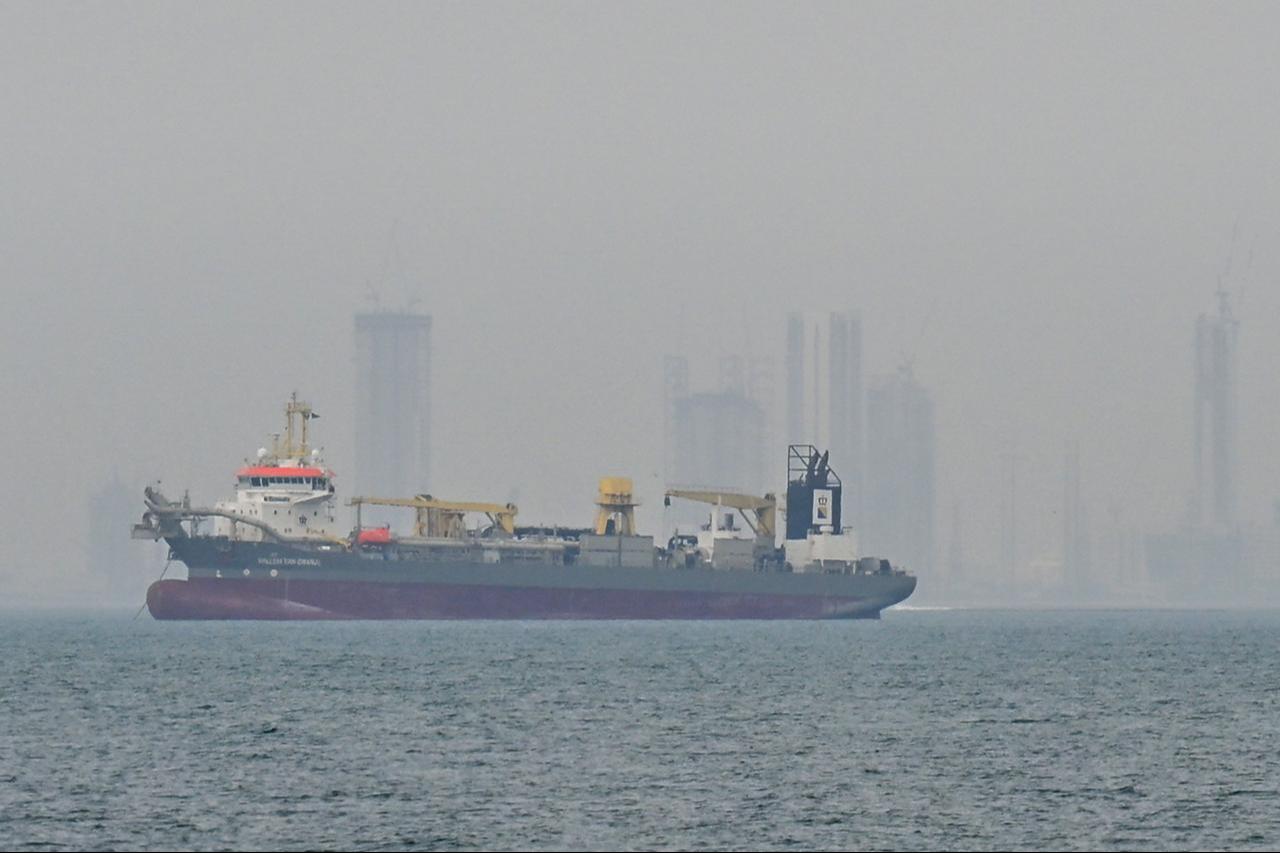

Meanwhile, Iran has asked India to release three tankers seized in February as part of talks aimed at securing safe passage for Indian-flagged or India-bound vessels through the Strait of Hormuz, three sources told Reuters.
Indian authorities seized the three Iran-linked tankers near Indian waters, alleging they had concealed or altered their identities and were involved in illegal ship-to-ship transfers.
The vessels Asphalt Star, Al Jafzia, and Stellar Ruby, are currently anchored off Mumbai. Stellar Ruby is Iranian-flagged, while the other two vessels are flagged to Nicaragua and Mali.
A police complaint filed by the Indian Coast Guard on Feb. 15 said Asphalt Star had transferred heavy fuel oil to Al Jafzia and bitumen to Stellar Ruby.
Iran has also requested supplies of certain medicines and medical equipment as part of the discussions, according to one source, an Iranian official. Iran’s ambassador to New Delhi met officials from India’s foreign ministry on Monday to discuss the matter.
India’s foreign ministry spokesperson Randhir Jaiswal said recent tanker movements reflected a “history of engagement” between the two countries but said nothing was being exchanged.
Iran recently allowed two Indian liquefied petroleum gas tankers to pass through the strait, according to Indian officials, and one returned to western India on Monday.
Since the start of U.S. and Israeli attacks on Iran in late February, Tehran has launched attacks across the region, including against ships attempting to transit the Strait of Hormuz.
Those attacks killed three Indian sailors and left one missing. India said Monday that at least 22 Indian-flagged vessels and 611 Indian seafarers remain in the Gulf.
One Indian source said six of the vessels are carrying liquefied petroleum gas, and New Delhi is seeking to prioritize their passage because about 90% of India’s LPG imports come from the Gulf.
Iranian state media previously cited the National Iranian Oil Company as saying the seized tankers had no connection to the company.
Jugwinder Singh Brar, whom the United States accuses of operating a shipping fleet that transports Iranian oil, said he was a consultant for the three vessels and denied wrongdoing.
“We were transporting bitumen, and there is nothing illegal in doing this,” he told Reuters by phone, adding the ships had been held for about 40 days and that he had suffered financial losses.


 Set as preferred source
 Set as preferred source


 1 min read

 1 min read