Newsletters


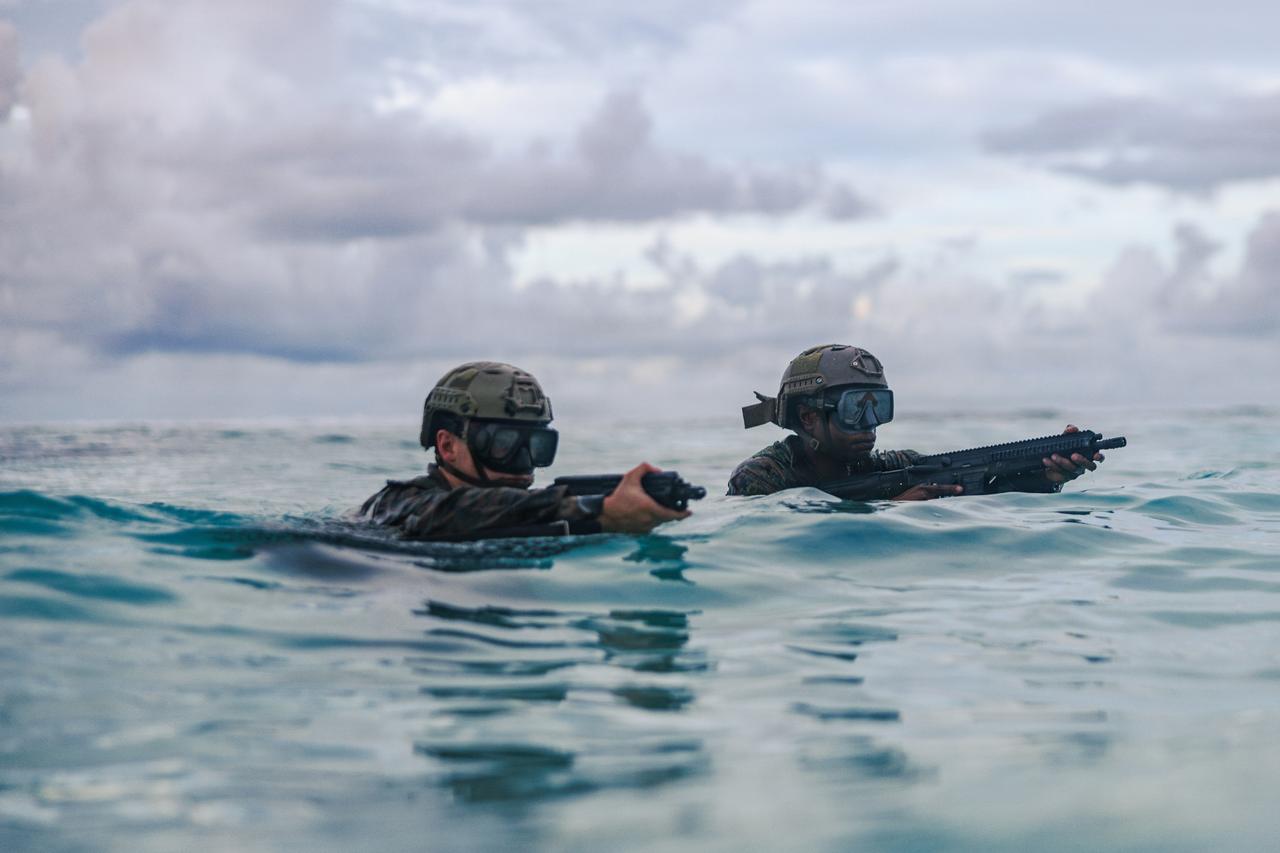


U.S. Marines intercepted and searched a commercial vessel in the Arabian Sea on Tuesday after it was suspected of attempting to reach Iran in violation of the ongoing American naval blockade, U.S. Central Command announced. The ship was released after the boarding party found no evidence it was bound for an Iranian port.
Marines from the 31st Marine Expeditionary Unit boarded the M/V Blue Star III and conducted a thorough search before confirming the vessel's intended voyage would not include an Iranian port call.
CENTCOM said forces released the ship following that determination. The incident brings the total number of vessels redirected or cleared under the blockade to 39.
The U.S. naval blockade of Iranian ports took effect on April 13, following the collapse of peace negotiations between American and Iranian officials in Islamabad.
CENTCOM, operating under Admiral Brad Cooper, declared at the time that the operation would apply to all maritime traffic entering or exiting Iranian ports and coastal areas, while explicitly stating it would not impede freedom of navigation for ships transiting the Strait of Hormuz to and from non-Iranian destinations.
The blockade, ordered by President Donald Trump, was described by CENTCOM in its early days as having fully halted seaborne economic trade in and out of Iran.
The strait is a critical chokepoint through which roughly a quarter of the world's seaborne oil trade and about a fifth of its liquefied natural gas shipments have historically passed.


 Set as preferred source
 Set as preferred source



 3 min read