Newsletters




The U.S. military is prepared to strike Iran as early as this weekend, though President Donald Trump has yet to make a final decision on whether to authorize such action, sources familiar with the matter told CNN and CBS News on Thursday, Feb. 19.
The White House has been briefed that U.S. military forces could be ready for an attack by the weekend following a significant buildup of air and naval assets in the Middle East, the sources said.
However, one source speaking to CNN cautioned that Trump has privately argued both for and against military action and has polled advisers and allies on the best course of action.
"He is spending a lot of time thinking about this," one source said.
Top administration national security officials met on Wednesday, Feb. 18, in the White House Situation Room to discuss Iran.
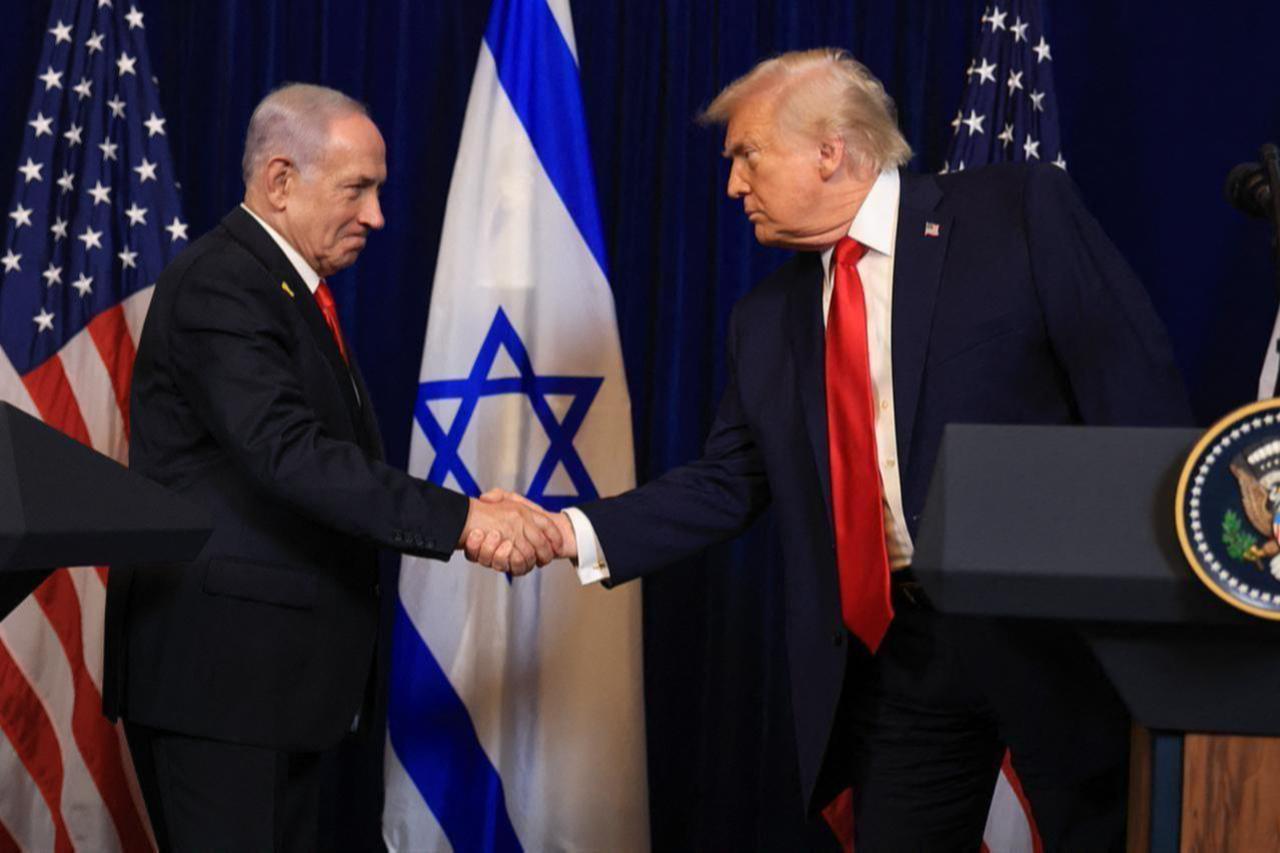
Trump was also briefed by special envoy Steve Witkoff and son-in-law Jared Kushner about their indirect talks with Iran a day earlier.

The U.S. is assembling the greatest amount of air power in the Middle East since the 2003 invasion of Iraq, the Wall Street Journal reported.
Over the past few days, the U.S. has continued moving cutting-edge F-35 and F-22 fighter jets toward the region.
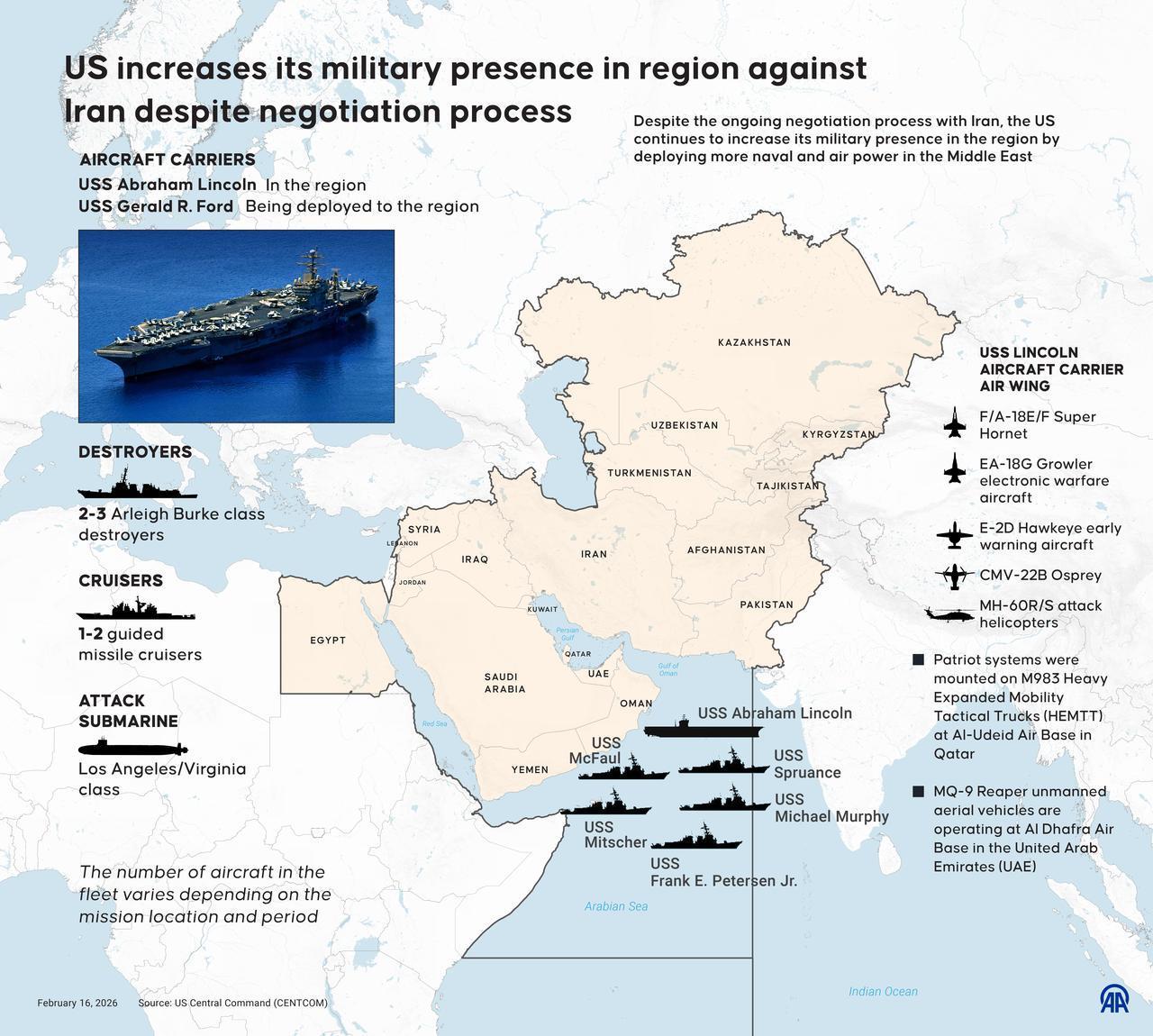
A second aircraft carrier loaded with attack and electronic-warfare planes is on the way, along with command-and-control aircraft vital for orchestrating large air campaigns.
The U.S. Air Force has recently moved dozens of fighter jets and support aircraft to Muwaffaq Salti Air Base in Jordan and Prince Sultan Air Base in Saudi Arabia, including additional F-35s, F-15s, F-16s, E-3 Airborne Warning and Control System, and E-11 Battlefield Airborne Communications Node aircraft.
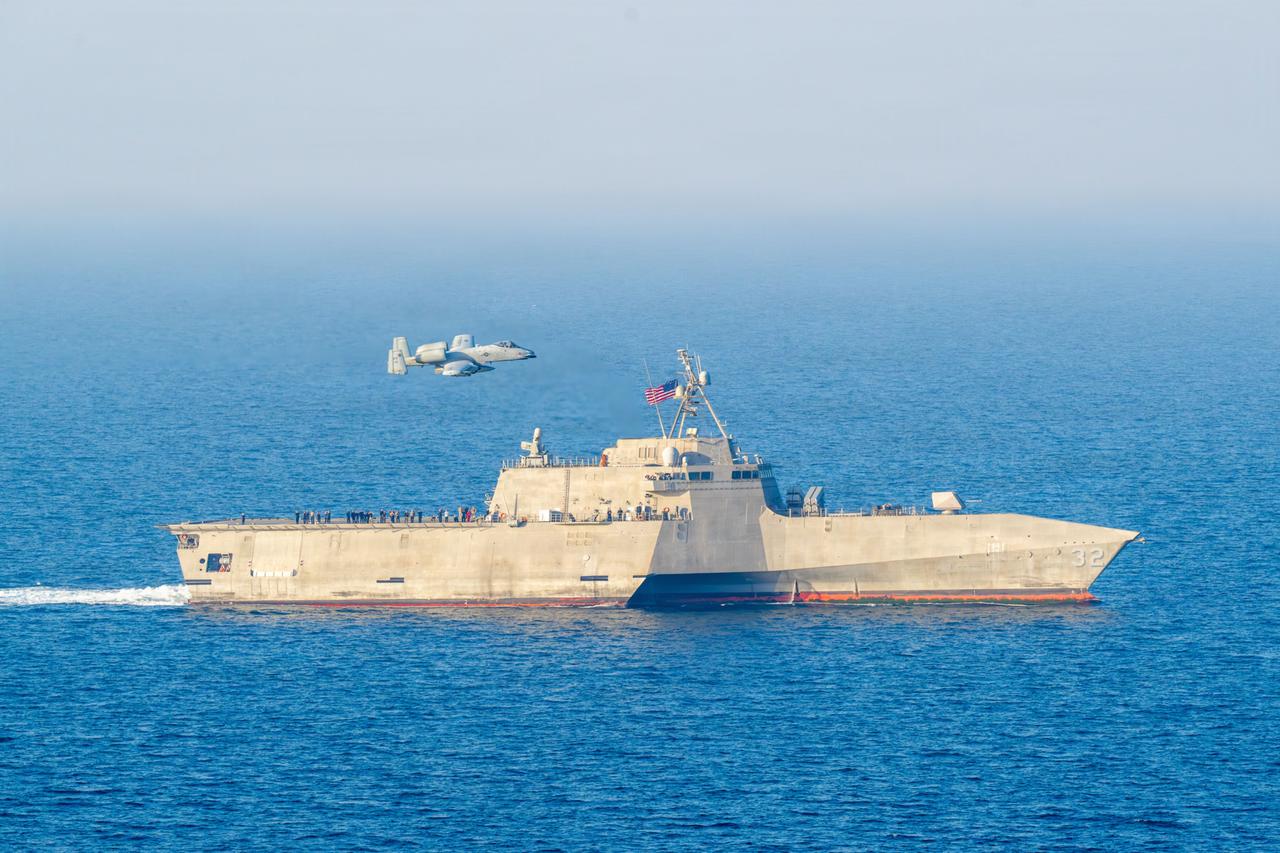
The U.S. Navy currently has 13 ships in the Middle East and eastern Mediterranean, including the aircraft carrier USS Abraham Lincoln and nine destroyers capable of defending against ballistic missiles.
The USS Gerald R. Ford and four destroyers in its strike group are en route and could arrive as early as this weekend.
Over 150 U.S. military cargo flights have moved weapons systems and ammunition to the region.
Over the next three days, the Pentagon is moving some personnel temporarily out of the Middle East—primarily to Europe or back to the United States—ahead of potential action or Iranian counterattacks, multiple officials told CBS News.
"It is standard practice for the Pentagon to shift assets and personnel ahead of potential military activity," one source said.
"Full forces should be in place by mid-March," a senior U.S. official told Reuters.
Iran agreed during Tuesday's Geneva talks to submit a written proposal on how to address U.S. concerns, a senior U.S. official speaking to Reuters said.
"We are currently waiting for that from the Iranians," the official said.
White House press secretary Karoline Leavitt stated on Wednesday that Iran was expected to provide more details on its negotiating position "in the next couple of weeks."
"I'm not going to set deadlines on behalf of the president of the United States," Leavitt said. She added that while "diplomacy is always his first option," military action remains on the table.
"There are many reasons and arguments that one could make for a strike against Iran," she noted.
Secretary of State Marco Rubio is expected to travel to Israel on February 28 to meet with Prime Minister Benjamin Netanyahu and update him on the Iran talks.
Israel is preparing for the possibility of receiving a green light from the U.S. to launch an attack on Iran's ballistic missile system, Israeli public broadcaster KAN reported.
Israeli security establishment assessments over the past 24 hours indicate a rising likelihood of a U.S. attack on Iran following the latest round of talks, according to the reports.
"Given that the negotiations have reached a dead end, Israel expects Trump to resort to the military option within a shorter timeframe than anticipated in recent days," the daily said.
Israel is not ruling out taking an active role in fighting Iran in the event of a U.S. attack, with close coordination between the two countries in intelligence, military communications, and air defense, the report noted.
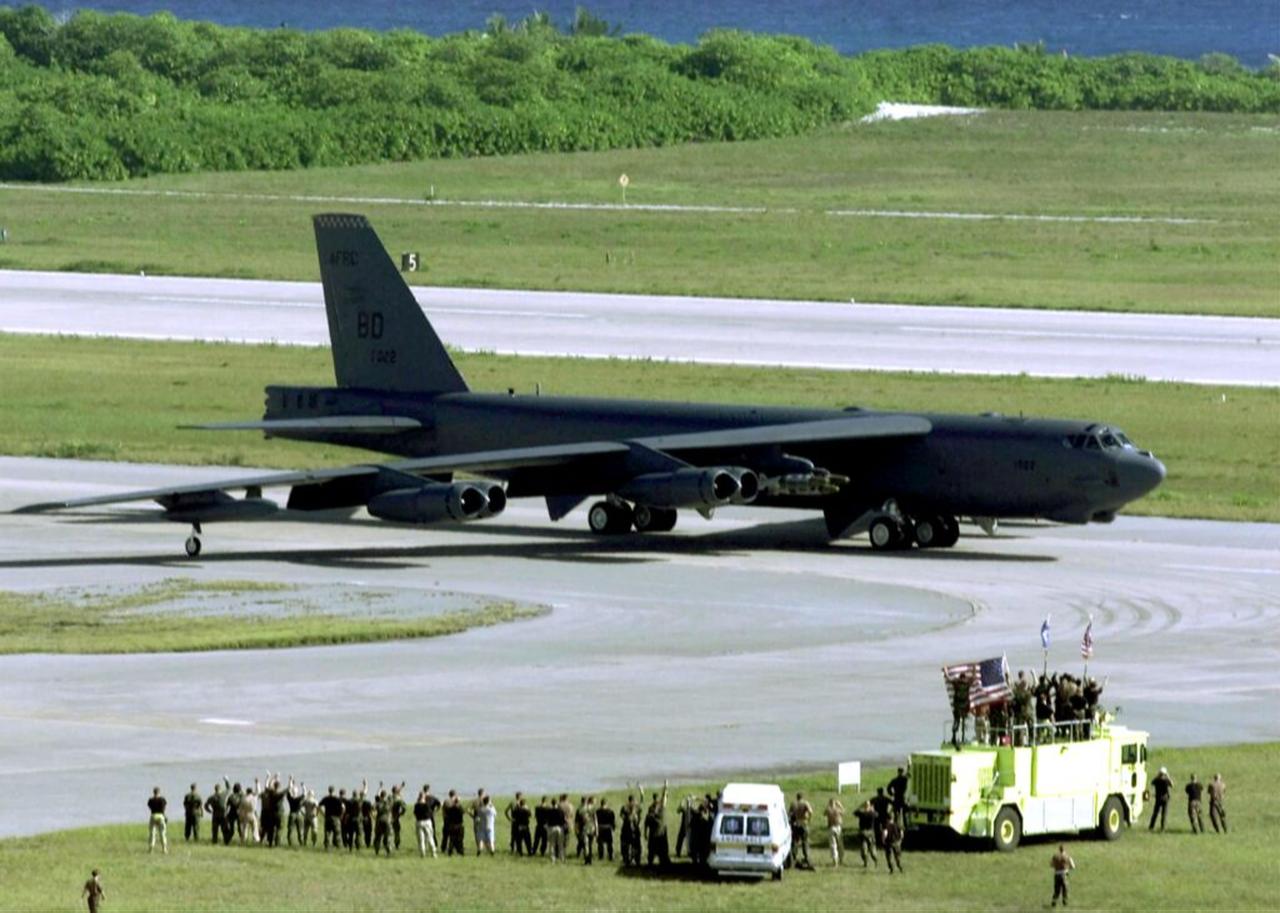
Trump called on British Prime Minister Keir Starmer not to return Diego Garcia Island to Mauritius, saying the U.S. may need to use the base there for potential strikes on Iran.
"If Iran decides not to make a deal, the United States may need to use Diego Garcia and the air base at Fairford to eliminate the potential aggression of an extremely unstable and dangerous regime," Trump wrote on Truth Social.
Iranian President Masoud Pezeshkian said Tehran does not want war but will not submit to force.
"We do not want war. I believe we should set war aside. But if something is imposed by force, we will not submit," Pezeshkian told civil society representatives in Lorestan province, according to state news agency IRNA.
Iran has been repairing and fortifying sites bombed during last year's 12-day war with Israel, satellite images show, including building a concrete shield over a new facility at a sensitive military site and burying tunnel entrances at a nuclear site.


 Set as preferred source
 Set as preferred source


 1 min read
 1 min read