Newsletters


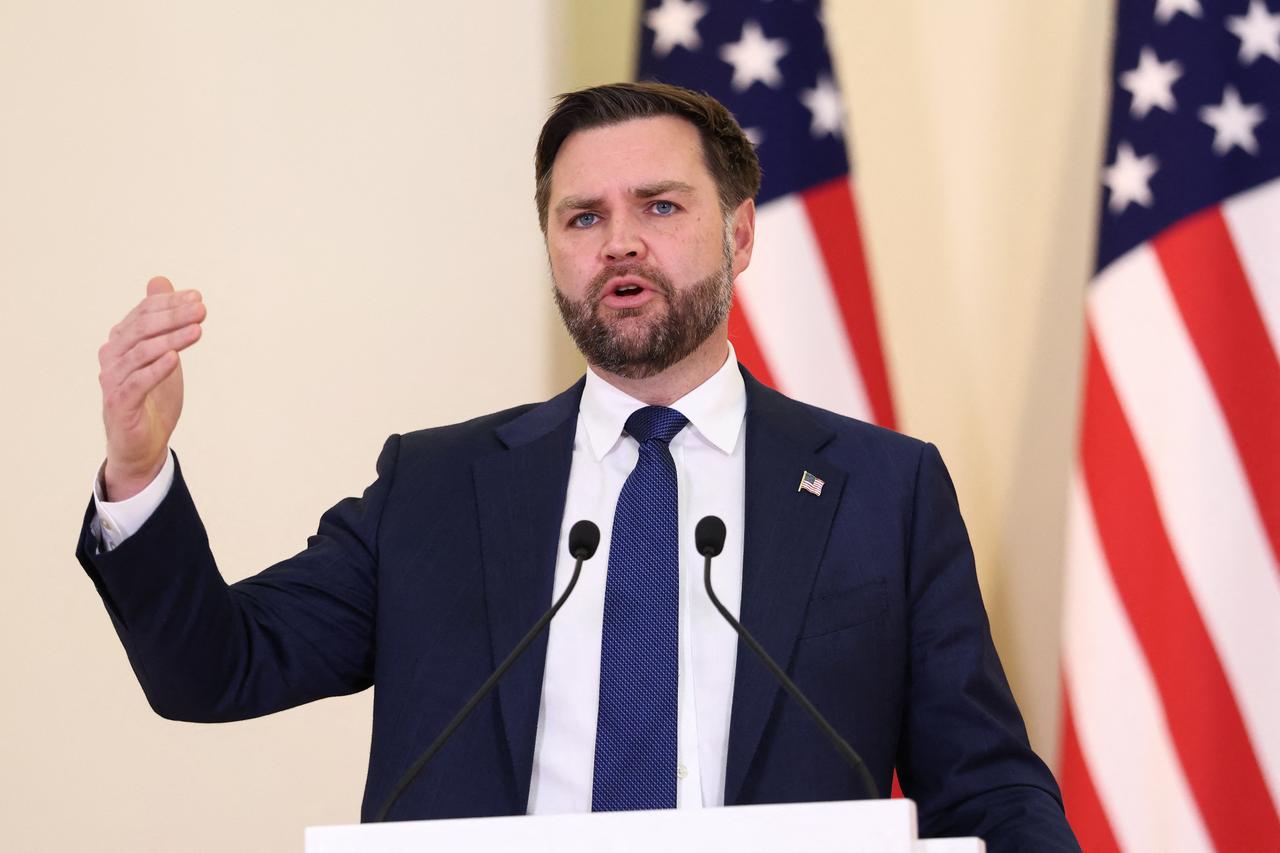


U.S. Vice President JD Vance said Tuesday that Iran had failed to acknowledge key American demands in nuclear negotiations, even as Tehran hailed a second round of talks in Geneva as a breakthrough that produced agreement on "guiding principles" for a potential deal.
Vance's assessment, delivered in a Fox News interview, painted a notably more cautious picture than the one offered by Iranian Foreign Minister Abbas Araghchi, who told state television the session had been "more constructive" than the first round earlier this month. The disconnect underscored the fragility of a diplomatic process playing out against an extraordinary US military buildup in the Middle East.
"In some ways, it went well; they agreed to meet afterwards," Vance told the programme "The Story with Martha MacCallum." "But in other ways, it was very clear that the president has set some red lines that the Iranians are not yet willing to actually acknowledge and work through."

Vance stopped short of declaring the talks a failure but made clear that President Donald Trump's patience is finite. "We're going to keep on working it," he said. "But of course, the president reserves the ability to say when he thinks that diplomacy has reached its natural end."
The warning lands with particular weight given the military context. The US has positioned two aircraft carrier strike groups near Iran, including the USS Abraham Lincoln roughly 700 kilometres from the Iranian coast, and deployed more than 50 advanced fighter jets toward the region in recent days, including F-35A stealth fighters, F-22 Raptors, and F-15E Strike Eagles, according to open-source flight tracking data confirmed by a US official. White House press secretary Karoline Leavitt said Trump would decide on military action "within two weeks," a timeline that carries an ominous echo: in June 2025, an identical statement preceded Operation Midnight Hammer by three days, when B-2 bombers struck Iran's nuclear facilities at Fordow, Natanz, and Isfahan.
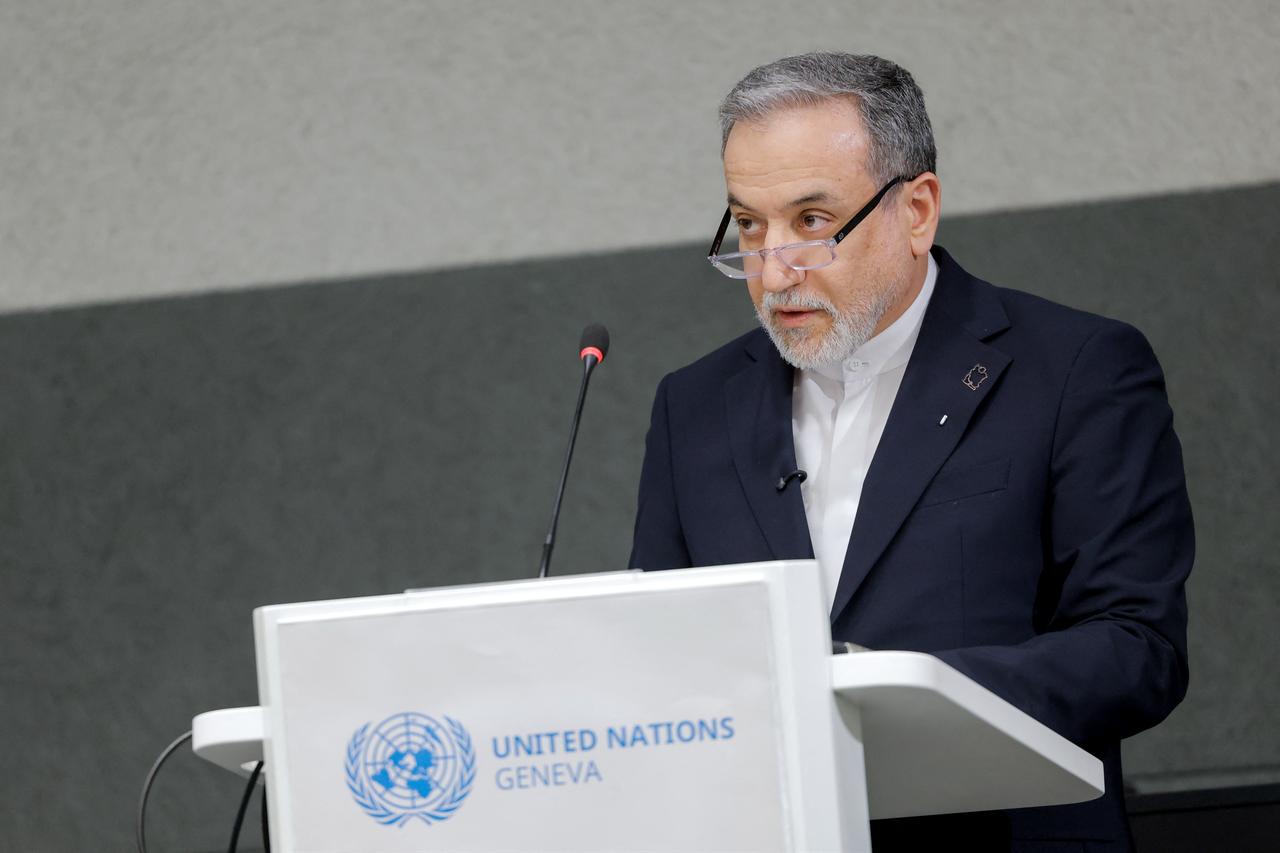
On the Iranian side, Araghchi said the Omani-mediated talks with Trump envoy Steve Witkoff and the president's son-in-law Jared Kushner had yielded a foundation for moving forward. "Ultimately, we were able to reach broad agreement on a set of guiding principles, based on which we will move forward and begin working on the text of a potential agreement," he said. He added that once both sides produced drafts, a date for a third round would be set, but acknowledged that narrowing the gap between the two countries' positions "will take time."
Omani Foreign Minister Badr Albusaidi confirmed "good progress" but likewise cautioned that "much work is left to be done."
The substantive divide remains considerable. Iran insists the talks focus solely on the nuclear file, while Washington has pushed to include Tehran's ballistic missile programme and support for armed groups in the region. Tehran also demands comprehensive sanctions relief as part of any deal.
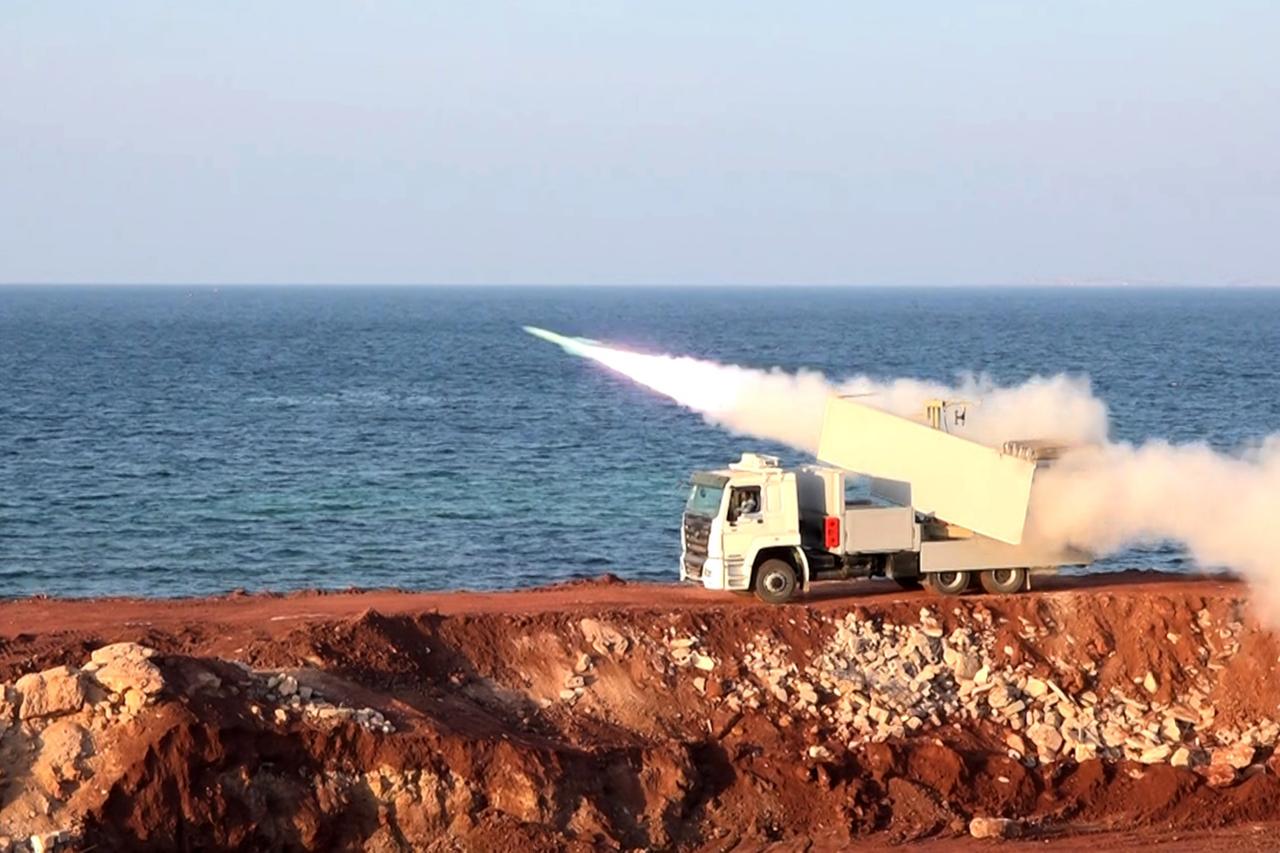
Supreme Leader Ayatollah Ali Khamenei sharpened Tehran's rhetoric on Tuesday, referencing the US naval deployment. "A warship is certainly a dangerous weapon, but even more dangerous is the weapon capable of sinking it," he said. Iran's Revolutionary Guard Corps simultaneously launched war games in the Strait of Hormuz, the chokepoint through which roughly a quarter of global seaborne oil passes, temporarily closing parts of the waterway.
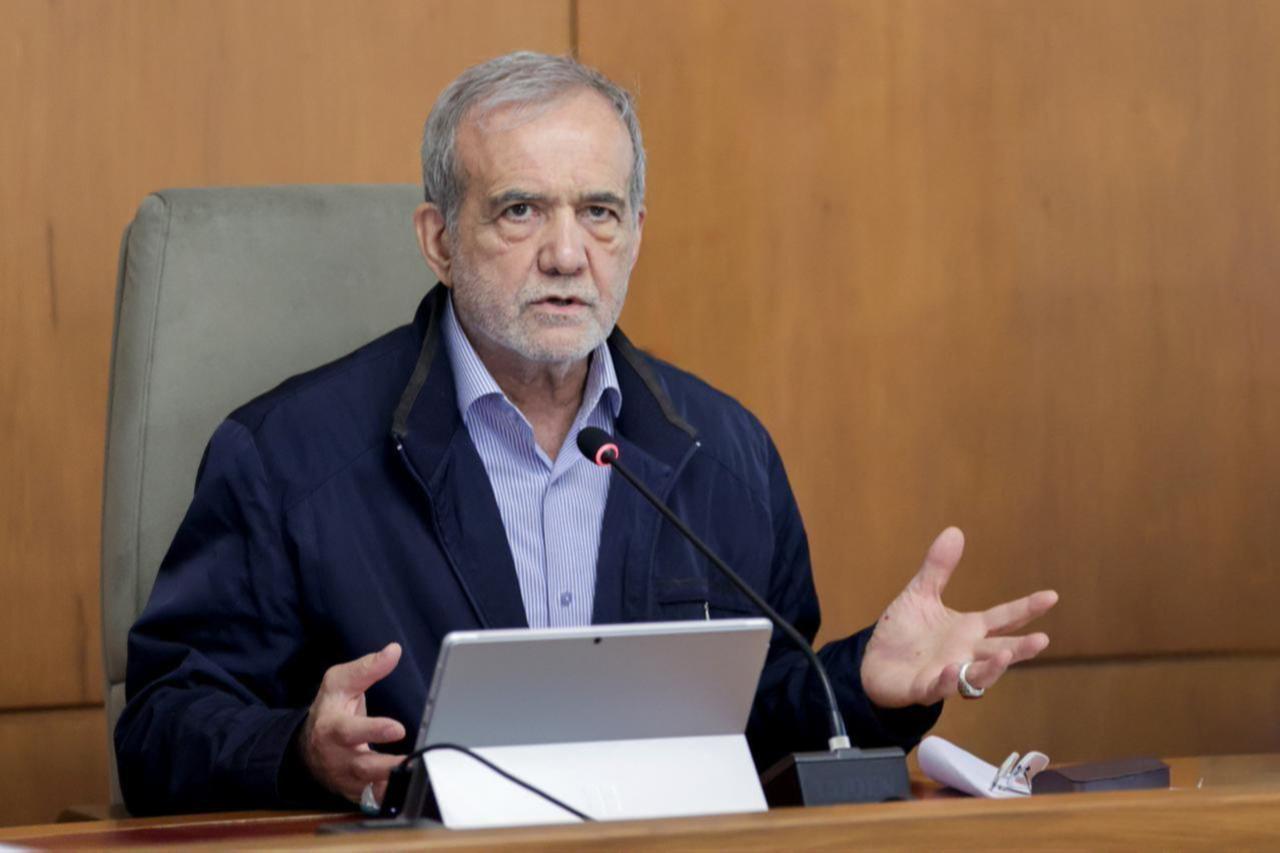
Iranian President Masoud Pezeshkian sought to defuse the nuclear dimension, insisting Tehran was "absolutely not seeking nuclear weapons" and was open to verification.
Ali Fathollah-Nejad, director of the Berlin-based Centre for Middle East and Global Order, described Iran's position as an "existential dilemma," noting that while concessions could bring badly needed sanctions relief, they would "sensitively undermine its ideological and military standing."
With European foreign ministers also set to meet Araghchi in Geneva later this week and UK Foreign Secretary David Lammy declaring that a "window now exists within the next two weeks to achieve a diplomatic solution," the vice president's blunt assessment served as a reminder that Washington views the framework as a starting point, not an achievement, and that the clock is already running.


 Set as preferred source
 Set as preferred source


 1 min read
 1 min read