Newsletters


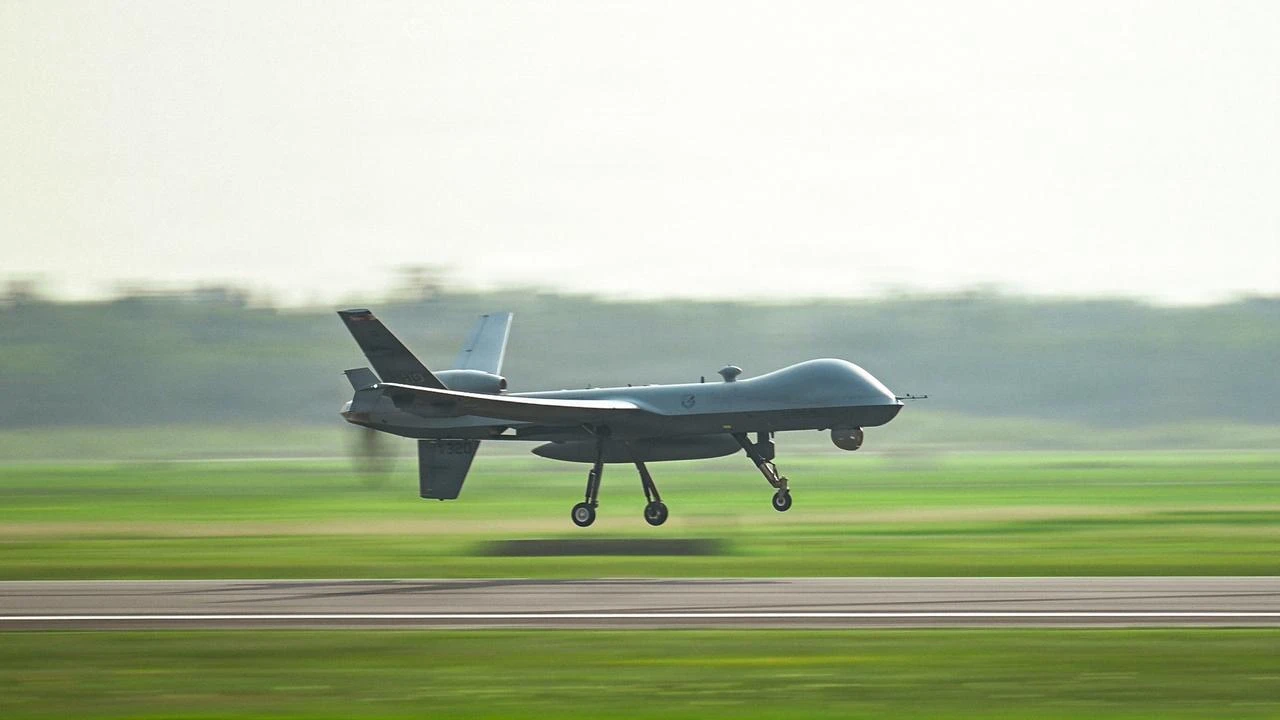
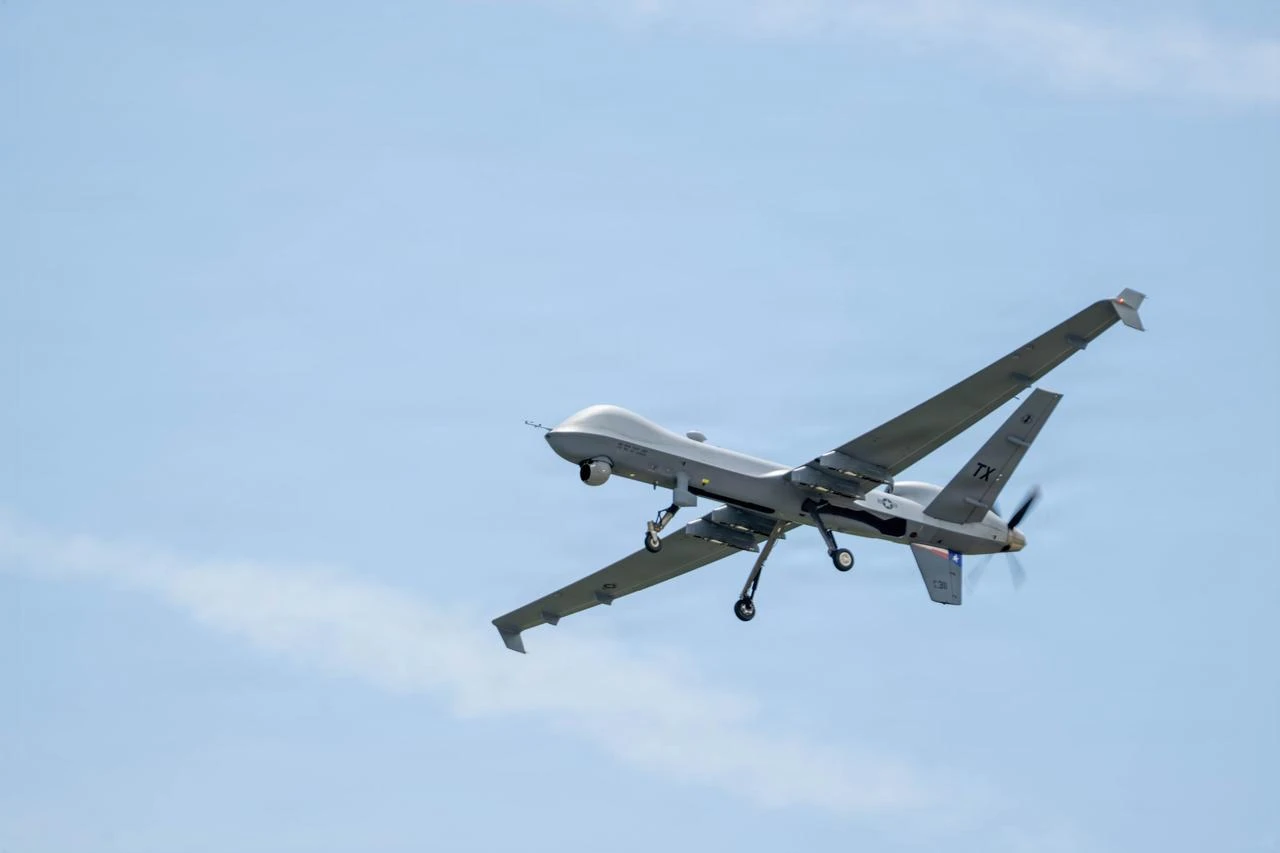
The U.S. military has lost at least 45 MQ-9 Reaper drones during its war with Iran. That is roughly 25% of its fleet, The Washington Post reported Thursday, citing three officials.
The Reaper is used for surveillance and targeted strikes. It can cost between $30 million and $50 million depending on its sensors and weapons, according to the Post, citing the Air Force. The potential cost of the lost aircraft exceeds $1.3 billion, the newspaper reported.
The drones have seen heavy use around the Strait of Hormuz, a vital shipping route and a major flashpoint in the conflict. But the aircraft fly slowly and often at low altitudes. That makes them relatively easy targets for Iran and its regional proxies in Yemen and Iraq.
Not all of the lost Reapers were shot down, a fourth official told the Post.
"An unspecified number crashed after operators lost their communications link to the drones," the official said.
The U.S. Air Force had about 165 Reapers, and the Marine Corps had 20 before the war began, according to public budget data cited by the Post.
That total does not include Reapers operated by U.S. intelligence agencies.
None of the Marine Corps' Reapers have been lost, according to a Marine spokesman, Lt. Col. Joshua Benson. Those aircraft operate mainly in the Asia-Pacific region.
Air Force Lt. Gen. David Tabor told the Senate in May that the number of remaining Reapers had fallen to about 135. Tabor said he was "concerned" about the losses and that the Air Force was exploring how to quickly replenish the fleet.

The Reaper losses add to a broader strain on U.S. weapons stockpiles from the Iran war and years of support for Ukraine.
In the first month of the Iran campaign, U.S. forces fired more than 850 Tomahawk cruise missiles and more than 1,000 Patriot and Terminal High Altitude Area Defense, or THAAD, missiles, the Post reported previously.
Those shortages have limited U.S. President Donald Trump's military options.
U.S. commanders in the region have changed defensive tactics, holding missiles in reserve when they judge an incoming Iranian missile unlikely to cause harm.
The Post reported last week that Trump confronted Defense Secretary Pete Hegseth about the state of U.S. stockpiles. That exchange took place July 31 on the sidelines of a Cabinet meeting at Camp David.
The shortages appear to have emboldened Iran.
Tehran has intensified its demands for control of the Strait of Hormuz and reparations for damage since Trump ordered the start of hostilities on Feb. 28.
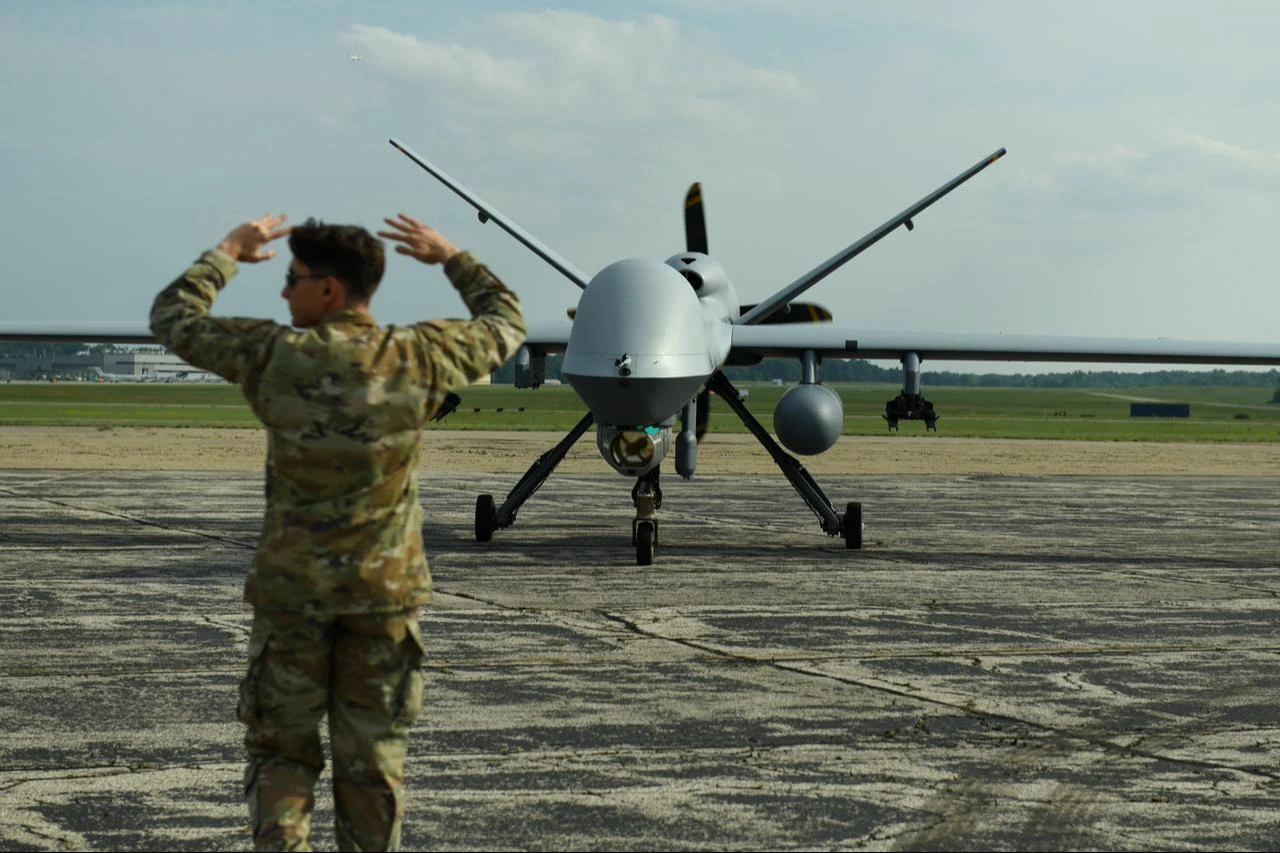
The Pentagon is phasing out the Reaper. It plans to replace the aircraft with a fleet of less expensive armed surveillance drones that can swarm their targets.
The Trump administration is seeking lawmaker support for a $67 billion Iran war supplemental budget. Even if Congress approves the funding, it will take years to rebuild stockpiles depleted by the Iran conflict and by munitions sent to Ukraine.
Hegseth told the Senate in July that the Pentagon would have to curtail military training without a quick infusion of funding. He estimated the Iran war would cost $37.5 billion through the end of September, not including the cost of rebuilding U.S. bases in the Middle East damaged by Iranian strikes.
Congressional Republicans are divided on how to secure war-related funding and have left Washington for their August recess.
The American Enterprise Institute, a right-leaning think tank, released a report examining the Pentagon's efforts to boost production of critical munitions.
The report found "key dependencies" in those plans, including a need for major expansion of defense-industry factory output.
THAAD interceptors could take years to replenish, the report found.
The U.S. Missile Defense Agency's maximum production rate is 96 interceptors a year. But the Pentagon is seeking 857 of them in next year's defense budget and almost 2,600 over the next five years. At current production rates, fulfilling that request would take about 27 years, the AEI report found.
It takes almost three years to manufacture a single THAAD interceptor, AEI senior fellow Todd Harrison, the report's author, told the Post.
"Even if you ordered them today, delivery wouldn't be until President Trump leaves office," Harrison said.
Other U.S. munitions reviewed by AEI showed similar timelines.
Hegseth has met with companies that build key munitions and secured what the Pentagon calls framework agreements to increase production. But no contracts or funding are yet in place for those firms to move forward.
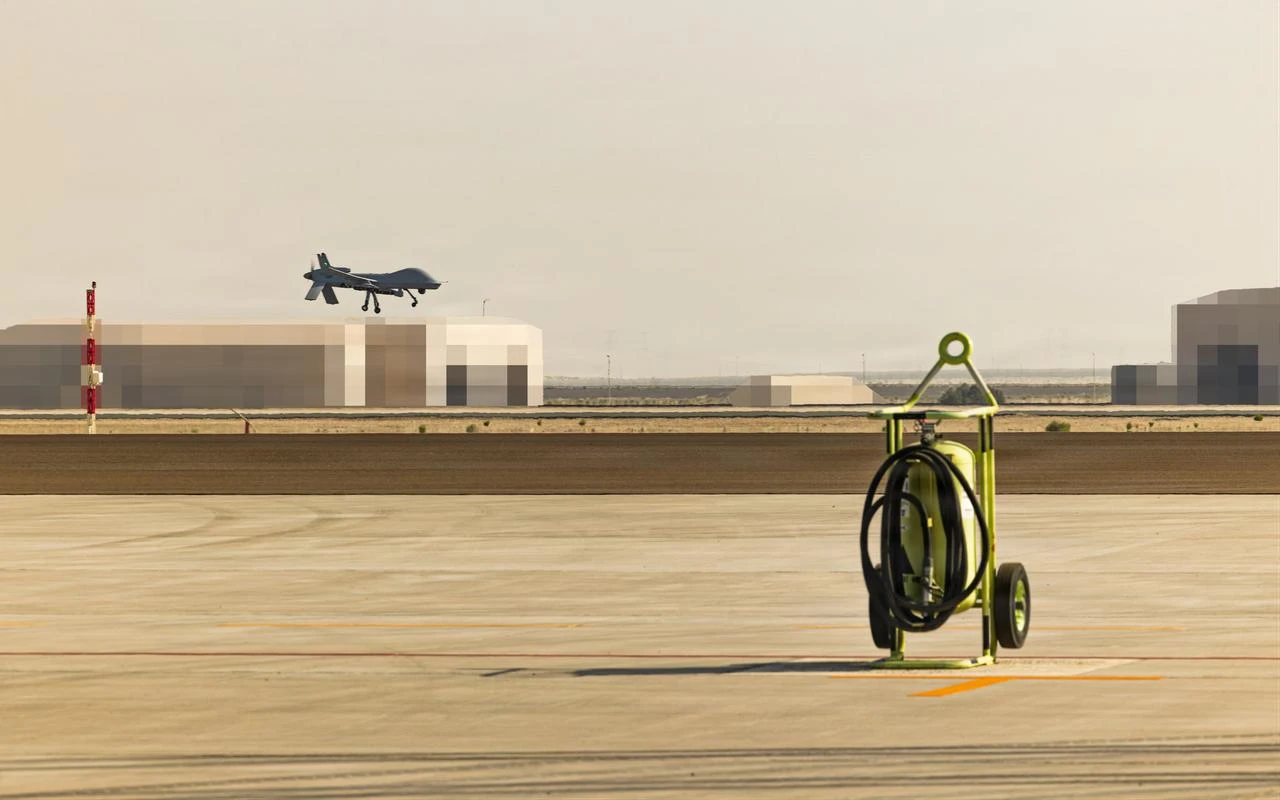
The Reaper is a remotely piloted aircraft built by General Atomics Aeronautical Systems. It is used mainly for intelligence collection, along with strikes against high-value or time-sensitive targets.
A standard crew includes a pilot and a sensor operator, both working remotely.
The aircraft has a wingspan of 66 feet and can fly about 1,150 miles on its standard configuration, or 1,611 miles in its extended-range version.
It can carry a mix of weapons, including Hellfire missiles and several types of guided bombs.
The Air Force lists the aircraft's unit cost at $56.5 million in fiscal 2011 dollars, a figure that includes four aircraft with sensors, a ground control station and a satellite link.
The Reaper entered service in October 2007.


 Set as preferred source
 Set as preferred source



 2 min read