Sign in
 Newsletters


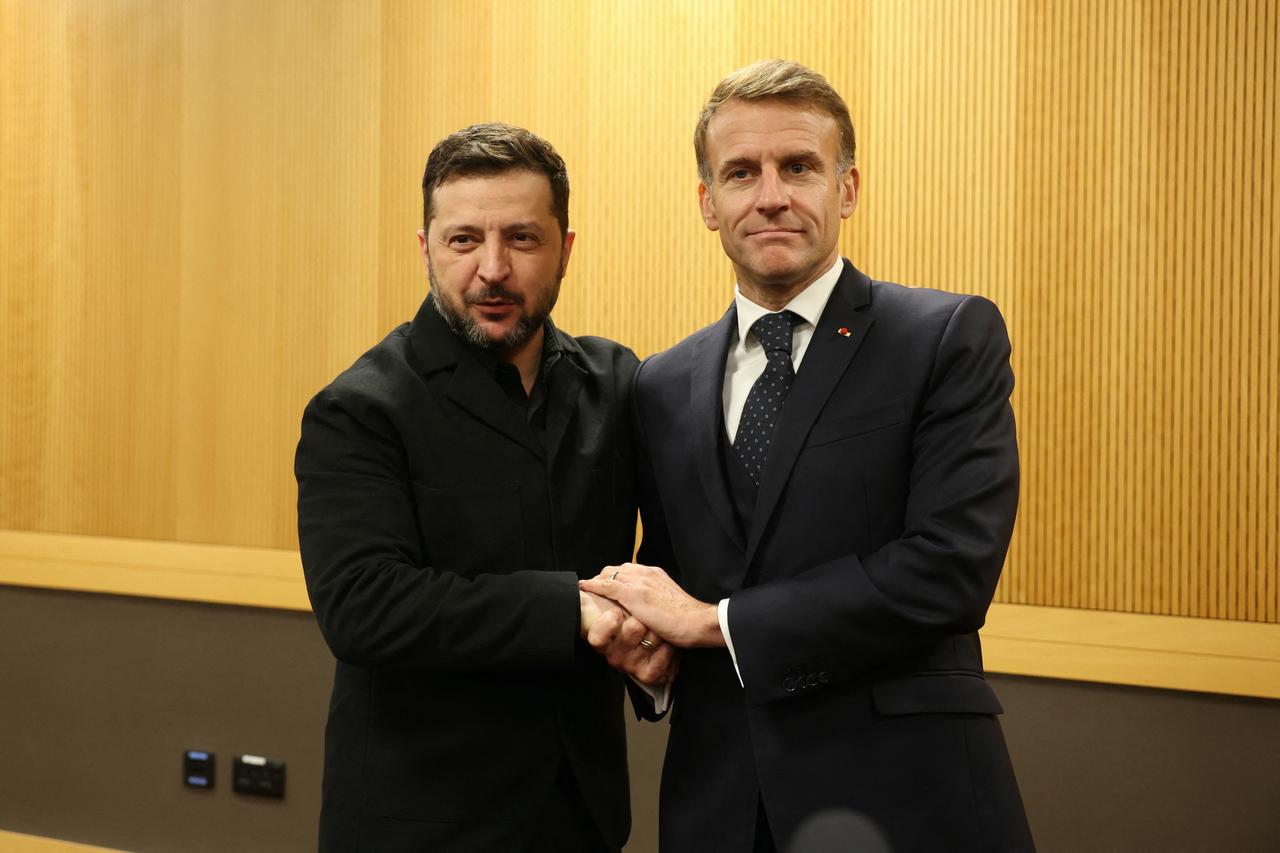


French soldiers have been operating in Ukraine for several months to train Ukrainian personnel and help maintain equipment, a source familiar with the matter told Agence France-Presse (AFP) on Monday.
The source said the mission of a small contingent of French troops excludes any combat role. They spoke to AFP on condition of anonymity after Radio France Internationale (RFI) first revealed the presence of French troops in the war-torn country earlier Monday.
“The rotation of French trainers supporting Ukraine in France, Poland, or occasionally in Ukraine is a reality,” the source told AFP. “But this is not a military operation. There is absolutely no intention of engaging in coercive actions.”
The source did not give details on the number of troops involved.
Citing sources, RFI said French lawmakers had not been informed of the deployment of the confidential mission, led by a French general and code-named “Volia,” which translates from Ukrainian as “freedom” and “will." The report said the mission has been present in Ukraine since at least the summer of 2026, describing a “light and flexible” structure made up of “small teams deployed on short-term assignments.”
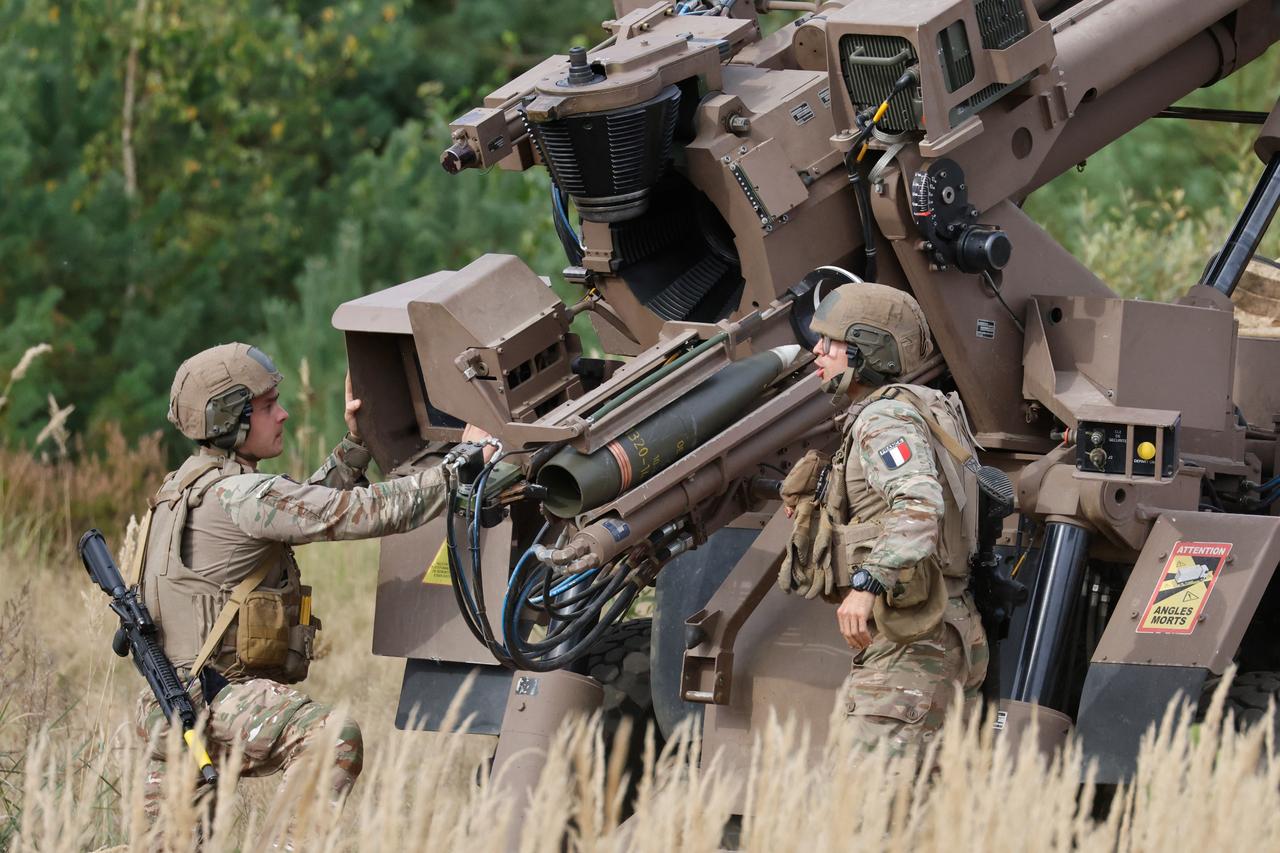

Several sources described as being familiar with the matter told RFI that an official “Gerfaut” mission in Poland serves as a cover for the presence of French troops in Ukraine and acts as a gateway for deployments into the country.
The Gerfaut mission is a French military detachment deployed in Poland since 2023 as part of the European Union’s military assistance initiative supporting Ukraine. Since then, 25,000 Ukrainian soldiers have been trained by the French army, both in France and in Poland.
Russian President Vladimir Putin has repeatedly argued that Russia is effectively fighting the “collective West” in Ukraine, a term he uses primarily to refer to NATO countries and their allies.
But no foreign governments have officially announced the deployment of regular combat troops to fight alongside Ukrainian forces in the country since it was invaded by Moscow in 2022. In March, Britain announced that British engineers were on the ground in Ukraine, working side by side with Ukrainians to service and repair military vehicles.
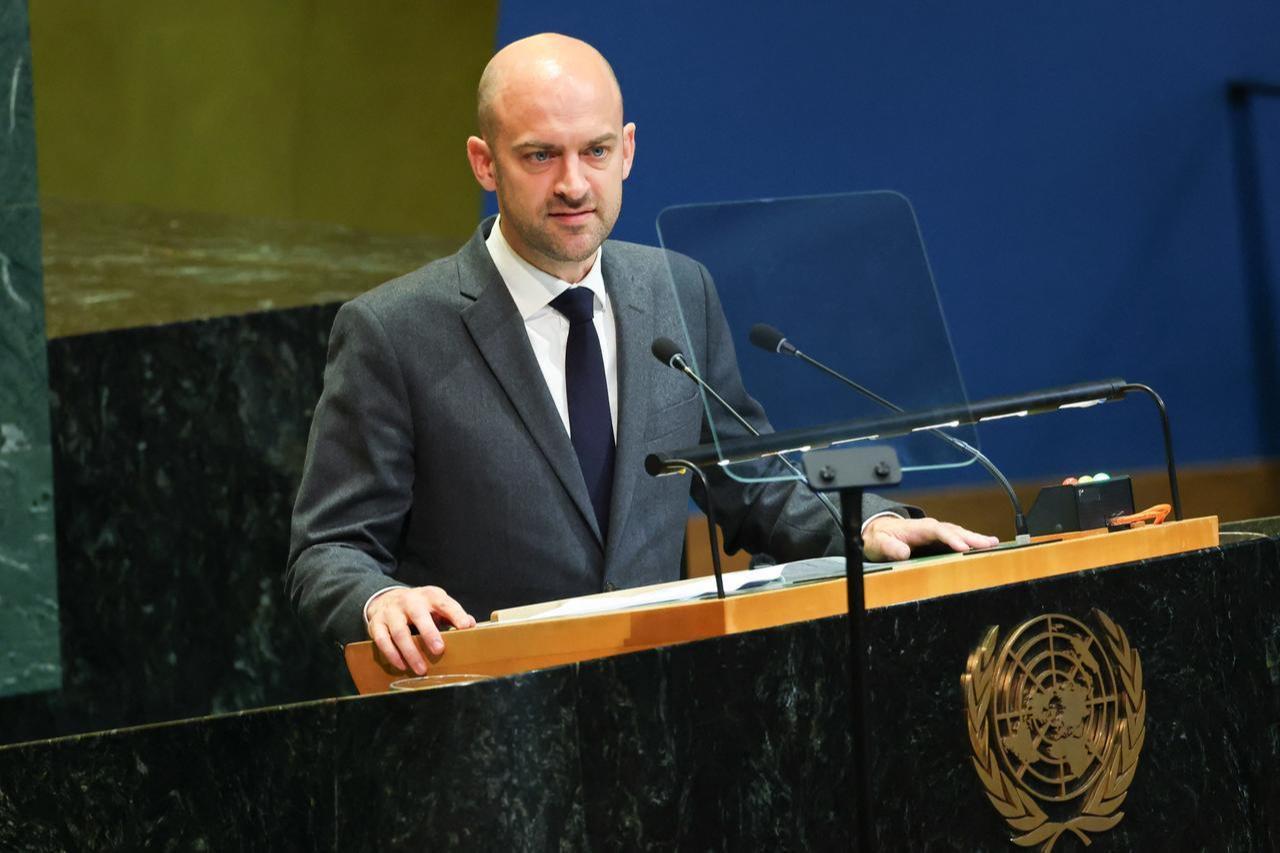
Separately, French Foreign Minister Jean-Noel Barrot vowed Monday to protect Europe’s security order “tooth and nail” in talks over the Ukraine war, after EU leaders picked Paris in a team for any future negotiations with Russia.
“It is not for others to dictate to Europeans the terms of their own security,” Barrot said at an EU meeting in Brussels. “We will defend, tooth and nail and inch by inch, the key principles to which we are deeply committed.”
EU leaders last week agreed that France, along with Britain, Germany, Italy, Poland and the EU institutions, should represent Europe, after U.S. envoys said the Kremlin had agreed to let it join the talks.
Russia is pushing to renegotiate Europe’s broader security framework as part of any talks, and appears to be reviving demands to roll back NATO forces and stop the alliance accepting new members.
Barrot echoed other EU leaders who have insisted that Russia must stop its invasion before there can be any discussion of European security. “The first step is to put an end to this colonial and imperialist war of aggression,” he said.
German Foreign Minister Johann Wadephul insisted that Europe “does not need” a new security architecture. “We simply need everyone to respect the existing security architecture,” he said.
EU officials say that a date for a new round of talks has yet to be set, and there is deep skepticism that Russia is willing to end its war.
 1 min read

France will hold a two-round vote in April and May to elect a successor to President Emmanuel Macron, who has been a staunch supporter of Ukraine. The far-right National Rally (RN) party, whose leader Marine Le Pen is the front-runner to replace Macron, has said that France would cut financial aid to Ukraine within six months if she is elected president.
Macron said over the weekend that countries seeking to limit aid to Ukraine wanted to impose an “unjust peace” and warned that it was a recipe for another war.


 Set as preferred source
 Set as preferred source



 1 min read