Newsletters


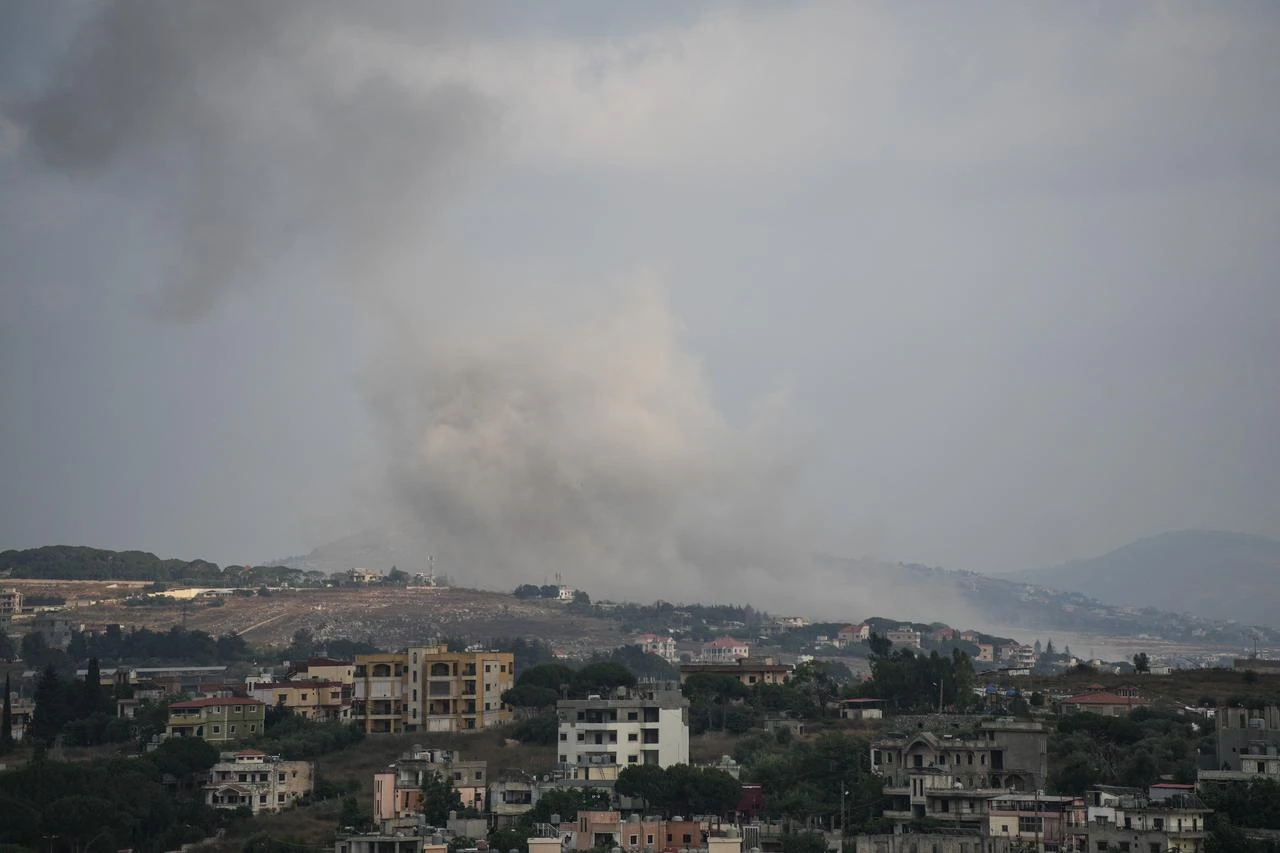


Israeli and Lebanese military officers have begun U.S.-mediated talks to define the criteria for "Hezbollah-free zones" ahead of the planned trial withdrawal from two villages in southern Lebanon, according to the Israeli media.
The discussions aim to avoid misunderstandings that could disrupt implementation of a U.S.-brokered agreement, particularly after earlier disagreements over how such areas should be defined, KAN reported, citing unnamed Israeli security officials.
At the same time, Israeli Prime Minister Benjamin Netanyahu convened senior military and security officials on Sunday to review developments along the Lebanese border and approve withdrawal positions for the initial phase of the pullback, Israel's Channel 13 reported.
Israeli officials indicated that troops have not yet begun leaving the two designated "pilot" areas. The withdrawal is expected to get underway in the coming weeks once the Lebanese army and the U.S. Central Command (CENTCOM) confirm they are ready to deploy and take control of the areas.
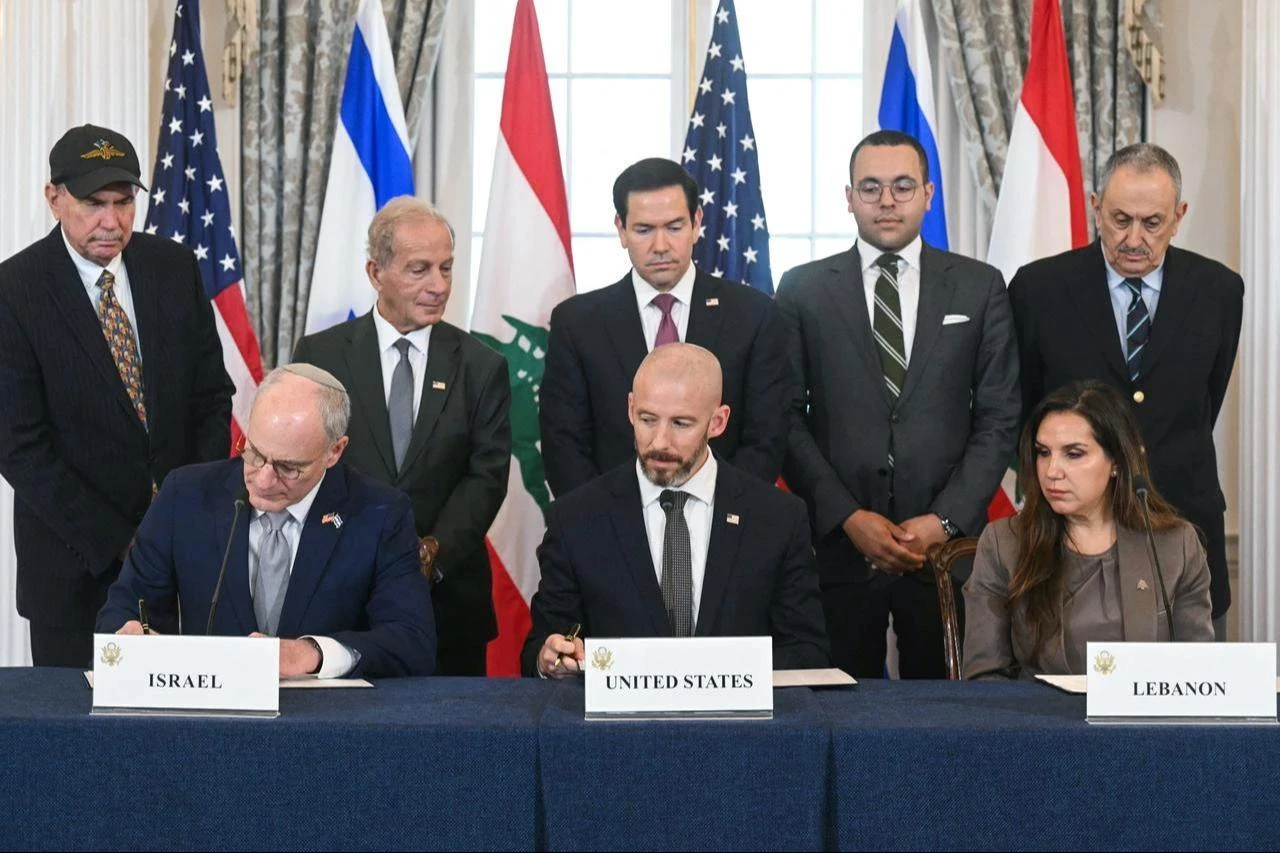
Israel committed to a gradual withdrawal from Lebanese territory, beginning with two trial areas, under a U.S.-brokered framework agreement signed by both sides on June 26.
The agreement does not establish a timetable for a full Israeli withdrawal. Instead, additional troop pullbacks are tied to the Lebanese army assuming full responsibility for security in evacuated areas and the disarmament of armed groups operating outside state control, an apparent reference to Iran-backed Hezbollah.
According to Israeli media, the first stage is intended as a pilot phase that could later be expanded if the arrangements are implemented successfully and without security incidents.

Israeli military operations in Lebanon have continued since March 2, as part of the Iran conflict. Since then, Israeli forces have targeted Hezbollah positions and command centers while pushing deeper into southern Lebanon.
According to Lebanon's Health Ministry, the fighting has killed more than 4,300 people and wounded over 12,000 others. The conflict has also displaced nearly 1 million people, although hundreds of thousands have begun returning as hostilities eased in recent weeks.
Iran insisted that any diplomatic agreement with the U.S. include a ceasefire in Lebanon, making an end to Israeli military operations there part of the recently signed Islamabad Memorandum.
Israeli troops also remain deployed in parts of southern Lebanon, including areas held for decades and territories seized during the 2023-2024 war.
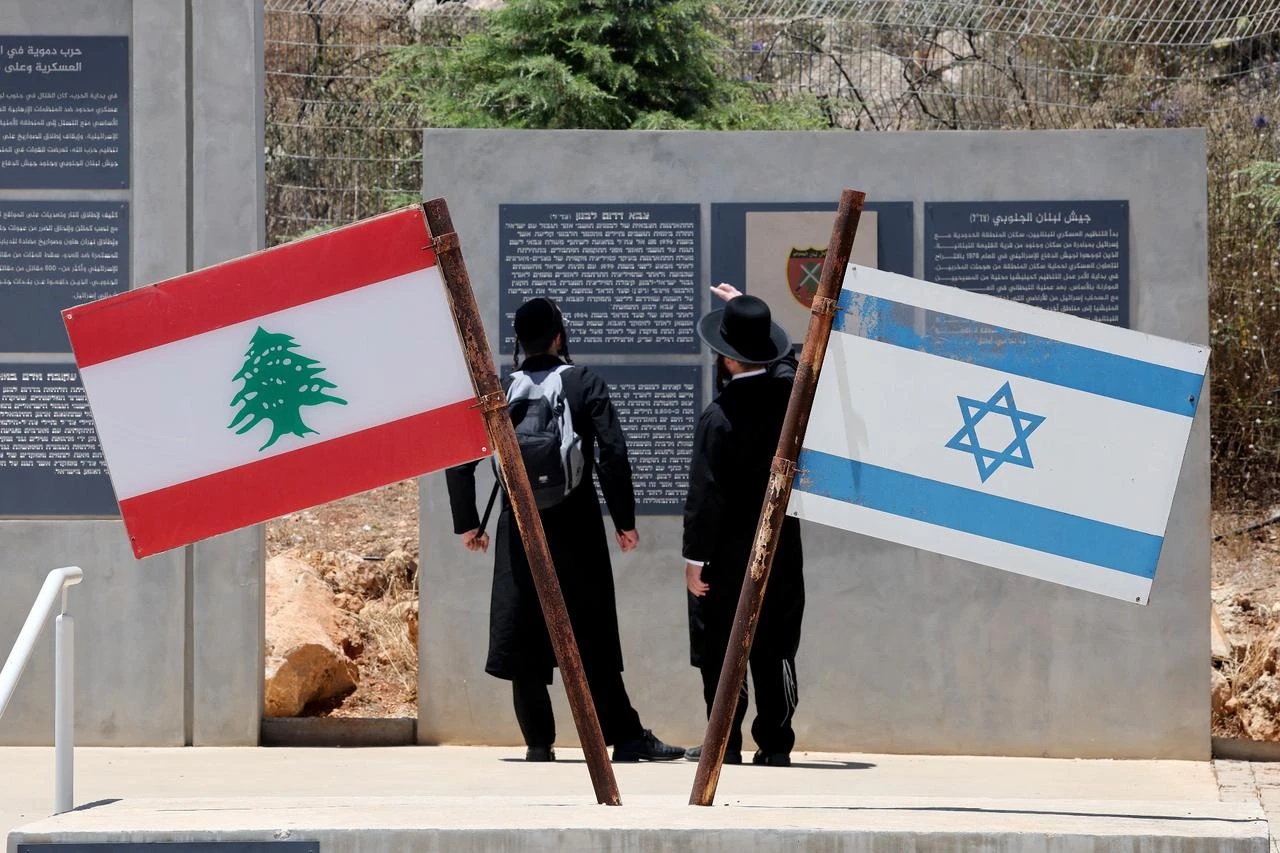
Israel has established a buffer zone extending more than 10 kilometers (6.21 miles) into Lebanese territory, arguing that the presence is needed to prevent Hezbollah from re-establishing military infrastructure near the border.


 Set as preferred source
 Set as preferred source


 2 min read
 1 min read