Newsletters


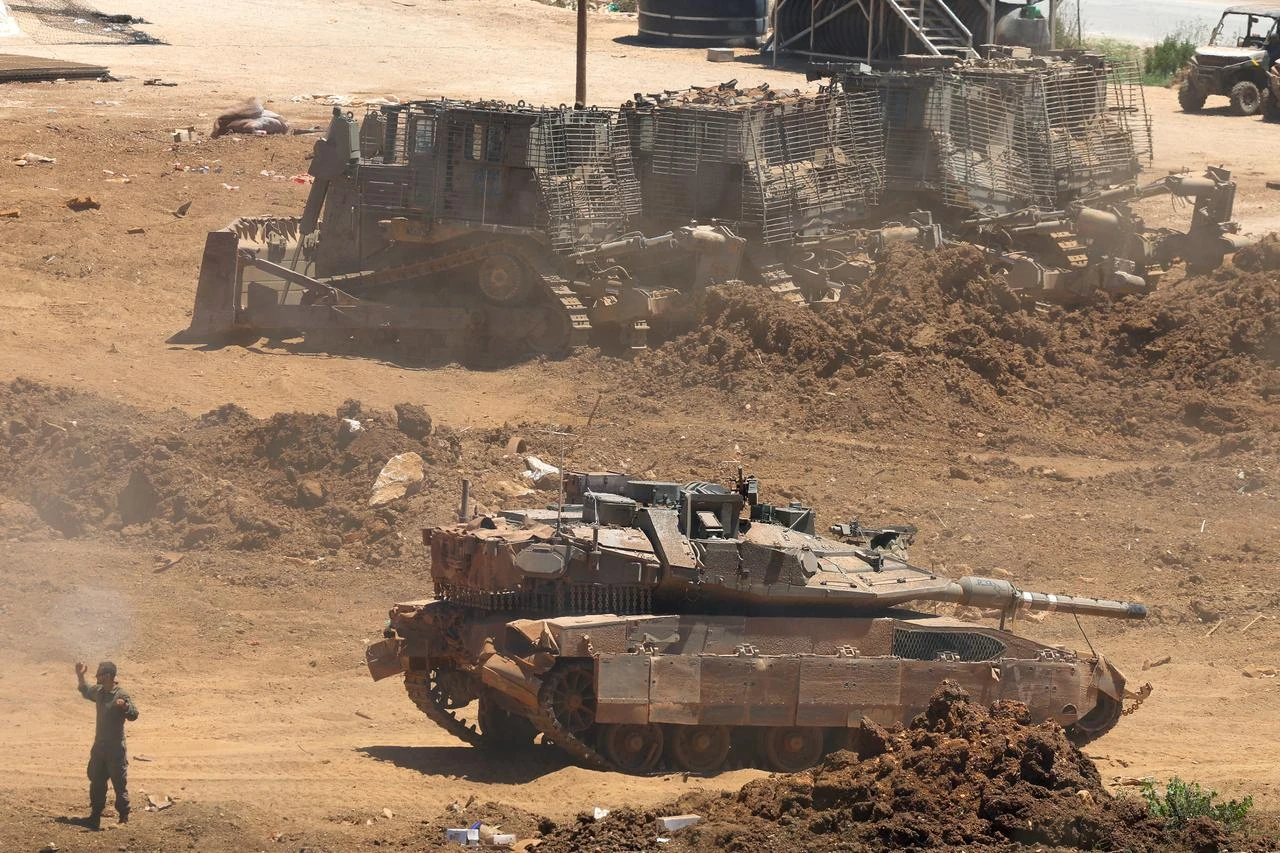


Israel's planned withdrawal from two pilot areas in southern Lebanon and the transfer of control to the Lebanese army could take between one and three weeks, Israeli state broadcaster KAN reported, as preparations advance under a U.S.-mediated framework agreement reached in Washington.
Joseph Clearfield, commander of Marines in U.S. Central Command and head of the ceasefire monitoring committee, visited Israel this week for focused talks on the pilot withdrawal, according to the report.
Clearfield's professional team is expected to arrive in the coming days to begin detailed planning for the two limited areas from which the Israeli army is expected to withdraw in the first phase.
The move is part of security arrangements in northern Israel and southern Lebanon following the framework agreement signed between Israel and Lebanon on June 26 after the fifth round of direct negotiations in Washington.
KAN reported that the Israeli army has finalized proposals for the next two areas from which its forces may withdraw as the process moves forward.
The proposals have been sent to Israeli Chief of Staff Eyal Zamir, who is expected to present them to the security cabinet in upcoming meetings for approval.
Under the agreement, the Israeli army is expected to withdraw from two pilot areas in southern Lebanon and transfer control to the Lebanese army.
Israel intensified its attacks on Lebanon on March 2 and occupied a large area in the country's south. Despite the ceasefire, the Israeli army has continued its attacks and occupation in southern Lebanon and has not yet withdrawn from the areas, according to the report.
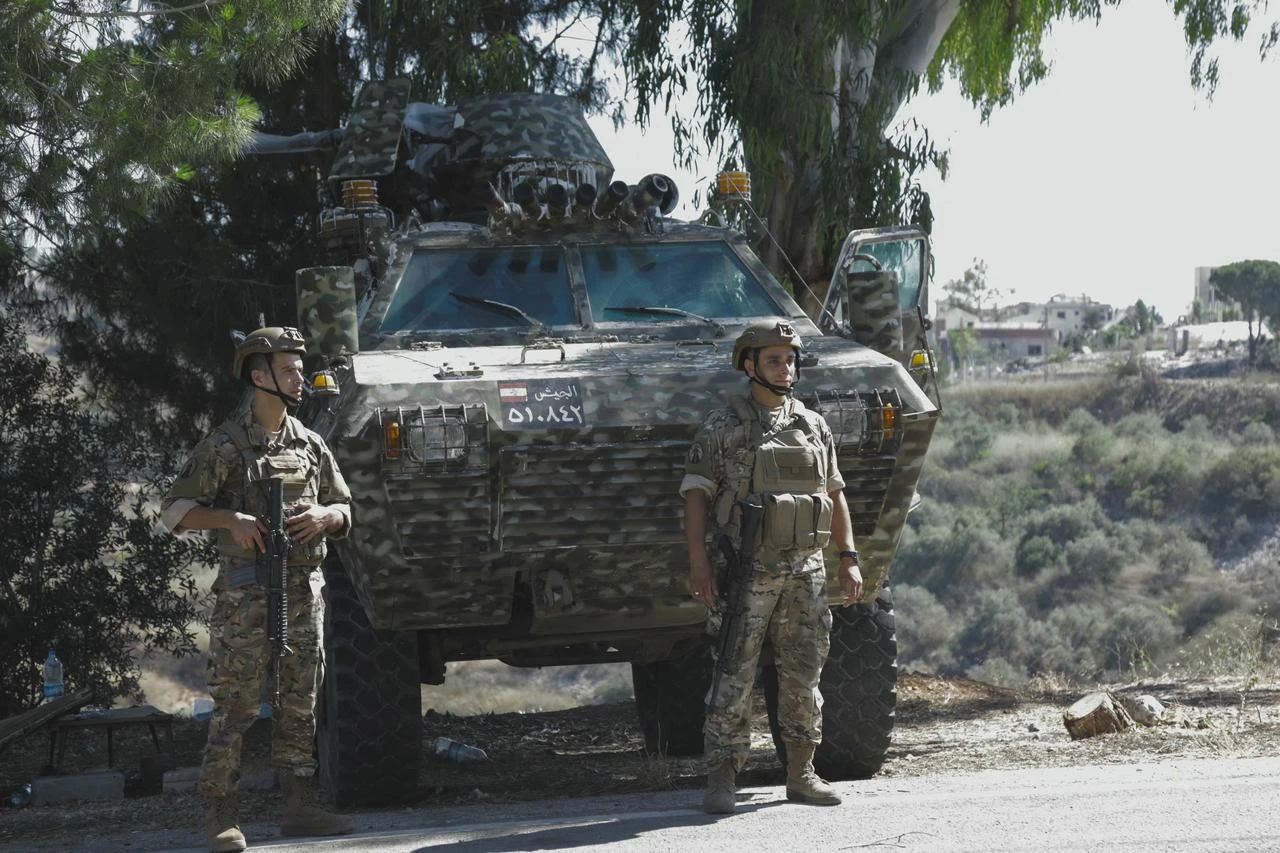

The planned withdrawal is being coordinated with active U.S. involvement. Clearfield, who is responsible for the pilot withdrawal process, arrived in Israel as operational preparations moved ahead within Israel's security establishment.
His team is expected to determine the precise areas from which the Israeli army would withdraw during the first phase.
According to current assessments in Israel's security establishment, the transfer of those areas to the Lebanese army in an orderly manner is expected to take between one and three weeks.
KAN also reported that Israel and Lebanon are working to establish a joint monitoring mechanism between their militaries to oversee implementation of the ceasefire on the ground.
The mechanism is included in the agreement's secret security annex and is expected to significantly upgrade coordination between the two sides, according to sources familiar with the matter cited by KAN.
The new system would allow both sides to operate together, likely through a form of joint virtual operations room. The U.S. is also expected to remain actively involved in setting up the coordination cell.
Unlike the previous mechanism, which focused mainly on reviewing ceasefire violations, the new cell is expected to coordinate active steps toward dismantling Hezbollah, according to the report.
The U.S. is expected to individually review and approve the people allowed to take part in the mechanism to prevent Hezbollah from gaining access to sensitive information shared through it, KAN reported.
According to a source familiar with the matter, one reason a similar mechanism established in 2024 failed was that information was passed to Hezbollah.
The current lessons-learned process is intended to ensure the long-term success of the new mechanism, according to the report.


 Set as preferred source
 Set as preferred source


 1 min read
 1 min read