Newsletters


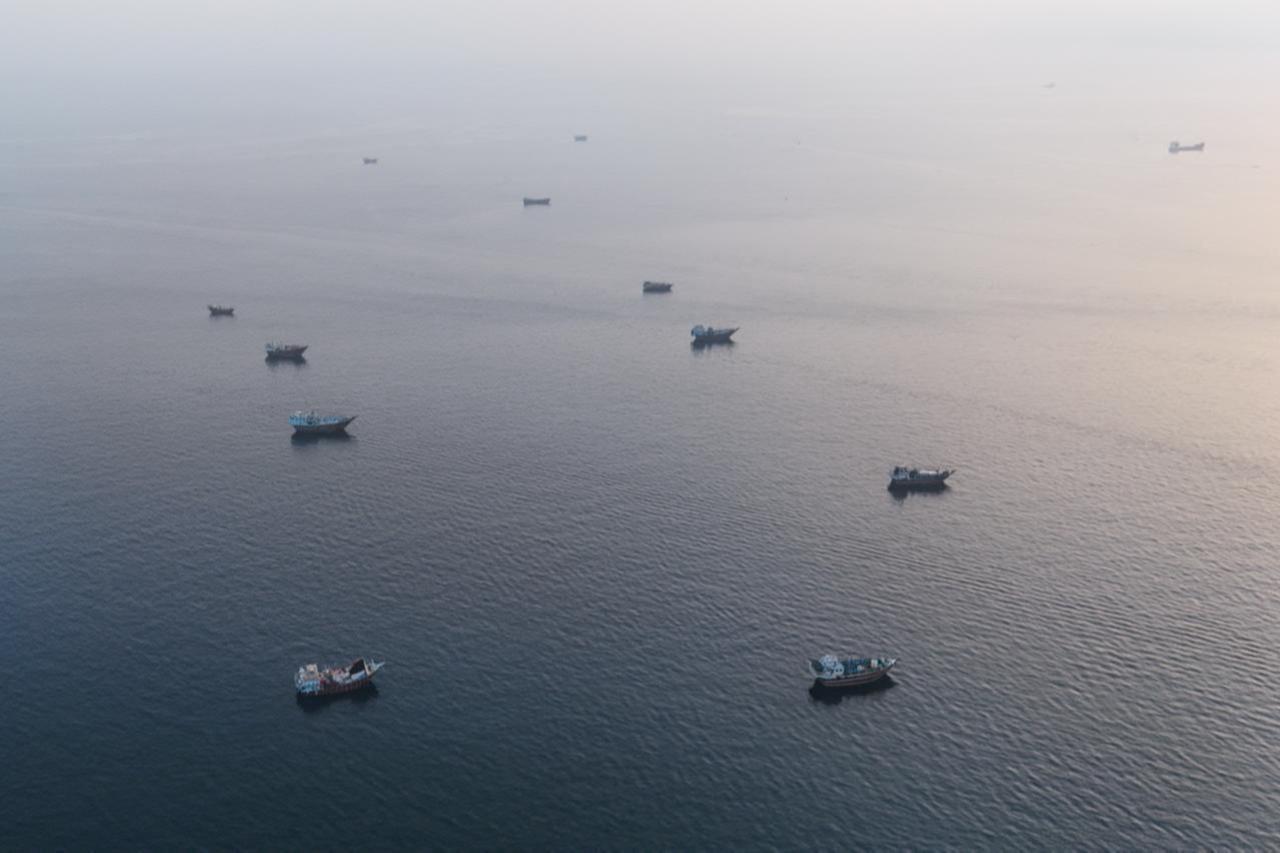


The United States military announced Monday it will resume its blockade of Iran's ports at 4 p.m. Eastern Time on Tuesday, signaling a sharp new escalation in the ongoing conflict between Washington and Tehran after a fragile ceasefire unraveled in recent days.
U.S. Central Command said American forces "will resume blockading maritime traffic entering and exiting Iranian ports on July 14 at 4 pm ET."
The announcement marks the reinstatement of a measure Washington first imposed in April, following the breakdown of peace negotiations in Islamabad. That original blockade was lifted as part of a memorandum of understanding in which Iran committed to allowing safe commercial passage through the Strait of Hormuz, a waterway through which roughly a fifth of the world's seaborne oil and liquefied natural gas supply had historically flowed. In exchange, the United States agreed to end the port blockade.
That arrangement has since disintegrated. In recent days, the two sides exchanged renewed strikes, with Washington launching what it described as retaliatory attacks on Iranian targets and Tehran responding with strikes on U.S. military installations in Kuwait and Bahrain. President Donald Trump, speaking at the NATO summit in Ankara, declared the ceasefire "over" and said the U.S. was reimposing its naval blockade.
When U.S. Central Command first implemented the port blockade in April, it declared the measure "fully implemented" within days, saying economic trade entering and leaving Iran by sea had been "completely halted." Defense Secretary Pete Hegseth at the time described the blockade as applying to vessels "of all nations" entering or leaving Iranian ports, regardless of flag.
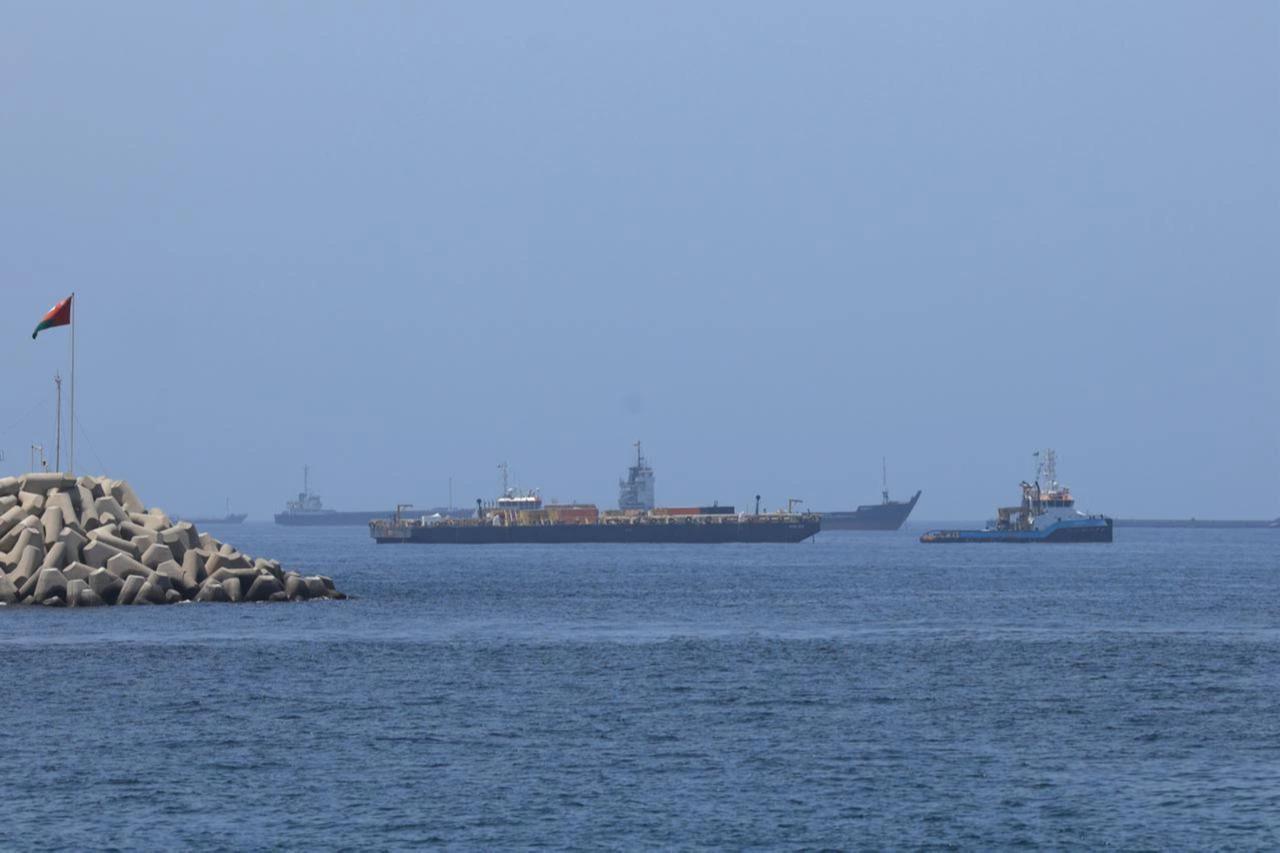
The Strait of Hormuz, the narrow chokepoint linking the Persian Gulf to the Gulf of Oman, has been a central flashpoint throughout the conflict. Iran's Islamic Revolutionary Guard Corps had previously warned vessels against transiting the strait and conducted attacks on commercial shipping in the waterway, while the U.S. conducted a campaign to reopen it to international traffic.
The reimposition of the blockade comes as oil markets have already shown sensitivity to each new development in the conflict. When Trump first signaled the blockade's return over the weekend, crude prices rose sharply, with Brent crude climbing more than seven percent to around $81 a barrel, the highest level since mid-June.
Vice President JD Vance framed the situation in stark terms, saying the original deal had been straightforward: the U.S. would lift its blockade so long as Iran stopped attacking ships. "If they shoot at ships, we're going to knock the hell out of them," Vance said, adding that Iran had "been well behaved for about a week, but then they start shooting at ships."
The blockade is now set to resume with the ceasefire broadly considered collapsed and diplomatic talks stalled, leaving maritime traffic through one of the world's most strategically critical waterways again in jeopardy.


 Set as preferred source
 Set as preferred source


 1 min read

 1 min read