Newsletters


Iranian President Masoud Pezeshkian stated on Thursday that any attempt to impose a maritime blockade or restrictions in the Persian Gulf was "contrary to international law" and "doomed to fail," marking Persian Gulf National Day with a direct message to Washington.
A senior unnamed security official told Press TV that Iran's military would respond to the U.S. blockade with an "unprecedented action" in the near future.
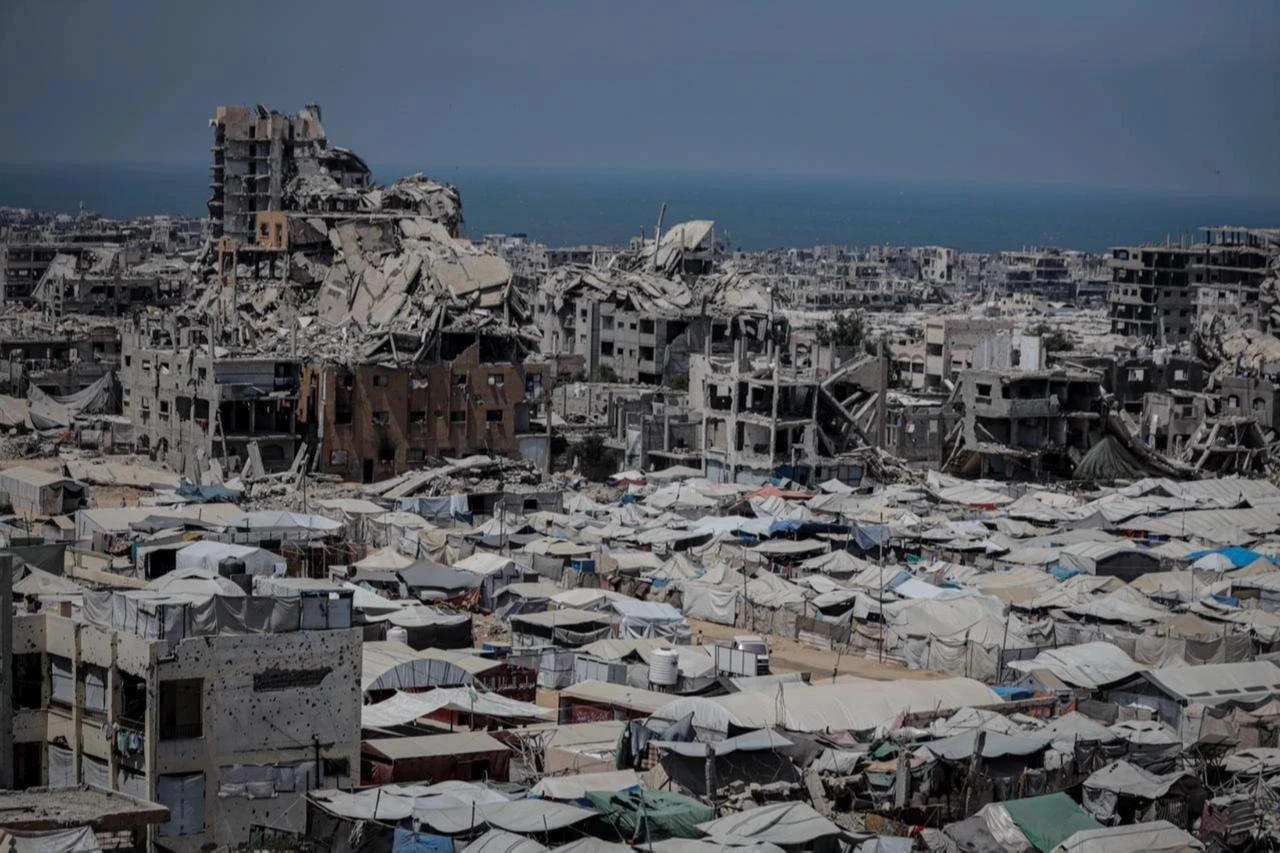
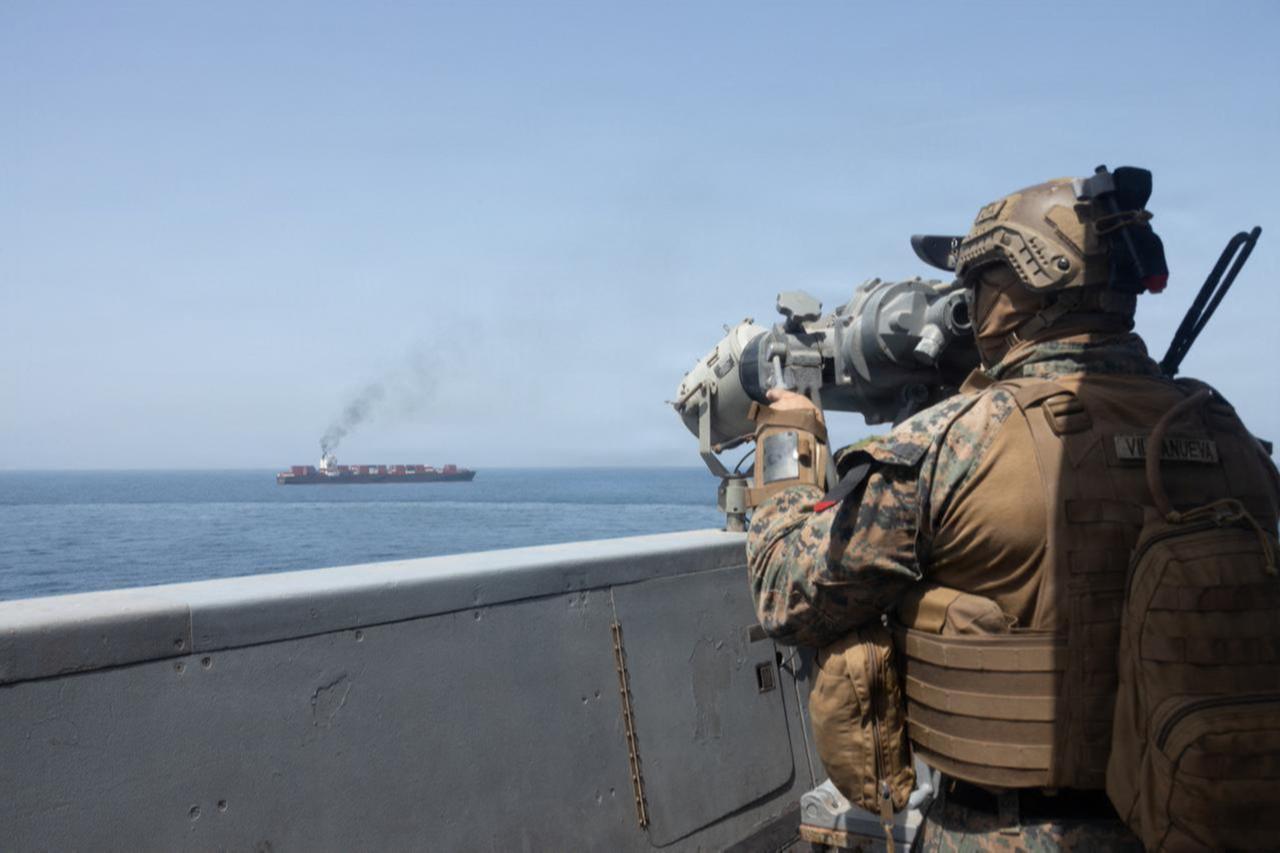
Meanwhile, the U.S. Central Command (CENTCOM) announced that 42 ships had been turned back, with 69 million barrels of Iranian oil, worth an estimated $6 billion, currently stranded aboard 41 tankers.
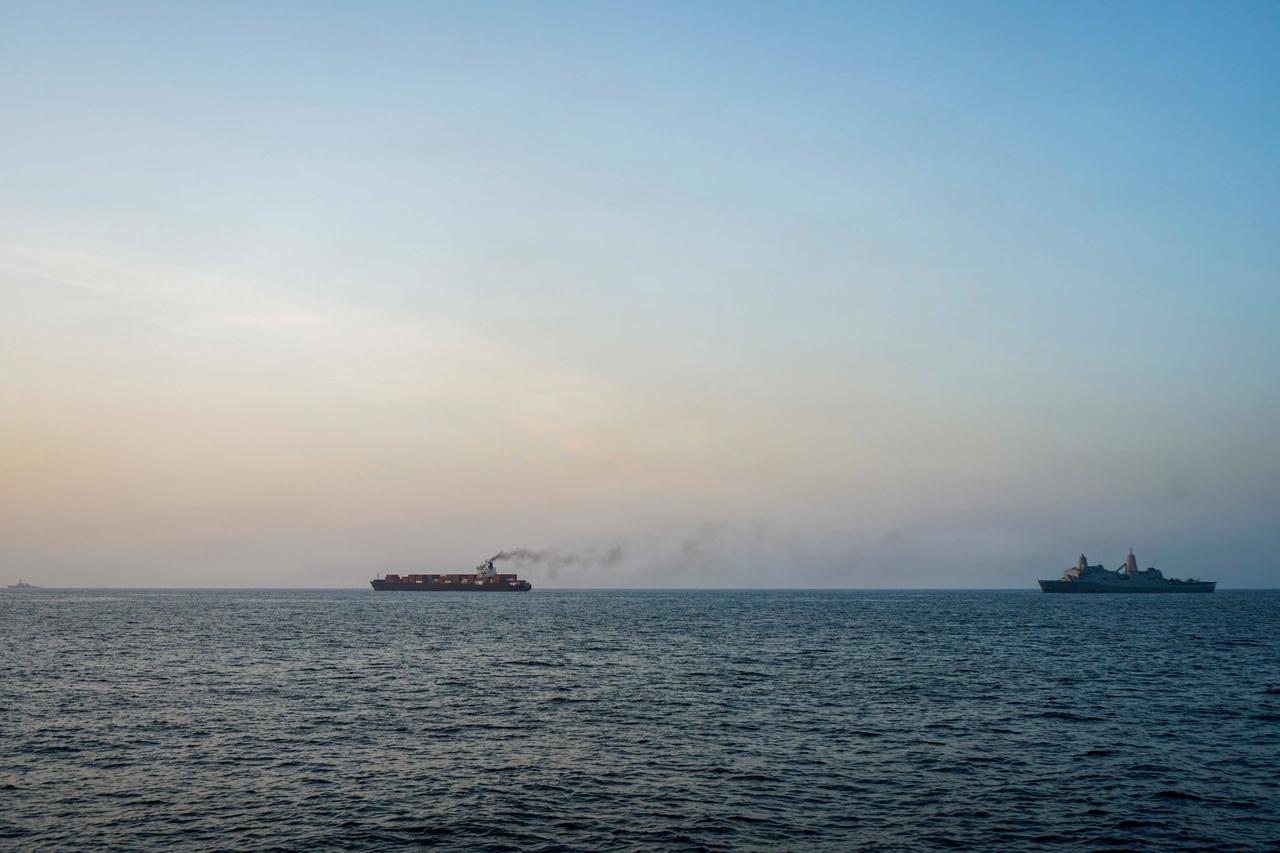

In his National Day statement, Pezeshkian said, "Any attempt to impose a maritime blockade or restrictions is contrary to international law and against the interests of regional nations and global peace and stability and is doomed to fail."
"Such measures will not only fail to enhance regional security but are in fact a source of tension and a disruption to lasting stability in the Persian Gulf," he added.
He said the Persian Gulf "is not an arena for imposing unilateral foreign will" and that its security "can only be ensured through the cooperation of its littoral states."
Pezeshkian described the Strait as "an inseparable part of Iranian national identity and a symbol of the sovereignty of the Islamic Republic of Iran."
He added that a legislative plan addressing maritime restrictions was in its final stages following review by parliament's judicial commission.
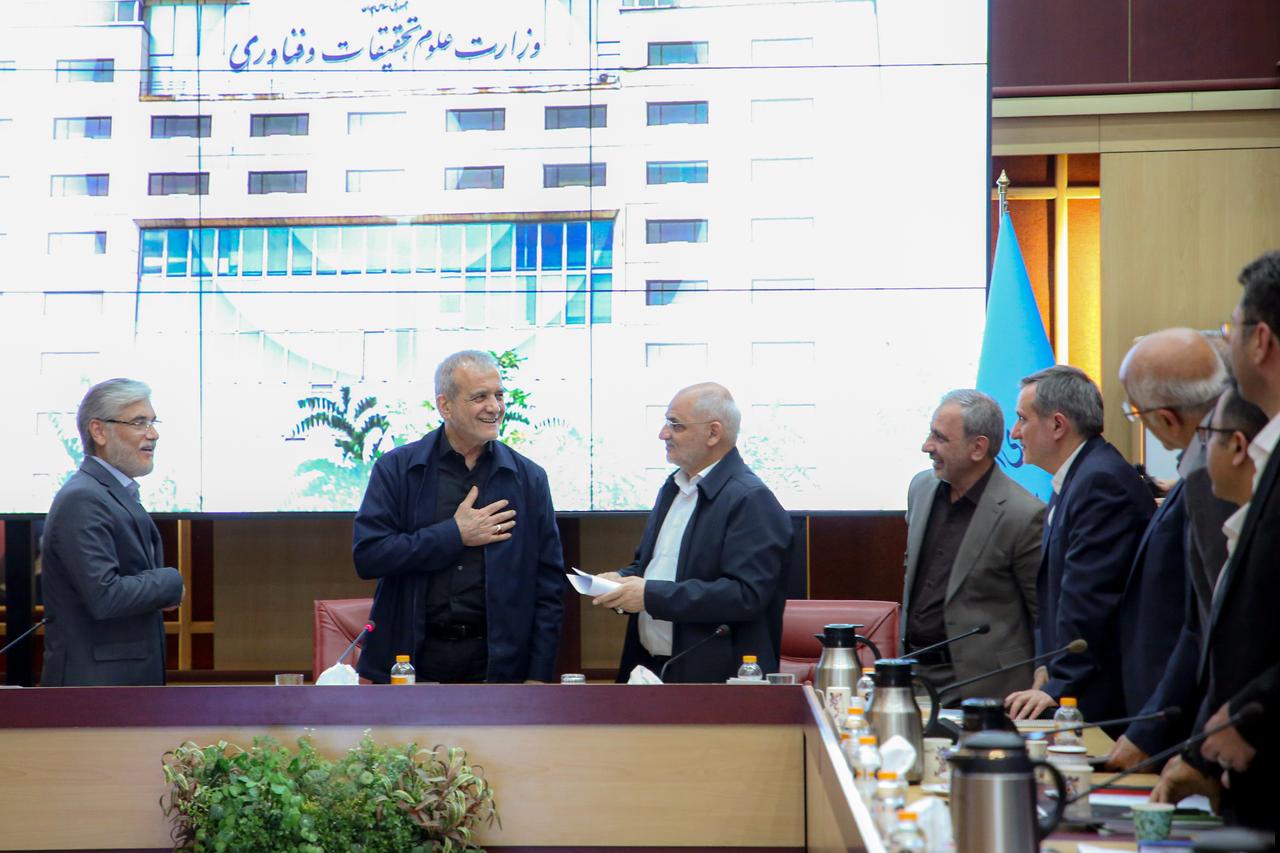
An unnamed senior security official told Iranian state television Press TV that Iran's armed forces would soon respond to the U.S. naval blockade with a practical and "unprecedented action."
The official said Iran's restraint to date had been intended "to give diplomacy a chance and allow the U.S. to learn and accept Iran's conditions for permanently ending the war."
Iran's Supreme Leader's military adviser Mohsen Rezaei said on state television that the U.S. blockade "will fail," adding that Iran had multiple ways to bypass it.
He warned that if the blockade continued, Iran may "resort to confrontation to break it."
Rezaei also outlined scenarios for a resumed war, focused on southern coastal areas extending toward Isfahan, with some activity in western regions and possible bombings and assassinations in Tehran.
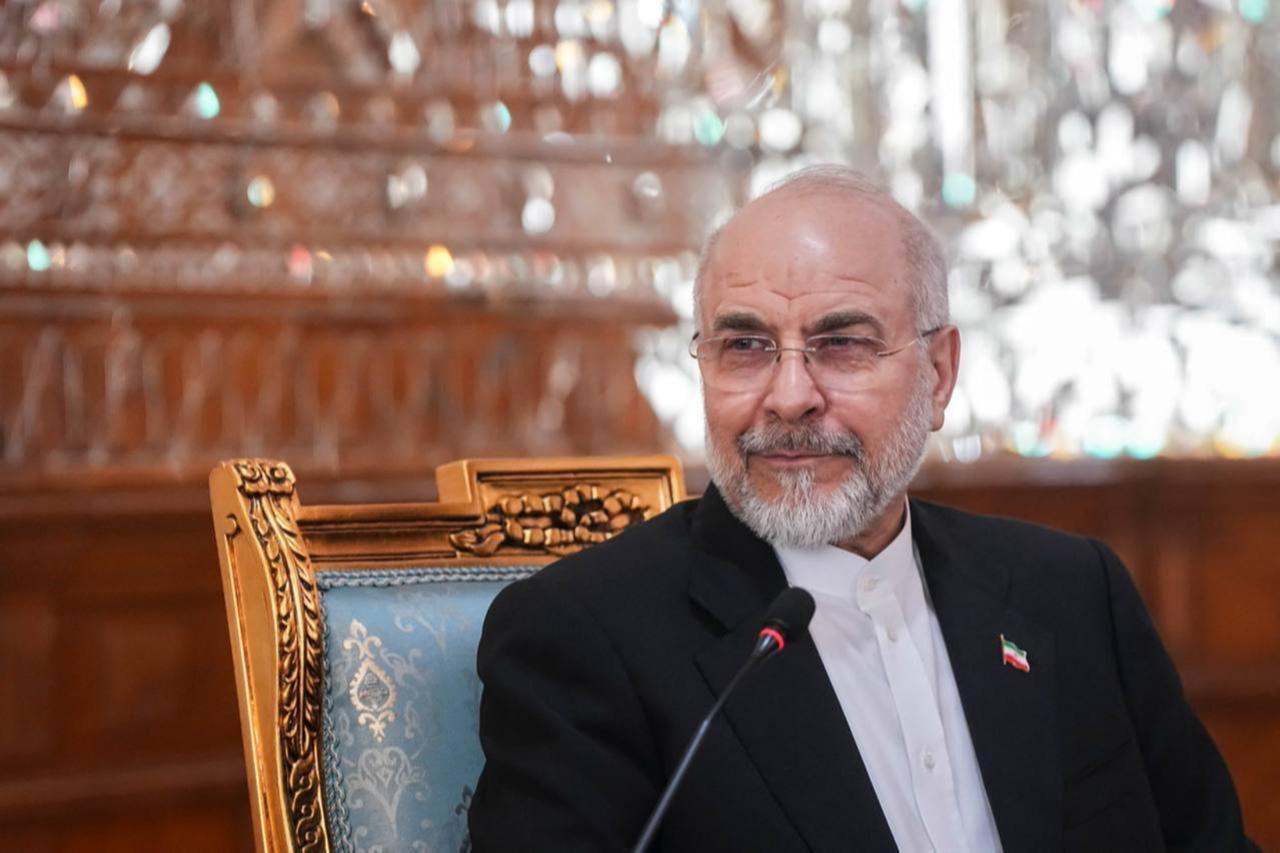
Meanwhile, the Iranian parliament's presiding board member Alireza Salimi told ICANA that Iran was pursuing a three-step strategy for war compensation:
He said the U.S. should be classified as a "hostile state" under international law and that countries allowing their territory or airspace to be used for attacks could face legal claims.


 Set as preferred source
 Set as preferred source


 1 min read
 1 min read