Newsletters


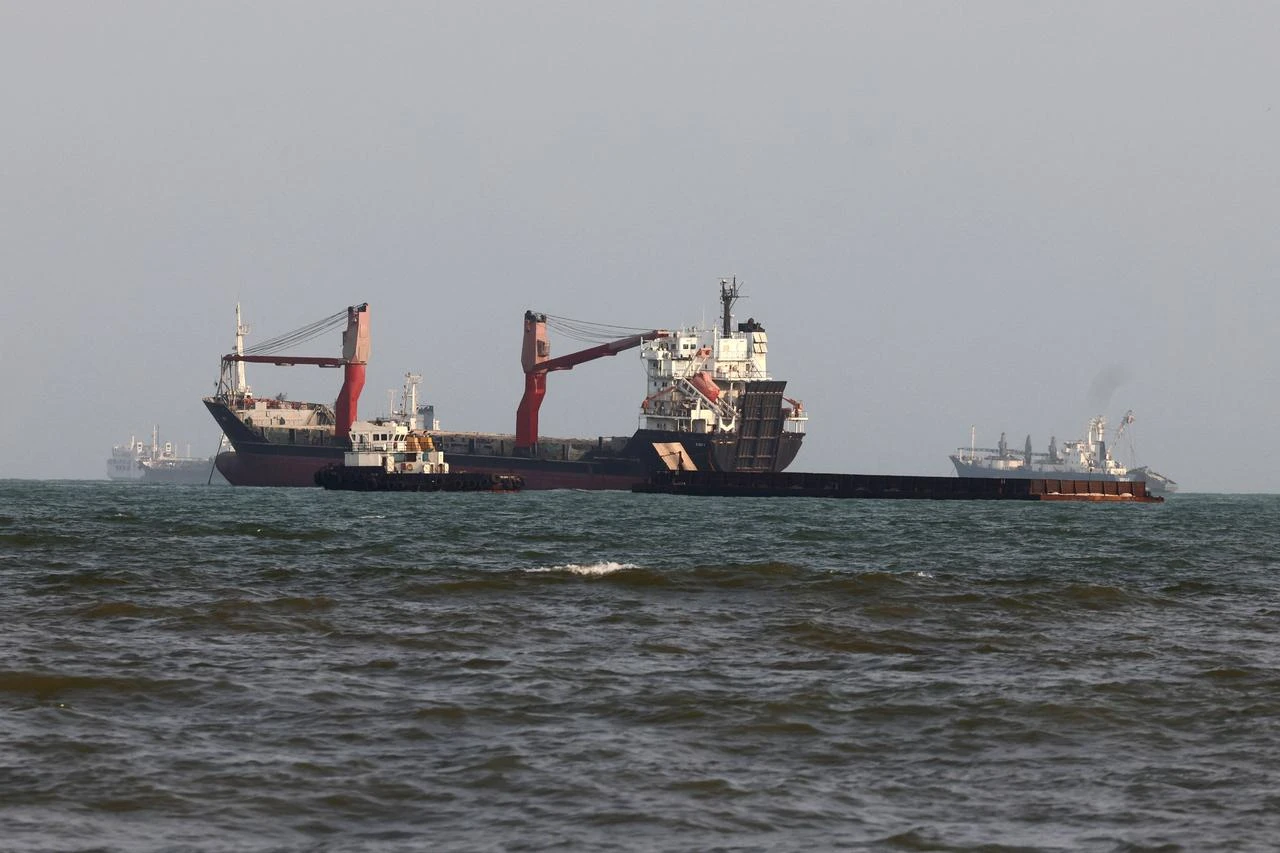
U.S. Energy Secretary Chris Wright said the U.S. military helped move more than 15 million barrels of oil and other products through the Strait of Hormuz in a single day this week, even as a new maritime report shows overall ship traffic through the waterway remains at just 20% of pre-war levels.
The contrasting figures highlight the gap between U.S. military efforts to keep the strait open and the broader shipping industry's continued reluctance to use the route.
Wright said in a social media post Saturday that the U.S. military assisted in the passage of "over 15 million barrels of oil and products" through the Strait of Hormuz on Tuesday.
Combined with oil exported through pipelines, the total leaving the region that day was closer to 20 million barrels, Wright said.
"On Tuesday, the U.S. military helped ship over 15 million barrels of oil and products out of the Strait of Hormuz — combined with pipelines, the total leaving the region is closer to 20 million barrels. 7-day average of oil leaving the Strait is over 8 million barrels a day. Make no mistake, thanks to the U.S. Navy, oil is flowing through the Strait of Hormuz," Wright wrote on X.
Wright said the seven-day average of oil leaving the strait has been more than eight million barrels a day over the past week.
That figure remains less than half of the daily average before the war.
Wright's remarks come amid Iran's ongoing efforts to block shipping through the strait since February.
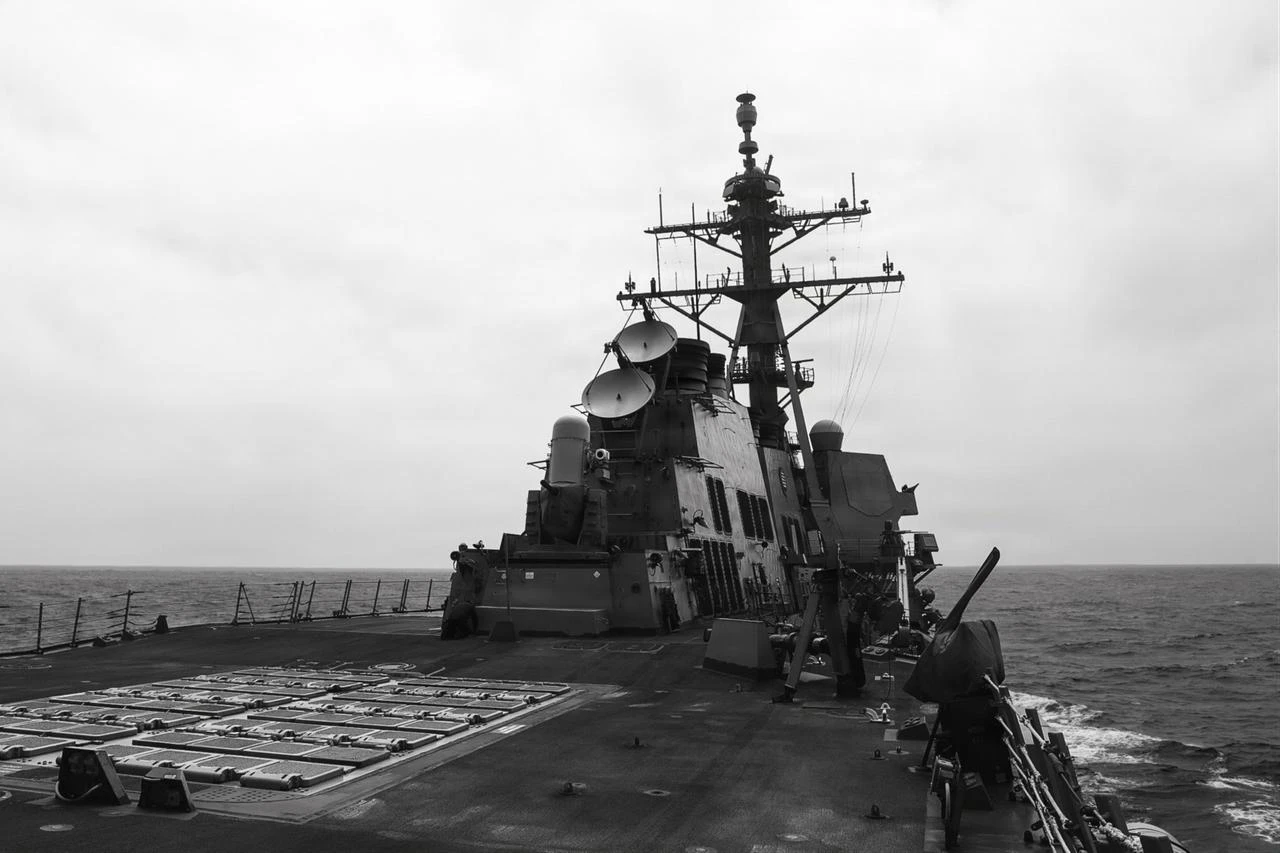

Sources with the U.S. Navy and U.S. Central Command (CENTCOM), which oversees U.S. military operations in the Middle East, told CBS News senior national security correspondent Charlie D'Agata Thursday that the U.S. was using its military and the naval blockade of Iranian ports to try to ensure the safe passage of ships through the strait.
The sources said the U.S. has also been intercepting Iranian drones and missiles targeting those ships.
On July 29, CENTCOM said the U.S. military had assisted in getting about 500 million barrels of oil through the strait since May.
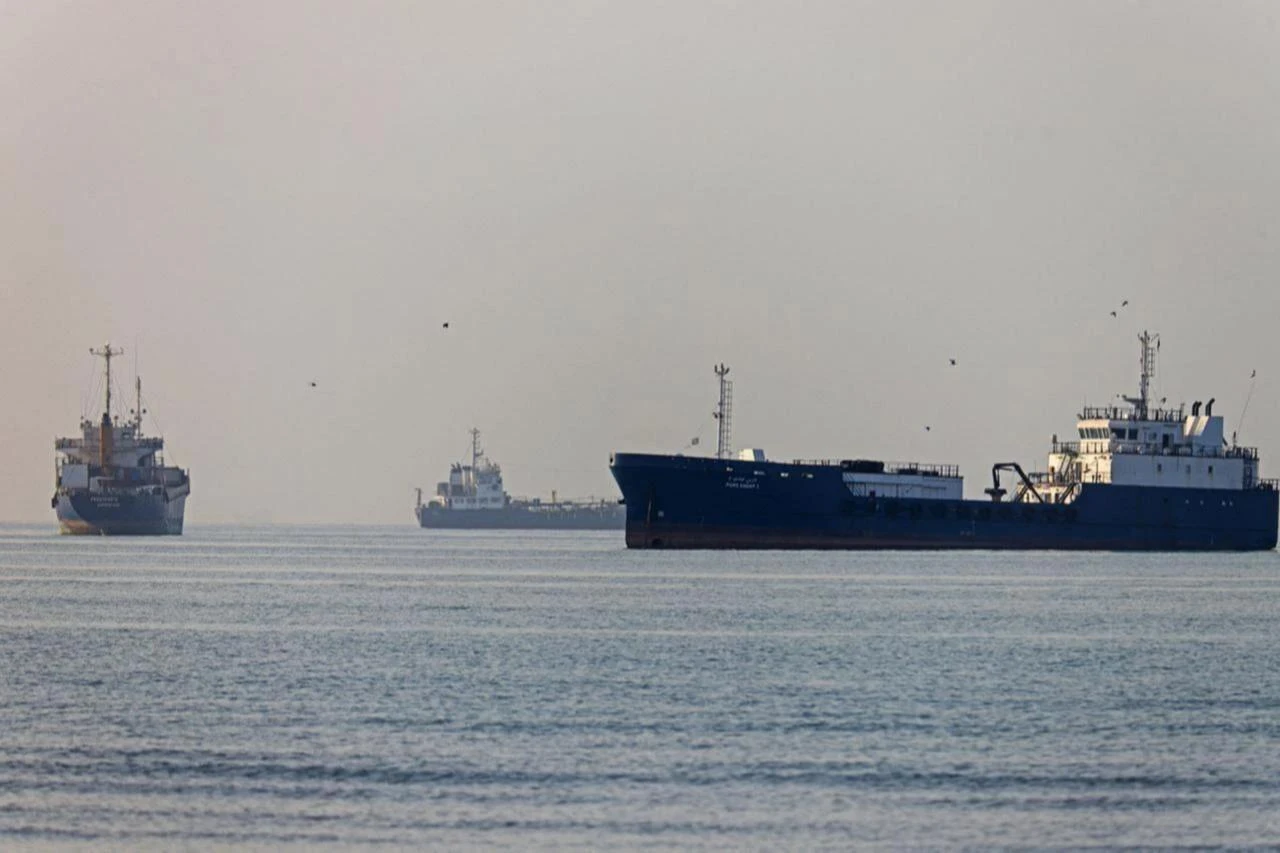
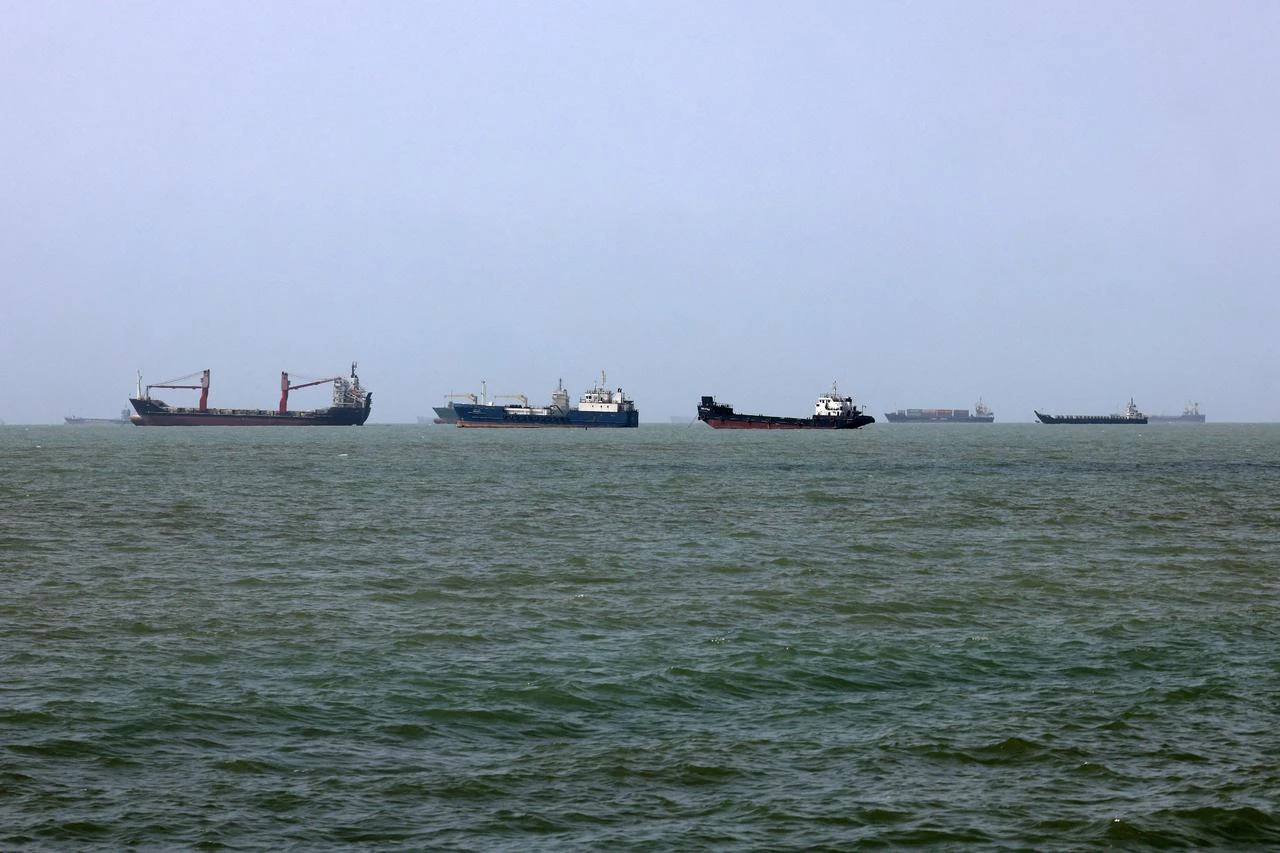
Despite the U.S. military's efforts, commercial traffic through the Strait of Hormuz remains heavily suppressed, according to research from the United Kingdom Maritime Trade Operations (UKMTO).
"There was one confirmed attack in the reporting period. IRGC attacks, attempted attacks, and/or harassment activity persisted (beyond the confirmed reports) including UAV overflight, targeted surveillance of merchant shipping, and occasional VHF hailing. These actions continue to demonstrate Iran's intent to assert presence along key transit lanes and maintain pressure on transiting vessels," the UKMTO said in a statement.
"Commercial traffic through the Strait of Hormuz remained at reduced levels. Independent tracking data indicated suppression with single-digit numbers or nil tankers transiting in both directions. There remained a continued risk of drifting or uncharted mines in and near the TSS, with mine danger areas still active," UKMTO wrote.
UKMTO said 103 ships entered the strait and 89 departed over the past week, a combined total representing only about 20% of the pre-war seven-day average.
Tanker traffic accounted for 45% of all movement through the strait, the report found.
The southern Omani route remains the highest-risk corridor, accounting for 16 of 18 projectile strike incidents reported by UKMTO since July 6.
The report noted continued Iranian Islamic Revolutionary Guard Corps (IRGC) harassment, including drone overflights, VHF hailing of vessels and active mine danger areas along the route.


 Set as preferred source
 Set as preferred source


 1 min read
 1 min read