Newsletters


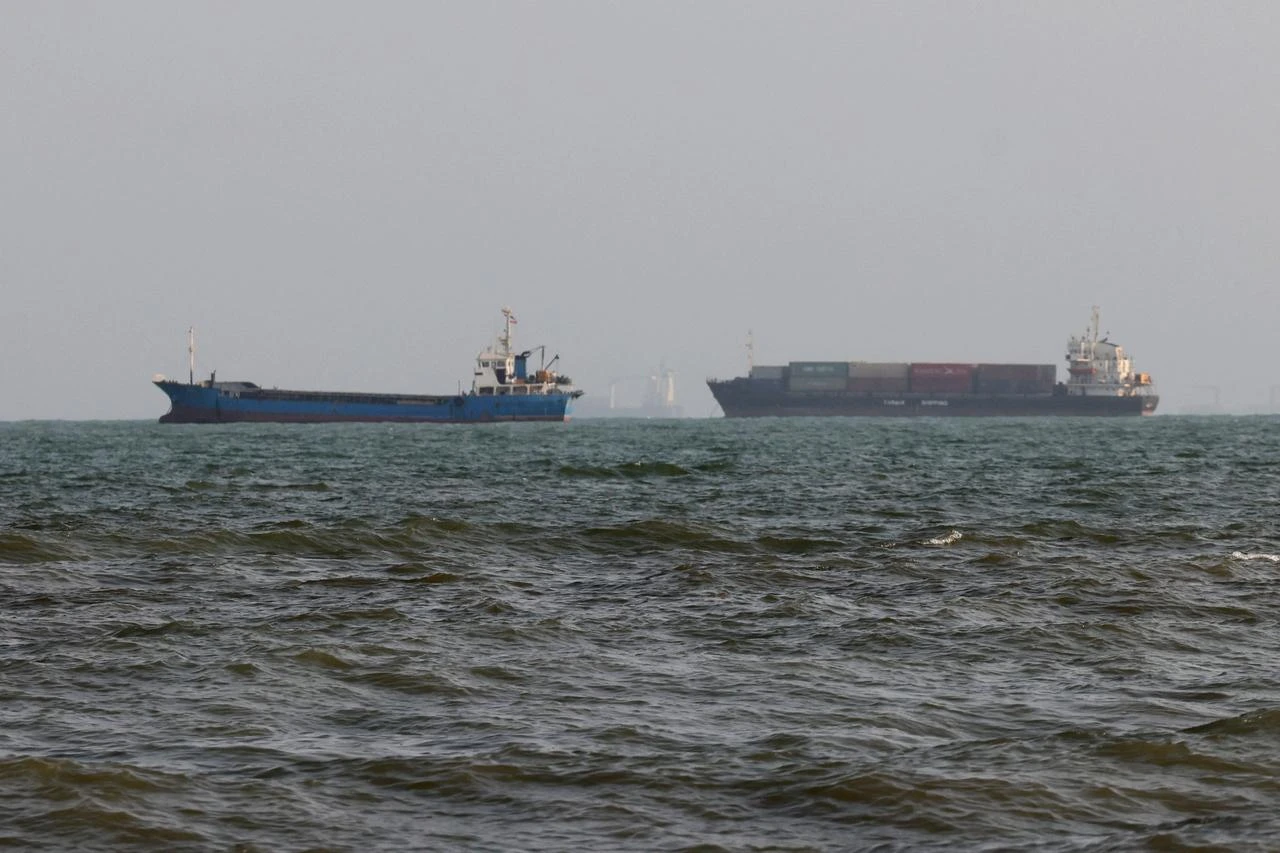
The Strait of Hormuz will remain closed until the United States fulfills the conditions of the interim Memorandum of Understanding (MoU) signed with Iran in June, Iranian Parliament Speaker Mohammad Bagher Ghalibaf said Tuesday, in a speech to parliament that also warned Iran is prepared to inflict "an even more crushing defeat" on the U.S. if hostilities resume.
"I want to state clearly that the Strait of Hormuz will not be opened until the American commitments stipulated in the Memorandum of Understanding are implemented," Ghalibaf said in the address, broadcast on state television.
Iran's top negotiator also said the conditions include the U.S. lifting its naval blockade of Iranian ports, lifting oil sanctions, releasing Iran's frozen assets abroad, and ending threats and military operations on all fronts.
"Before the lifting of the blockade, the freeing of blocked assets, the lifting of the oil sanctions and the end of threats and military operations on all fronts and the other conditions of the memorandum, the Strait of Hormuz will not be opened," he said.
He said the opportunity gained from the memorandum's provisions on lifting the siege and the ceasefire had proven a worthy aid in increasing Iran's economic resilience and rebuilding the country's defensive capability.
"The Islamic Republic of Iran is ready, in proportion to the enemy's actions and reach, to inflict a heavier defeat on him than before," he said.
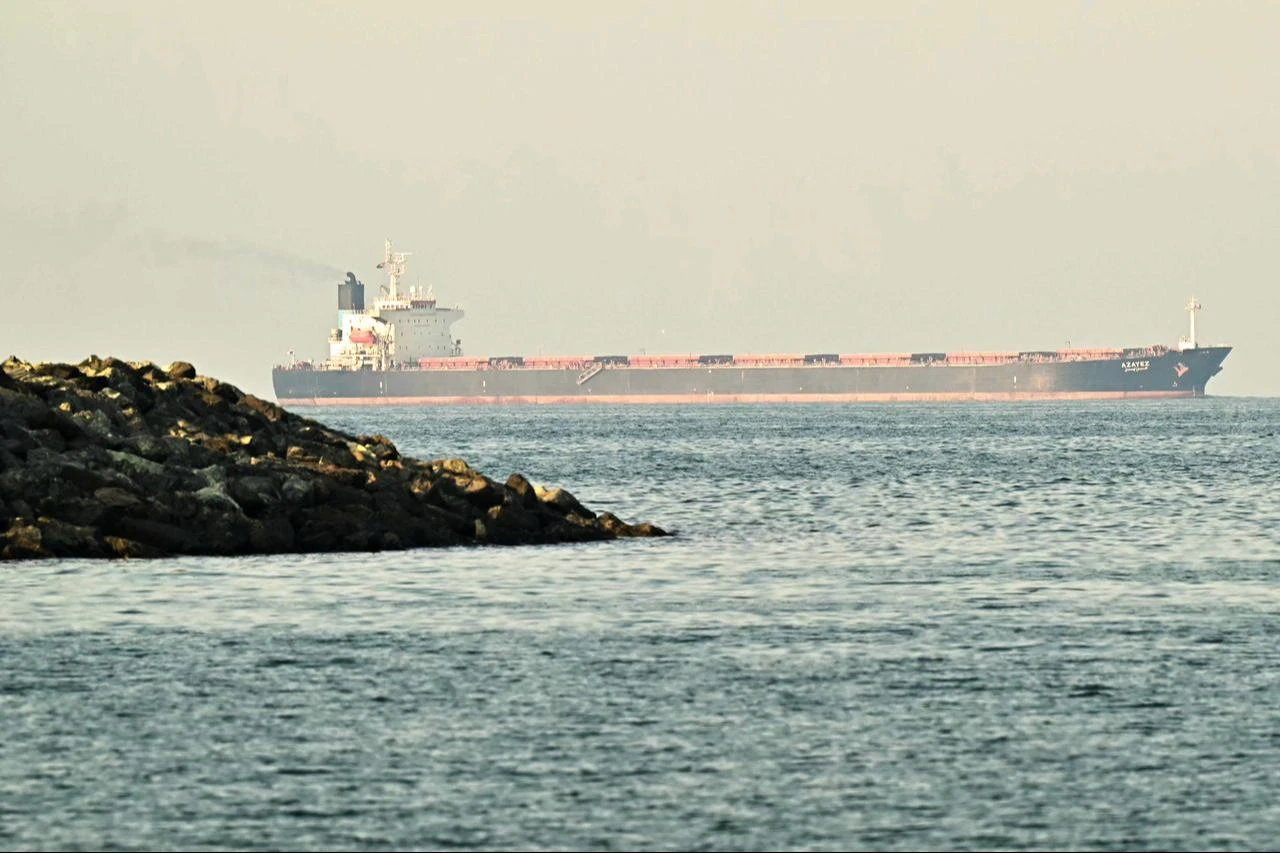

The MoU, reached June 17, quickly unraveled over a dispute about control of the Strait of Hormuz, the narrow waterway through which a fifth of global oil and liquefied natural gas flowed before the war.
U.S. President Donald Trump said the deal was "over" on July 7, and a week later Iran's Foreign Ministry declared it "suspended."
Under the MoU, Iran and the U.S. had committed to negotiating a final deal, covering broader issues such as the fate of Iran's nuclear program, within a maximum of 60 days, extendable by mutual consent.
A senior Iranian official told Reuters on Monday that Iran would now shift to a "fully offensive" posture given the stalled diplomatic efforts to secure a permanent end to the conflict.
 1 min read
War between Iran and the United States broke out on Feb. 28 after U.S.-Israeli attacks on Iran, triggering conflict across the region.
Diplomatic efforts since an April 8 ceasefire have ended intense bombardments, though sporadic clashes have persisted, particularly in and around the Strait of Hormuz.
Iran has maintained control of the strait since the war broke out, requiring vessels to seek permission and pay transit service fees, a practice opposed by Washington and several regional countries.
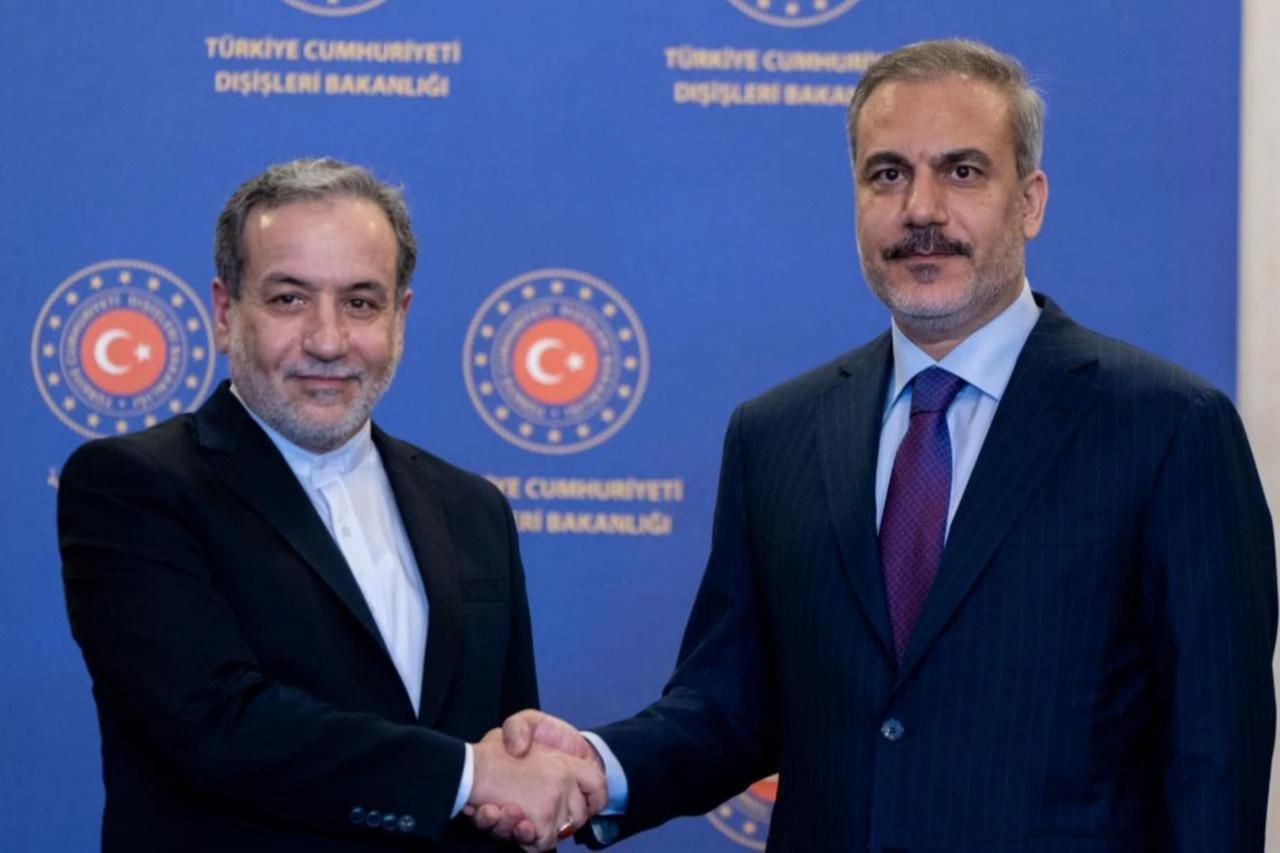
Iran and Oman, the two coastal states on the strait, have for weeks been discussing the future of navigation through the waterway, with Tehran saying the geographical coordinates of the proposed route "have been agreed upon."
Iran said Monday that talks were "continuing in a serious manner," with views being exchanged on the text of a "joint statement."
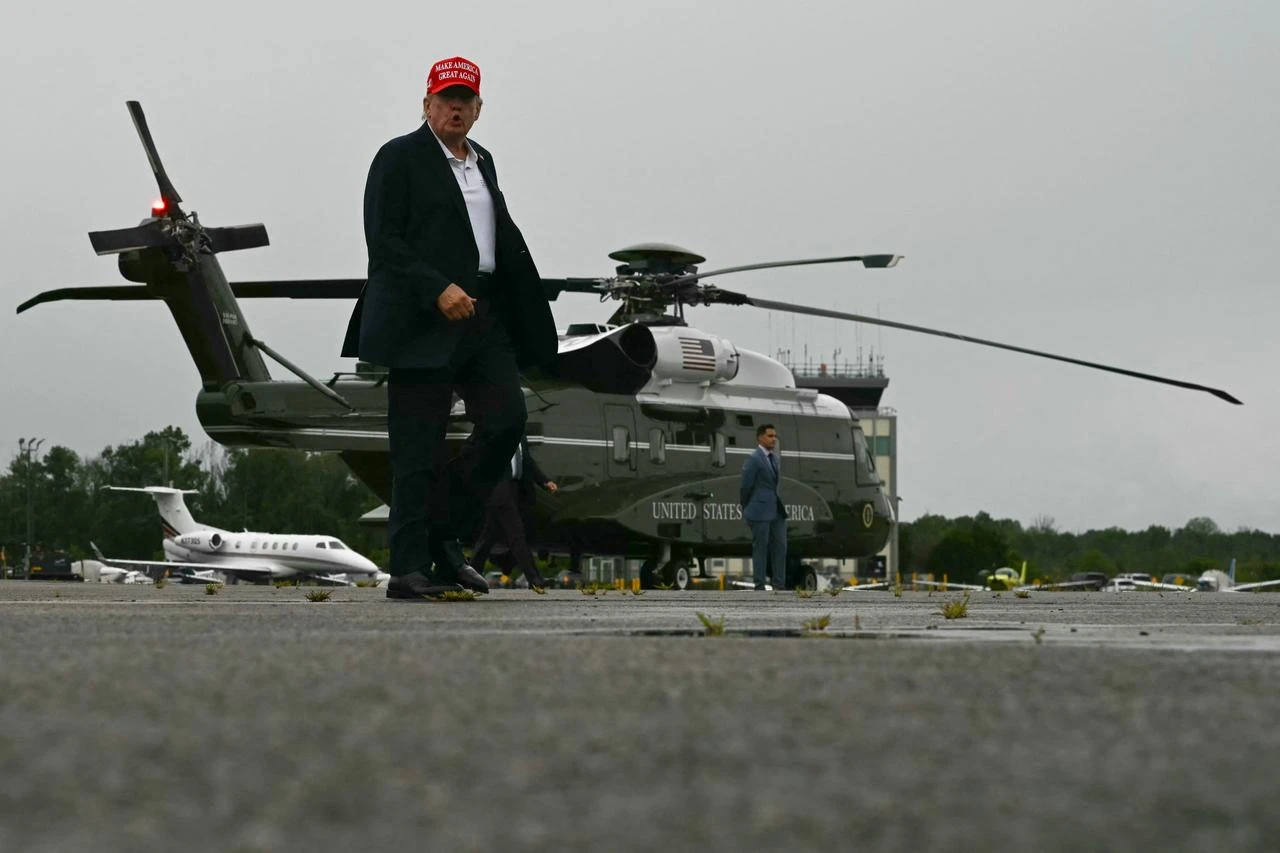
Trump has separately threatened to bomb Oman if it "gets in the way" of a deal with Iran on Hormuz, and has called for Tehran to surrender, in what has become a growing political burden for him domestically.


 Set as preferred source
 Set as preferred source


 1 min read