Newsletters


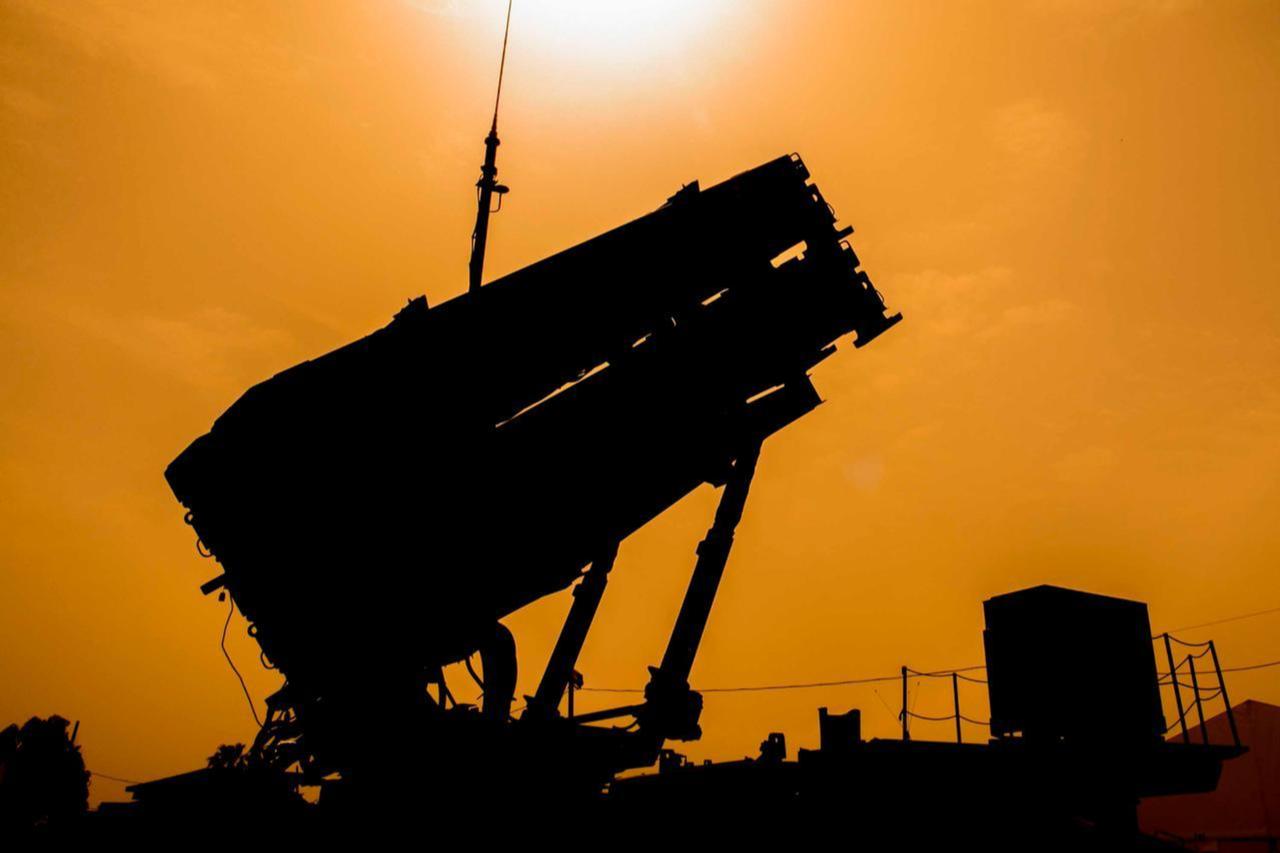


The US Navy plans to deploy Patriot missile interceptors aboard American warships, marking a significant expansion of one of the military's most proven air defense systems from land to sea, officials said to Bloomberg on Tuesday.
Lockheed Martin announced a $200 million contract to integrate the interceptors into the weapon systems carried by Navy vessels. Separately, the Navy is requesting $1.7 billion in its fiscal 2027 budget to procure the most advanced version of the missile, the PAC-3 Missile Segment Enhancement interceptor, according to Pentagon procurement documents.
The move comes as the threat environment in the Persian Gulf has intensified, with Iran launching retaliatory drone and missile barrages in response to military action by the United States and Israel, exposing the urgent need for navies to maintain deep inventories of interception munitions.
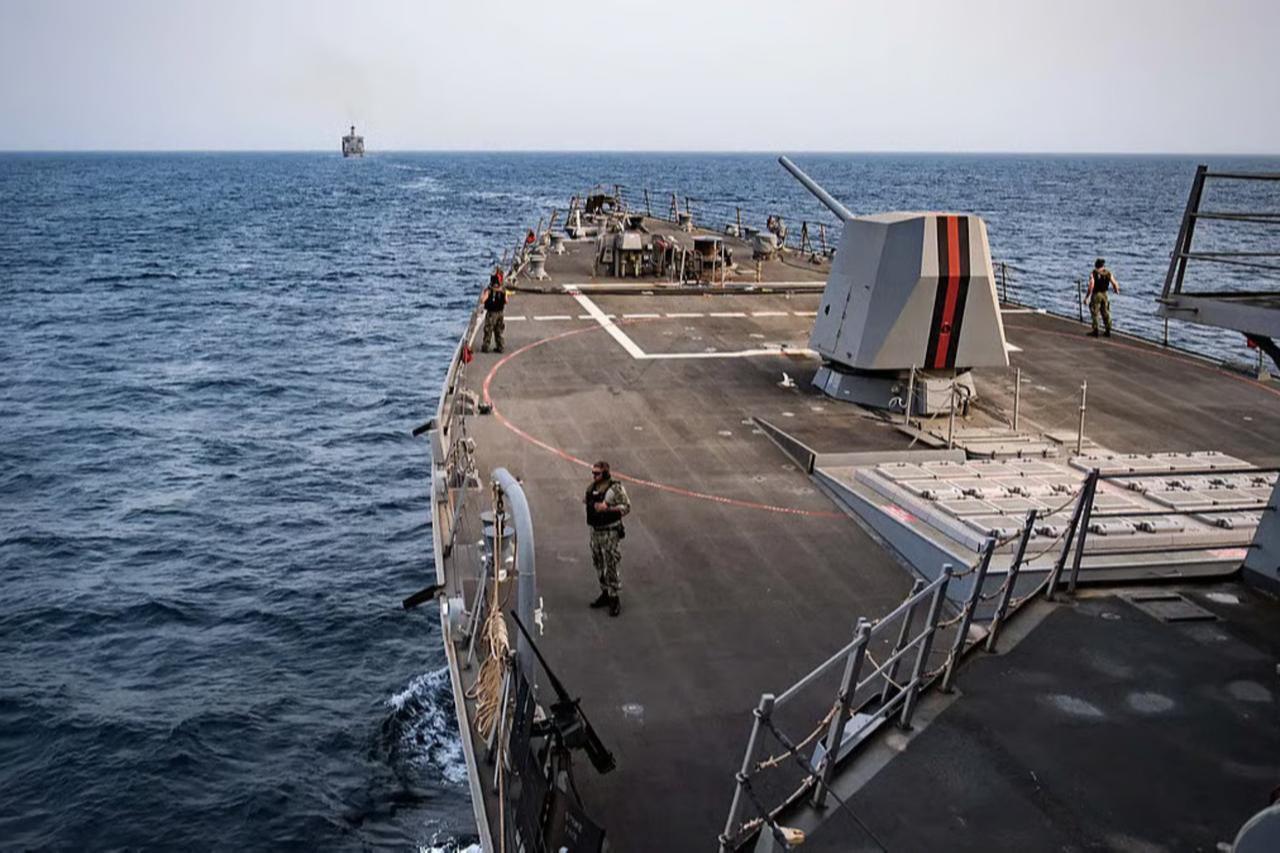

The decision to field the missiles at sea follows several years of testing that validated firing Patriot interceptors through the Navy's Aegis Combat System, the tracking and engagement platform installed aboard cruisers and destroyers. Those trials demonstrated that the land-based missile could function effectively within the Navy's existing architecture.
Rear Admiral Ben Reynolds, deputy assistant secretary of the Navy for budget, described the move as "pulling every lever" to build what he called "magazine depth," adding the Patriot to an arsenal that already includes the Standard Missile-6 and the Tomahawk cruise missile.
The Patriot system has served as a cornerstone of US Army ground-based air defense for decades and is currently operated by 16 nations. Developed by Raytheon, now RTX Corp., and Lockheed Martin, the system gained widespread recognition during the Gulf War and has since been deployed across Europe, the Middle East, and the Indo-Pacific.
The contract signals a formal commitment by the Navy to bring the in-demand interceptor into its shipboard inventory, diversifying the fleet's defensive options beyond systems traditionally designed for naval platforms.
The Pentagon is already accelerating PAC-3 MSE output as part of a separate seven-year agreement with Lockheed Martin, with production targets set to climb from roughly 600 missiles per year to 2,000 annually by the end of 2030. The naval integration contract does not specify a deployment timeline.


 Set as preferred source
 Set as preferred source


 1 min read


 1 min read