Newsletters


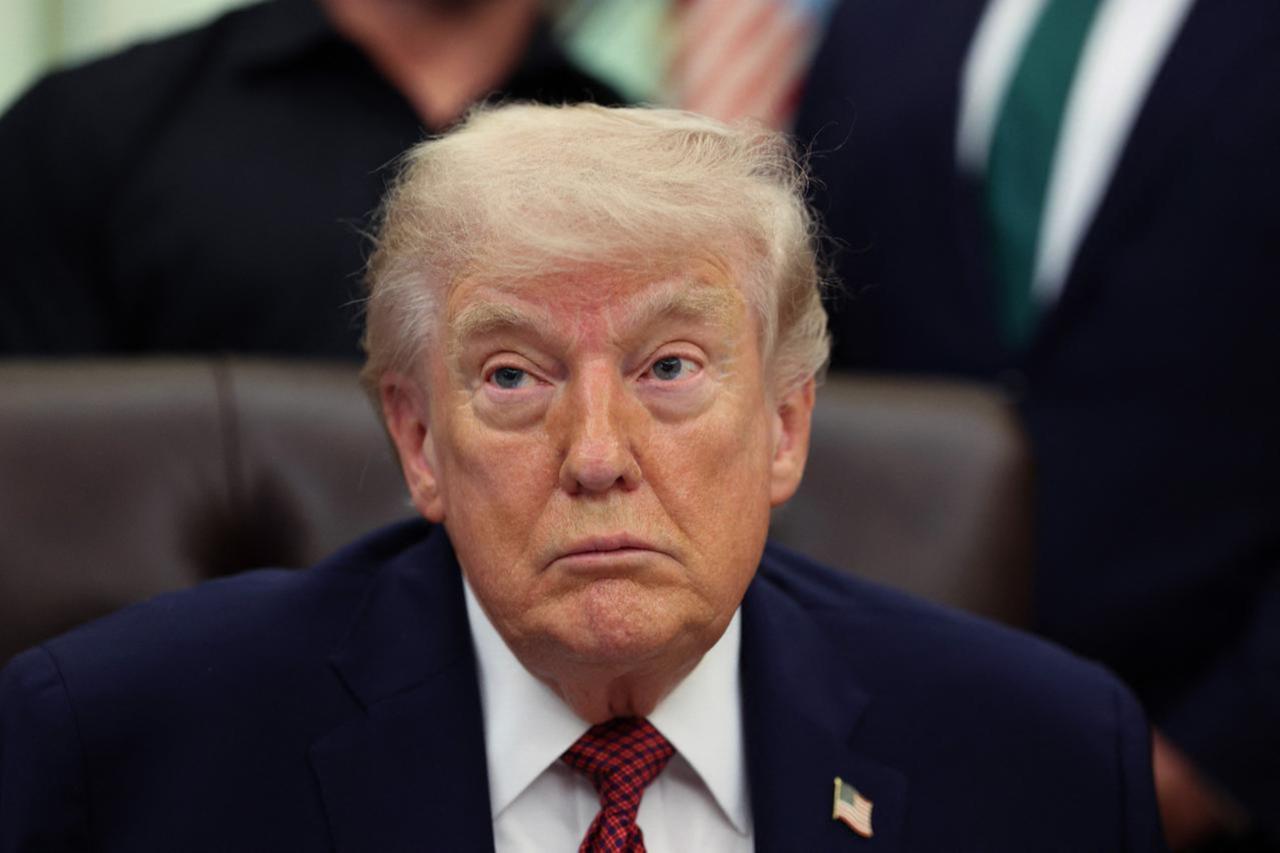


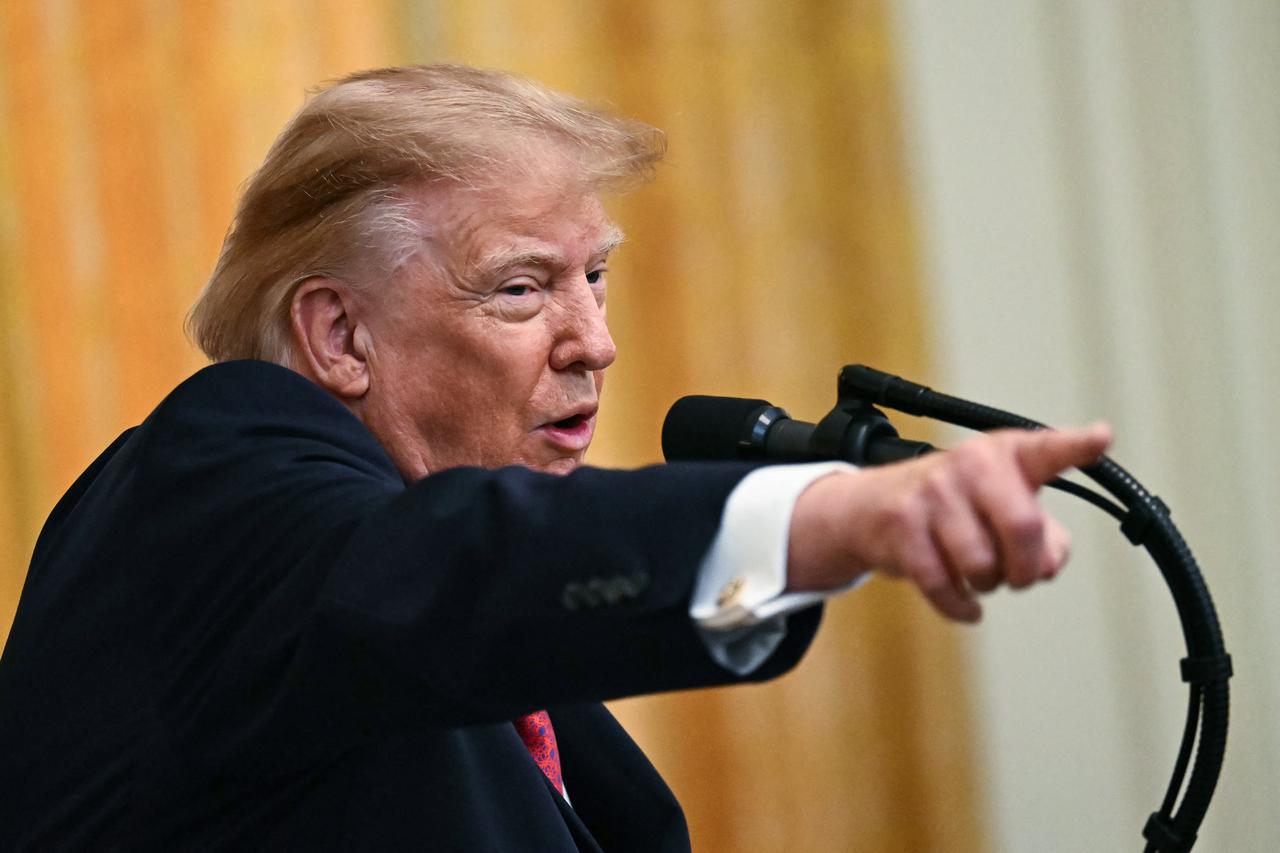
U.S. President Donald Trump declared Tuesday that the United States has achieved regime change in Iran while simultaneously insisting he never stated that as a goal, contradicting his own words from the speech in which he announced the war. Speaking during a CNBC Squawk Box interview, Trump also said his military has used the ongoing ceasefire with Iran to restock weapons and munitions, warning that it stands ready to resume fighting.
"It is regime change, no matter what you want to call it, which is not something I said I was going to do, but I've done it, indirectly maybe, but I've done it," Trump told CNBC.
Trump's denial sits awkwardly against remarks he made on February 28, when he announced the launch of U.S. military operations against Iran. In that speech, he addressed the Iranian people directly: "The hour of your freedom is at hand... when we are finished, take over your government, it will be yours to take. This will be, probably, your only chance for generations." In mid-January, he had similarly urged Iranians on his Truth Social platform to "KEEP PROTESTING, TAKE OVER YOUR INSTITUTIONS," adding that "HELP IS ON ITS WAY."
Whether the conflict has produced genuine regime change remains contested. The killing of Supreme Leader Ayatollah Ali Khamenei and numerous other senior Iranian officials has reshaped the country's leadership, but power has not transferred to an opposition movement.
Khamenei's son, Mojtaba, has emerged as the new supreme leader, and the Revolutionary Guard Corps, the backbone of Iran's security apparatus, remains intact and operationally significant.
Trump's war aims have shifted throughout the conflict. At various points, the administration cited the need to forestall an Iranian retaliatory attack, destroy Iran's missile capabilities, prevent Tehran from acquiring a nuclear weapon, and achieve regime change, offering what critics characterized as inconsistent and at times contradictory justifications for the military campaign.
During his CNBC appearance, Trump also referenced the January protests inside Iran, saying government forces "killed 42,000 people over the last two months, 42,000 unarmed protesters, innocent unarmed protesters, many of them hung." The crackdown, which followed what observers described as the largest wave of civil unrest in Iran since 1979, had drawn widespread international condemnation and figured prominently in Trump's public framing of the conflict.
Trump warned that U.S. forces have not been idle during the current pause in fighting. "We're loaded up," he said. "We have so much ammo, so much of everything... we've used this to restock and they probably have done a little bit of restocking. We're ready to go. The military is raring to go."
The remarks echo comments Trump made in a New York Post interview in which he described the ceasefire as a chance to load up ships with "the best ammunition, the best weapons ever made," characterizing the period as "the world's most powerful reset."
Military analyst Michael Clarke said neither side was likely to have passed up the opportunity to replenish. Pointing to the scale of U.S. carrier strike group operations, Clarke said support vessels "will have been going backwards and forwards doing shuttle runs" to nearby bases, adding that given the volume of munitions expended during the campaign, resupply would have been an operational necessity.
"I think they will have needed to replenish as they were going, so I'm sure they'll be doing that now, so will the Iranians," he said.
The current ceasefire, brokered with Pakistani mediation, has been described as fragile. A second round of peace talks involving Vice President JD Vance, Special Envoy Steve Witkoff, and Jared Kushner is underway in Islamabad, though Iran had not formally confirmed its participation as of Tuesday. Trump said he did not expect to extend the truce if no agreement is reached, telling interviewers the ceasefire expiry would mean, in his words, "lots of bombs start going off."


 Set as preferred source
 Set as preferred source


 1 min read
 1 min read