Newsletters


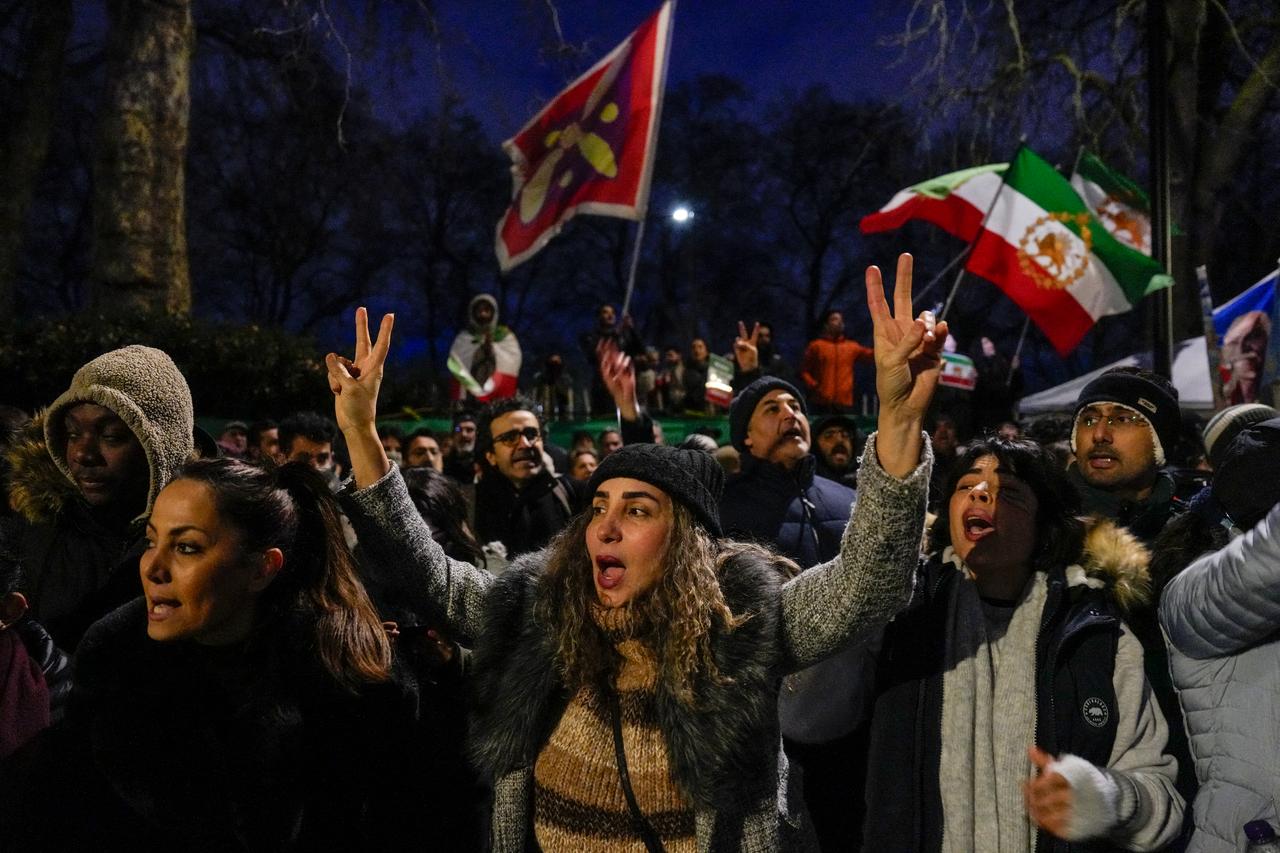


Officials in the Trump administration have held preliminary discussions on how a possible military strike on Iran could be carried out and which targets could be hit if President Donald Trump’s threats were implemented, The Wall Street Journal reported Saturday.
Citing U.S. officials who spoke on condition of anonymity, the report said the talks focused on Washington’s posture toward Iran amid ongoing protests and broader regional developments.
According to the officials, discussions included potential methods of attack and possible Iranian targets should Trump order military action.
Iran warned U.S. President Donald Trump on Sunday that any U.S. attack would lead to Tehran striking back against Israel and regional U.S. military bases as "legitimate targets", Parliament Speaker Mohammad Bagher Ghalibaf told parliament.
Speaking during a parliamentary session, Ghalibaf stated: "Within the framework of legitimate defense, we do not limit ourselves to responding only after an action. In the event of a U.S. military attack, both the occupied territories (Israel) and US military and shipping centers will be legitimate targets for us."
He said Iran is currently engaged in confrontation with Israel and the U.S. on four fronts — economic, cognitive, military, and terrorist warfare — adding that these fronts are "unfolding simultaneously."
One U.S. official told the newspaper that a large-scale air campaign against multiple Iranian military targets was among the scenarios considered.
Another official said no consensus had been reached on any course of action and emphasized that no U.S. troops or military assets had been deployed in preparation for a strike.
The officials described the talks as routine contingency planning and said there were no signs of an imminent attack on Iran.
Trump has repeatedly said Washington is closely monitoring protests in Iran.
“I’m telling the Iranian leaders, you’d better not open fire, because we will start firing too,” Trump said earlier this week.
He also said Iran was “perhaps looking at freedom like never before.”
On Saturday, Trump wrote on his Truth Social platform that the United States was “ready to help” the protest movement, adding that Iran was in “big trouble” over its efforts to suppress demonstrations.
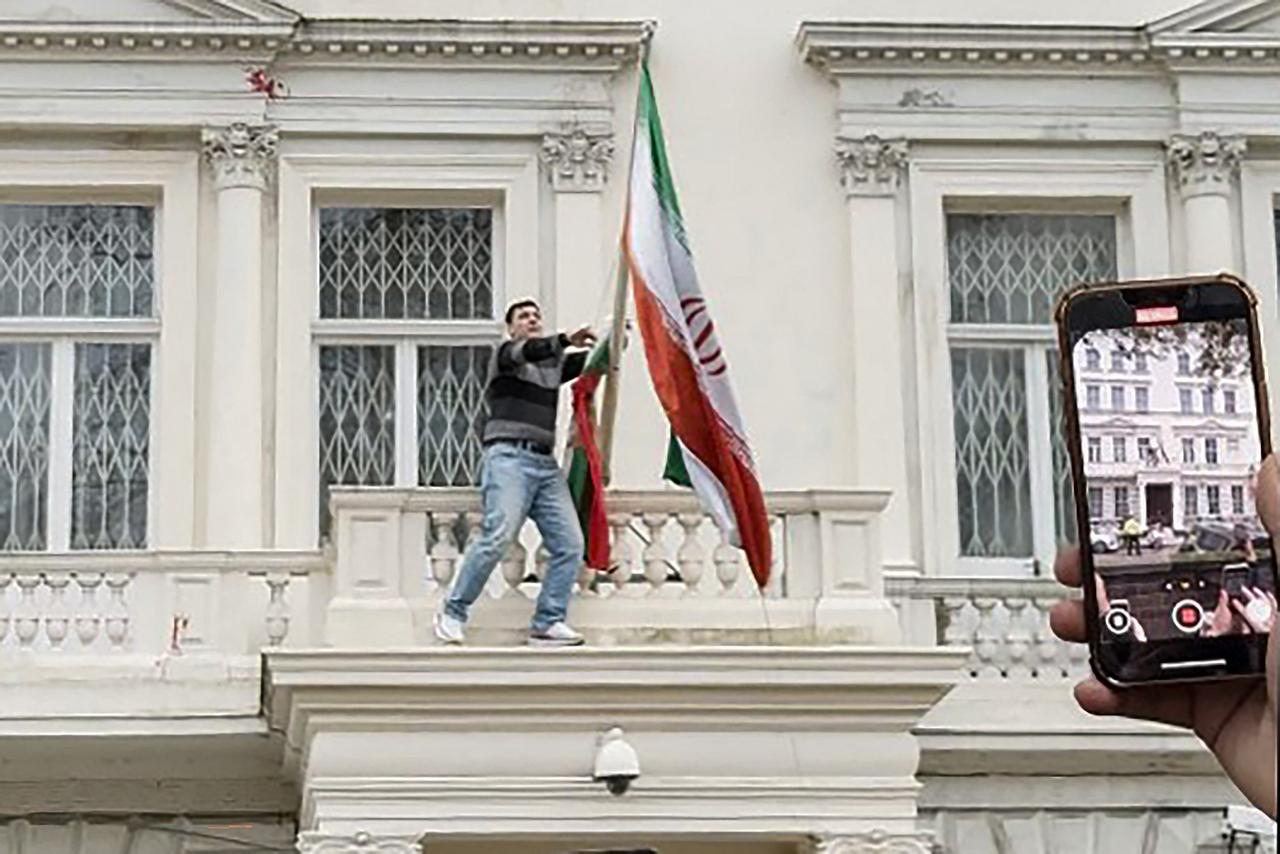

Protests began on Dec. 28, 2025, when shopkeepers at Tehran’s Grand Bazaar demonstrated against the sharp depreciation of the Iranian rial and worsening economic conditions. The unrest has since spread to cities across the country, with calls for the removal of the clerical leadership.
Anti-government chants echoed through parts of Tehran late Saturday despite a near-total internet shutdown, according to videos verified by news agency Agence France-Presse (AFP). Internet monitoring group NetBlocks said connectivity had been largely cut since Thursday.
Crowds gathered in northern Tehran, setting off fireworks, banging pots, and chanting slogans, while other videos—not independently verified—showed protests in Mashhad, Tabriz, Qom and Hamedan.
In Tehran’s Saadatabad district, protesters chanted slogans including “death to Khamenei” as cars honked in support, AFP reported.
 1 min read
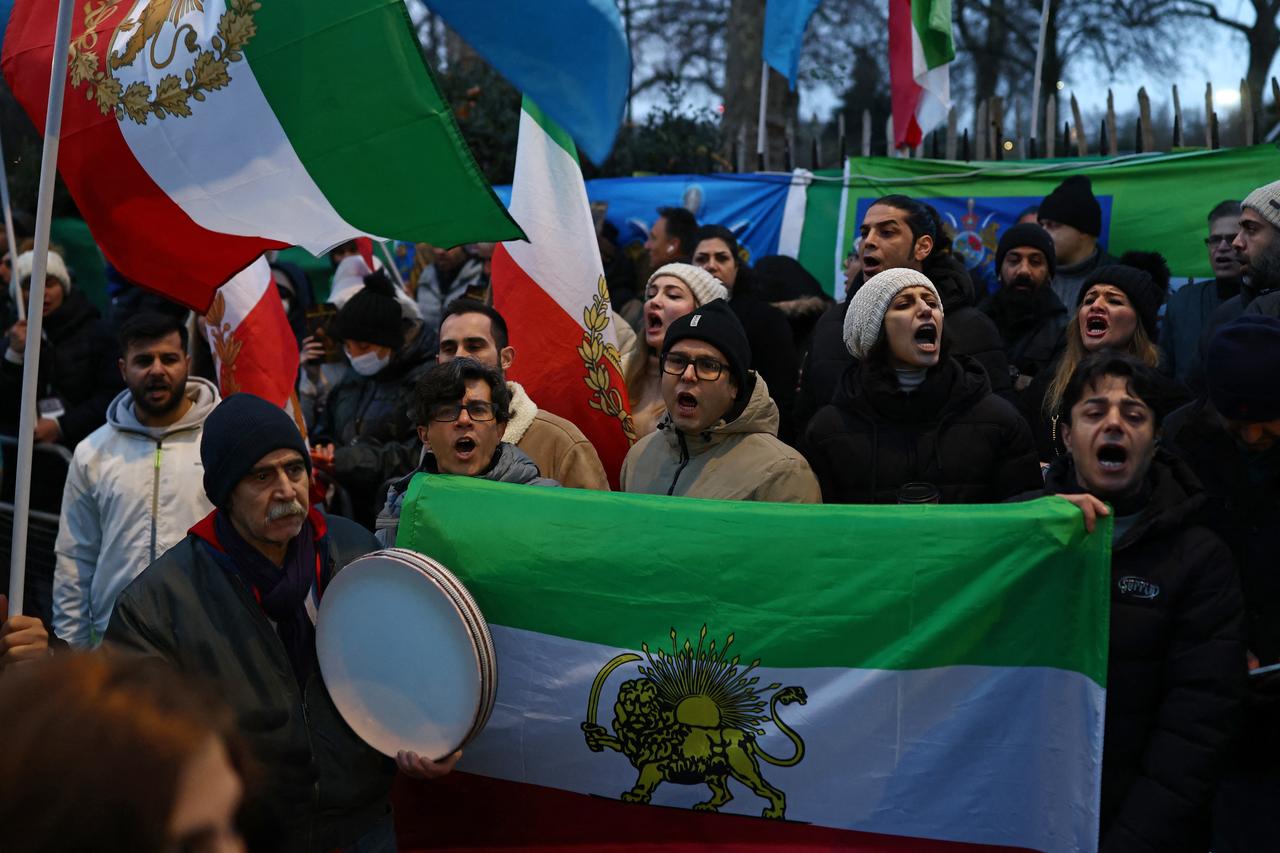
Iranian authorities have not released official casualty figures.
The Human Rights Activists News Agency (HRANA) reported on Jan. 9 that at least 65 people, including 15 members of the security forces, had been killed, with dozens injured and 2,311 detained.
Iran’s Tasnim News Agency said 568 police officers and 66 members of the Basij militia were injured during the unrest.
Norway-based Iran Human Rights said at least 51 people had been killed, warning the toll could be higher, and accused security forces of using lethal force against protesters.
Amnesty International said it was examining reports of an intensifying crackdown since Thursday.
Supreme Leader Ali Khamenei, in a defiant speech on Friday, blamed “vandals” and accused the United States of stirring unrest.
Iran’s army said it would “vigorously protect and safeguard national interests” against what it called attempts to disrupt order.
State television aired images Saturday of funerals for security personnel killed during the unrest, as well as footage of damaged buildings and fires.
An AFP journalist in Tehran reported deserted streets and widespread closures on Thursday and Friday, with businesses shutting early amid security concerns.


 Set as preferred source
 Set as preferred source


 1 min read