Newsletters


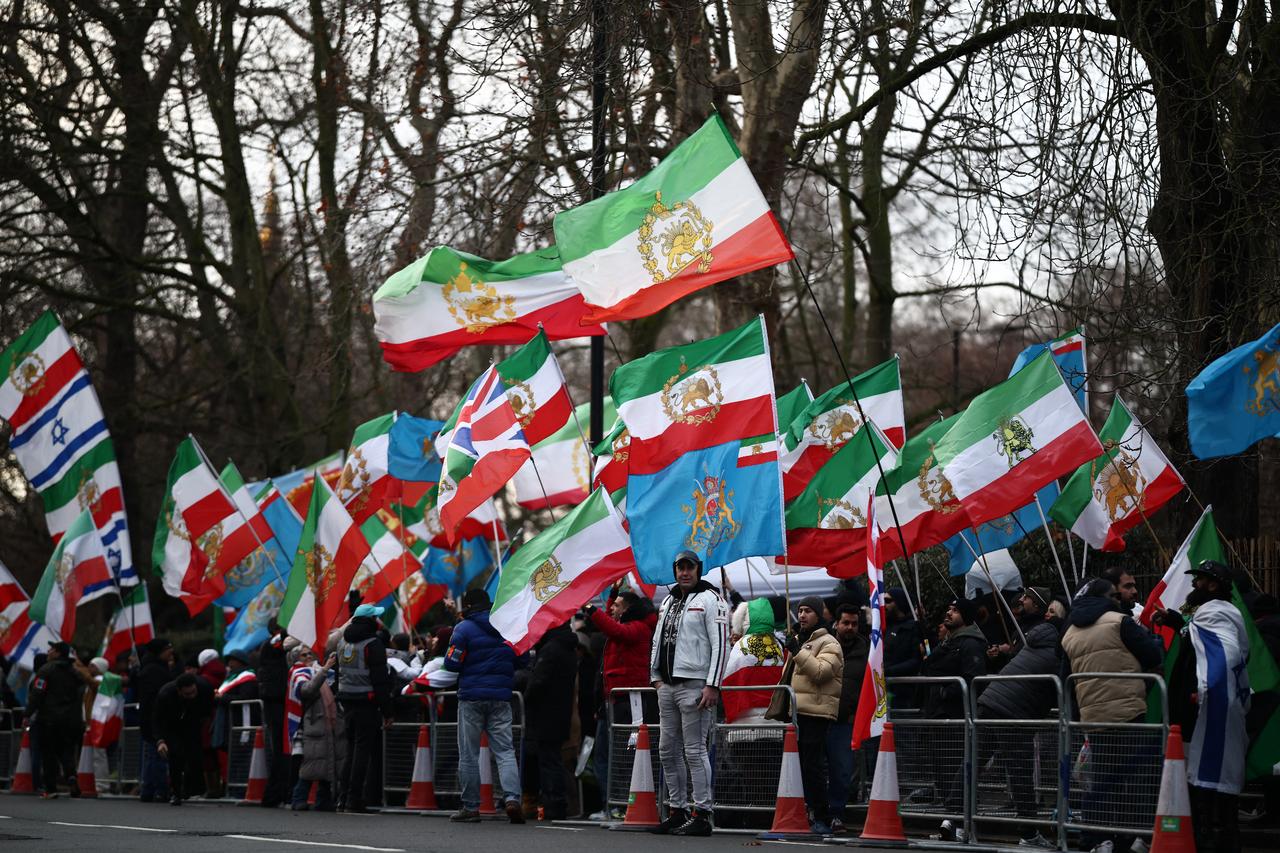


Social media platform X changed Iran's flag emoji from the Islamic Republic's current design to the historical lion and sun emblem, users discovered Friday, marking an unusual intervention in the country's ongoing political turmoil.
The modification replaces the red emblem adopted after Iran's 1979 revolution with the lion and sun motif that adorned Iranian flags for centuries under the monarchy. The change now affects all X accounts, including those of Iranian officials and state media outlets such as the Revolutionary Guard Corps-affiliated Tasnim News.
The timing coincides with mass demonstrations that have convulsed Iran since late December, with protesters increasingly voicing support for the return of the monarchy alongside demands for economic relief and political change.
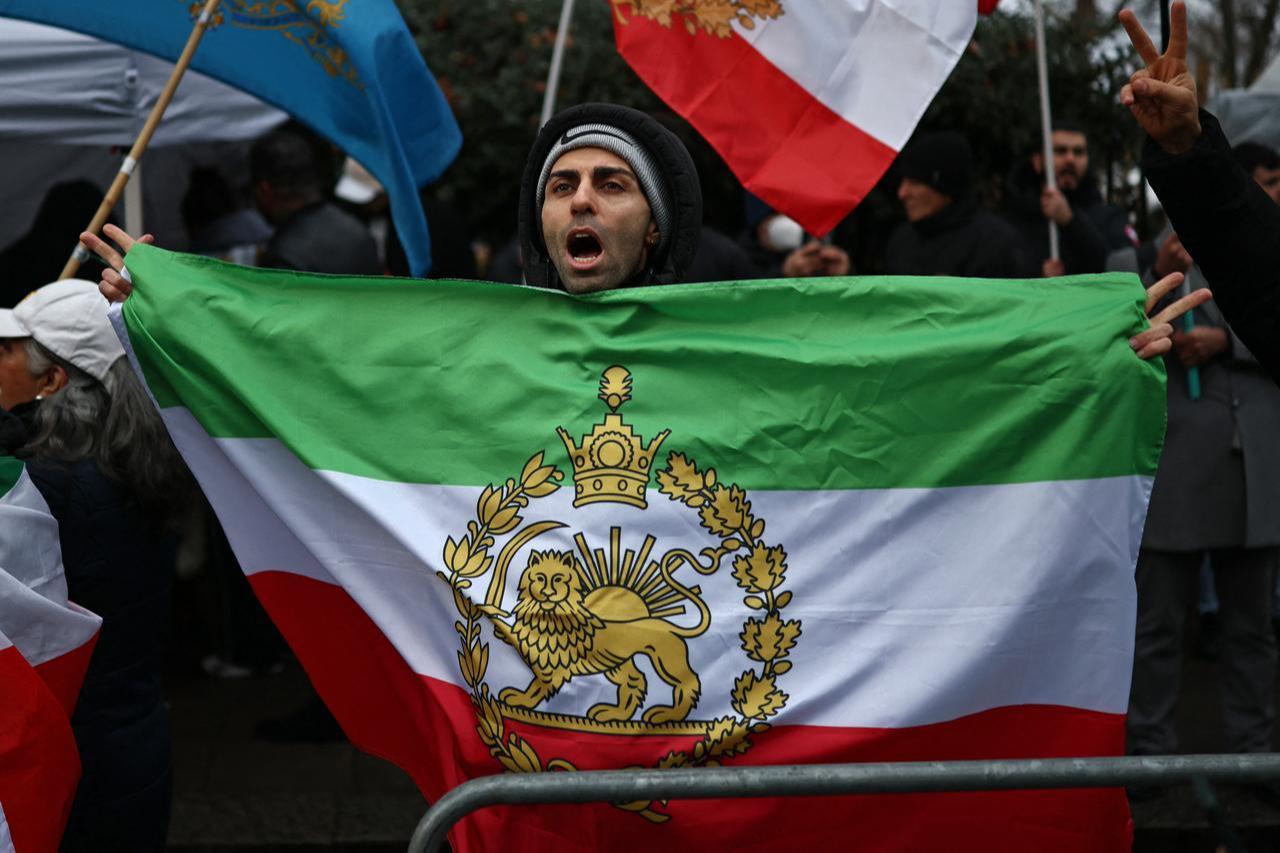

What began as strikes by Tehran shopkeepers on December 28 over currency collapse and soaring inflation has evolved into nationwide unrest demanding an end to the current regime. Demonstrations have spread to at least 111 cities across all 31 provinces, according to the Human Rights Activists News Agency.
The Iranian rial plunged to record lows of 1.5 million per US dollar in early January, triggering a cascade of price increases. Food costs surged 72 percent year-over-year while overall inflation reached 42.2 percent in December. The economic crisis follows years of international sanctions, energy shortages, and government mismanagement.
"People are becoming bolder now," said 29-year-old Sina from Karaj. "I went to buy some groceries and people were speaking out loud against the regime in the daylight."
University students joined the protests beginning December 30, with demonstrations reported at 45 institutions. Crowds have chanted traditional slogans like "Death to the Dictator" in reference to 86-year-old Supreme Leader Ali Khamenei, alongside newer calls including "Pahlavi will return," referring to Reza Pahlavi, son of the overthrown Shah.
"Personally I think he's the only way out of this," said 26-year-old Sara from Tehran, though other Iranians view monarchist sentiment as reflecting desperation rather than genuine support for restoration.
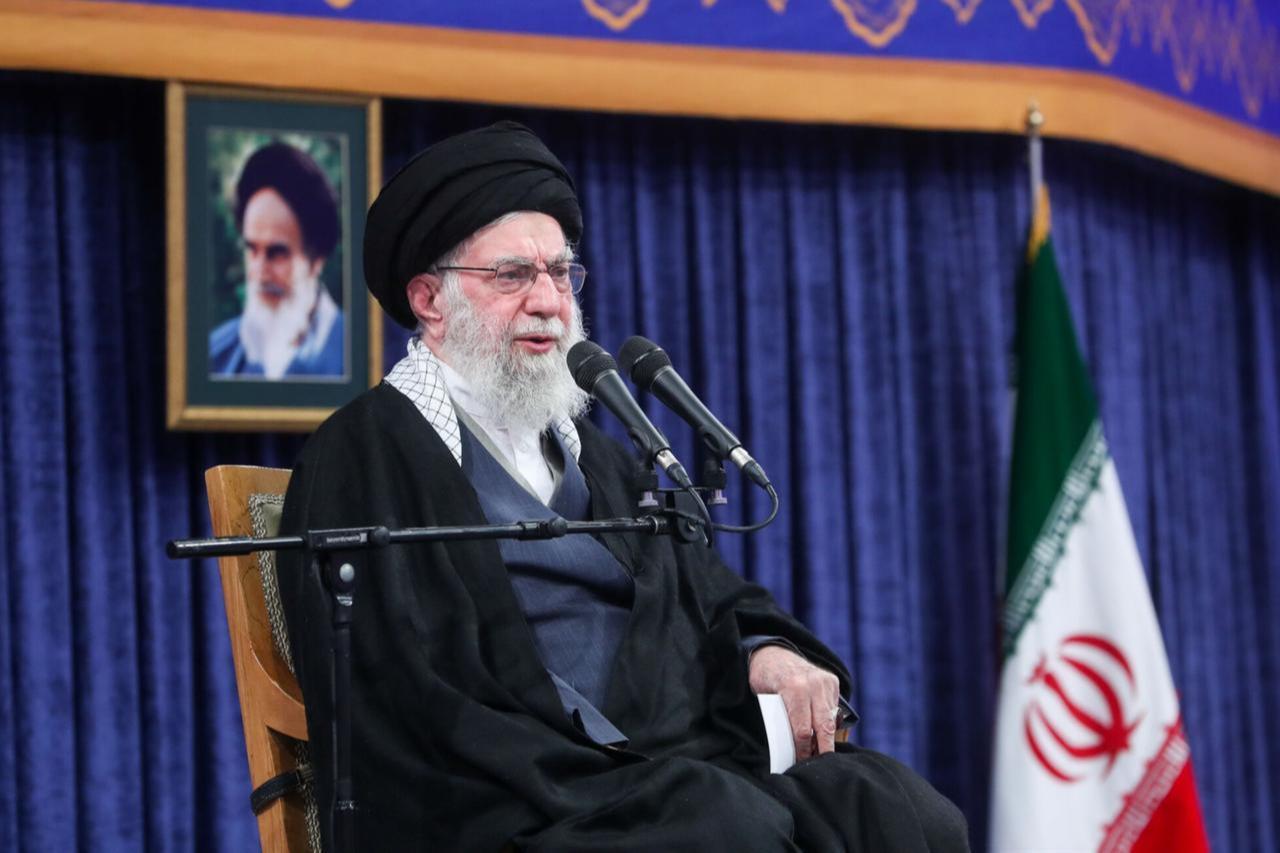
Iranian authorities have deployed security forces across major cities, using tear gas and, according to multiple reports, live ammunition against demonstrators. The Human Rights Activists News Agency documented at least 16 deaths by January 3, with additional casualties reported in subsequent days.
On January 8, the government imposed nationwide internet and telephone blackouts following a call from Pahlavi for coordinated demonstrations at 8 p.m. local time. Cloudflare reported a 35 percent drop in Iranian internet traffic. The restrictions represent a familiar government tactic before intense crackdowns on dissent.
Security forces have raided hospitals seeking to arrest injured protesters, including operations at Sina Hospital in Tehran and Imam Khomeini Hospital in Ilam. At least 40 arrested demonstrators have appeared in televised forced confessions broadcast on state media, according to human rights monitors.
Supreme Leader Khamenei declared January 3 that authorities would not yield to enemies and that "rioters must be put in their place." Judiciary chief Gholam-Hossein Mohseni-Eje'i promised January 9 that protesters would face severe punishment without legal leniency.
The current protests represent Iran's largest demonstrations since the 2022 Mahsa Amini protests, when nationwide unrest erupted after a 22-year-old woman died in police custody for allegedly wearing her hijab improperly. Some analysts suggest the scale could rival the 1979 Islamic Revolution itself.


 Set as preferred source
 Set as preferred source


 3 min read