Newsletters


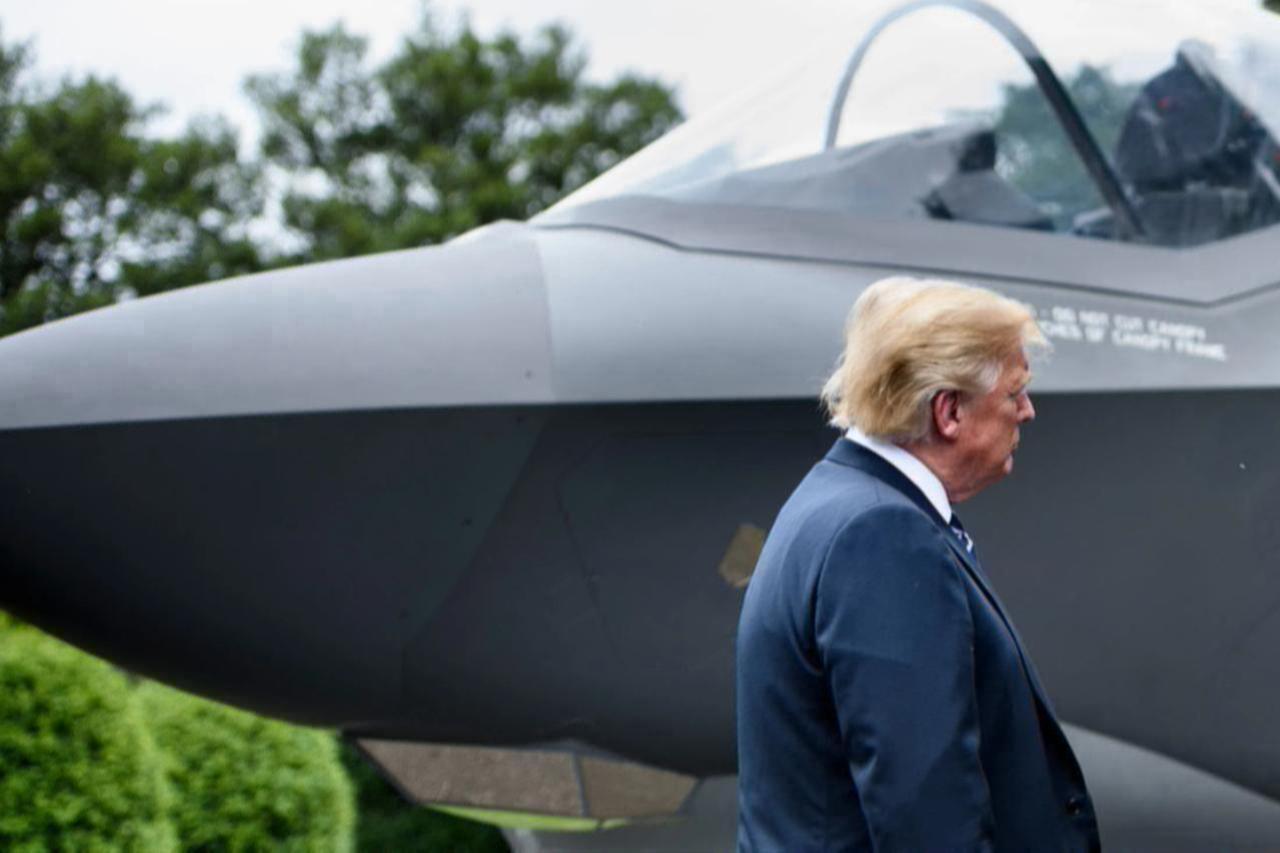


The United States military reinstated its naval blockade of Iranian ports and coastal areas at 4 p.m. ET Tuesday, resuming one of the most aggressive maritime enforcement actions Washington has conducted in the region in decades.
The move came even as Iran declared a recently brokered ceasefire agreement entirely defunct, and Kuwait reported a string of Iranian attacks that left four of its sailors wounded.
U.S. Central Command announced the reimposition of the blockade on X, confirming that American forces had launched an additional round of airstrikes against Iran beginning at 3 p.m. ET, one hour before the blockade took effect. CENTCOM said the strikes were aimed at degrading Iranian capabilities used to attack commercial shipping in the Strait of Hormuz, and were launched as troops prepared to resume the naval cordon.
Three explosions were heard shortly after in the Iranian port city of Bandar Abbas, situated on the shores of the strait, according to Iran's state news agency IRNA. The agency did not attribute a cause.
The reimposition came one day after President Donald Trump said the blockade would return and declared that the United States would act as the "guardian" of the Strait of Hormuz, the narrow passage connecting the Persian Gulf to the Gulf of Oman. Roughly a quarter of the world's seaborne oil trade flows through the waterway.
The US had previously enforced a blockade on Iranian ports for approximately two months earlier in the conflict, between April and June, with enforcement operations ranging from the Middle East to the Indian Ocean.
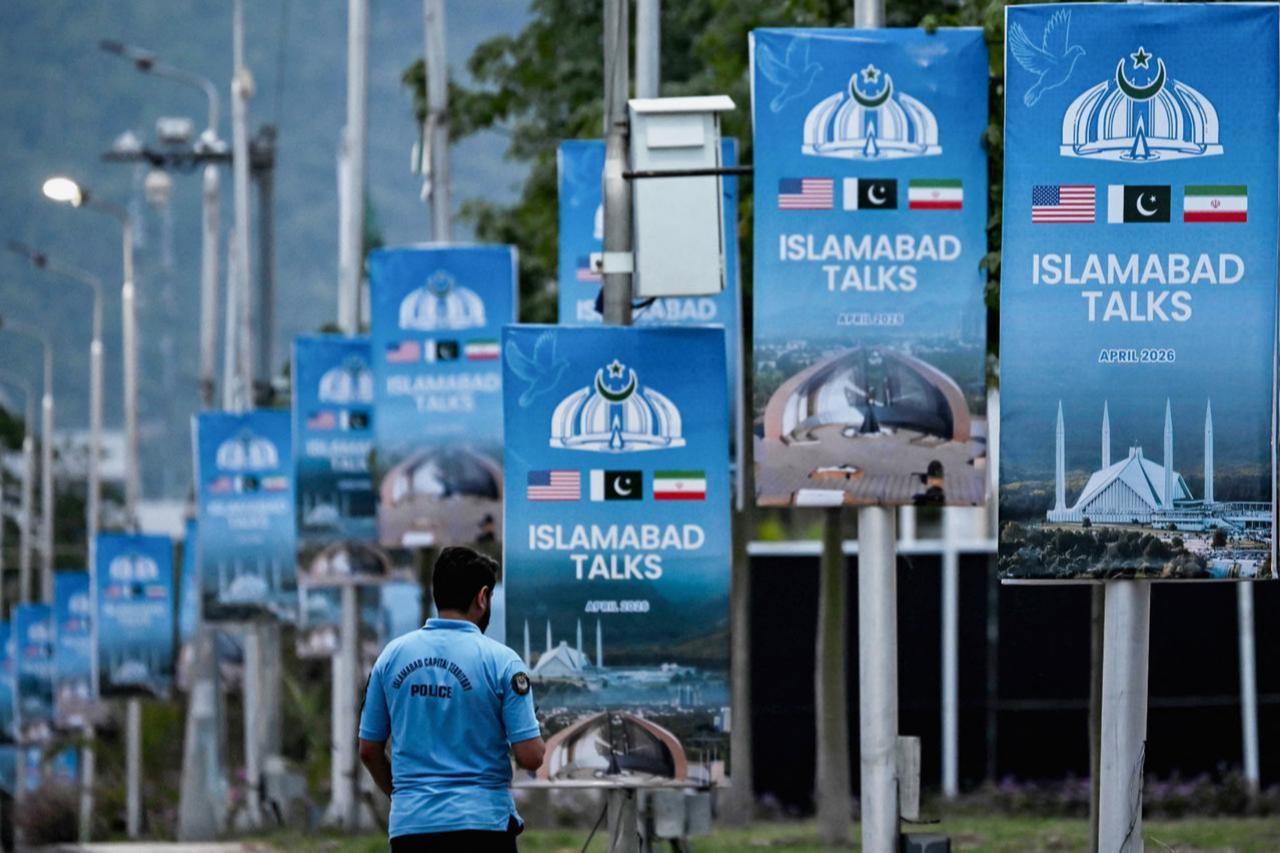

Iran's deputy foreign minister, Kazem Gharibabadi, said Tuesday that Tehran considers the 14-point Islamabad memorandum of understanding, reached with the United States last month, to be no longer in force.
He said the agreement's central purpose had been an immediate and permanent end to military operations against Iran. Israeli attacks on Iranian-backed Hezbollah in Lebanon, which have continued despite a truce agreed as part of the ceasefire framework, had rendered the deal meaningless, he argued.
"Therefore, there are currently no obligations under the Islamabad memorandum of understanding that remain valid and in force, neither for the United States nor for the Islamic Republic of Iran," Gharibabadi told state-run broadcaster IRIB.
He added that it was "unreasonable and baseless" to expect Iran to uphold commitments under the deal, such as reopening the Strait of Hormuz to commercial traffic.
Gharibabadi also said Tehran would not initiate new negotiations with Washington. He warned that the US was "gravely mistaken" if it believed escalating military pressure could compel Iran to request talks.
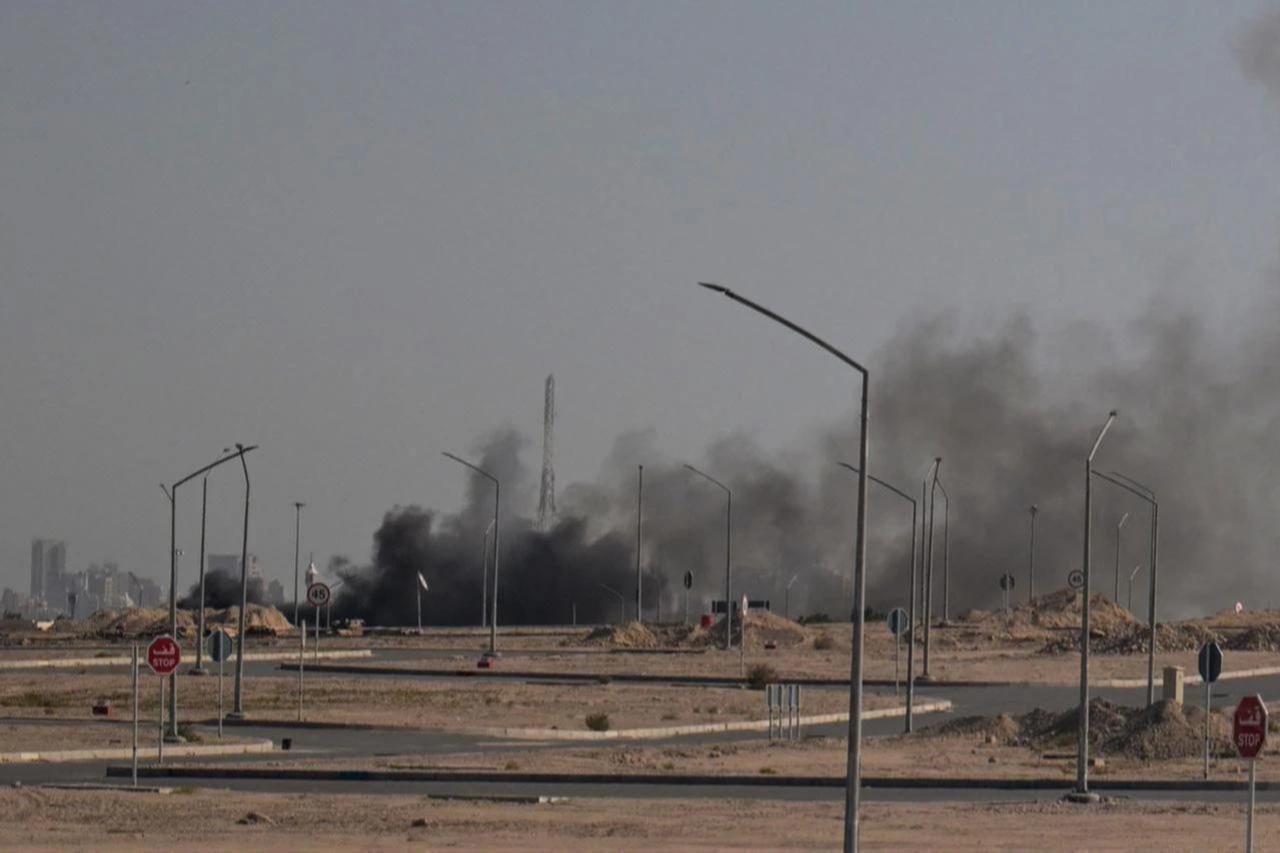
Kuwait reported a sustained series of Iranian attacks throughout Tuesday.
The country's Defense Ministry said four members of its armed forces were wounded when an Iranian attack struck a Kuwaiti naval vessel. The injured sailors received treatment and were listed in stable condition.
Military spokesperson Col. Saud Al-Attwan said Kuwait's armed forces had intercepted one ballistic missile, five cruise missiles, and 33 hostile drones since Tuesday evening local time. The attacks caused material damage after debris fell at several civilian locations, he said.
US forces were actively helping defend Kuwait using Patriot missile defense systems, according to two US officials, a deployment that puts fresh strain on an already depleted American stockpile. By the time full-scale fighting between the US and Iran paused in April, the Pentagon had fired nearly half of its Patriot air defense interceptors, according to an analysis by the Center for Strategic and International Studies, which CNN said had been confirmed by three people with knowledge of internal Defense Department estimates.
US forces also conducted additional strikes on Iranian military targets earlier Tuesday to eliminate what one official described as emerging threats. The region, the same official said, remained a "dynamic environment."
Iran has repeatedly warned Gulf states against hosting and assisting US forces. Over the weekend, Kuwaiti authorities had already reported drone attacks on border posts and an oil rig. Kuwait's military warned citizens Tuesday that any explosion sounds they might hear were the result of air defense systems intercepting incoming attacks.
On Capitol Hill, Senate Democrats blocked the National Defense Authorization Act on Tuesday, the annual defense policy package that typically passes with broad bipartisan support. The procedural vote failed 50 to 46.
While months remain before the legislative deadline, the outcome signaled that deep congressional divisions over the conflict could increasingly complicate defense funding and policy for the Pentagon.
Sen. Richard Blumenthal of Connecticut, a senior member of the Senate Armed Services Committee, framed the vote as a referendum on the administration's handling of the war. "Before I vote on the NDAA, I want to see the administration come forth with the facts about what its strategy is, as well as its end game in Iran," he told reporters, adding that Congress must exercise its authority under the War Powers Act.
Sen. Tammy Duckworth, another Democrat on the panel, had conditioned her vote on inclusion of an amendment to halt additional funding for offensive operations in Iran. "Simply throwing more money at an out-of-control military operation is not strategy," she said in a statement Tuesday morning. "It's a recipe for a forever war."
Trump signaled Tuesday that Gulf Arab states would absorb some of the financial costs of the US presence in the region through trade and investment deals with the United States. That reversed an earlier proposal, floated Monday, to charge commercial shippers 20 percent of the value of their cargo for what he described as American-provided security in the strait.
The Strait of Hormuz, at its narrowest point approximately 33 kilometers wide, is the sole maritime exit from the Persian Gulf and serves as the primary export corridor for Saudi Arabia, the UAE, Kuwait, Qatar, Iraq, Bahrain, and Iran. Approximately 20 million barrels of oil per day, representing roughly 20 percent of global petroleum consumption, transited the strait in 2024, along with about 20 percent of global liquefied natural gas trade.
A sustained closure or disruption would have severe consequences for Asian energy importers, particularly China, India, Japan, and South Korea, which together account for the overwhelming share of Hormuz crude flows.


 Set as preferred source
 Set as preferred source


 1 min read

 1 min read