Newsletters


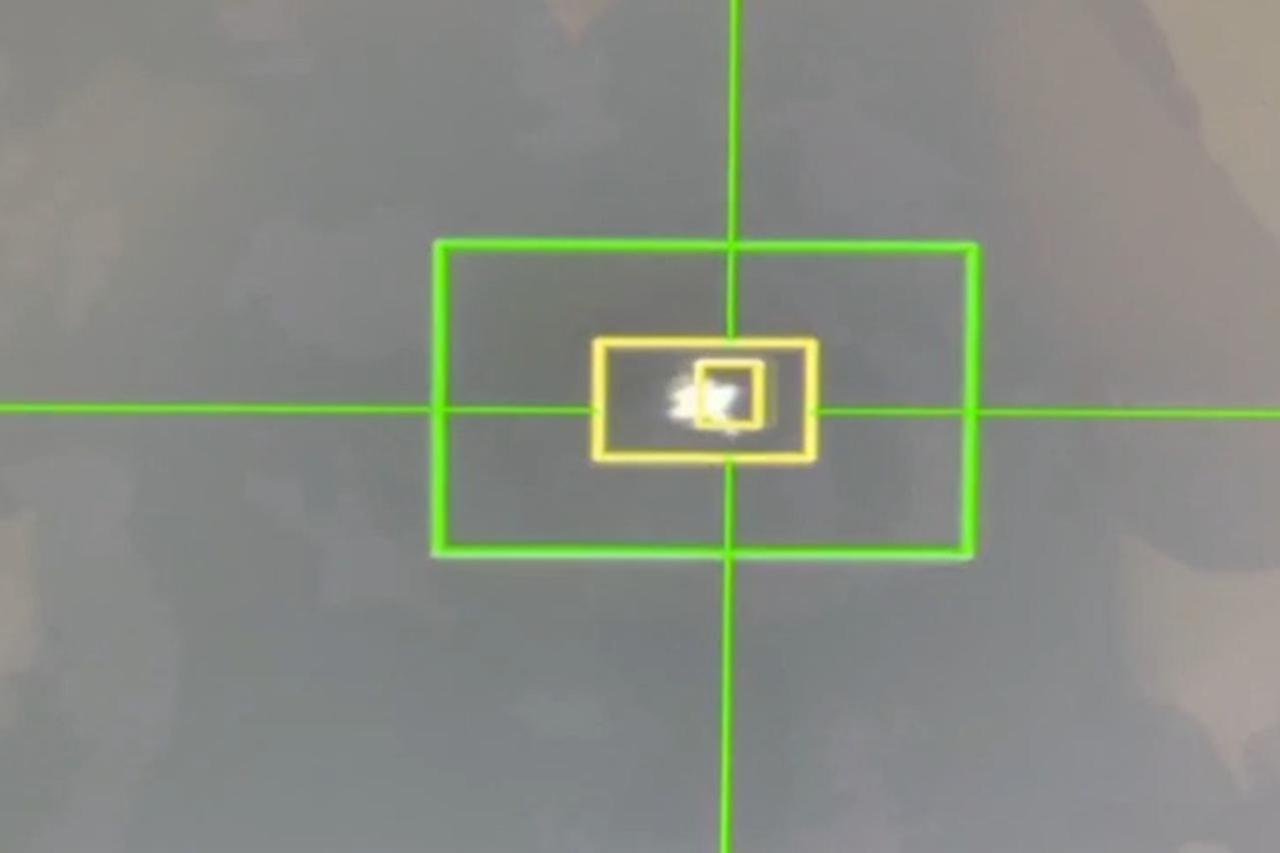


U.S. Central Command flatly rejected Iran's claim that its Revolutionary Guard had shot down an American fighter jet over the Strait of Hormuz on Thursday, calling the assertion untrue and noting that all U.S. aircraft were present and intact. It was at least the sixth time the IRGC has made such a claim since the conflict began, with each previous assertion similarly denied or unverified.
The IRGC had said its air defenses successfully targeted an enemy aircraft south of Qeshm Island, with the jet crashing into the Gulf between Hengam Island and Qeshm Island. The statement did not identify which country operated the aircraft. U.S. Central Command left no ambiguity in its response.
Iranian state media and IRGC communications channels have repeatedly announced the downing of enemy aircraft, none of which have been corroborated by independent reporting or acknowledged by U.S. or allied militaries. Military analysts and conflict observers have noted that such claims serve a domestic and regional messaging function regardless of their accuracy.
Beyond the aerial claims, the conflict showed signs of spreading geographically on Thursday. An attack targeted the American logistics support camp near Baghdad airport, according to an Al Jazeera source in the Iraqi police. A projectile also struck a building at the Trebil border crossing between Iraq and Jordan, an Iraqi government official told Al Jazeera, with no casualties reported.
Iranian state media separately reported the sound of an explosion in Tabriz, in the northwest of the country, without providing further details.
The IRGC's naval command had earlier claimed strikes on an Oracle data center in Dubai and an Amazon cloud computing facility in Bahrain, assertions that also could not be independently verified.
The Chief of Staff of the Iranian Armed Forces said the Strait of Hormuz "will remain closed to the Americans and Zionists in the long term," according to Iran's Fars news agency, hardening Tehran's public posture as the conflict entered another day of escalating claims and counter-denials.
The White House said Thursday that diplomacy had always been President Trump's preferred option, but that Iran had continued pursuing nuclear weapons regardless, offering no indication of any imminent shift in U.S. policy.


 Set as preferred source
 Set as preferred source


 1 min read


 1 min read