Newsletters


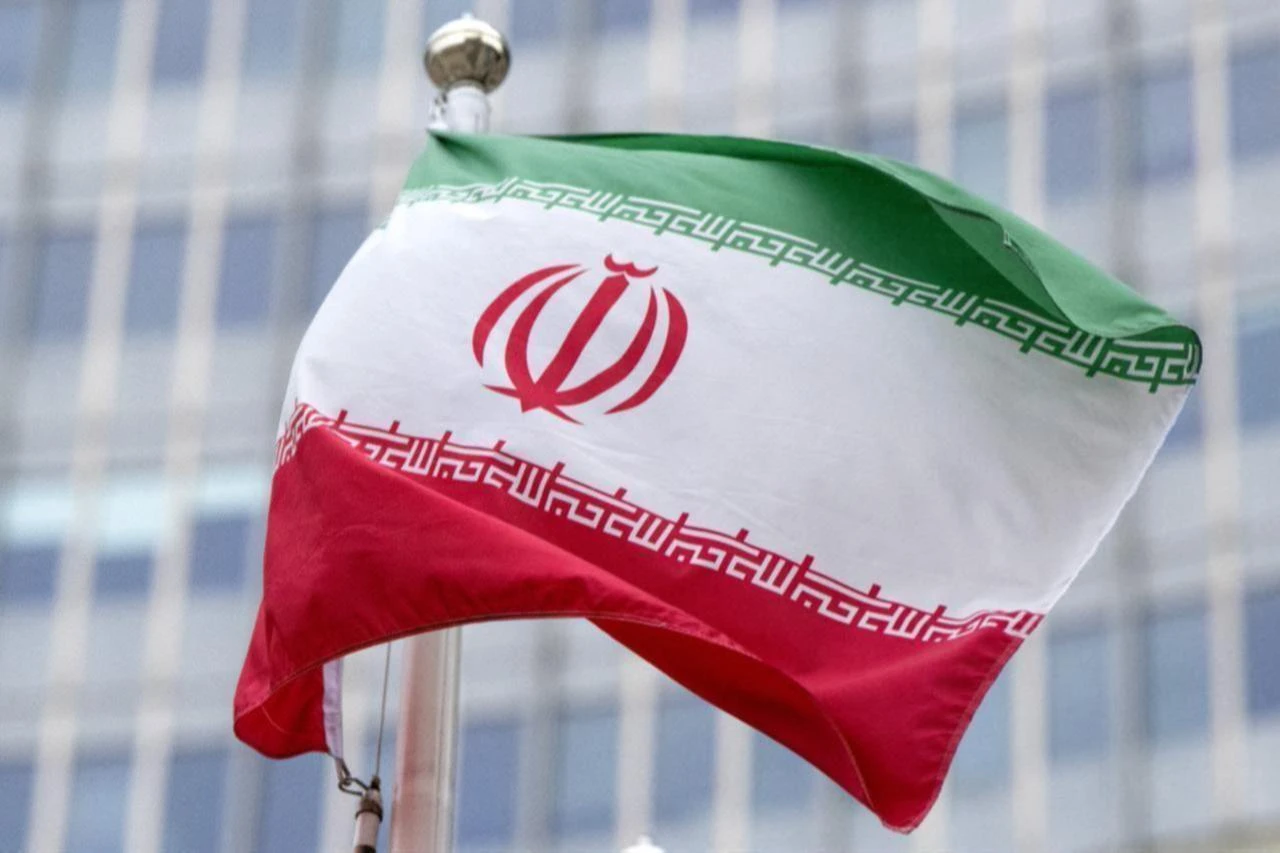
Iran is determined to secure international recognition of its control over the Strait of Hormuz, including the right to levy transit fees on passing ships, and is even willing to implement it by force, according to sources cited by Reuters and Al Arabiya. However, the United States has informed Tehran that it will not tolerate any changes to the waterway's status quo.
The U.S. told Iran that any change to the current arrangement in the Strait of Hormuz would be considered a violation of the agreement, and that Tehran's approach to Hormuz would serve as the first test of its commitment to the deal, a source told Al Arabiya.
"Any progress on Iran's frozen funds is conditional on Tehran complying with the agreement," the source added.
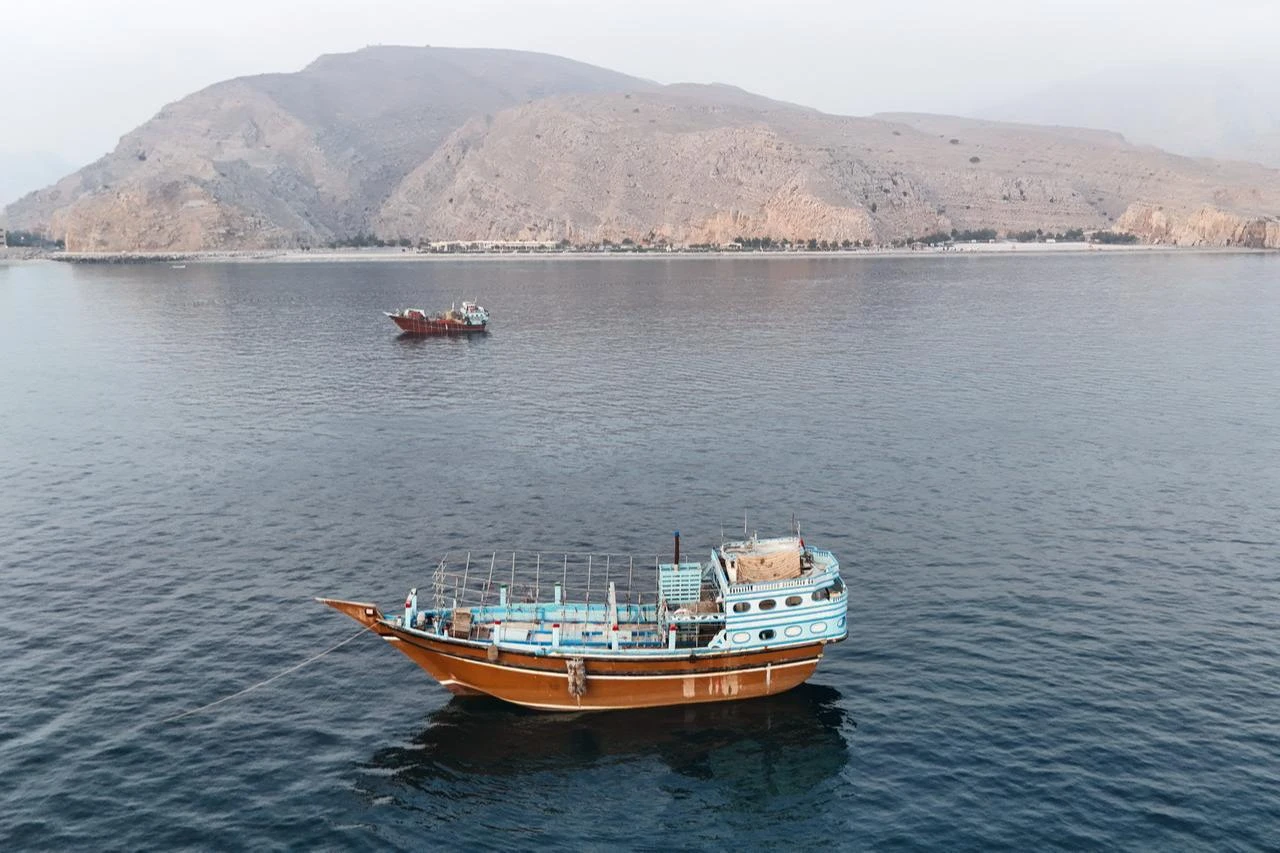

Under this month's interim deal between Iran and the United States to end their three-month conflict, Iran agreed to allow ships to pass through the strait for 60 days without charge.
However, two senior Iranian sources told Reuters that Tehran believes the wording of the agreement permits it to maintain control over which ships may transit the waterway and which route they must take.
Iran's negotiators will not move to other areas of dispute in the ongoing peace talks with Washington, including the nuclear question, until lasting formal acceptance of its Hormuz control has been agreed, the sources said.
If the interim deal expires without an extension, Iran would begin charging ships for passage from mid-August, though it has not yet published any list of fees.
One of the senior Iranian officials told Reuters that having survived what Tehran saw as its greatest potential threat, a war with the United States and Israel, Iran believed it now has "a historic opportunity to secure a long-term advantage."
"Ship-owning countries would eventually accept Iranian management of the strait because of the growing cost of the dispute, and Washington would accept it to ensure uninterrupted global energy supplies," the official said.
Iran is ready to impose its demands by force if other countries do not accept its terms, the official added, saying Tehran would not back down even if it led to renewed and intensified confrontation with the United States.
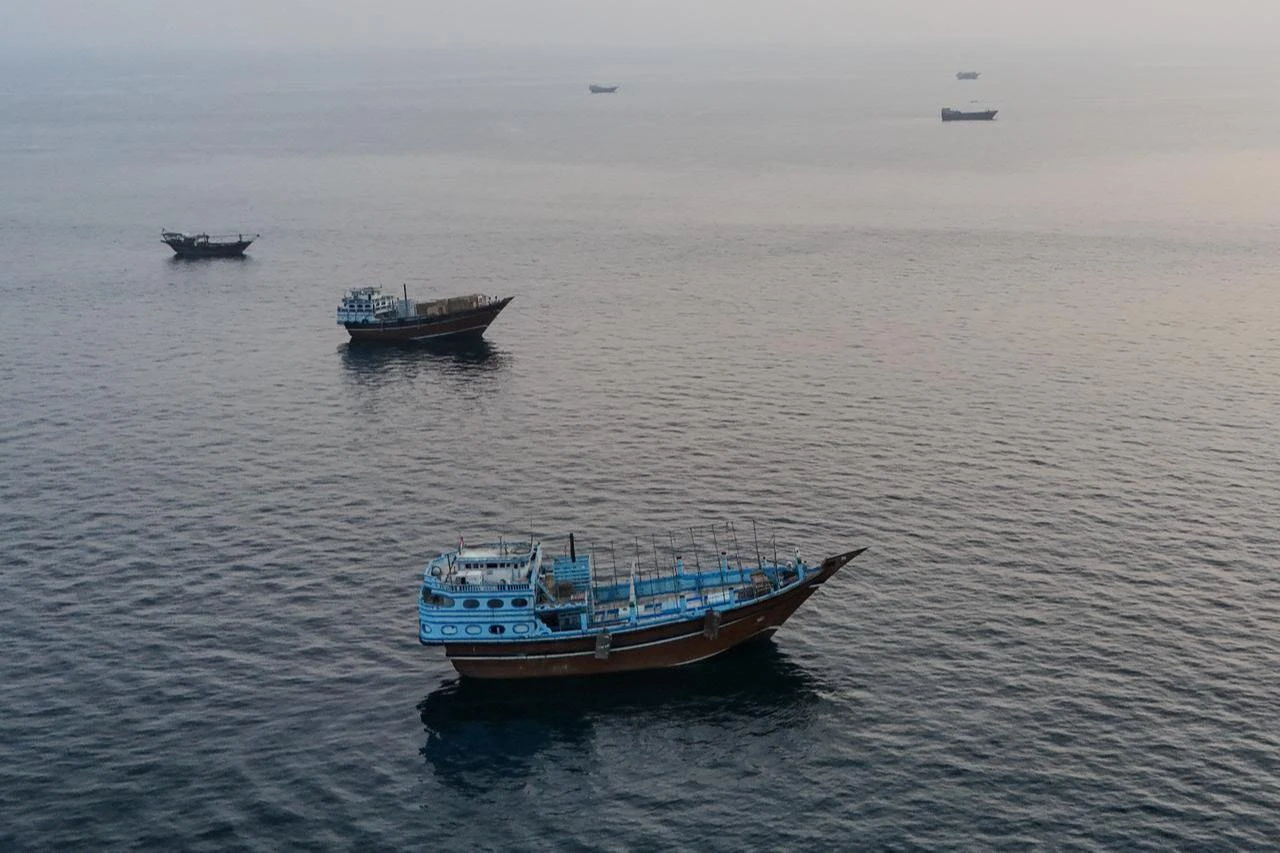
Iran believes new arrangements must govern the strait, including the right to choose how vessels enter and leave, the ability to deny entry to any ship it suspects of threatening Iranian security, and the right to charge fees for compulsory services it provides.
Iran does not believe it is obliged to reach an agreement with the Gulf states on these arrangements, even though it has agreed to discuss transit routes with Oman, which borders the strait's southern coast.
This position runs directly counter to the United States' interpretation of the interim Memorandum of Understanding (MoU).
U.S. President Donald Trump said last week there would be no tolls for passage through the waterway unless Washington decided to impose them itself.
Over the weekend, Iran shot at four ships that tried to transit the strait on the Omani side without first obtaining Iranian permission, triggering a brief but intense exchange of fire with the United States.
Despite the gradual normalization that has followed the June 18 agreement, maritime traffic through the strait remains 70% below pre-war levels, according to Bilgehan Engin, president of the Turkish Forwarding and Logistics Association (UTIKAD), speaking to Anadolu Agency (AA)
Before the war, around 130 commercial vessels transited the strait daily; traffic came to a near-standstill after February 28, when the U.S. and Israel launched strikes on Iran.
Engin said the easing of tensions has led to a "gradual and fluctuating normalization" rather than any sharp collapse in freight rates, adding that while insurance costs are falling, freight rates are not declining at the same pace due to structural cost factors.
He said the risk premium has not fully disappeared at key transit points but has been "repriced within a lower range," with expectations that the bottom level in spot market pricing will remain well above pre-crisis levels.
"Shipowners and major logistics firms are revising high-priced long-term contracts signed during the crisis through index-linked and flexible structures open to renegotiation," Engin said.
Engin noted that the rerouting of ships around the Cape of Good Hope during the crisis temporarily increased ton-mile demand in global maritime transport, creating a capacity crunch.
The reversal of that rerouting would lead to gradual easing and more competitive pricing, but would not cause a severe supply shock, he said. In the long term, the market would seek a "new balance, establishing a new price floor dependent on demand growth and fleet discipline."
Engin said near-shoring and multimodal corridors, combining rail, short-sea shipping, and regional distribution centers, have evolved from temporary solutions into strategic diversification tools for major logistics firms.
"The return to stability in the Strait of Hormuz may make traditional maritime routes appealing once again, but it will not eradicate alternative corridors, as global supply chain management relies on cost optimization, risk diversification, and supply security in the aftermath of the crisis," he said.


 Set as preferred source
 Set as preferred source


 1 min read
 1 min read