Newsletters


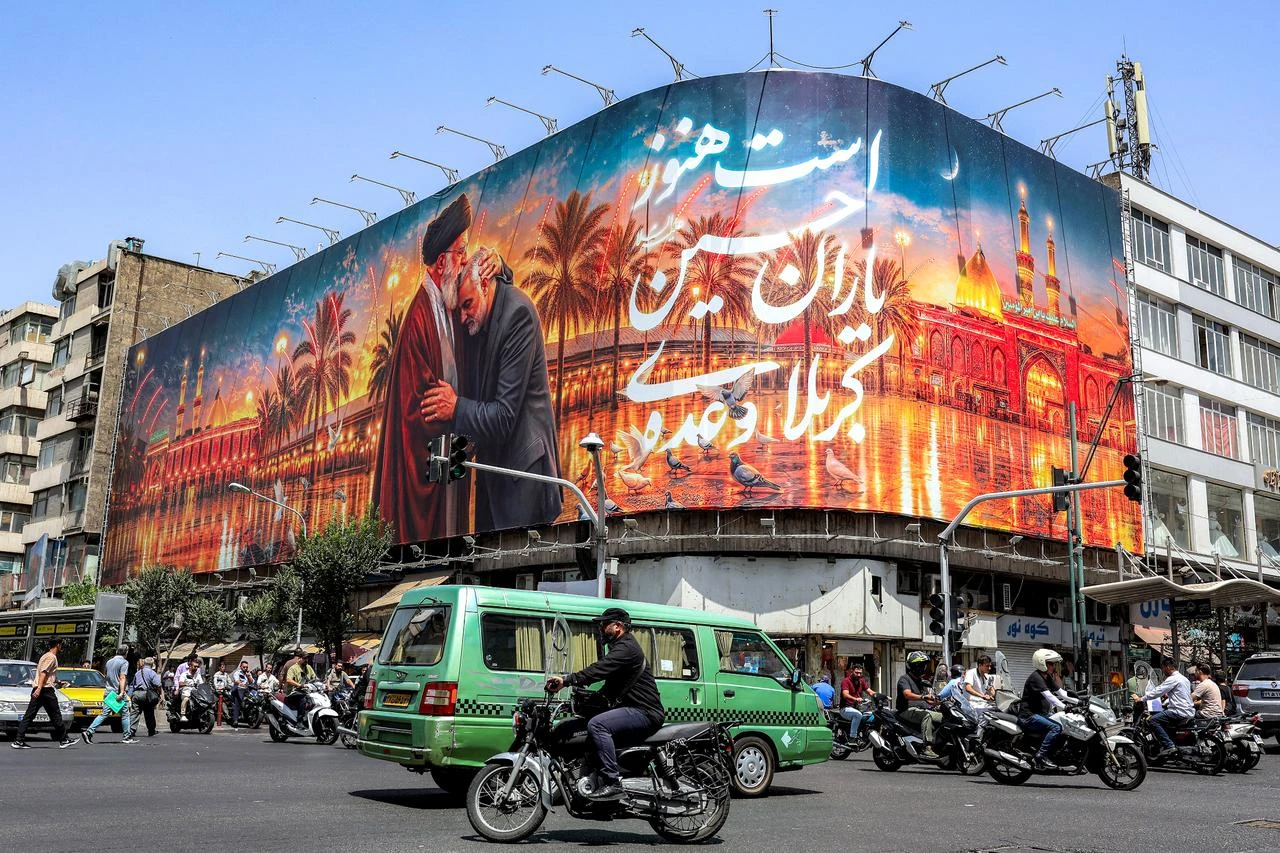


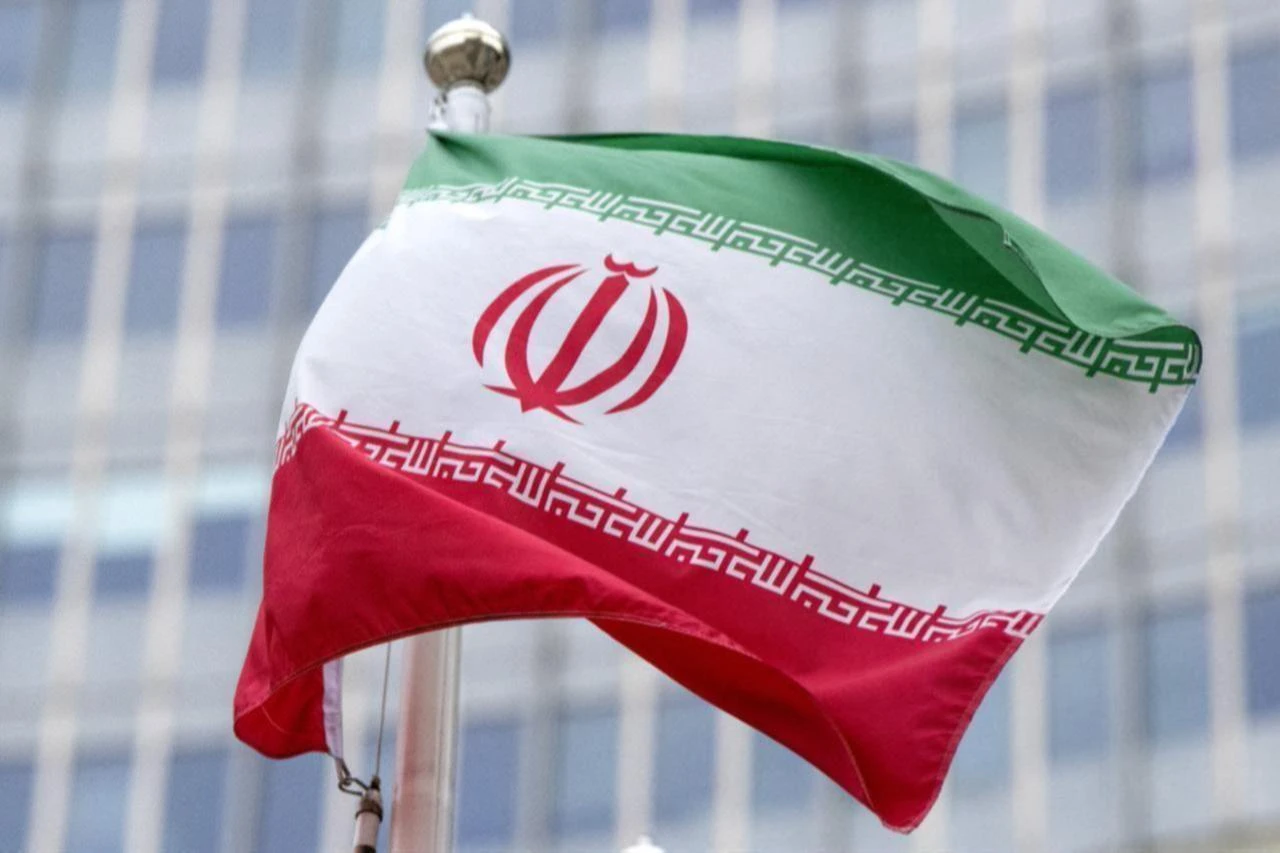
The latest round of indirect negotiations between the United States and Iran, held in Doha on Wednesday, ended with "positive progress," Qatar's Foreign Ministry spokesman Majed al-Ansari wrote in a post on X after the meeting.
Following the talks, Iran's Foreign Ministry also said discussions with Qatari officials cleared the way for part of the initial $6 billion in frozen assets to be used to purchase essential goods.
The discussions were mediated by Qatar and Pakistan, with U.S. and Iranian negotiators meeting separately as part of efforts to implement the Islamabad Memorandum of Understanding (MoU).
The talks built on understandings reached during last week's Lake Lucerne Summit in Switzerland, where the two sides agreed to establish a framework for technical negotiations, Al Ansari said.
"The parties agreed to continue discussions over the coming period, with the next meeting to be scheduled at the earliest possible time following the funeral processions of former Iranian Supreme Leader Ali Khamenei," he added. Ali Khamenei was killed in U.S.-Israeli strikes on Feb. 28, and his funeral is scheduled for Friday.
The Doha meetings were largely technical in nature and concentrated on implementing commitments already outlined in the memorandum.
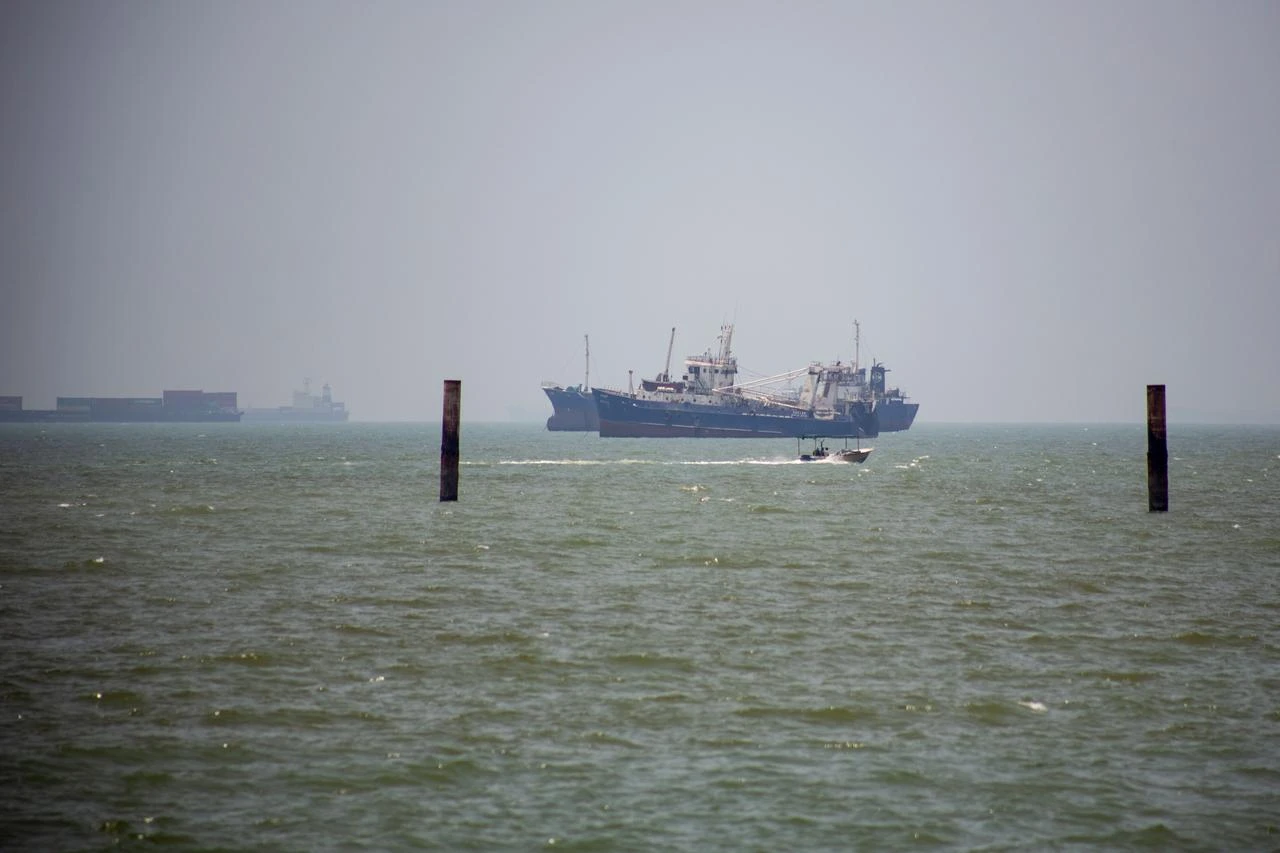
Discussions are expected to center on maritime security in the Strait of Hormuz, the release of frozen Iranian assets and mechanisms to preserve the ceasefire reached after months of conflict, according to earlier statements.
Iran has continued to press for recognition of its authority over shipping in the Strait of Hormuz, while Washington and its regional partners oppose Tehran's proposal to impose transit fees on commercial vessels. The nuclear issue, a central point of previous negotiations, was not part of this round of technical discussions, Reuters reported.

Iran's Deputy Foreign Minister Kazem Gharibabadi said discussions with Qatari officials after the Doha talks cleared the way for part of the initial $6 billion in frozen assets to be used to purchase essential goods.
"During meetings with Qatari officials, some issues related to spending part of the initial $6 billion were reviewed, and it was decided that, based on our country's declared needs, the purchase of needed goods would be carried out and made available to Iran," Gharibabadi said.
His remarks came less than a week after U.S. President Donald Trump said Washington would use "some of Iran's money" to buy American wheat, soybeans and corn for the country, calling it a "new market" for U.S. farmers.
However, Gharibabadi did not explicitly describe the arrangement as an agreement with Washington. He also said Iranian, Qatari and Pakistani officials agreed to establish an "urgent communication channel" to document and review implementation of the Islamabad Memorandum of Understanding.
Gharibabadi reiterated that no direct meeting took place between the Iranian and U.S. delegations in Doha and accused Washington of violating commitments under the memorandum's first clause, particularly those related to ending the war in Lebanon.


 Set as preferred source
 Set as preferred source


 1 min read
 1 min read