Newsletters


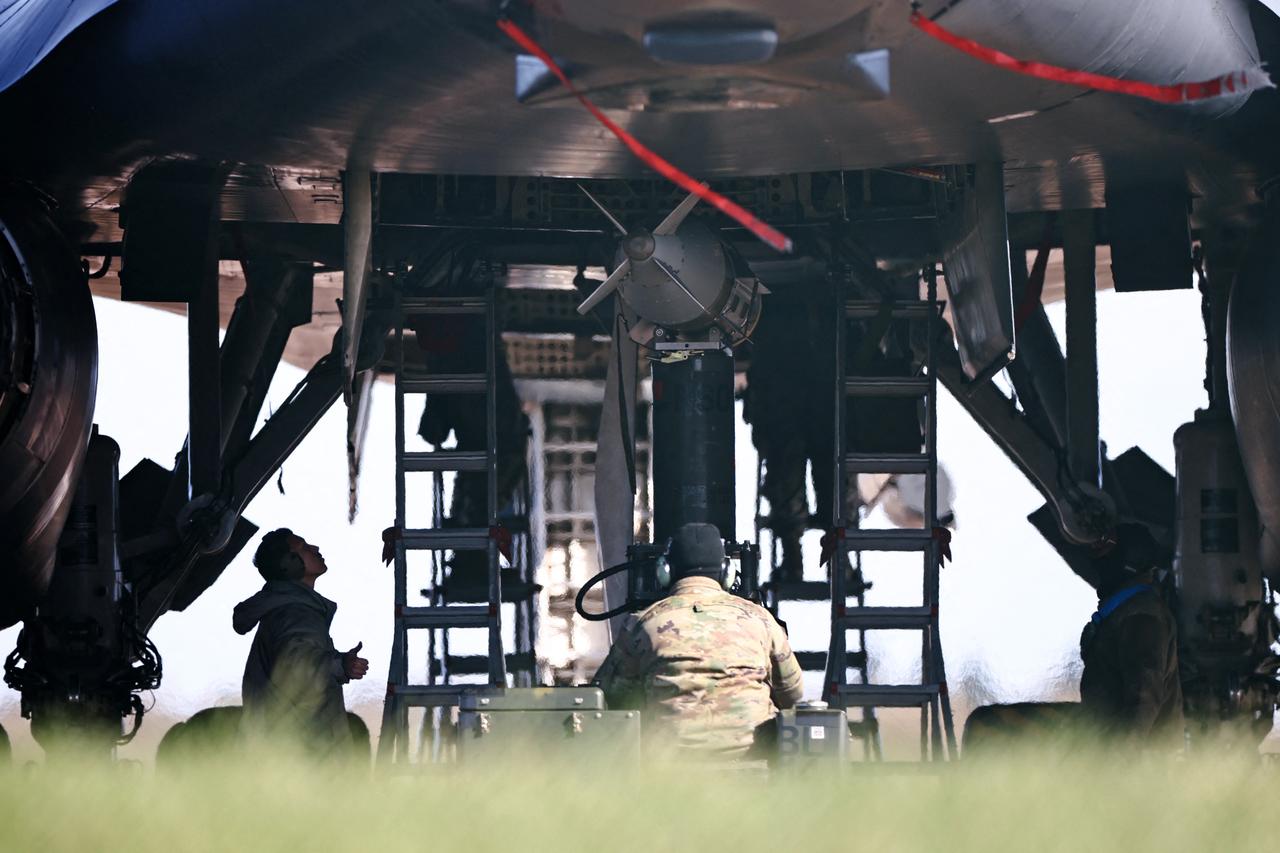


The U.S. military has “significantly depleted” its stockpile of key missiles during the war in Iran and could face shortages in a future conflict, CNN reported Tuesday, citing a new analysis.
Over seven weeks of fighting, U.S. forces used roughly 45% of their Precision Strike Missiles, at least half of their THAAD interceptors, and nearly 50% of their Patriot air defense missiles, according to a study by the Center for Strategic and International Studies.
The figures closely match classified Pentagon estimates, the report said.
The military also expended about 30% of its Tomahawk cruise missiles, more than 20% of its long-range Joint Air-to-Surface Standoff Missiles, and around 20% of its SM-3 and SM-6 interceptors.
Although the Pentagon has signed contracts this year to increase production, replenishing the stockpiles could take three to five years even with expanded capacity, the report said.
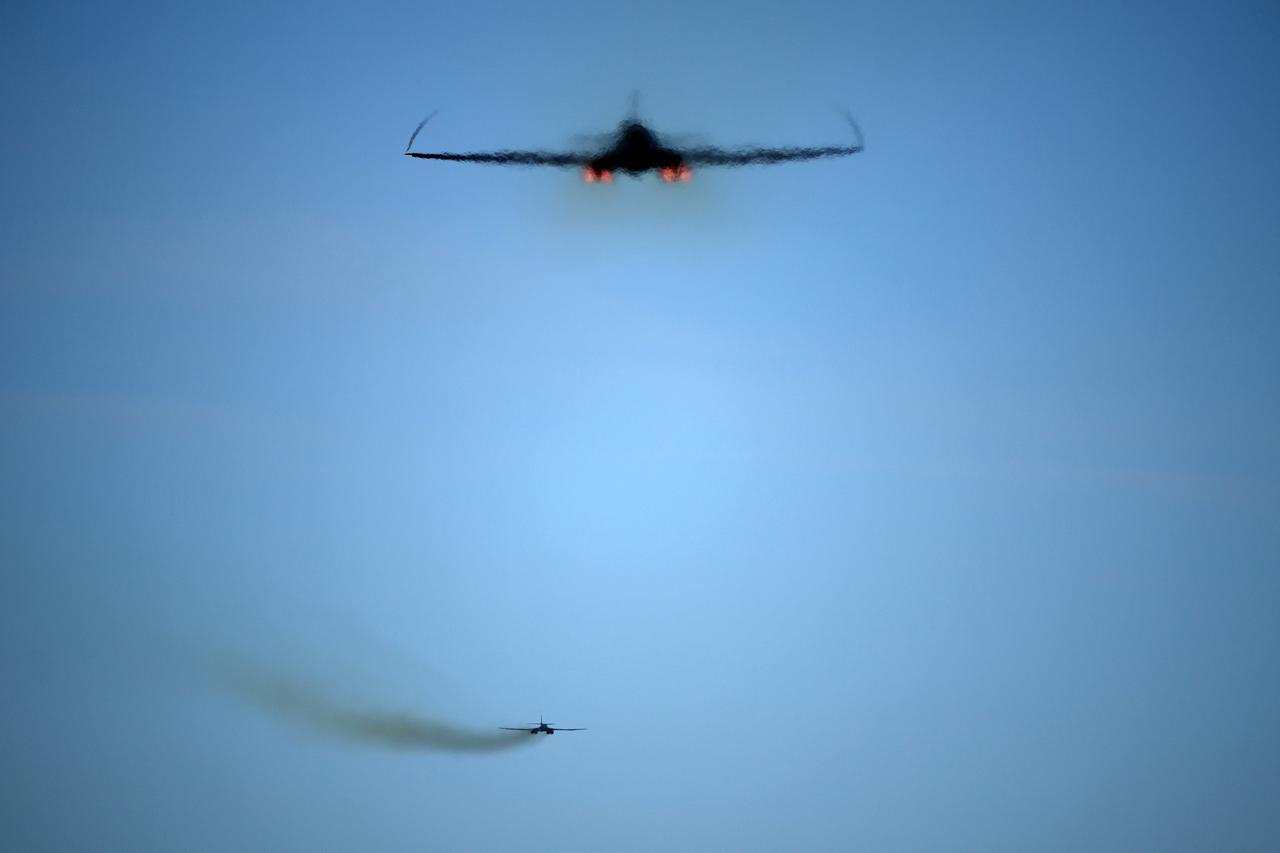

In the short term, the U.S. is likely to retain sufficient munitions to sustain operations against Iran if the fragile ceasefire collapses.
However, the report warned that current inventories are insufficient for a conflict with a near-peer adversary such as China, and rebuilding stockpiles to pre-war levels could take years.
“The high munitions expenditures have created a window of increased vulnerability in the western Pacific,” said Mark Cancian, a retired U.S. Marine Corps colonel and co-author of the report.
“It will take one to four years to replenish these inventories and several years after that to expand them to where they need to be,” he said.
In a statement to CNN, Pentagon spokesman Sean Parnell said the military “has everything it needs to execute at the time and place of the President’s choosing.”
“Since President (Donald) Trump took office, we have executed multiple successful operations across combatant commands while ensuring the US military possesses a deep arsenal of capabilities to protect our people and our interests,” he said.
United States President Donald Trump said Tuesday that Washington would extend the ceasefire with Iran to allow time for Tehran to prepare what he described as a “unified proposal,” following a request from Pakistani officials.
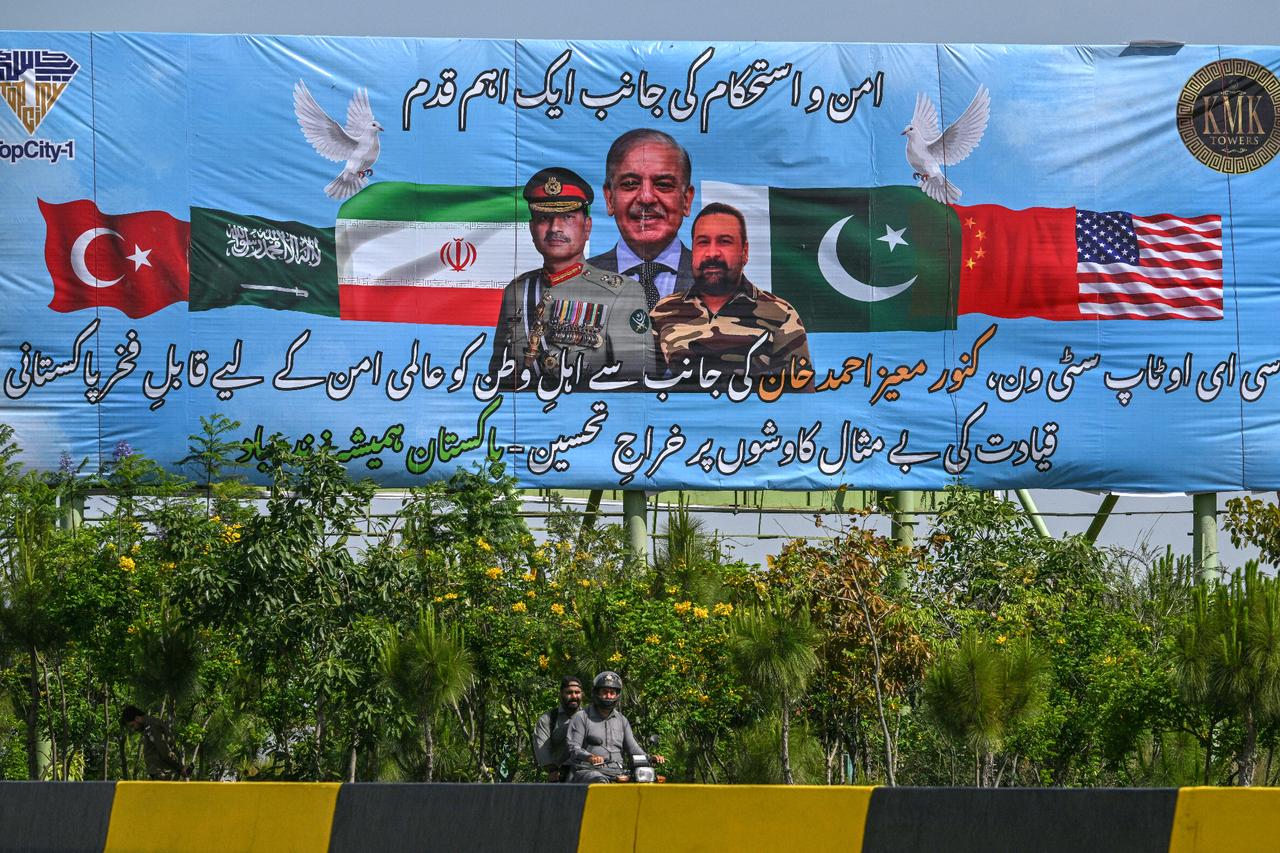
Trump said Pakistan’s Defense Chief Asim Munir and Prime Minister Shehbaz Sharif had asked the United States to delay renewed military action.
The ceasefire, which took effect April 8, had been due to expire Wednesday.
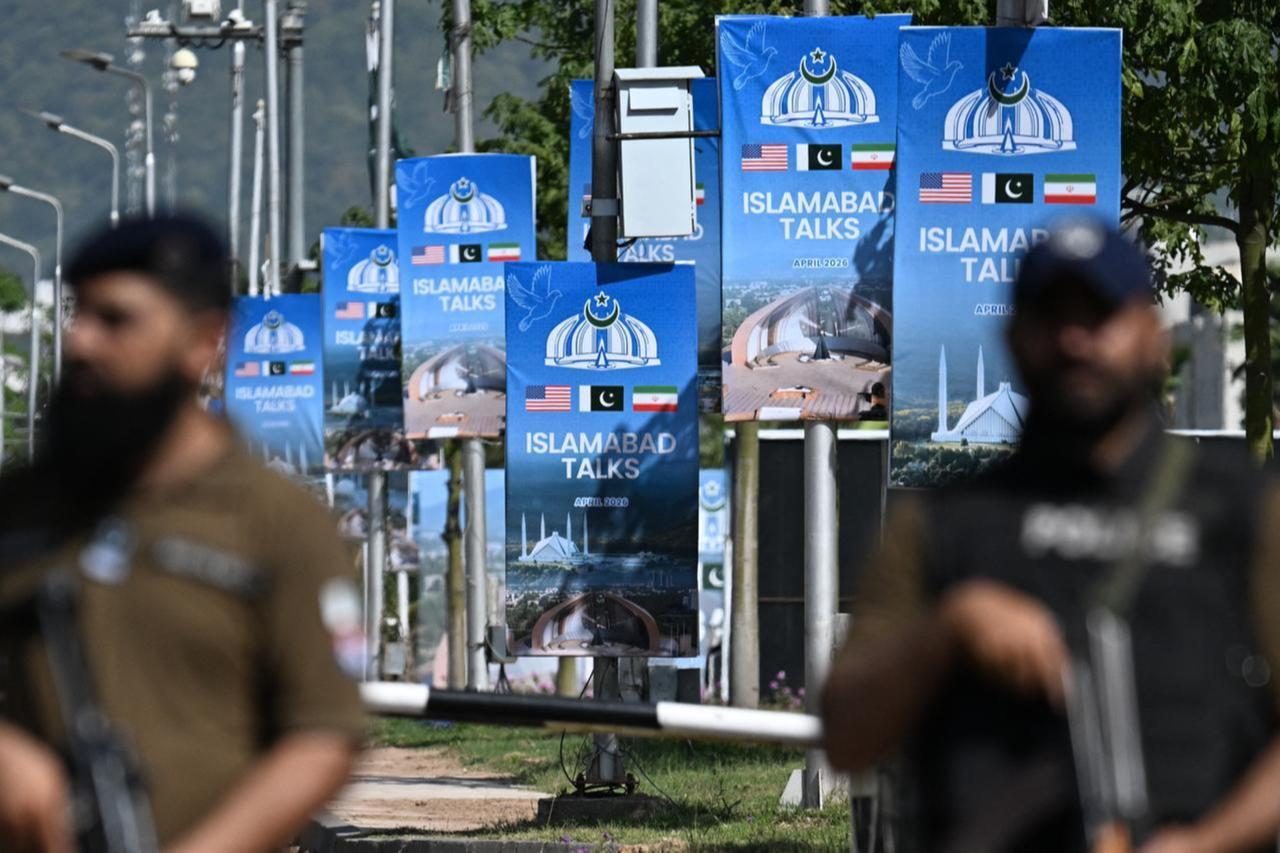
U.S. and Iranian officials are expected to meet in Islamabad this week for a second round of talks, although Tehran has demanded that Washington lift its blockade of the Strait of Hormuz as a condition for participation.
 1 min read
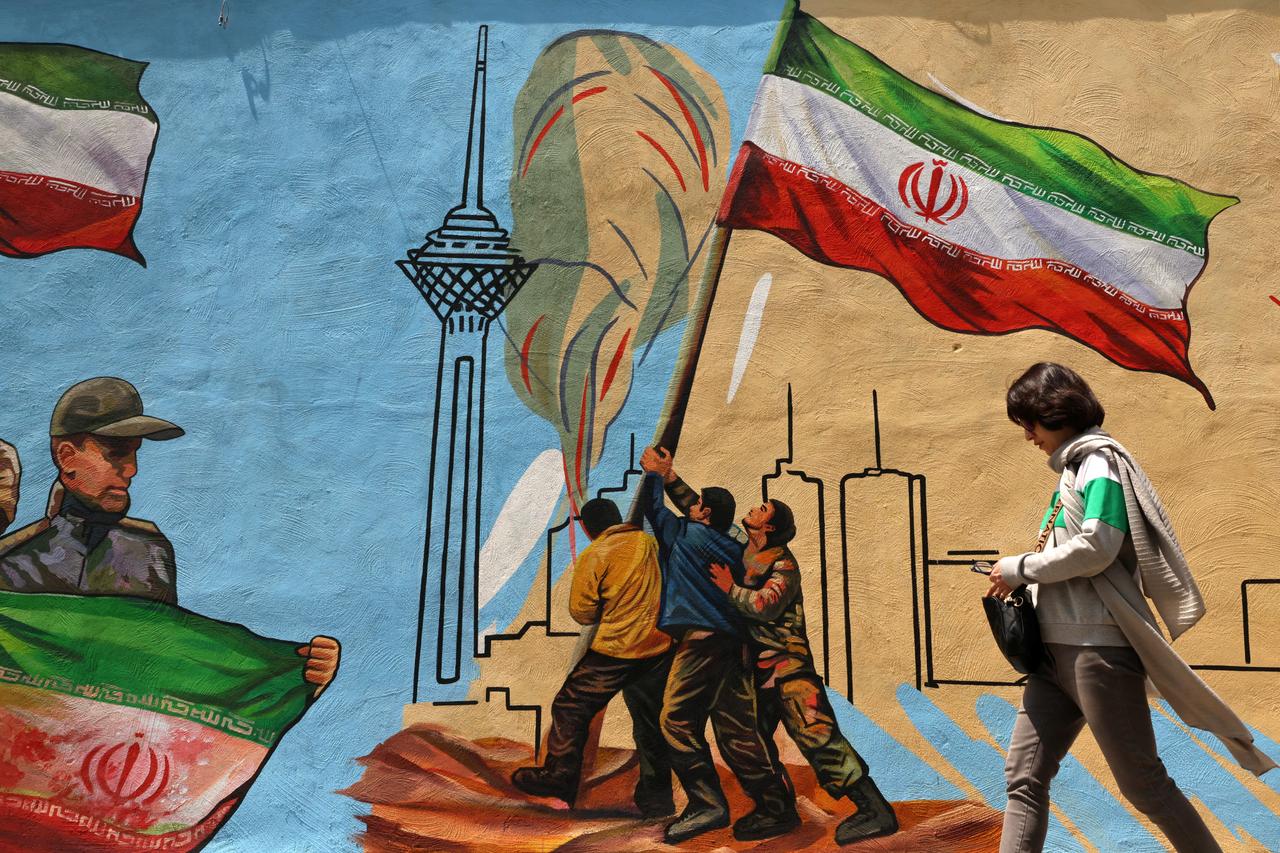
The conflict began Feb. 28 when the United States and Israel launched strikes on Iran, prompting retaliatory attacks by Tehran on U.S. assets across the Middle East.
Pakistan later hosted the highest-level talks between Washington and Tehran since diplomatic ties were severed in 1979, on April 11–12, but the negotiations ended without agreement.
Iran briefly eased restrictions on the Strait of Hormuz last week but reinstated them a day later after Trump said the U.S. naval blockade of Iranian ports would remain in place.


 Set as preferred source
 Set as preferred source


 1 min read