Newsletters


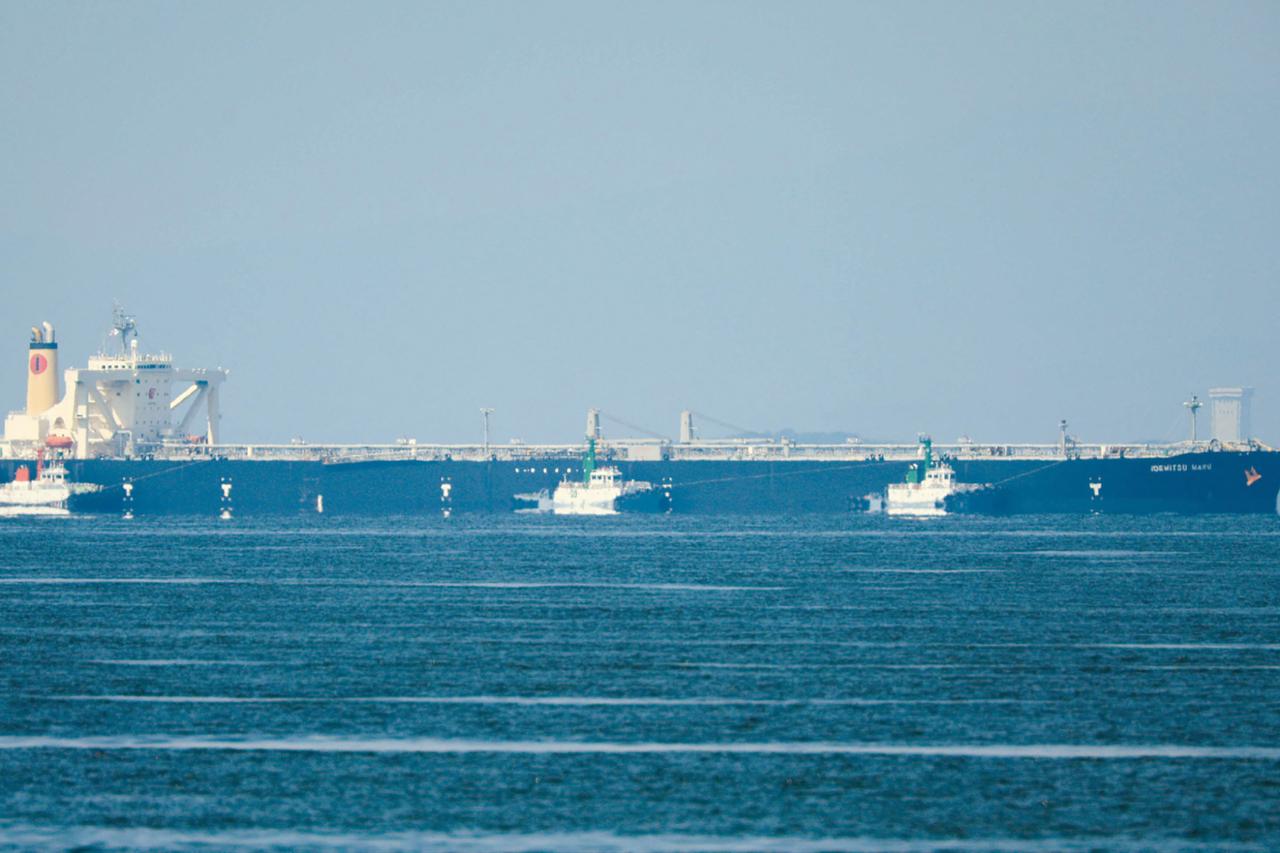


The U.S. Treasury Department sanctioned eight vessels and more than 15 entities involved in transporting Iranian crude oil and petroleum products, even as Washington and Tehran edged toward a tentative ceasefire extension, and as American fuel stockpiles fell to their lowest level in more than two decades.
"We will not allow the Iranian government to increase its oil revenue for the purpose of reconstituting its armed forces and military capabilities," Treasury Secretary Scott Bessent said in a statement.
State Department spokesman Tommy Pigott warned that "any entity trading Iranian oil faces serious risk of U.S. sanctions" and said the new measures would "cut off billions in revenue that funds the IRGC, proxy forces, and attacks on our partners."
The sanctioned vessels include the Marshall Islands-flagged oil tanker Flora, the Comoros-flagged crude oil tanker Hauncayo and the Panama-flagged tanker Ill Gap, among eight total.
More than 15 entities were also sanctioned, including Worth Seen Energy in Hong Kong, Symphony Shipping and Maritime Management in Dubai, and Mehdiyev Trading in Hong Kong.
The Treasury identified Sepehr Energy Jahan Nama Pars Company, the oil sales arm of Iran's Armed Forces General Staff, as a central node in the network. Front companies for Sepehr Energy Jahan include Hong Kong-based Tida Co., Limited, which in early 2024 shipped nearly 2 million barrels of Iranian crude oil worth over $100 million to Dongjiakou, China, and in early 2025 delivered nearly 2 million barrels to Dalian.
Hong Kong-based Damai Technology Development Limited claimed to serve as charterer of multiple vessels carrying Iranian oil on behalf of Iranian armed forces, including the IRGC, since mid-2025. Mehdiyev Trading paid storage and port fees for Iranian oil held in tanks in Qingdao, China, while the oil awaited delivery to Chinese buyers.
Worth Seen Energy claimed to have procured refined petroleum products for the National Iranian Oil Company on behalf of Sepehr Energy Jahan. In January 2025, Worth Seen supplied NIOC with hundreds of thousands of barrels of gasoline loaded in the UAE and transported to Bandar Abbas, Iran, according to the Treasury.
The action was taken under Executive Order 13224, the counterterrorism authority, as part of the administration's Economic Fury campaign.

The sanctions came as data from the U.S. Energy Information Administration showed American oil stockpiles have fallen to critical levels.
Crude oil, gasoline, and diesel in commercial and emergency storage fell by 17.4 million barrels last week, ahead of the Memorial Day weekend, bringing inventories to their lowest seasonal level since May 2003.
The Strategic Petroleum Reserve declined by 9.1 million barrels last week, just short of the record-setting drop from the prior week. The emergency reserve has fallen by 50 million barrels over just the past two months.
Gasoline inventories dropped to their lowest May level since 2014. Diesel and other distillates hit their lowest level since May 2003.
"You can't continue at this pace forever," said Andy Lipow, president of Lipow Oil Associates, speaking to CNN.
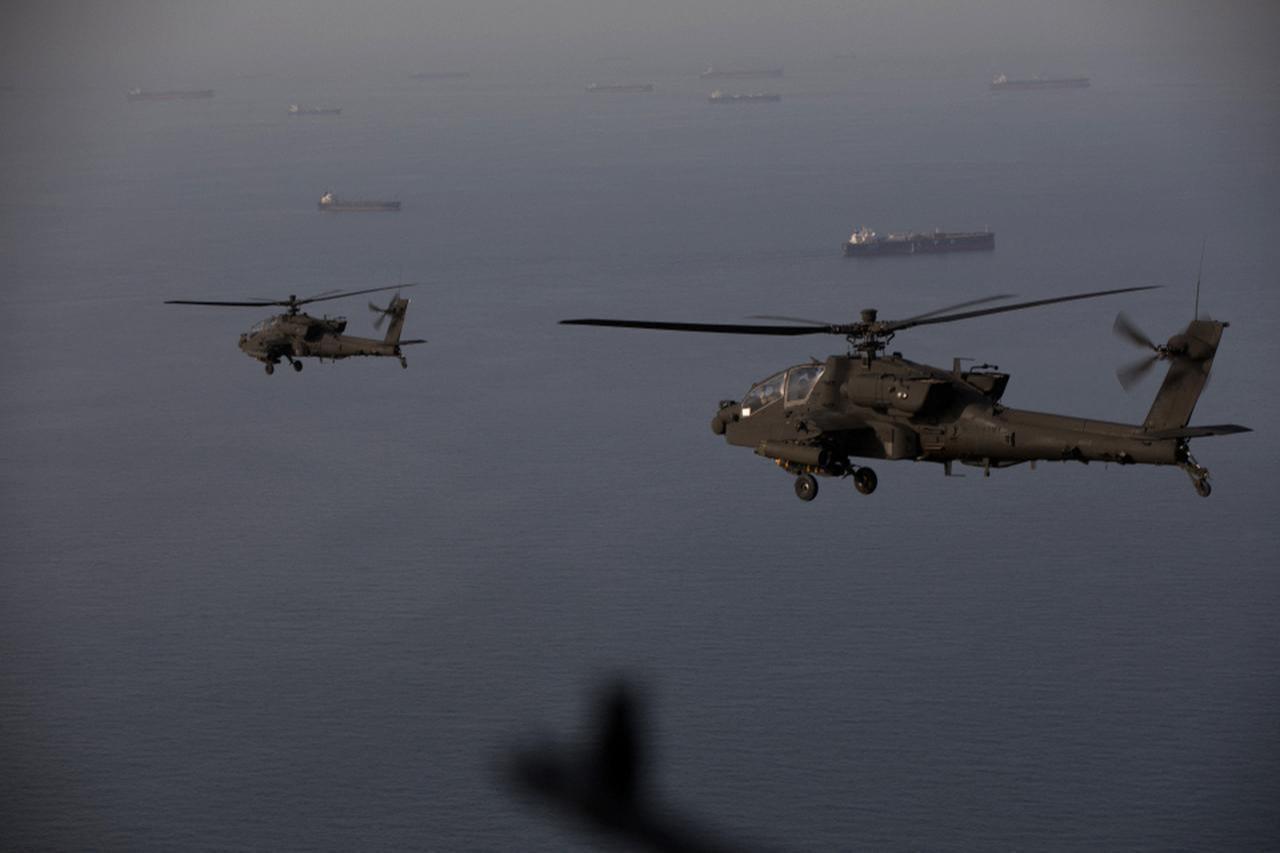
The monthslong closure of the Strait of Hormuz, through which 20% of the world's oil and gas normally flows, has forced the energy industry to draw heavily on stored supplies since the war began Feb. 28 with U.S.-Israeli strikes on Iran.
The new sanctions were imposed on the same day U.S. and Iranian negotiators were reported to have reached a tentative 60-day Memorandum of Understanding (MoU) pending Trump's approval, which would reopen the Strait to unrestricted shipping.
Trump has yet to sign off on the agreement.


 Set as preferred source
 Set as preferred source



 3 min read