Newsletters


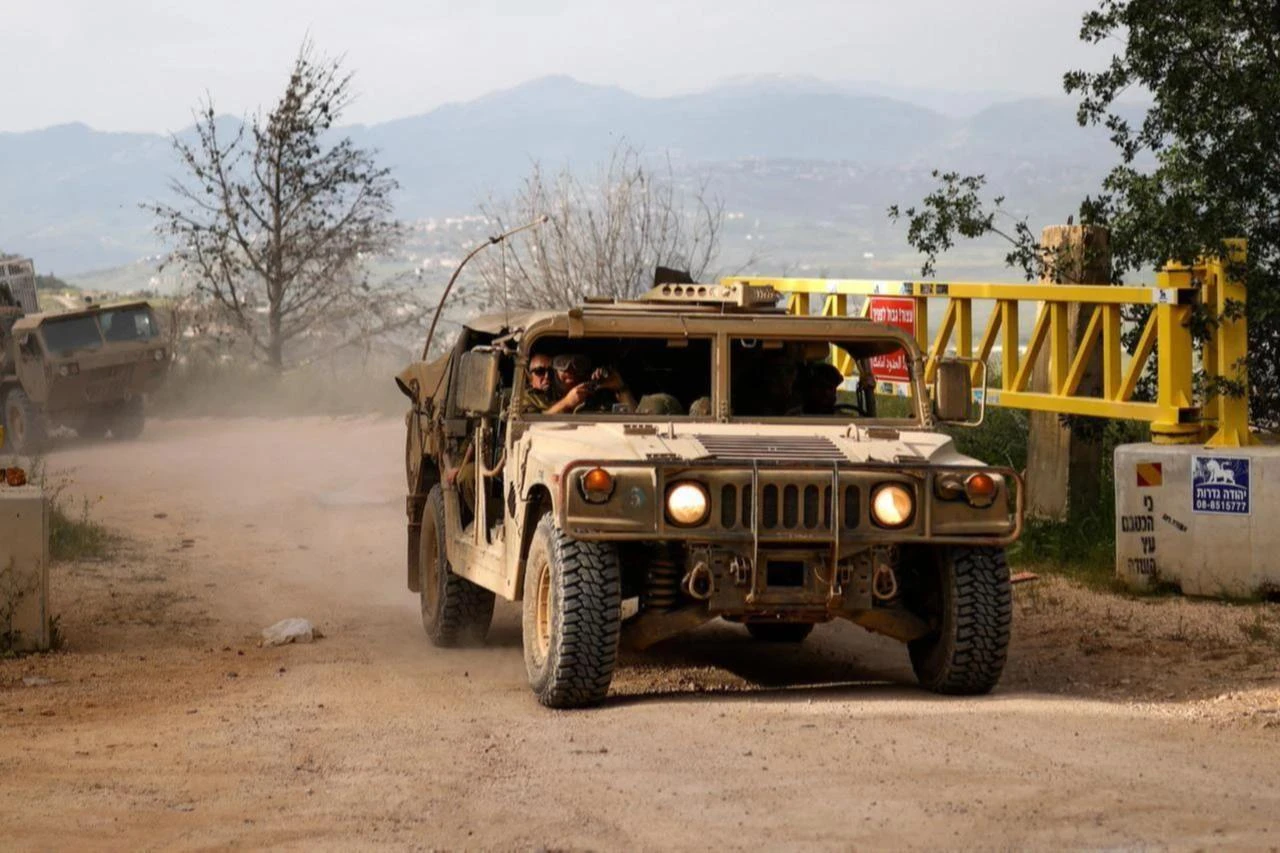


The Lebanese army began taking charge of security Monday in three southern villages as part of a U.S.-backed framework intended to secure an Israeli withdrawal and the disarmament of Hezbollah, according to the U.S. State Department.
Operations began in the villages of Froun, Srifa and Zawtar al-Gharbiya “in accordance with the Trilateral Framework and under the auspices of the Military Coordination Group for Lebanon,” the department said.
State Department spokesperson Tommy Pigott described the move as “a direct outcome” of talks held between Israeli and Lebanese delegations in Rome last week.
“The United States will continue working closely with both parties to implement the Framework to a successful conclusion,” Pigott said.
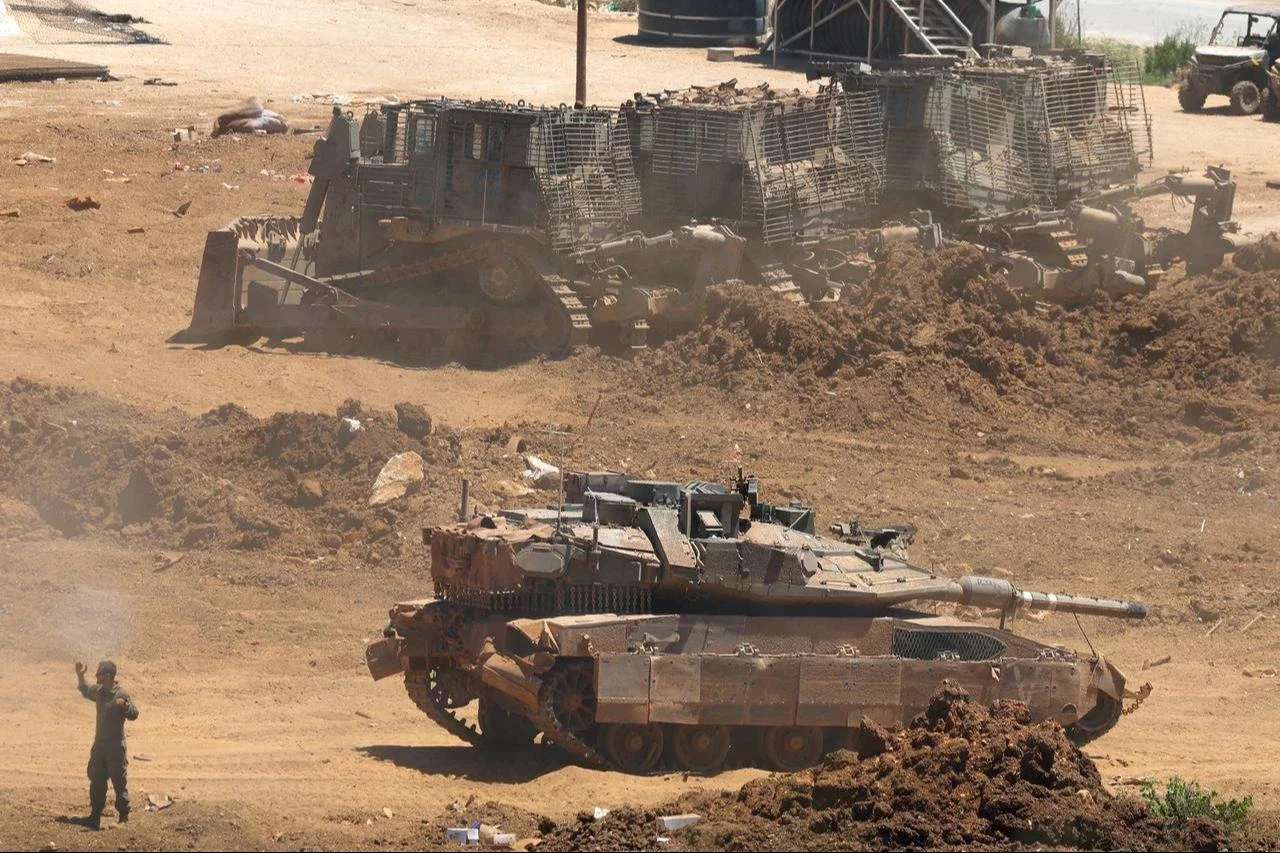

Froun and Srifa are part of the first of two pilot zones where the Lebanese Armed Forces are expected to assume security responsibility.
The two villages are outside the Israeli military’s buffer zone in southern Lebanon, meaning Israeli troops did not need to withdraw before the Lebanese army entered.
The Lebanese army had already deployed to Froun on Friday under the framework agreement.
A Lebanese military source reportedly told Agence France-Presse (AFP) that troops had begun intensifying patrols in several villages near areas occupied by Israeli forces in southern Lebanon, including Froun.
The second pilot zone covers the Zawtar al-Gharbiya and Zawtar al-Sharqiyah area. It lies inside Israel’s buffer zone, where Israeli troops are currently stationed and will be required to withdraw.
It was not immediately clear when Israeli forces would leave the second zone.
The pilot areas are intended to test the security arrangement in several villages around the Litani River before it is expanded to other locations.
The framework was signed by Lebanon, Israel and the U.S. on June 26 after several rounds of direct negotiations.
It provides for a phased Israeli withdrawal from positions across southern Lebanon.
In return, the Lebanese Armed Forces are expected to assume sole security responsibility in areas vacated by Israeli troops and confirm that those locations have been cleared of Hezbollah weapons and infrastructure.
The agreement does not establish a timetable for completing the withdrawal and has been rejected by Hezbollah.
Israeli officials have said their forces will remain in a security zone extending 10 kilometers, or 6 miles, along the border for as long as Hezbollah remains armed.
Lebanon and Israel, which do not have formal relations, began negotiations after Iran-backed Hezbollah attacked Israel in March, drawing Lebanon into the broader regional war.
The framework was reached following a fragile ceasefire in the Israel-Hezbollah conflict.
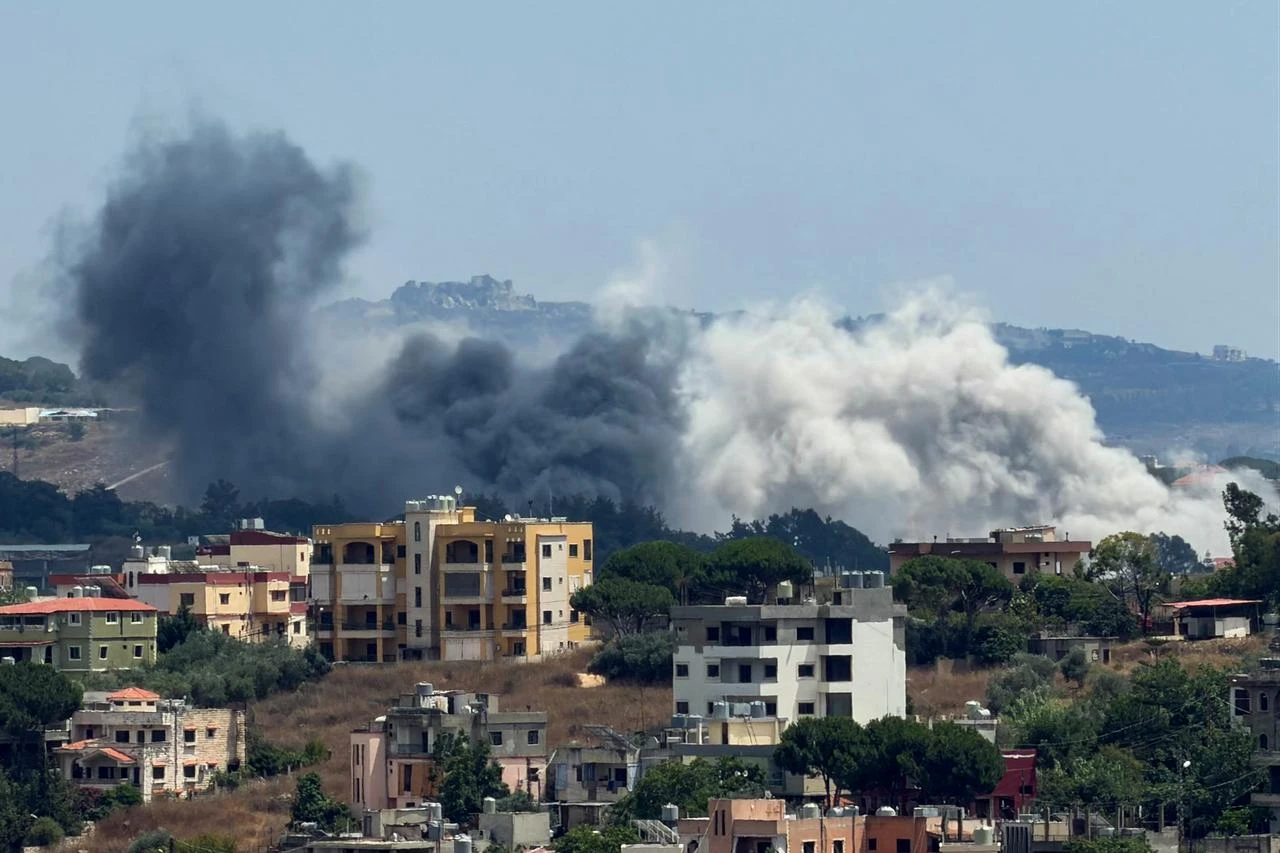
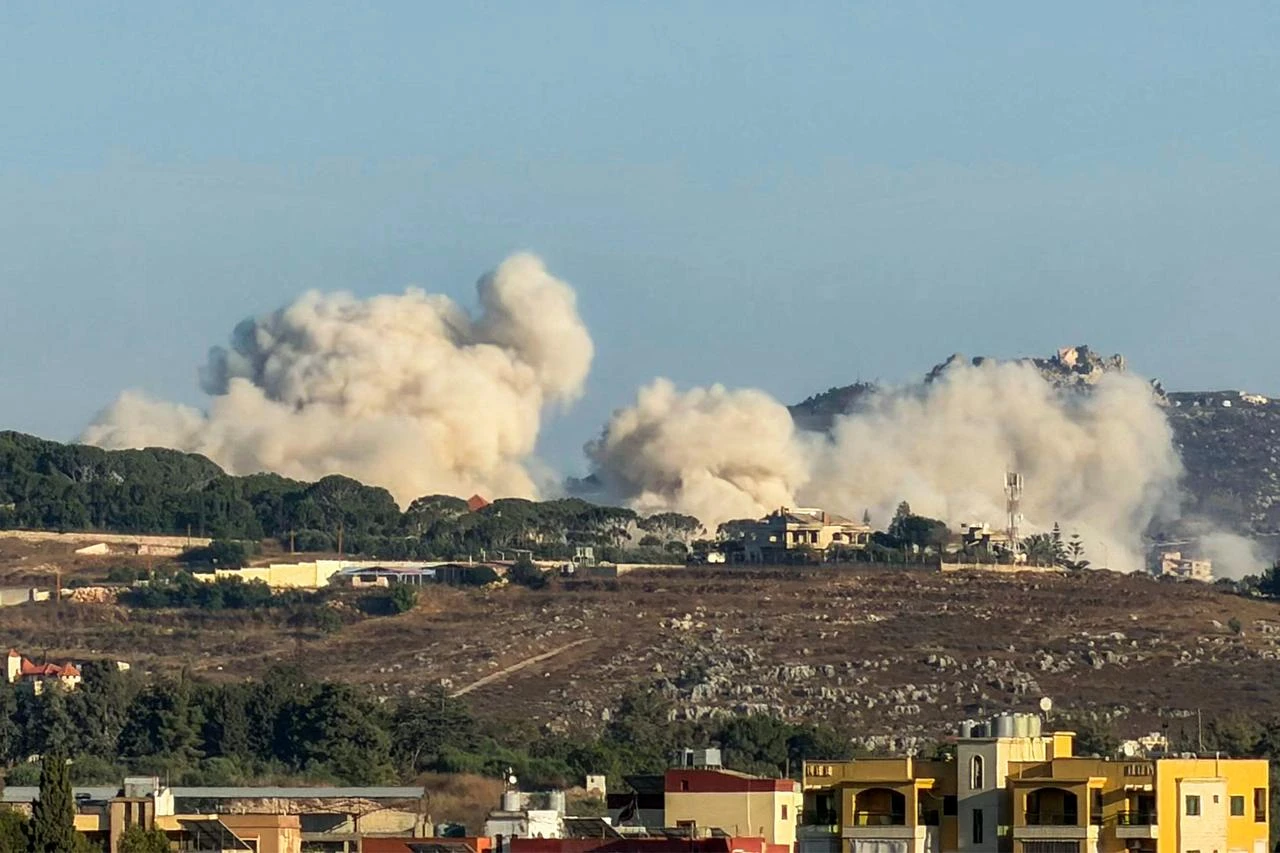
Israeli forces continue to carry out occasional strikes in southern Lebanon and conduct detonations in villages they occupy near the border.
Israel also continues to hold parts of southern Lebanon, including areas occupied for decades and others seized during the previous war between October 2023 and November 2024.
According to official Lebanese figures, Israeli attacks in Lebanon have killed 4,328 people and injured 12,227 others since March 2.
The Rome talks took place ahead of Lebanese President Joseph Aoun’s planned meeting with U.S. President Donald Trump in Washington on Tuesday.


 Set as preferred source
 Set as preferred source


 1 min read

 1 min read