Newsletters




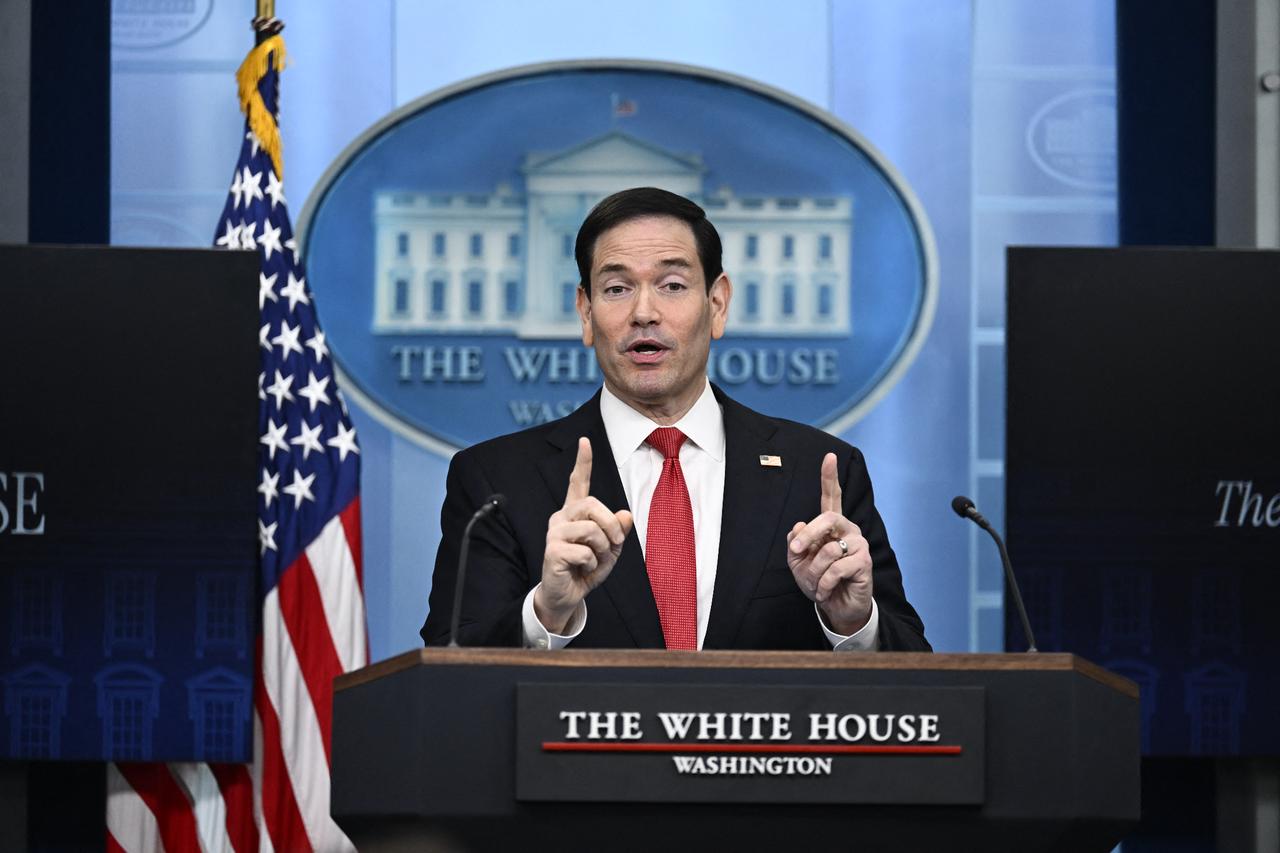
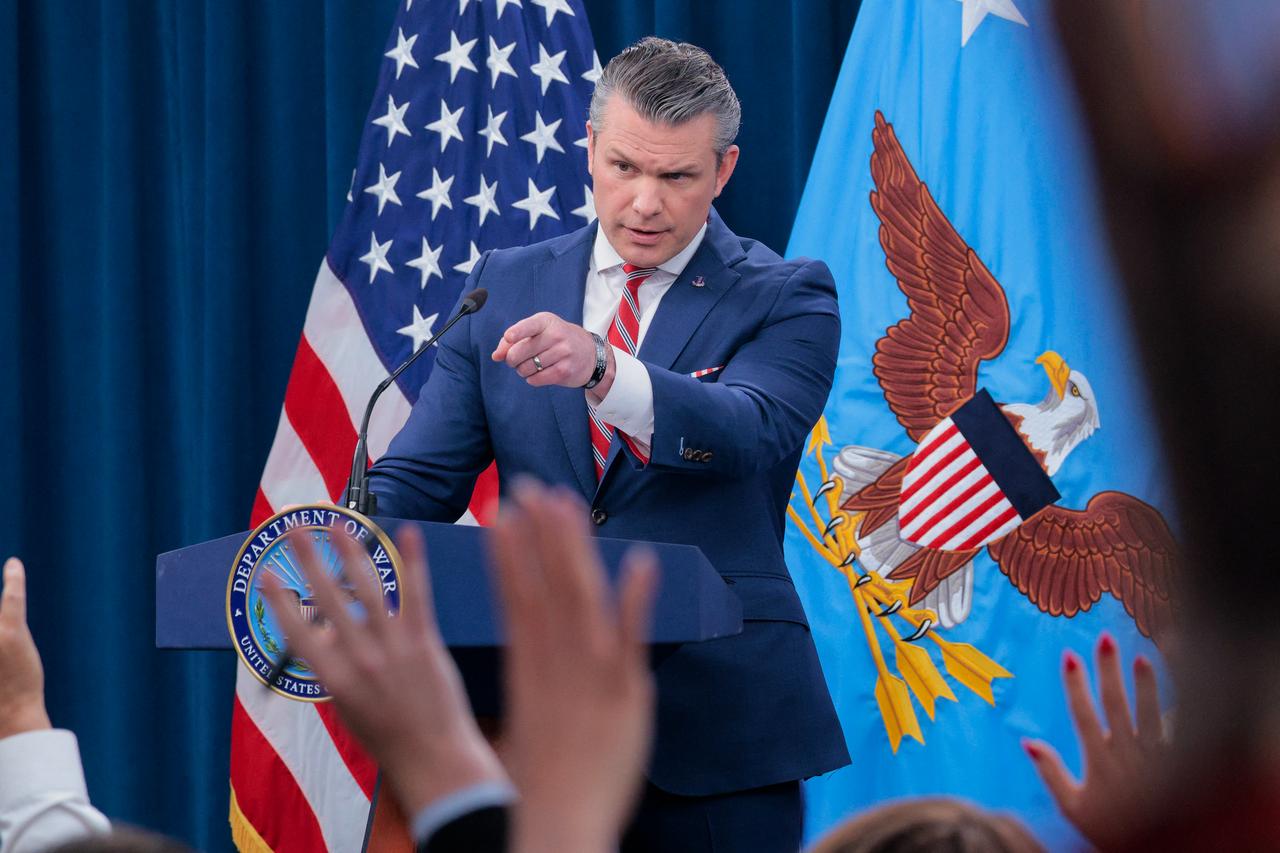
Secretary of State Marco Rubio said Tuesday that the United States has completed its offensive military operations against Iran, declaring the conflict's active phase over nearly a month into a fragile ceasefire, while leaving open the prospect of further action if American forces come under fire.
"The operation is over, Epic Fury, as the president notified Congress. We're done with that stage of it," Rubio told reporters at the White House.
The declaration came after the White House informed lawmakers that the war had ended due to the ceasefire, sidestepping a legal requirement under the 1973 War Powers Act to seek congressional authorization for any conflict extending beyond 60 days. The administration's notification effectively reset that clock, allowing the operation to conclude without a formal vote.
Rubio, who served in the Senate before joining the cabinet, said he did not consider the War Powers Act constitutional, but that the administration chose to comply with elements of it in the interest of relations with Congress. "We don't acknowledge the law as constitutional. Nonetheless, we comply with elements of it for purposes of maintaining good relations with Congress," he said.

Israel and the United States launched coordinated strikes against Iran on February 28, killing senior Iranian leaders and destroying major military and economic infrastructure. The campaign fell short of toppling the Islamic Republic, however, and Iran responded with missile and drone attacks across the region.
President Trump declared a ceasefire with Iran on April 8 and has since extended it, even as negotiations with Tehran have stalled. Rubio said the United States had nonetheless "achieved the objectives" of the war, adding that Iran was "facing real, catastrophic destruction to their economy," while Trump still preferred a negotiated resolution.
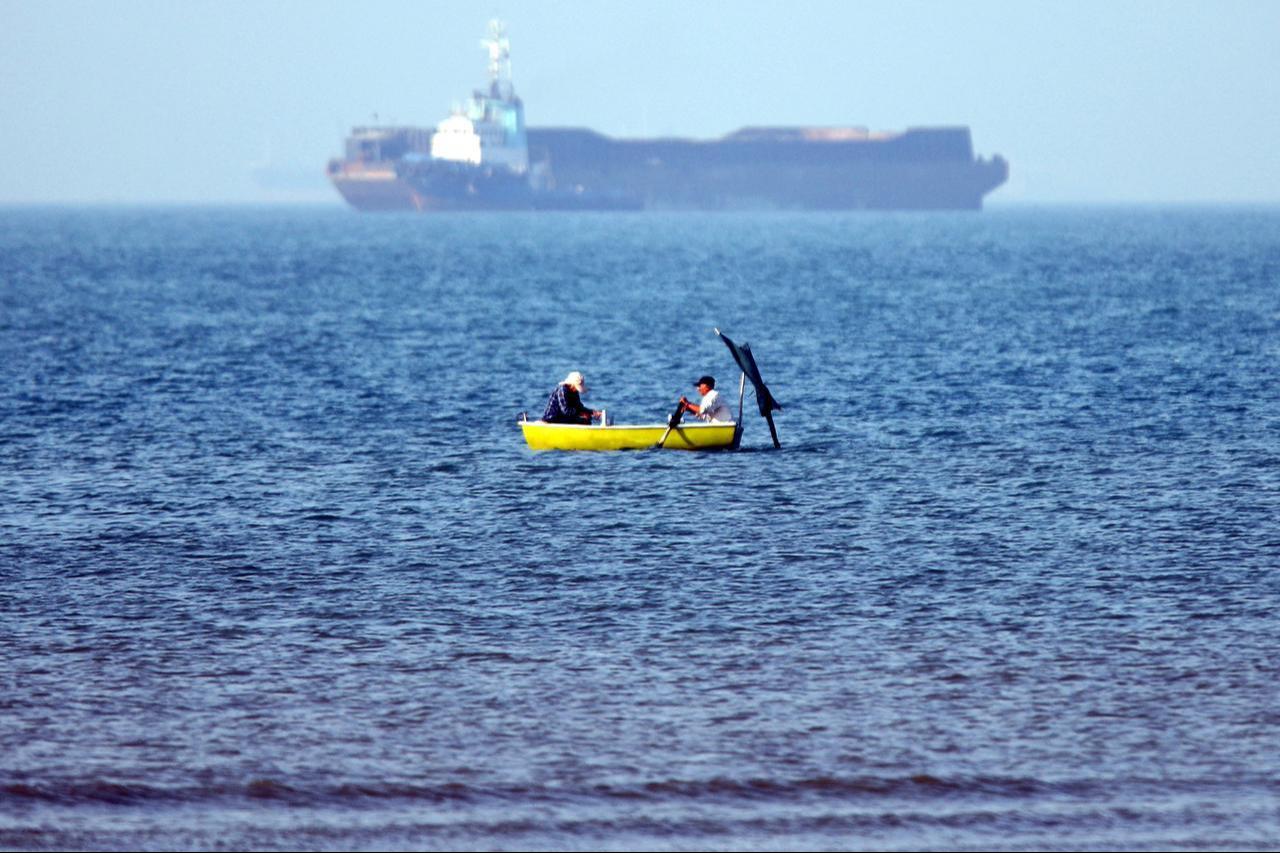
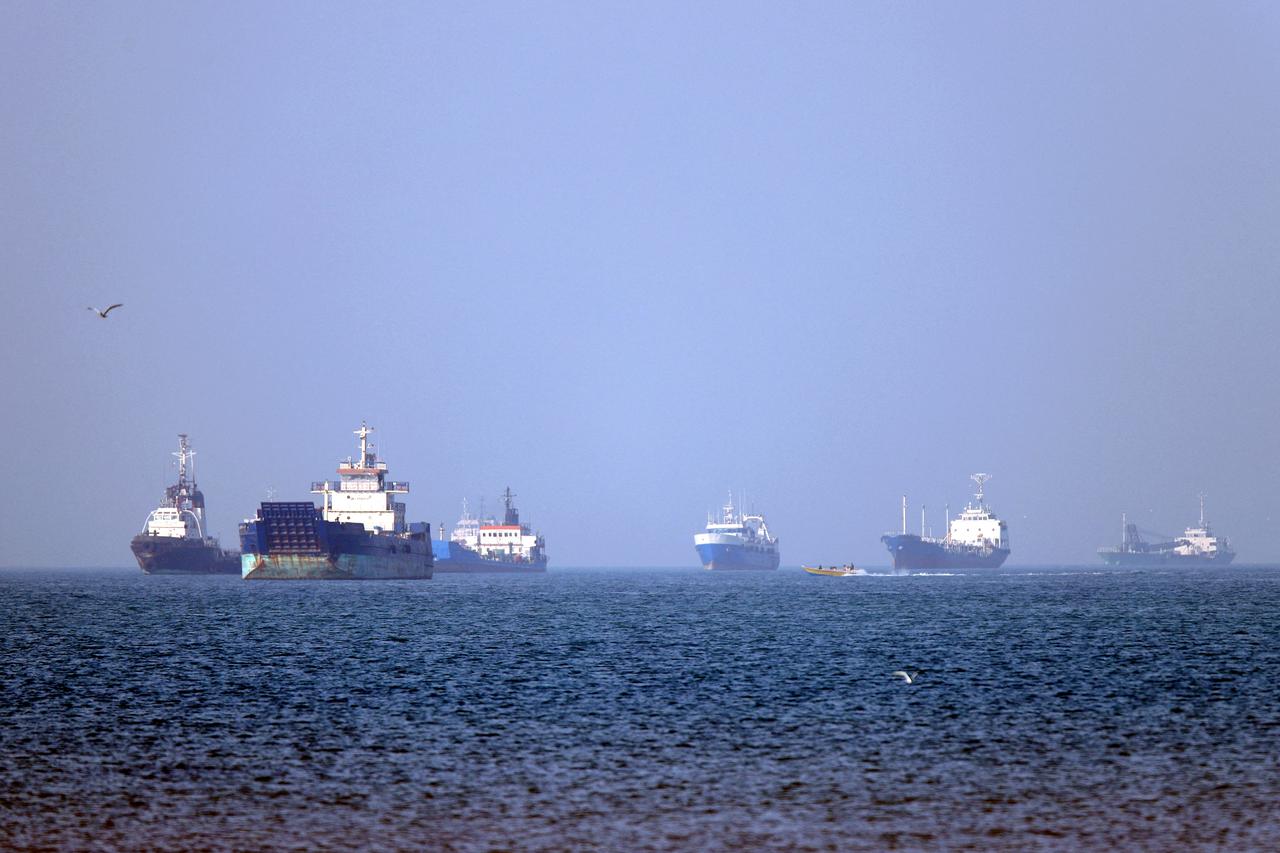
Despite the formal end of offensive operations, the administration has made clear that its military posture in the region is not unconditional. Trump has threatened major reprisals if Iran attacks US ships and on Sunday announced what he called "Project Freedom," a plan to assist vessels attempting to pass through the Strait of Hormuz, a strategically vital waterway that Iran has moved to control in the wake of the strikes.
Rubio framed the ongoing mission in narrow terms. "This is not an offensive operation; this is a defensive operation," he said. "And what that means is very simple, there's no shooting unless we're shot at first."
The Strait of Hormuz, through which a significant share of the world's oil supply passes, has long been a flashpoint in tensions between Iran and Western powers. Iran's seizure of control there adds economic and geopolitical pressure to a ceasefire that both sides appear to be observing with caution.


 Set as preferred source
 Set as preferred source


 1 min read
 1 min read