Newsletters




U.S. forces carried out what the Pentagon described as self-defense strikes in southern Iran on Monday, sinking two Islamic Revolutionary Guard Corps (IRGC) speedboats that were attempting to lay mines in the Strait of Hormuz. They also struck missile sites and drone launch positions after intelligence analysts detected a series of Iranian military threats in the preceding 24 hours, two U.S. officials told The New York Times (NYT).
Captain Tim Hawkins, U.S. Central Command (CENTCOM) spokesman, said the U.S. forces conducted "self-defense strikes" in southern Iran "to protect our troops from threats posed by Iranian forces."
On Tuesday, Hawkins declined further comment, pointing to his Monday statement that "U.S. Central Command continues to defend our forces while using restraint."
Two U.S. officials told the NYT that in the 24 hours before Monday's strikes, U.S. military analysts detected three categories of threatening Iranian military activity.
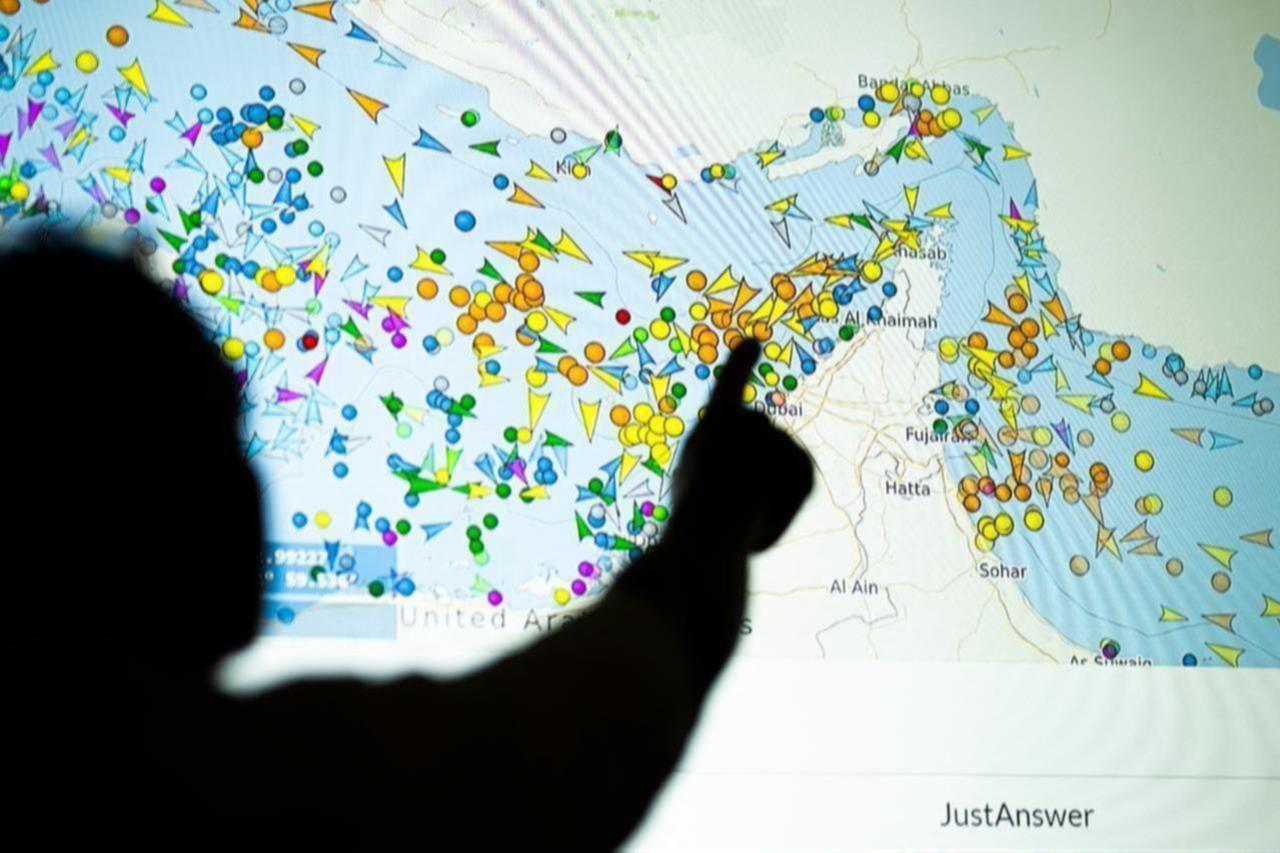
The IRGC Navy was using speedboats to lay mines in the Strait of Hormuz, Iran's primary instrument for blocking the waterway since the war began in February.
Iran also launched one-way attack drones near approximately two dozen U.S. Navy warships enforcing the blockade in and around the Gulf of Oman and the Arabian Sea.
Additionally, U.S. analysts detected activity at Iranian surface-to-air missile (SAM) sites near Hormuz that threatened land- and carrier-based aircraft operating in the region.
Pentagon officials separately dismissed Iranian media reports on Tuesday that Iran had downed a U.S. MQ-9 Reaper drone.
Dana Stroul, research director at the Washington Institute for Near East Policy and former deputy assistant secretary of defense for the Middle East, told the NYT: "Yesterday's exchange underscored the way in which Tehran's playbook has not changed despite new faces in the regime and a devastating war. The regime is still attempting to portray itself as a good-faith negotiator, but the IRGC Navy was caught mining the strait at the same time Tehran was apparently negotiating to demine the strait."

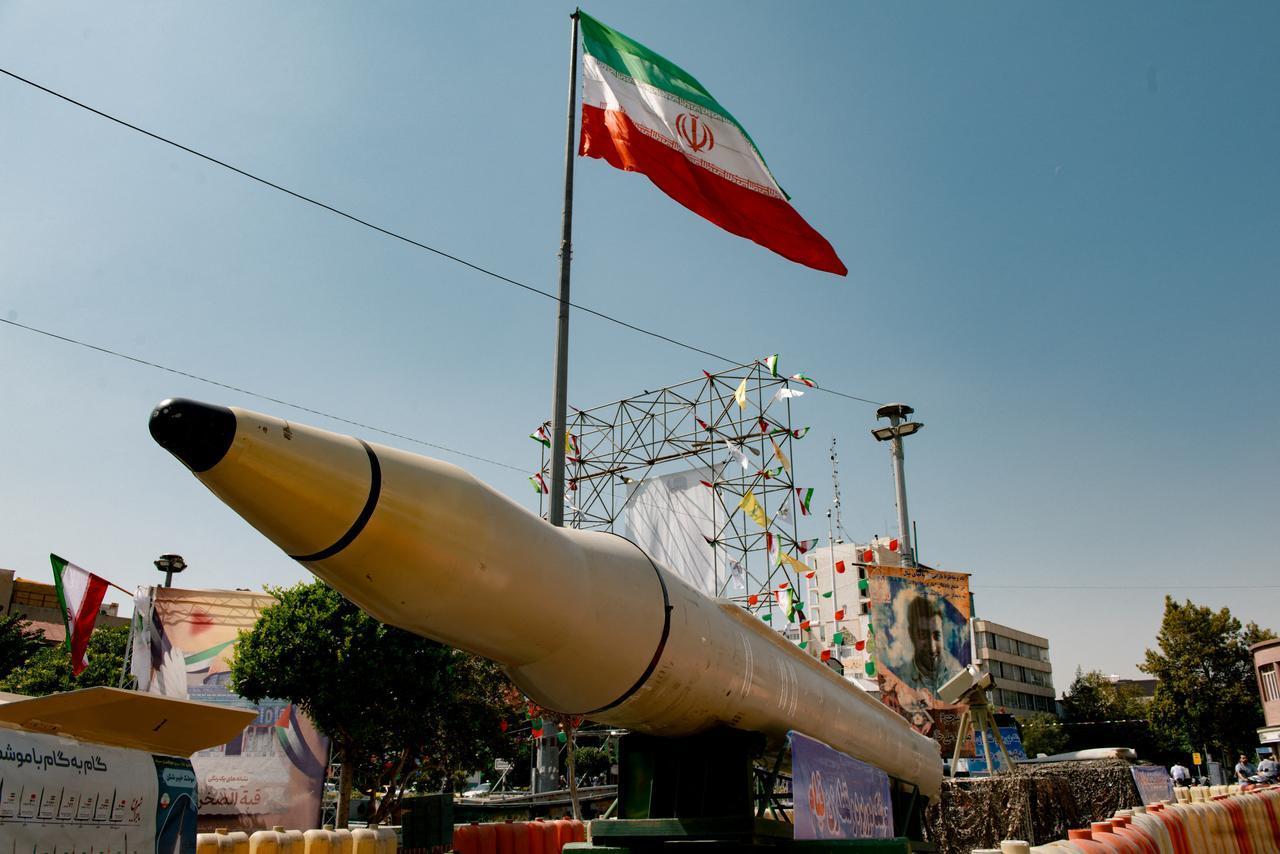
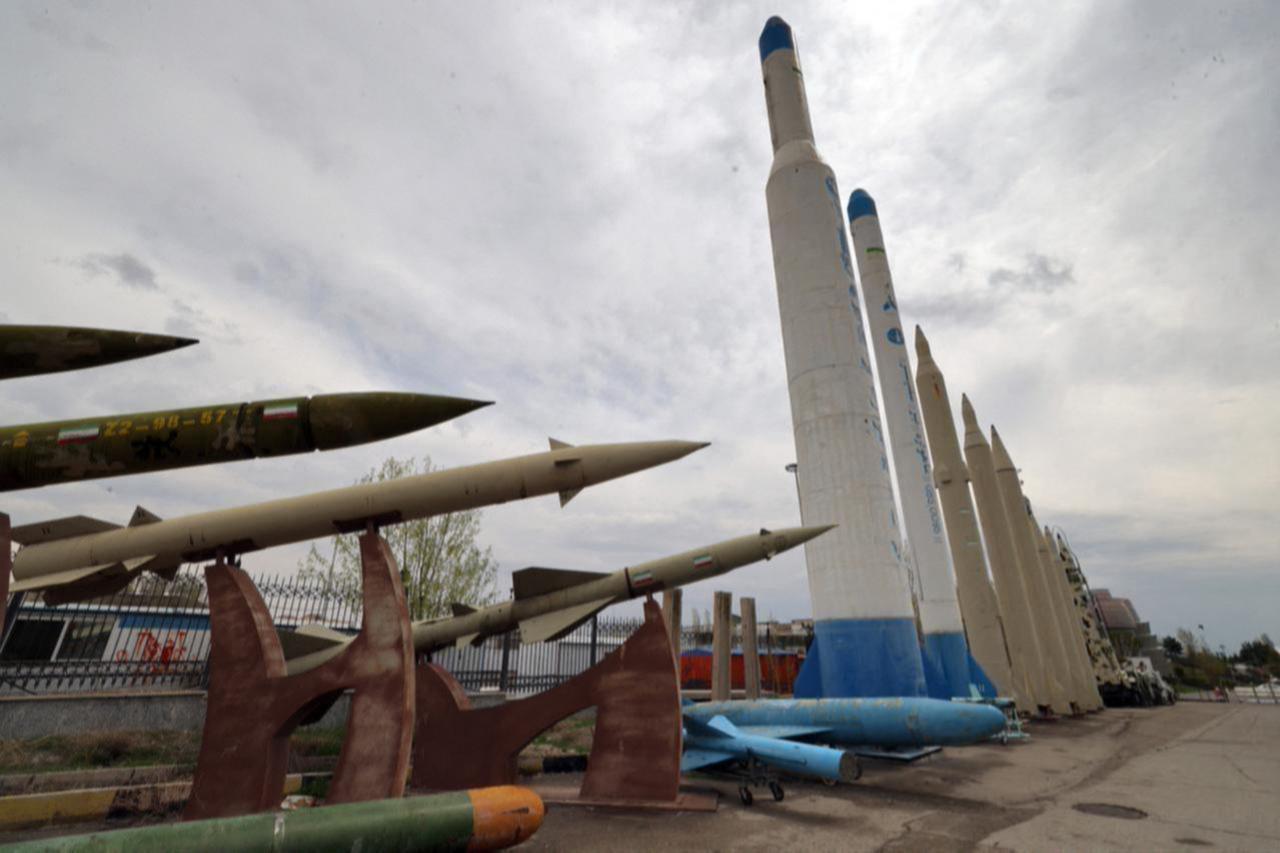
U.S. intelligence assessments from early May told policymakers that Iran had regained access to most of its missile sites, launchers, and underground facilities despite the 38-day U.S.-Israeli campaign.
While most of Iran's conventional navy has been destroyed, the IRGC retains hundreds of small speedboats capable of laying mines.
Most alarming to senior U.S. officials is evidence that Iran has restored operational access to 30 of its 33 missile sites along the Strait of Hormuz, positions that could threaten American warships and oil tankers transiting the waterway.
U.S. officials and independent analysts said Tuesday that the IRGC may have been testing whether its forces had additional operating room as both sides work toward a potential agreement.
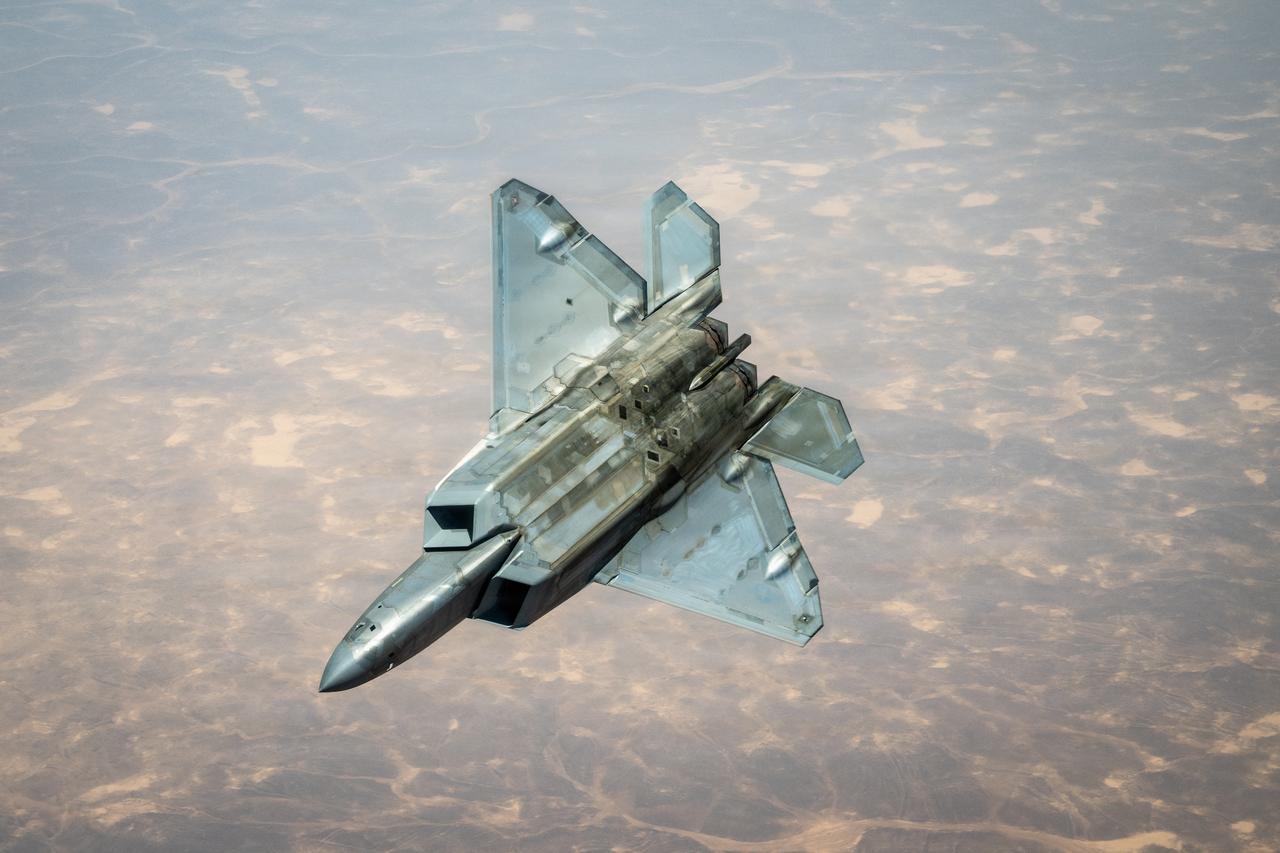
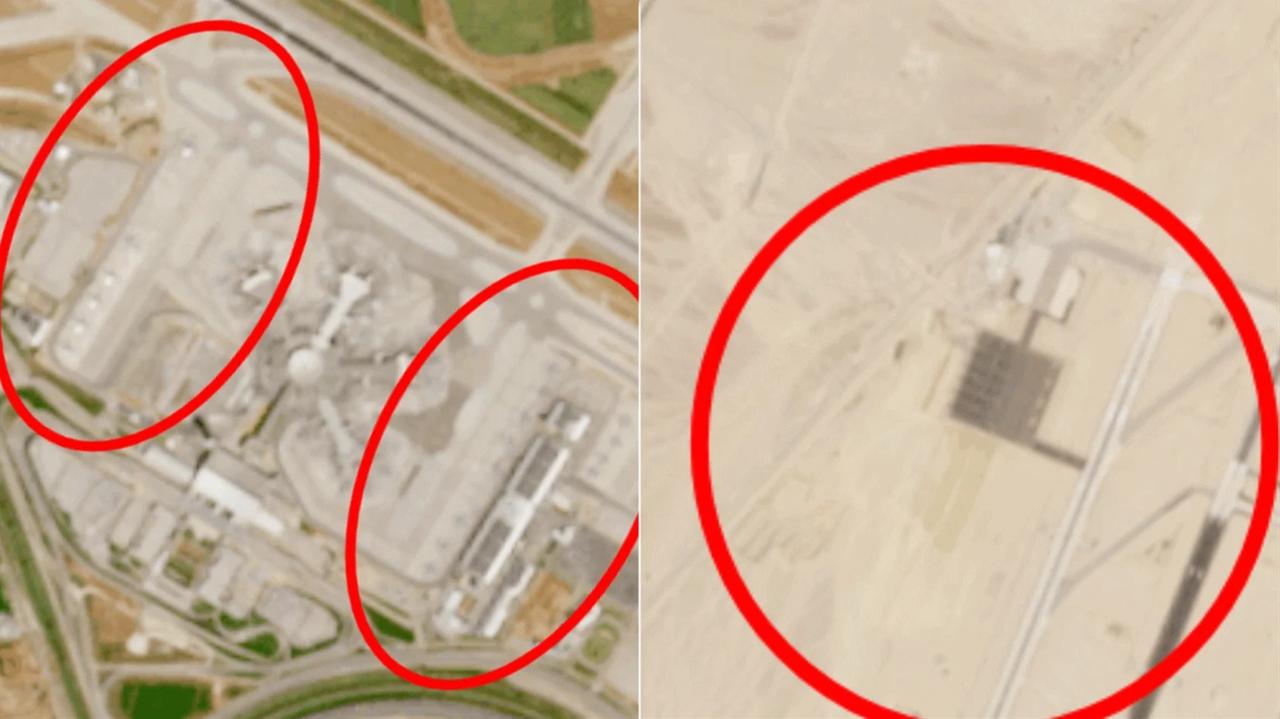
Simultaneously, Israeli broadcaster KAN reported Tuesday, citing Israeli security sources and satellite imagery reviewed over recent months, that U.S. F-22 fighter jets were deployed at the Ovda Air Base in southern Israel, while dozens of refueling aircraft were stationed at the Ben Gurion and Ramon airports across three designated areas.
The deployment has been in place since the start of Operation Epic Fury on February 28 and remained fully intact following the April ceasefire.
Israeli security sources cited by KAN said Washington had expressed a desire to maintain the deployment at least through the end of the year.
Ben Gurion Airport's Civil Aviation Authority chief, Shmuel Zakai, warned that the airport was being operated "as a military base rather than a civilian airport," with Channel 12 reporting that the deployment had already affected airline operations and ticket prices.
KAN cautioned that continued deployment could complicate Israel's summer travel season and discourage foreign airlines from expanding flights.
U.S. Secretary of State Marco Rubio told reporters Tuesday that talks on reopening Hormuz and extending the ceasefire would take "several more days."
Trump is set to meet with his Cabinet on Wednesday, May 27, at what CBS News described as "a precarious moment for negotiations."
Trump is projecting confidence in closing a deal that would let him claim Iran's nuclear capability has been sufficiently diminished, but the emerging framework has drawn fierce criticism, including from some of his own supporters, that Iran will emerge from the conflict battered but emboldened.
The Iran war has remained politically unpopular among Republicans as rising fuel costs weigh on the U.S. electorate ahead of midterm elections.
Iran described Monday's strikes as evidence of U.S. "bad faith and unreliability."
Regional tensions have escalated since the U.S. and Israel launched strikes against Iran in late February. Tehran retaliated with strikes targeting Israel as well as U.S. allies in the Gulf, and closed the Strait of Hormuz, a critical waterway for global energy production.
A ceasefire took effect on April 8 through Pakistani mediation and was later extended by Trump indefinitely.
Trump said Saturday that an agreement with Iran to end the war had been "largely negotiated" and was awaiting finalization.


 Set as preferred source
 Set as preferred source


 1 min read
 1 min read