Newsletters


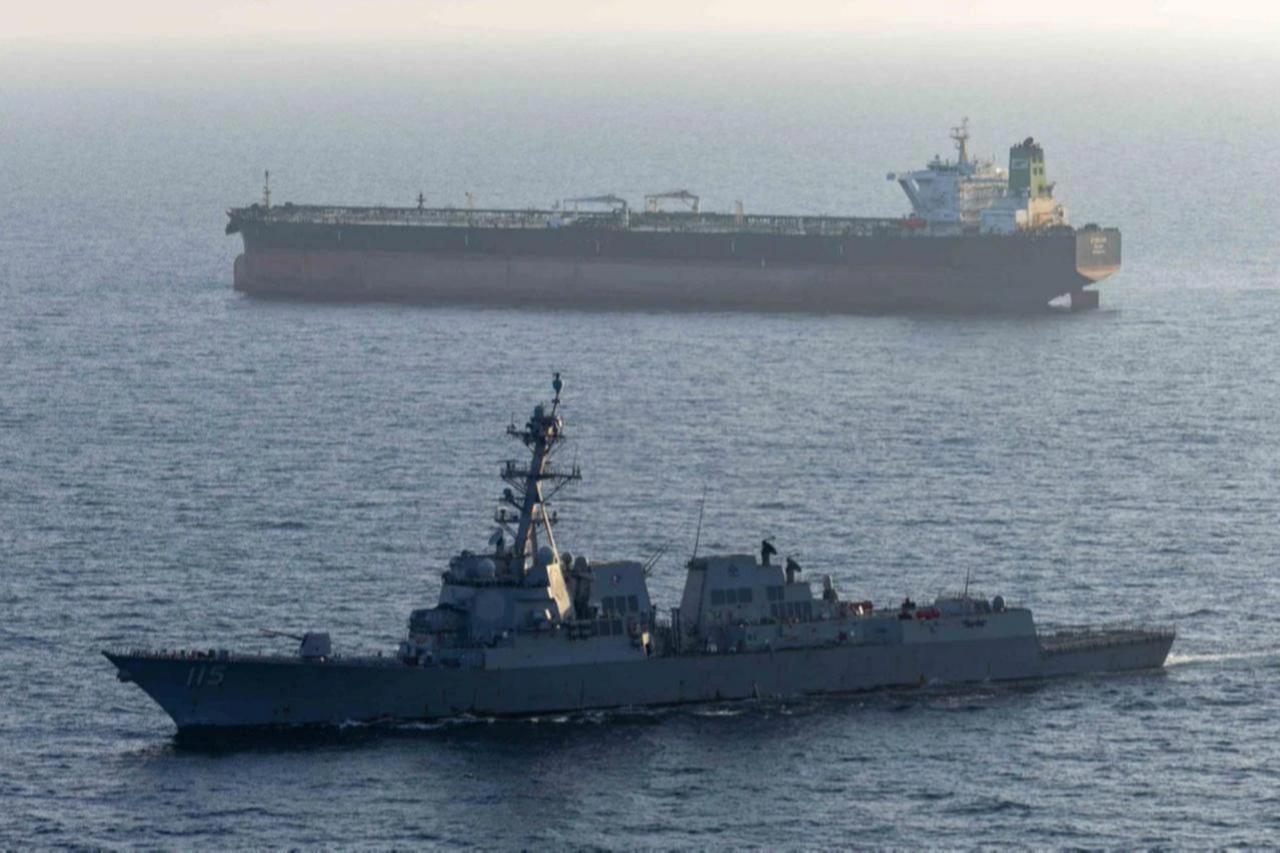


The U.S. military struck two Iranian government tankers on Tuesday under a new “tanker for tanker” policy approved by President Donald Trump, Axios reported, citing U.S. officials.
The policy is intended to deter Iranian attacks on ships in the Strait of Hormuz. According to Axios, it marked the first time the U.S. targeted Iranian tankers in retaliation for attacks on shipping rather than to enforce its naval blockade.
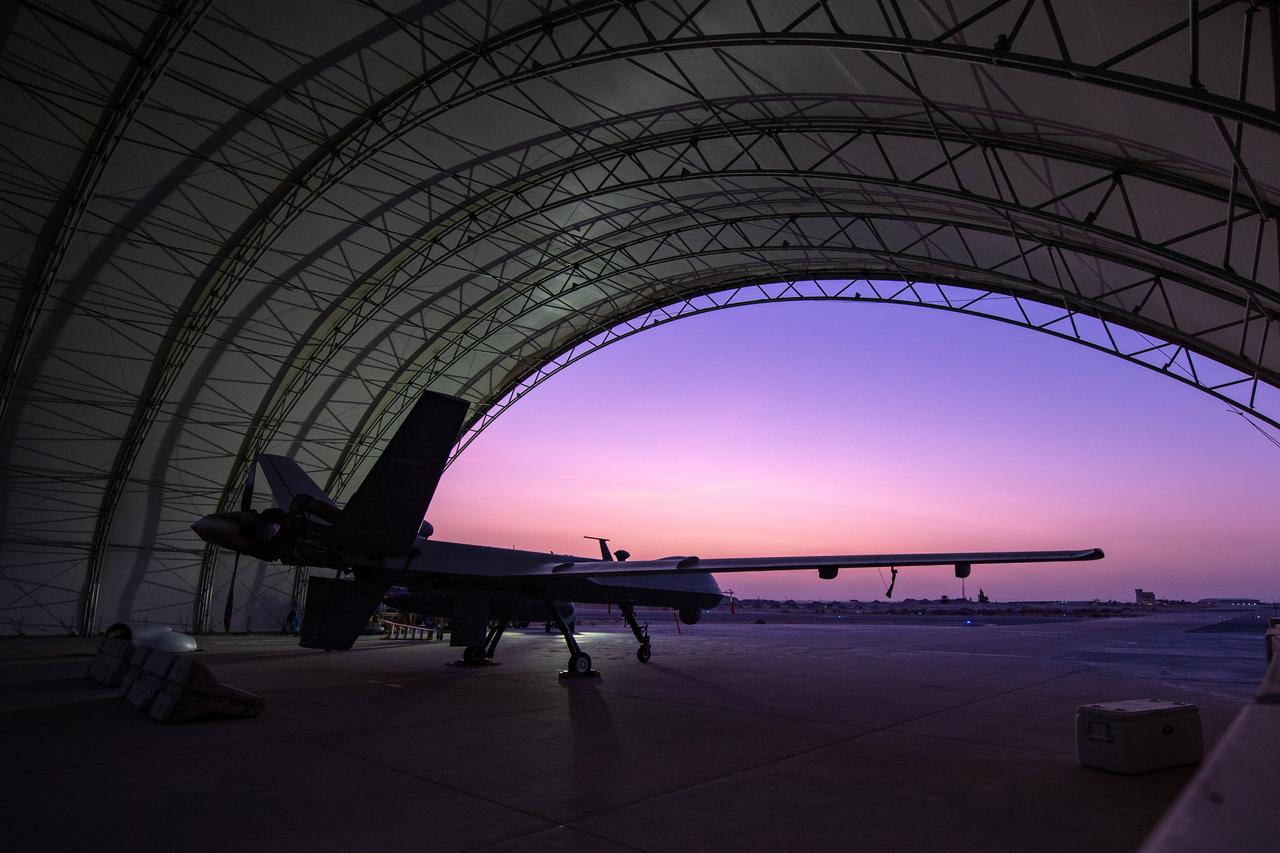
The tankers were anchored off Iran’s coast north of the blockade line when U.S. drones struck their engine rooms with missiles.
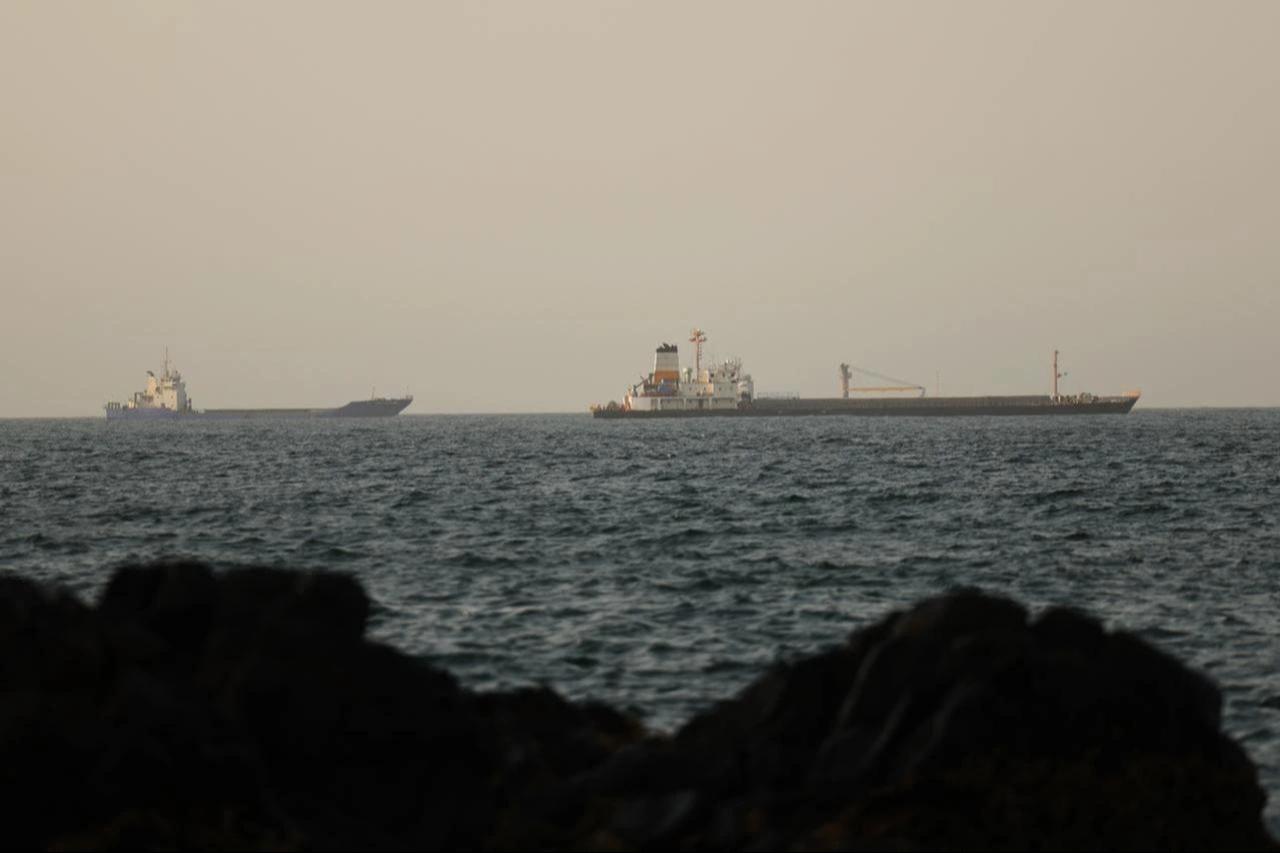

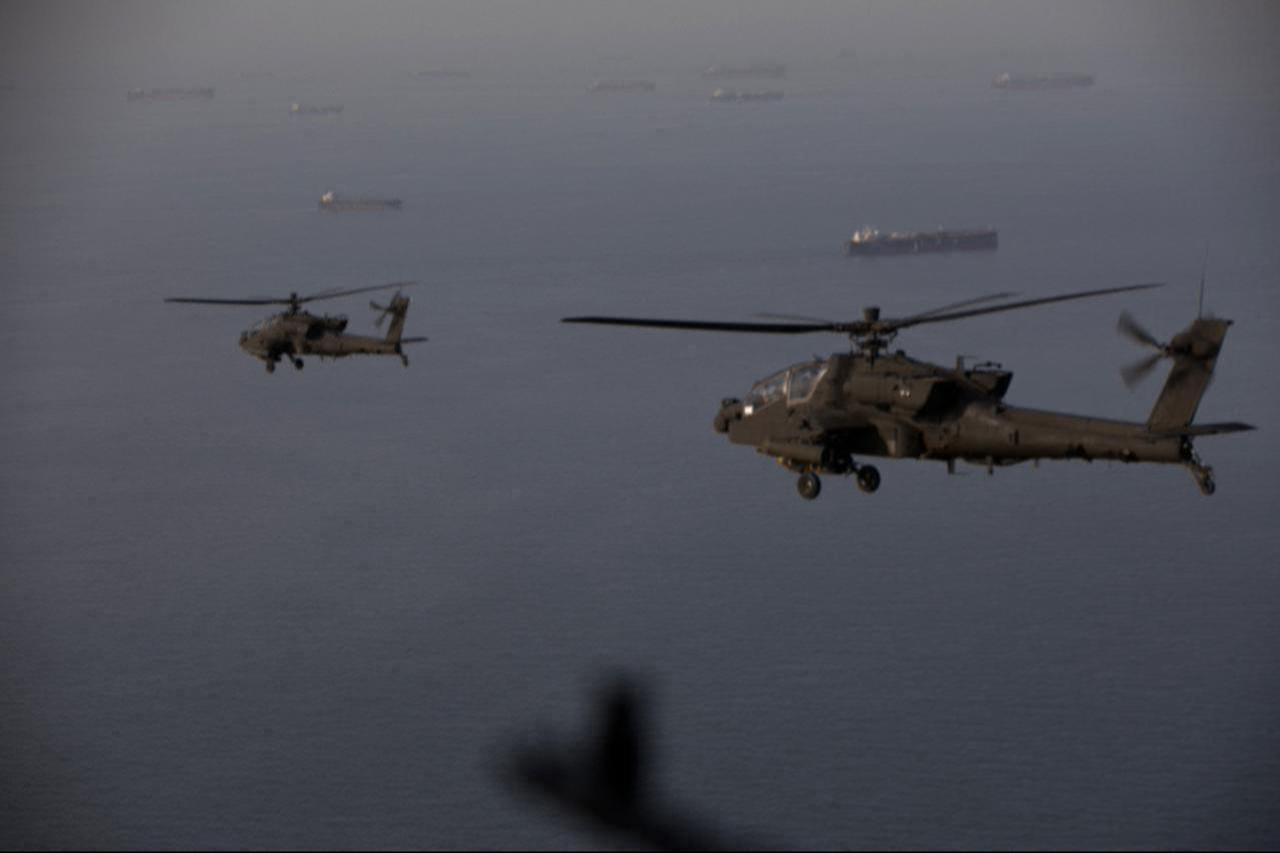
U.S. officials said around 100 targets were struck Tuesday, including IRGC air defense sites, radar systems, mine-laying capabilities, communications facilities, anti-ship cruise missile launchers and attack drone launchers.
The White House and U.S. Central Command said the operation responded to recent IRGC attempts to attack commercial ships in the Strait of Hormuz and U.S. bases in the region.
One U.S. official said the strikes degraded Iran’s attack capabilities and “bought at least a month” of reduced threat levels for commercial vessels.
U.S. officials said Iran fired about 25 ballistic missiles, with roughly half reaching Jordanian airspace. Ten were intercepted and three landed without causing casualties or damage.
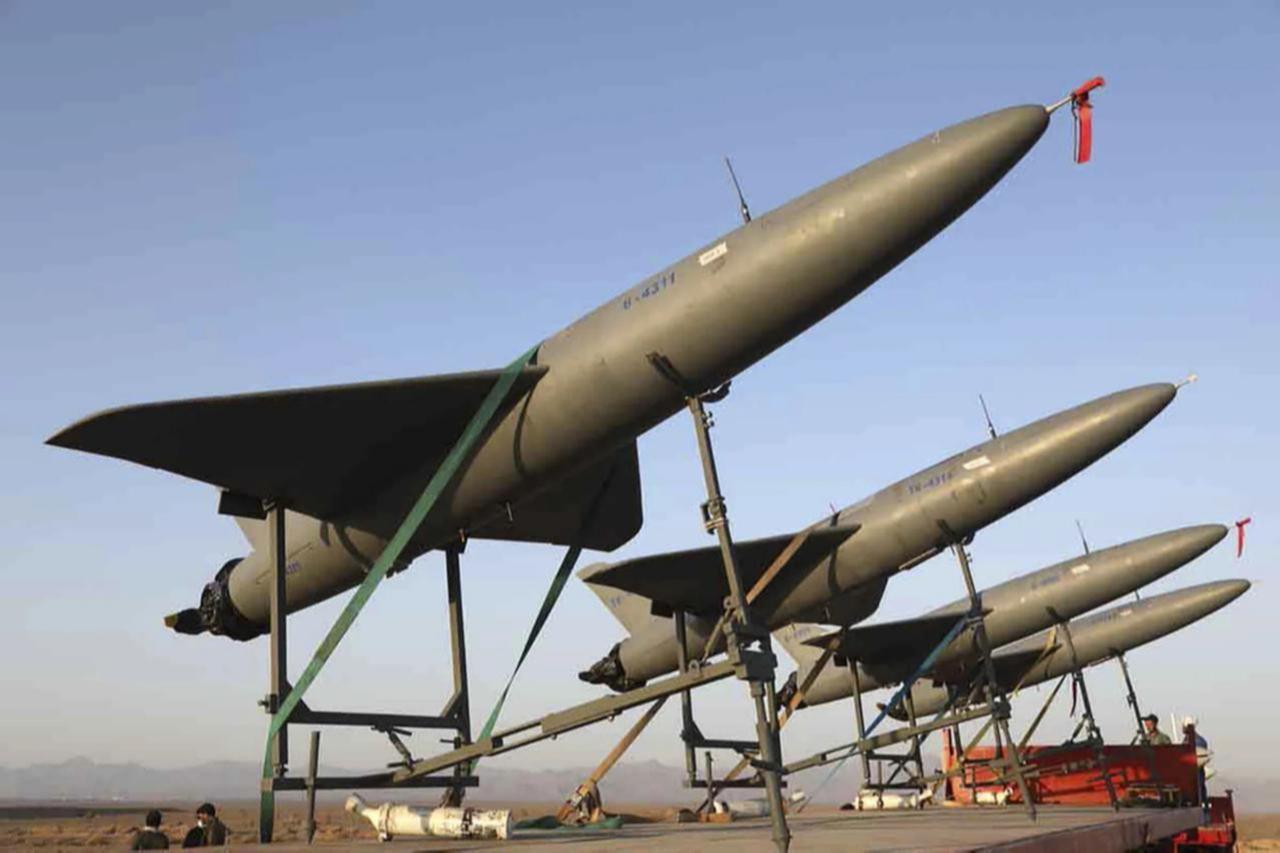
Iran also launched about two dozen drones toward U.S. bases in Bahrain, while ballistic missiles and drones targeted U.S. bases in Kuwait. Two drones aimed at a U.S. base in Erbil were intercepted, the officials said.
Meanwhile, around 40 ships moved through the Strait of Hormuz on Tuesday carrying millions of barrels of oil.
U.S. forces also intercepted several anti-ship cruise missiles and drones fired toward commercial vessels, with no ships hit, according to a U.S. official.
Iranian media reported that a U.S. strike hit a wedding ceremony in Kuhestak, killing at least four people and wounding at least 35.
CENTCOM spokesperson Capt. Tim Hawkins said the U.S. was aware of the reports but added: “The U.S. military never targets civilians, unlike the IRGC.”
CENTCOM had earlier announced strikes on IRGC targets in Iran, after which Iranian media reported explosions in Qeshm Island, Bandar Abbas, Sirik, Chabahar and Konarak.


 Set as preferred source
 Set as preferred source


 1 min read
 1 min read