Newsletters





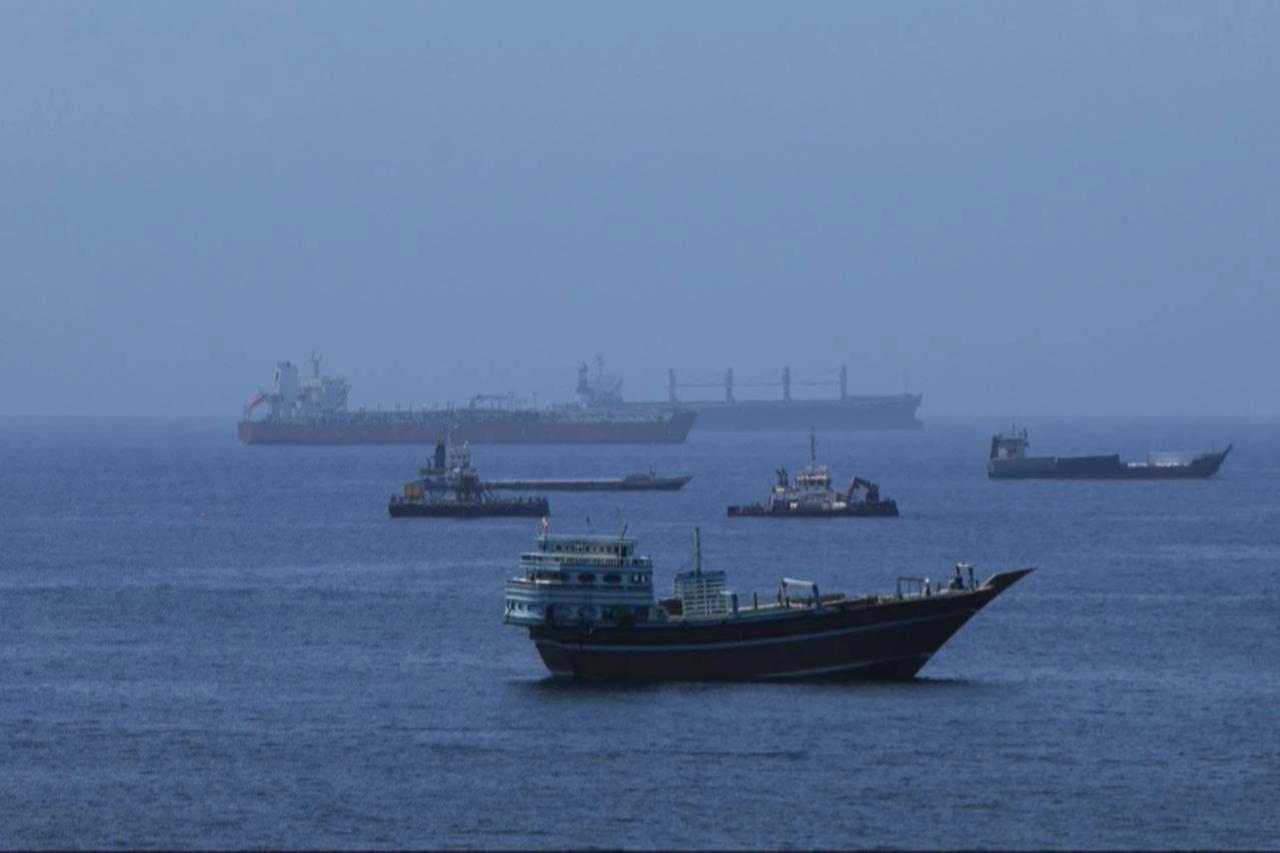
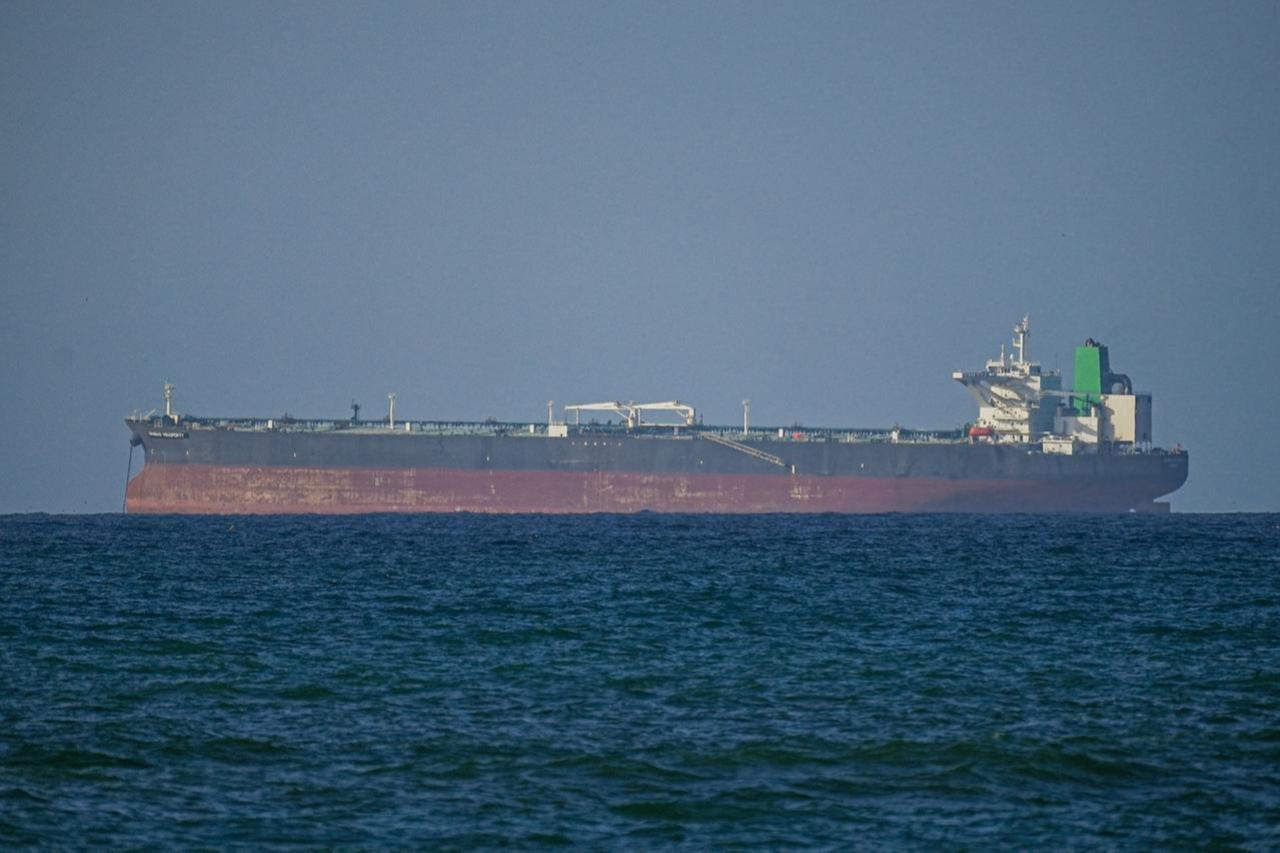
The United States said Wednesday it will impose new sanctions on Iran’s oil transportation infrastructure, targeting more than two dozen people, companies and vessels linked to the network of oil shipping magnate Mohammad Hossein Shamkhani as Washington continues its blockade of Iranian ports.
The Treasury Department said the new sanctions apply to individuals, firms and ships operating within Shamkhani’s network.
Treasury Secretary Scott Bessent said the move was part of an intensified financial pressure campaign against Tehran.
“Treasury is moving aggressively with ‘Economic Fury’ by targeting regime elites like the Shamkhani family that attempt to profit at the expense of the Iranian people,” Bessent said in a statement.
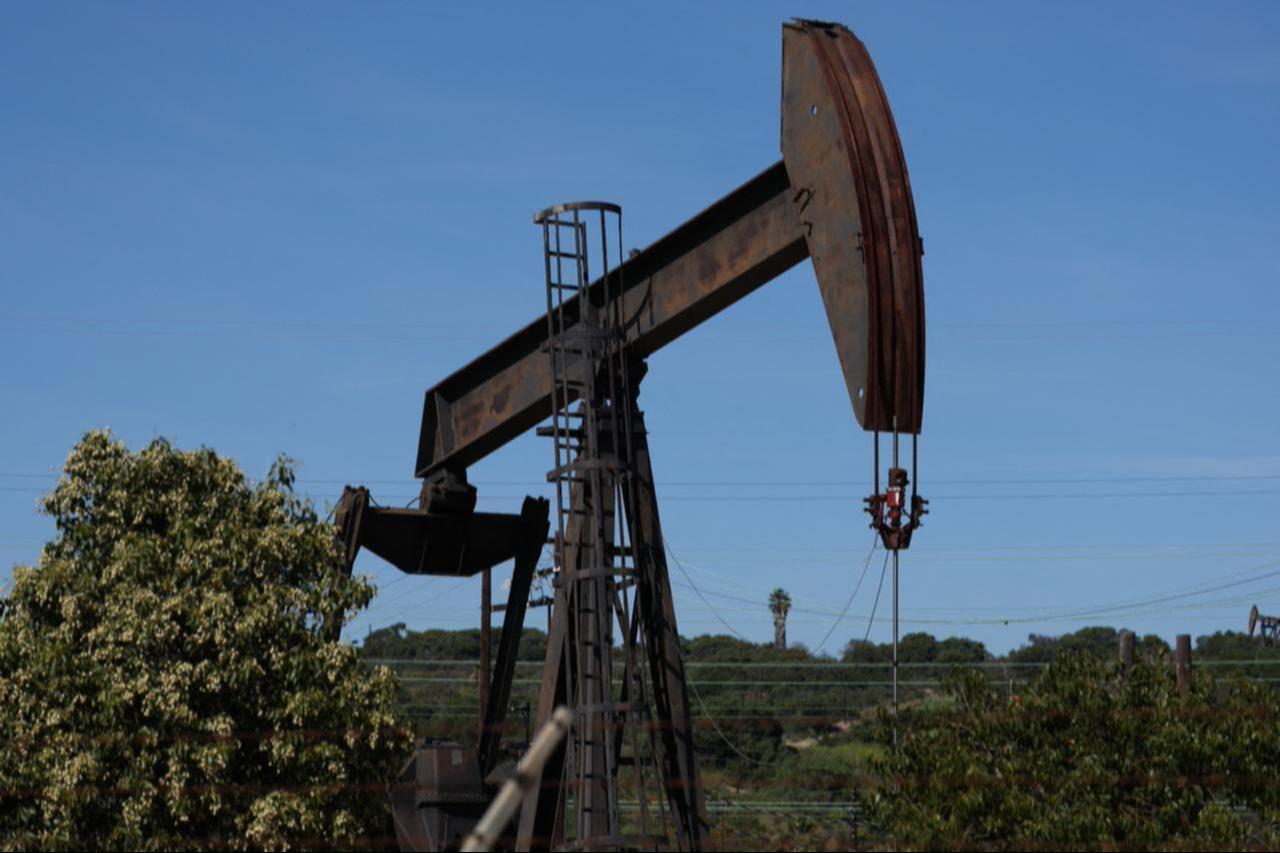

According to the Treasury Department, the sanctions are aimed at Iran’s oil transport infrastructure and focus on a network tied to Mohammad Hossein Shamkhani.
The United States alleges that the network, which operates in Iran and the United Arab Emirates, evades sanctions through what it says are seemingly legitimate consulting and shipping companies that run the fleet.
The Treasury said Washington had already imposed sanctions last year on entities linked to the same network.
Hossein Shamkhani is the son of Ali Shamkhani, a senior figure in Iran’s security and nuclear policymaking who was killed in U.S.-Israeli strikes on Tehran on Feb. 28.
Another account described Ali Shamkhani as an adviser to Iranian Supreme Leader Ali Khamenei and said both men were killed on the first day of the U.S.-Israeli attacks.
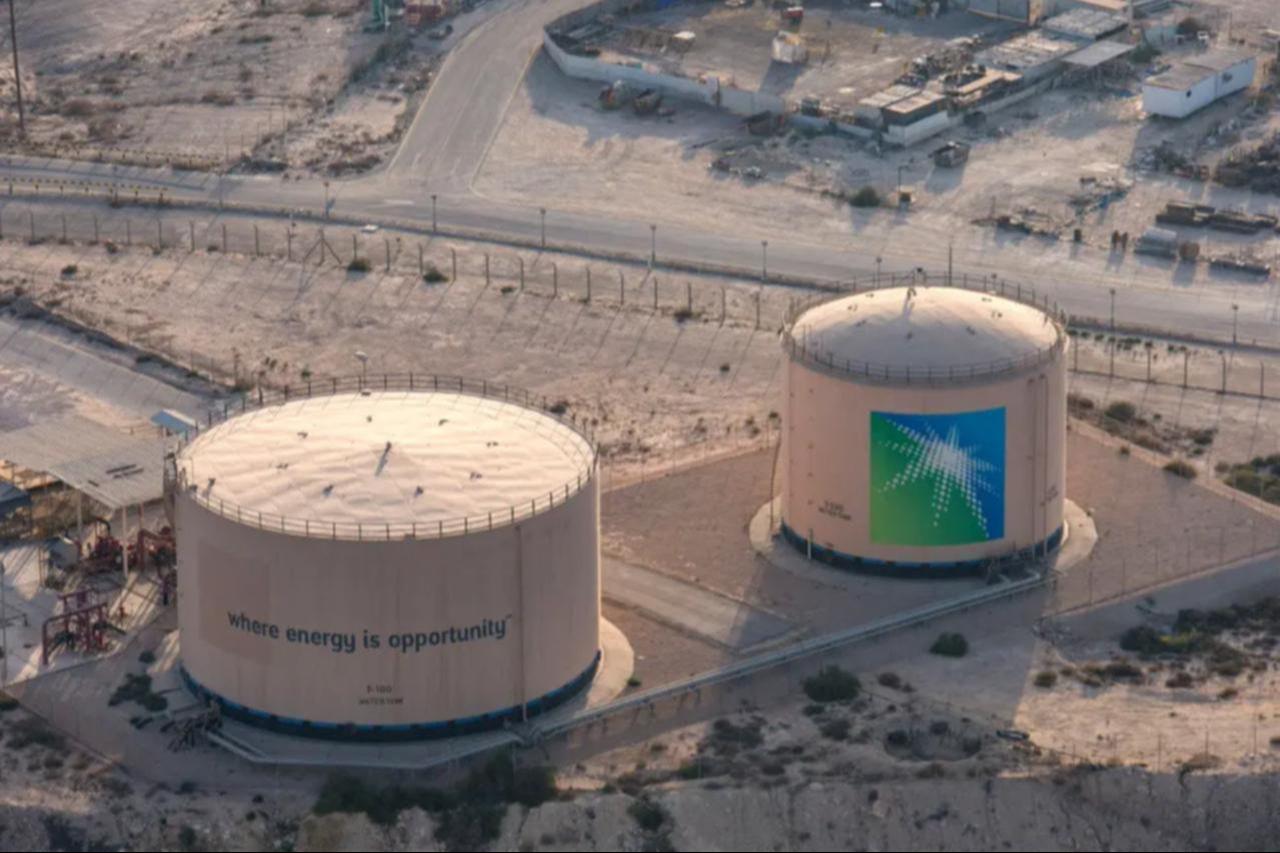
The sanctions were announced as Iran continues what the reports described as its closure of the Strait of Hormuz and as the United States maintains a naval blockade of Iranian ports.
In a separate statement, the State Department said: “The United States is acting to decisively limit Iran’s ability to generate revenue as it attempts to hold the Strait of Hormuz hostage.”
Iran has effectively shut down the Strait of Hormuz, a critical route for oil and gas shipments, in retaliation for the U.S. and Israeli war campaign, according to the reports.
The broader U.S. strategy is aimed at increasing financial pressure on Tehran while disrupting its ability to move oil.
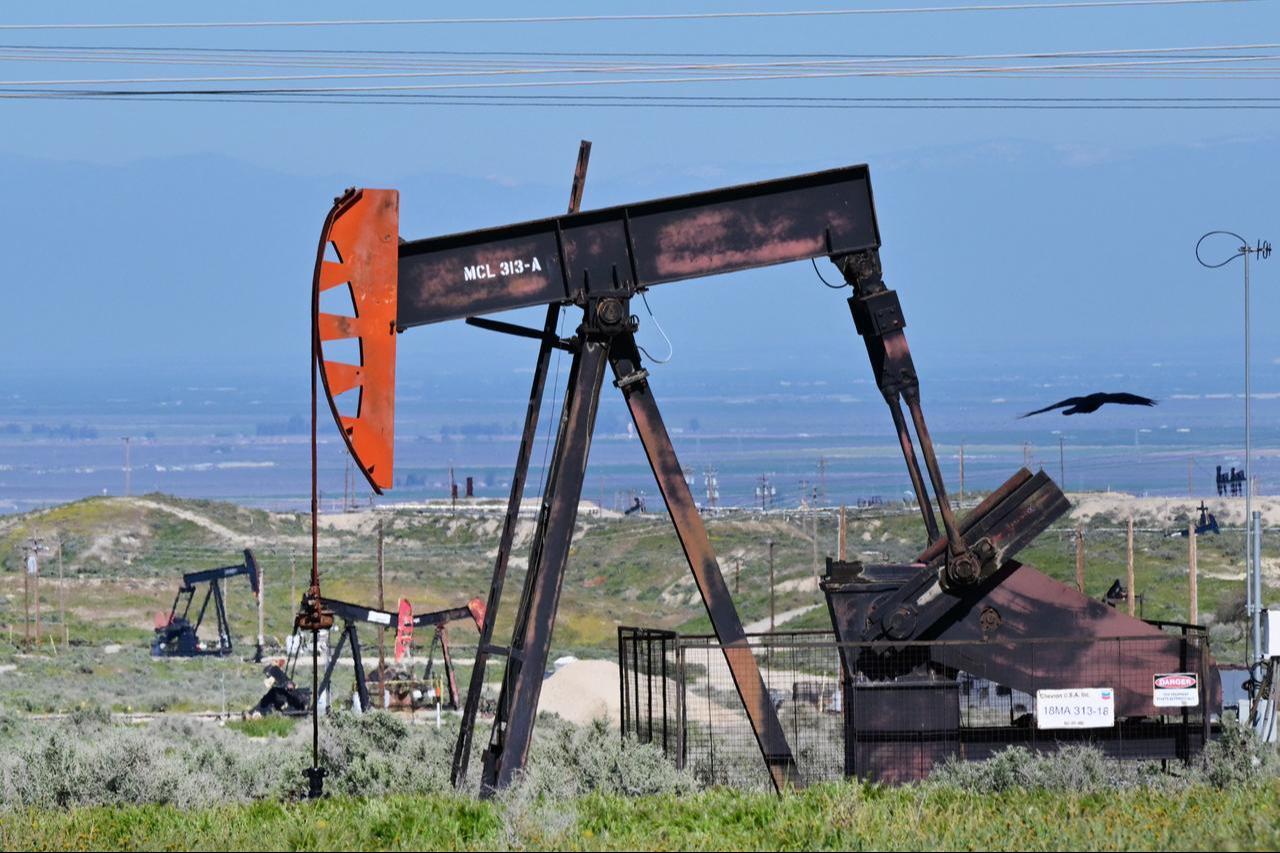
Bessent also warned Wednesday that the United States is preparing to increase economic pressure further by imposing secondary sanctions on financial institutions that do business with Iran.
He described that step as the “financial equivalent” of a bombing campaign.
The comments pointed to a wider effort by Washington to expand pressure beyond shipping networks and into the international financial system.
The Treasury has already said it will not extend a 30-day waiver on Iranian oil sanctions that was introduced last month to relieve pressure on global energy supplies.
The waiver, issued on March 20 and set to expire on April 19, allowed around 140 million barrels of oil to reach global markets, Bessent said last month.
On Tuesday, the Treasury Department said the temporary waiver allowing the sale of Iranian oil already at sea would not be renewed.
That waiver had been presented as an effort to ease pressure on oil prices that rose because of the war.
The Treasury Department also said Wednesday that it was imposing sanctions on an Iranian man, Seyed Naiemaei Badroddin Moosavi, whom it described as a financier for Hezbollah.
It also announced sanctions on three companies linked to what it called a complex money-laundering scheme involving the sale of Iranian oil in exchange for Venezuelan gold.
The new measures added to Washington’s expanding sanctions campaign against Iran as it seeks to cut off oil revenue and increase economic pressure during the war.


 Set as preferred source
 Set as preferred source


 1 min read
 1 min read