Newsletters


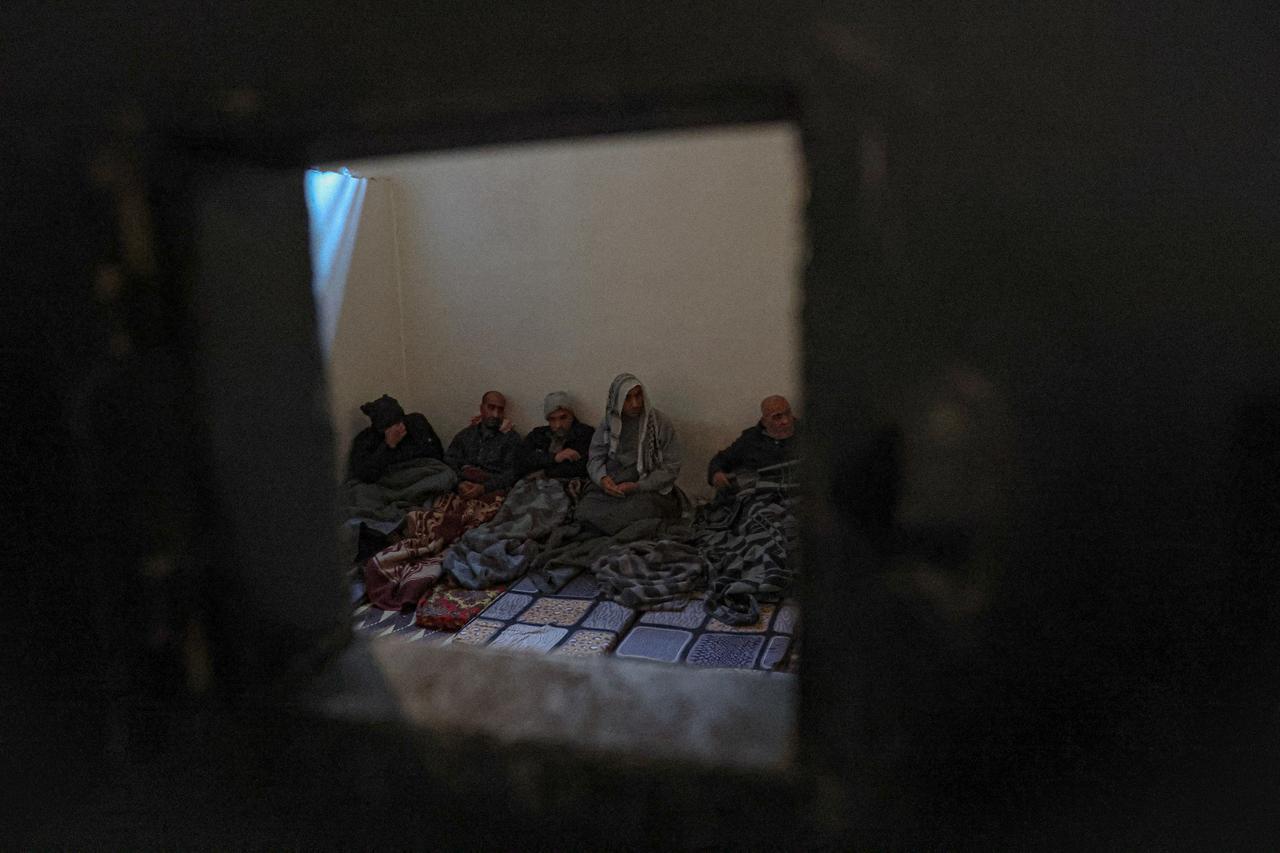


The United States has transferred nearly 2,000 of approximately 7,000 Daesh terrorist group suspects from prisons in northeastern Syria to detention facilities in Iraq, raising concerns from human rights organizations over due process and the fate of detainees in Iraq's justice system.
An Iraqi security source told CBS News that as of Thursday, nearly 2,000 detainees had been moved into the country.
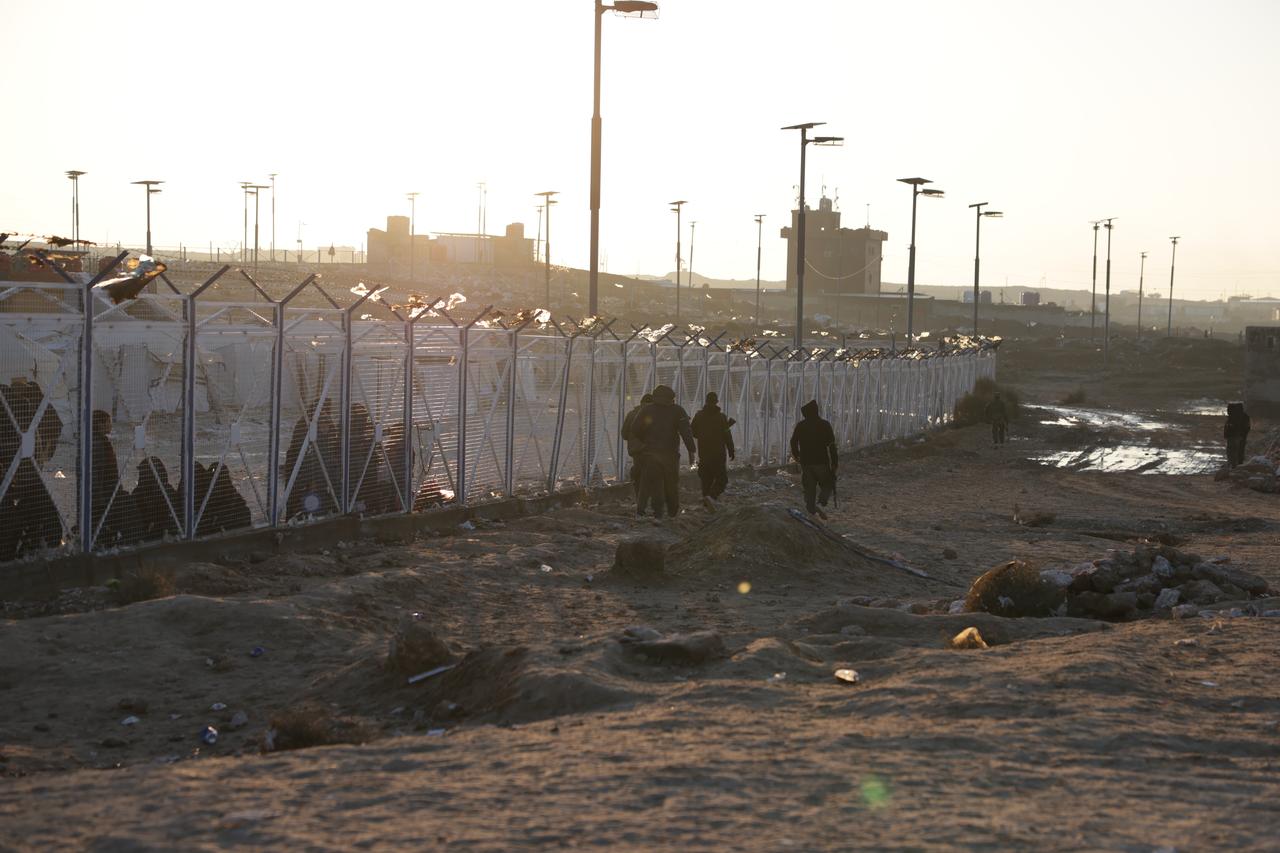
Washington's massive operation to transfer prisoners follows clashes and security risks that can occur around prisons holding Daesh detainees in the region long controlled by the terrorist organization YPG/SDF after clashes between Syrian government troops and SDF took place.
"It is better to have them imprisoned and secured in Iraq than worry about their escapes and releases in Syria," the Iraqi security source speaking to CBS said.

Iraq's President of the Supreme Judicial Council, Judge Dr. Faiq Zidan, said in a televised address on Jan. 23 that his country was fully prepared to handle the cases of Daesh suspects, both foreign and domestic.
"While some countries refuse to receive their nationals involved in terrorist crimes, the Iraqi judiciary confirms its full readiness to try terrorists detained in camps within Syrian territory, in accordance with national laws and international obligations, ensuring fair and decisive trials, achieving justice for the victims of terrorism, and preserving security in Iraq and other countries," Zidan said.
An official with Iraq's National Center of Justice and International Judicial Collaboration rejected accusations of unfair proceedings, stating that the "Iraqi judiciary categorically rejects torture" and that "extracting confessions through coercion is a crime punishable under Iraqi law."
"Terrorism trials in Iraq are conducted in accordance with current laws and within a constitutional framework that guarantees the right to a fair trial, the defendant's right to a defense, and the eligibility of rulings for legal appeal," the official said.
Sarah Sanbar, a researcher with Human Rights Watch, questioned Iraq's ability to carry out so many trials fairly, telling CBS News that the last time such a large number of people were put before courts in the country, the "system was completely overwhelmed."
Human Rights Watch and Amnesty International have said around 8,000 people are on death row in Iraq, including non-Iraqi citizens. Several news outlets, including the Wall Street Journal, reported in 2019 that seven French nationals were among hundreds sentenced to death.
Sanbar acknowledged that Iraq's justice system "has come a long way" since 2019 as the country has stabilized, "but that being said, a lot of those core systemic issues still persist."
"We don't know who is there," Sanbar said of the detainees being moved into Iraq, noting that, "And part of what we would call on authorities to do in Iraq, and the coalition, is to be very clear about who they're transferring, inform the families, give them access to legal representation, so that first and foremost, we know who's even there."
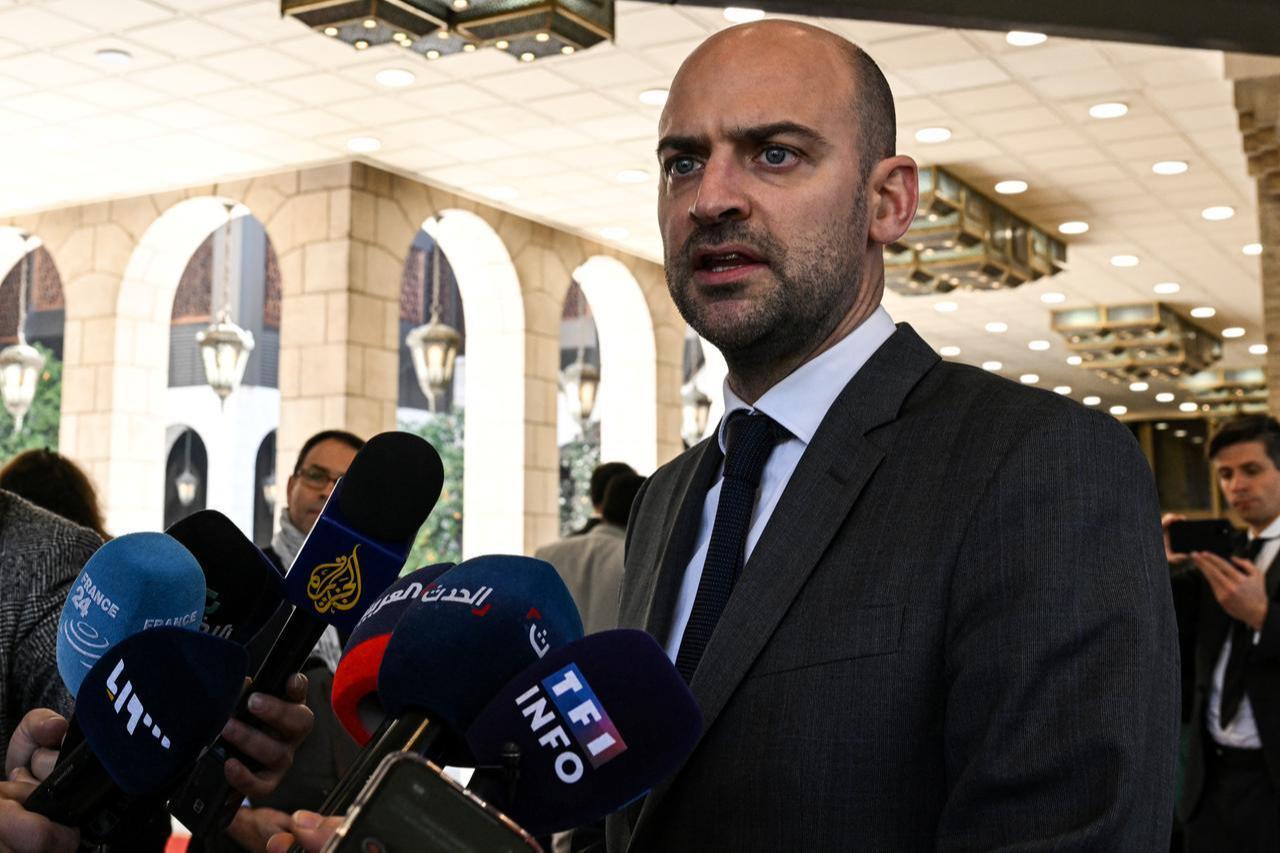
French Foreign Minister Jean-Noel Barrot, who visited Damascus Thursday, met with Syrian Foreign Minister Asaad al-Shaibani to discuss the fight against Daesh and the management of prisons and camps.
"For the past 10 years, France has fought, relentlessly and without mercy, against Daesh terrorists in Iraq as well as in Syria," Barrot said, adding that, "I came here to Syria to reaffirm this absolute priority of France."
Barrot expressed France's readiness to support Syria's integration into the international coalition against Daesh, ensuring security of camps and prisons, and strengthening counterterrorism capabilities.
"I also emphasized the importance of the full implementation of the Jan. 29 agreement, which provides for the integration of the Kurdish component into the security forces and the state apparatus, as well as the presidential decree recognizing the linguistic, cultural, and educational rights of the Kurds," Barrot wrote on X.
On Jan. 21, the U.S. military’s Central Command (CENTCOM) announced it launched a mission to transfer Daesh detainees from northeastern Syria to Iraq to ensure the terrorists remain in secure detention facilities.
The mission began with U.S. forces transporting 150 Daesh fighters from a detention facility in Hasakah province to a secure location in Iraq, with plans to eventually transfer up to 7,000 detainees to Iraqi-controlled facilities.
"We are closely coordinating with regional partners, including the Iraqi government, and we sincerely appreciate their role in ensuring the enduring defeat of ISIS (Daesh)," said Adm. Brad Cooper, CENTCOM commander.
"Facilitating the orderly and secure transfer of ISIS (Daesh) detainees is critical to preventing a breakout that would pose a direct threat to the United States and regional security," he noted.


 Set as preferred source
 Set as preferred source


 2 min read