Newsletters


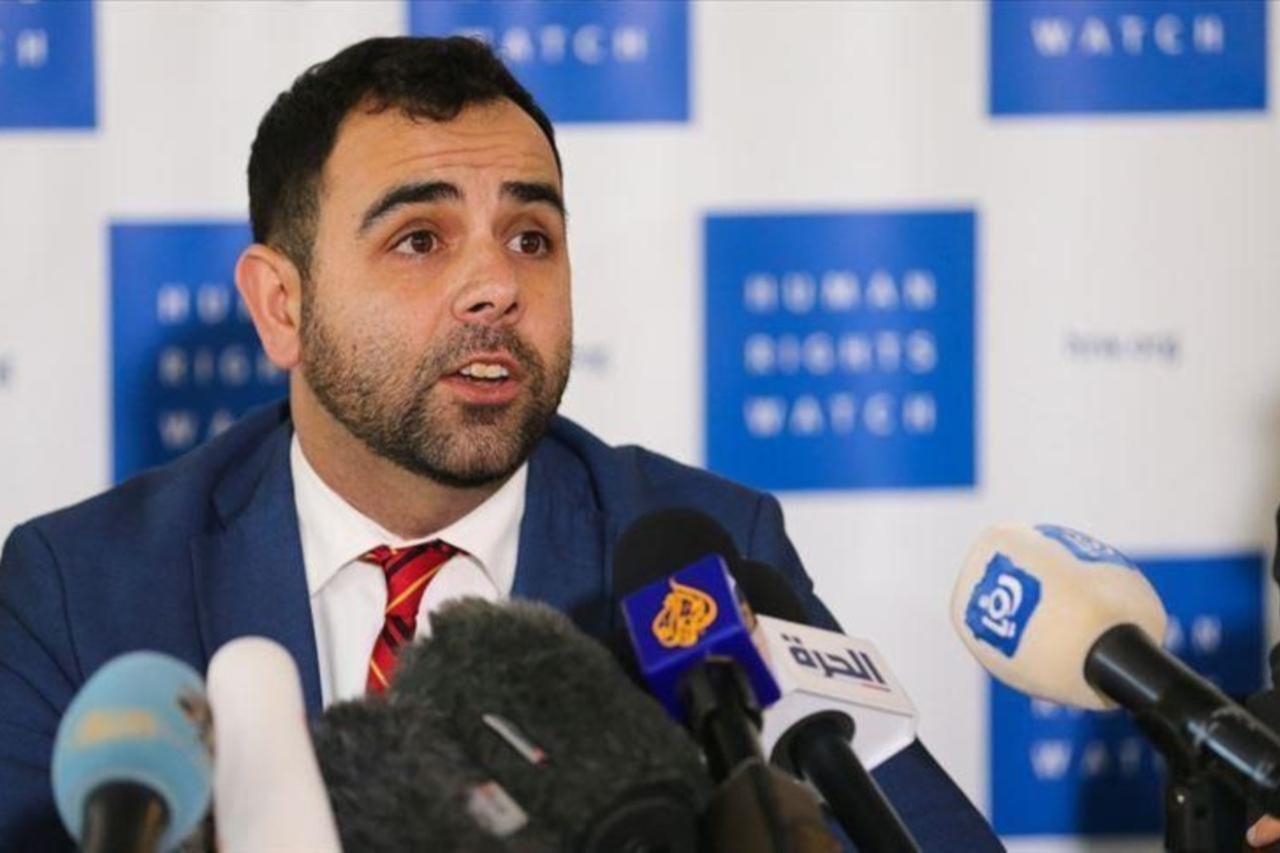


Two Human Rights Watch researchers resigned after saying the organization’s new executive director blocked publication of a report on Palestinian refugees’ right of return.
The decision prompted internal protest and renewed debate in human rights circles.
Omar Shakir, who served as the rights group’s Israel-Palestine director, said he stepped down after leadership blocked the fully vetted report that deemed Israel's denial of Palestinian refugees' right of return a crime against humanity.
Along with Shakir, the program's assistant researcher, Milena Ansari, also stepped down in protest.
The resignations come at a time when HRW’s new executive director, Philippe Bolopion, whom Shakir has cited as being responsible for blocking the report, begins his tenure.
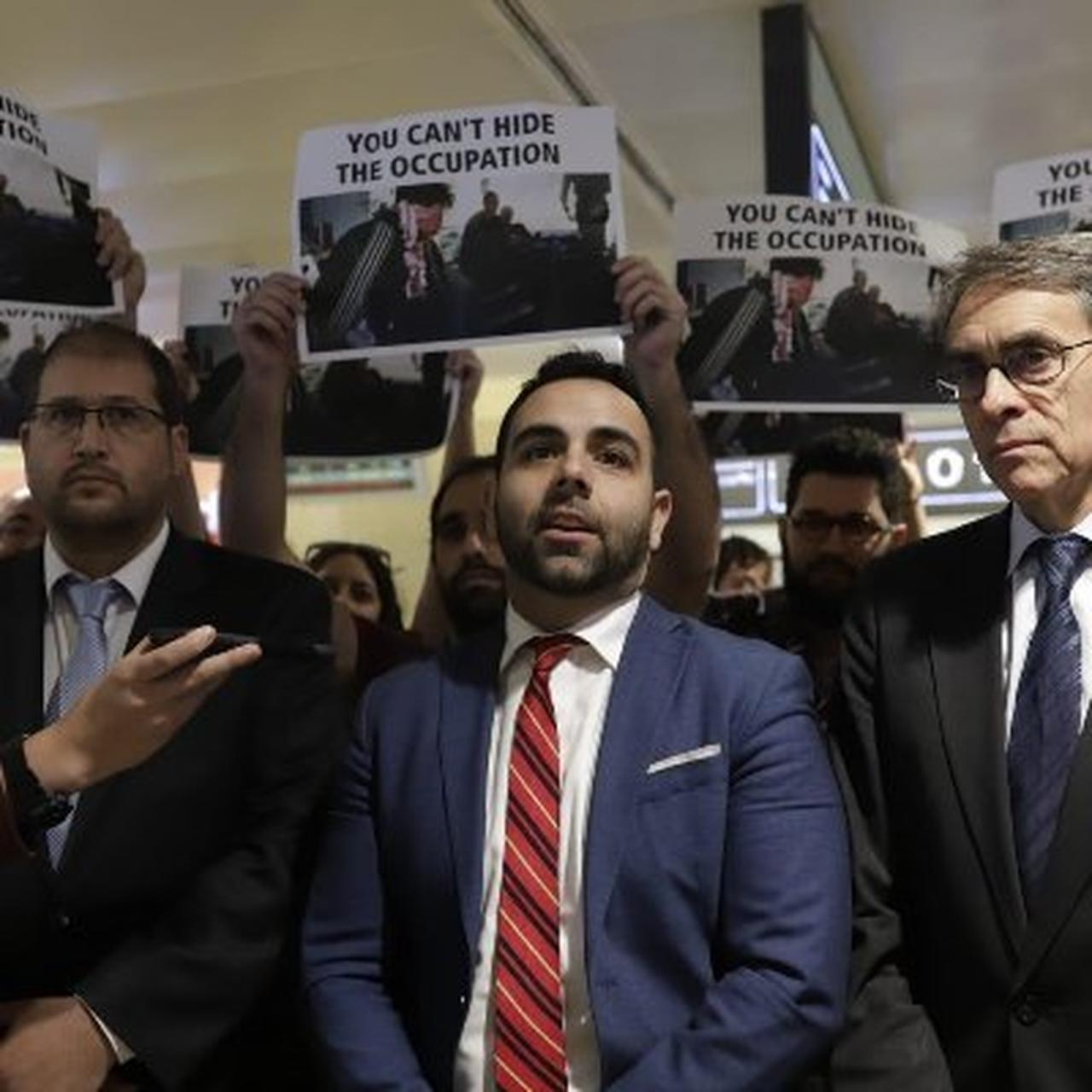

Omar Shakir wrote on his X account that he resigned from Human Rights Watch after more than 10 years, most of them as Israel and Palestine director.
"The new executive director pulled a final report on Palestinian refugees’ right of return on the eve of its publication and blocked its release for weeks on a matter of principle,” he said.
Shakir said the new executive director, Philip Bolopion, halted the report “without a legitimate basis,” despite all technical and media stages having been completed.
The completed report on refugees was based on the Rome Statute of the International Criminal Court. It covered the 1948 and 1967 refugees in Gaza, the West Bank, Lebanon, Syria and Jordan, not only the most recent displacement cases.
Speaking to Al Araby TV from Amman, Shakir said the organization’s new executive director prioritized politics and preserving Israel as a Jewish state instead of addressing Palestinian refugees’ fundamental right to return to their homes.
Shakir added that, in light of this conduct, he decided to resign after losing confidence in the integrity of the organization’s reporting process and its commitment to its core principles.
He stressed that the right of return is enshrined in the Universal Declaration of Human Rights (1948) and that the organization had previously acknowledged that denying it constitutes a violation of international law.
He said the refusal to publish the report was not linked to law or facts but rather because some people felt that spotlighting Palestinian refugees’ right of return at this time was “not appropriate.”
He also noted that the report draws a link between the dismantling and emptying of refugee camps in Gaza and the West Bank and attacks on UNRWA.
He argued that what we are witnessing amounts to a “second Nakba,” and that if we want to prevent a repeat, we must learn this lesson.
He explained that the report would have opened a path to justice for Palestinian refugees, since the recurrence of the catastrophe and the denial of their right of return could provide grounds to take the case to an international court and pursue accountability.
Shakir, a US citizen, said there were challenging moments for him while working for the Israel-Palestine program.
"When you're the Israel-Palestine director at one of the world's most prominent organizations, there is constant scrutiny and pressure," he said in a video interview with Anadolu Agency.
The decision also sparked widespread reaction within the organization. More than 200 staff members signed a protest letter warning that blocking the report could undermine the credibility of review mechanisms and allow unjustified interference in researchers’ work.
They stressed that it should be published to safeguard the integrity of Human Rights Watch’s human rights work.


 Set as preferred source
 Set as preferred source



 1 min read