Newsletters


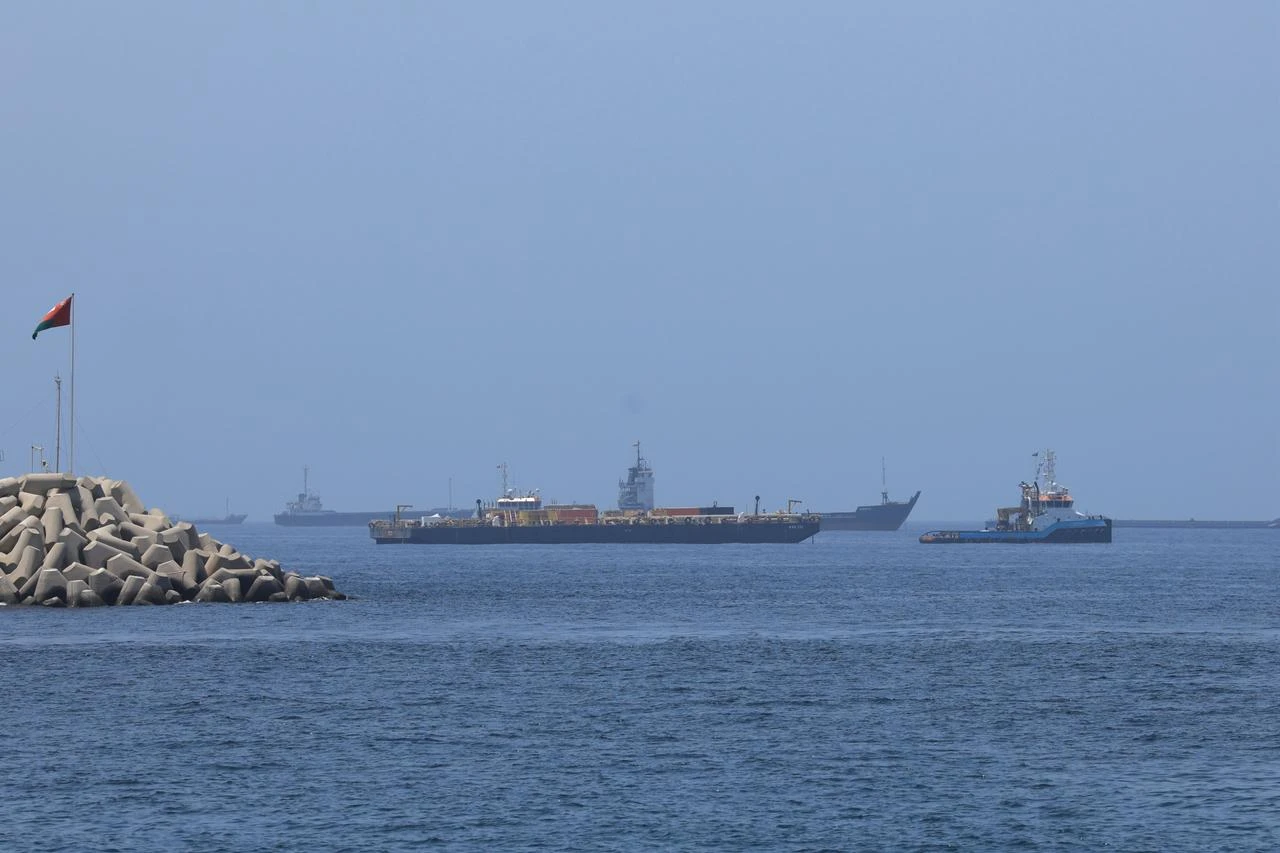


The United States and the United Kingdom are planning a high-level conference in London next week to discuss forming an international coalition to protect commercial shipping in the Strait of Hormuz, Axios reported Friday.
The proposed meeting could bring together defense ministers and senior military commanders from Western and regional countries, according to Axios, which cited two European diplomats and two other people familiar with the discussions.
The date and agenda have not been finalized. U.S. Defense Secretary Pete Hegseth and Chairman of the Joint Chiefs of Staff Gen. Dan Caine could attend, the report said.
A White House official confirmed to Axios that Washington and London want to convene the meeting next week. The British Embassy in Washington declined to comment.
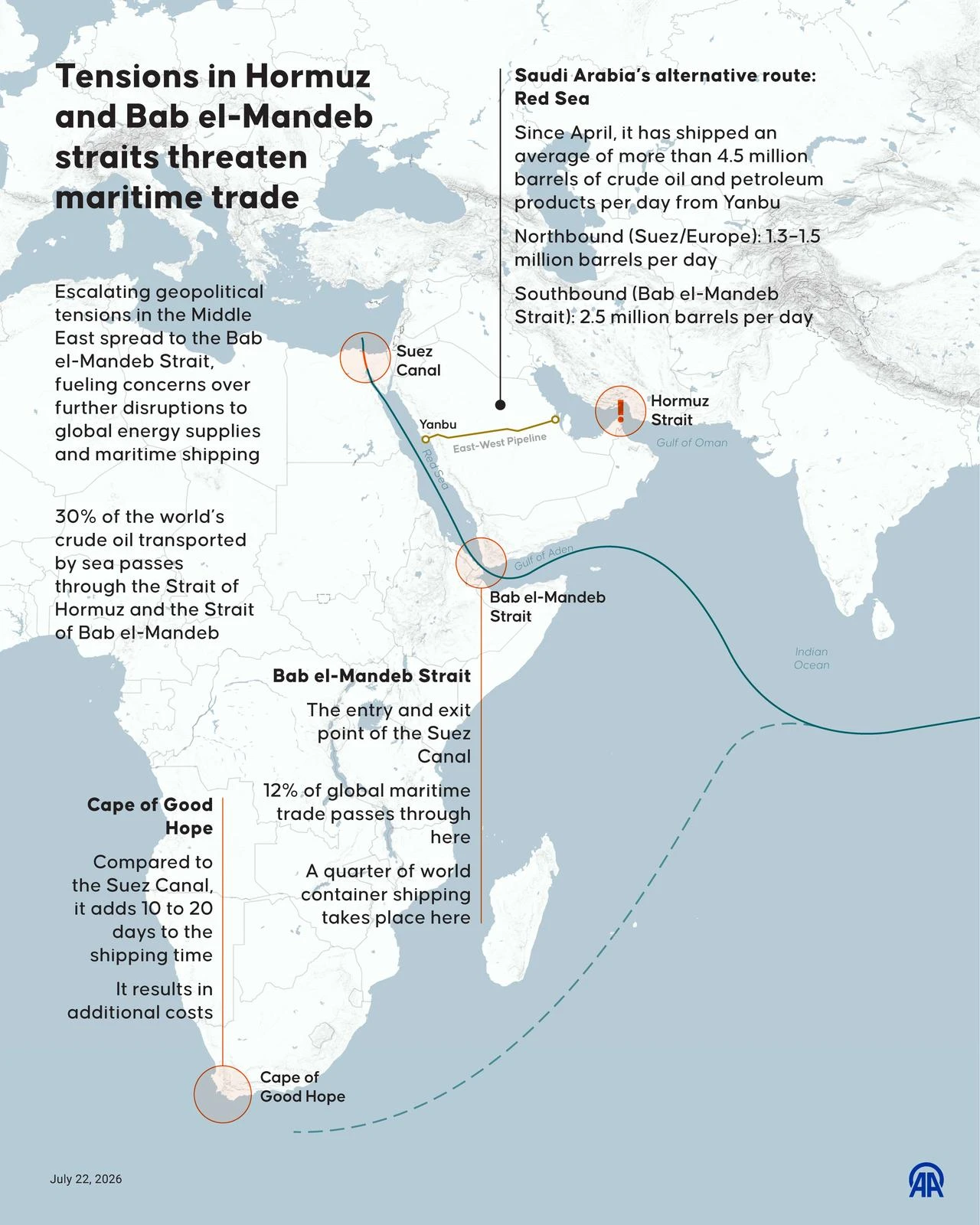

The conference would focus on a possible international maritime mission aimed at reopening the Strait of Hormuz to commercial traffic.
Restoring shipping through the waterway is considered a key part of Washington’s potential strategy for ending the war with Iran and stabilizing global energy markets, Axios reported.
The United States wants to build on discussions held by the United Kingdom and France with several countries in recent months about creating an international coalition for the strait.
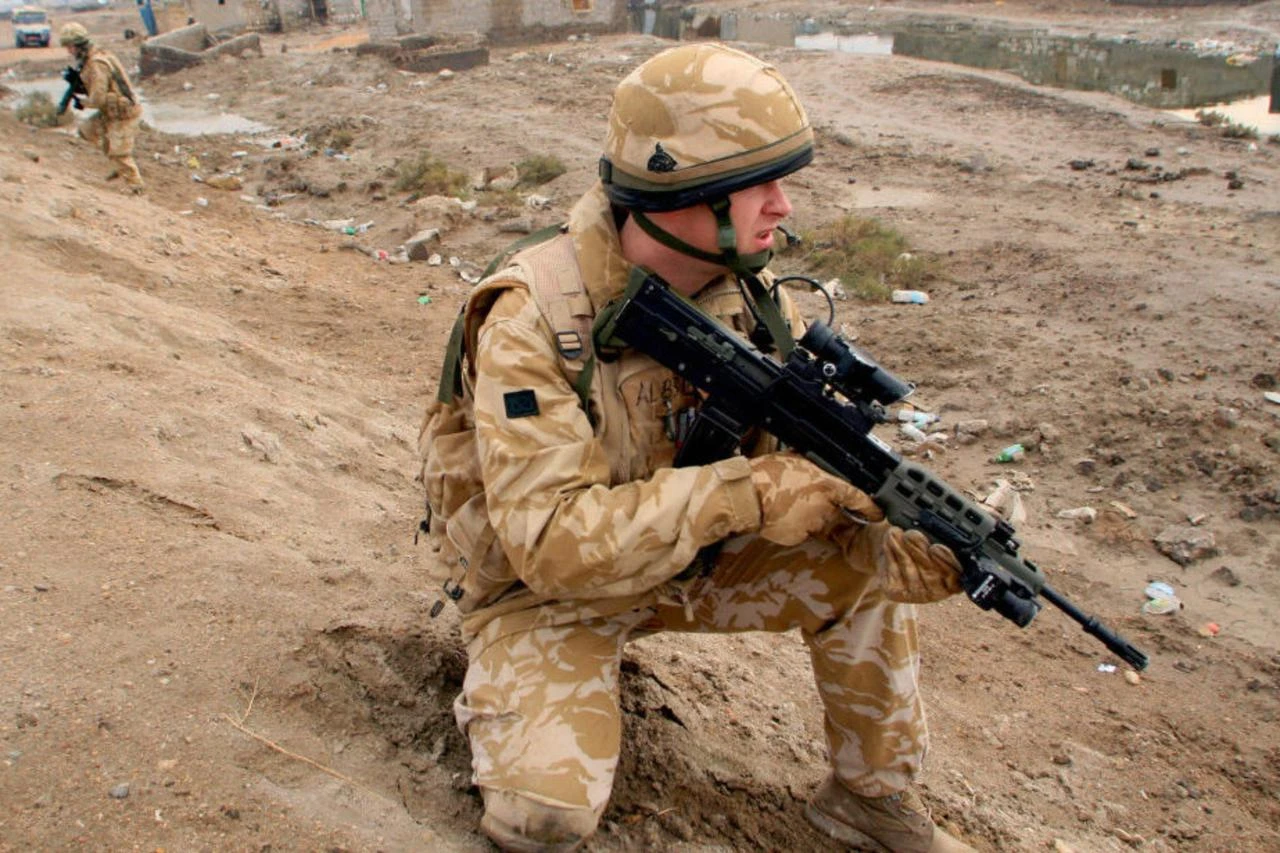
Washington is seeking contributions including minesweeping vessels, naval ships and drones that could help protect shipping lanes, according to the report.
However, several countries have said fighting in and around the strait must end before conditions would be safe enough for them to participate in a maritime mission.
“The Americans are looking for a way out, and they want our help,” a European diplomat told Axios.
The proposed conference comes after Iran began attacking vessels in the Strait of Hormuz about two weeks ago, prompting the United States to conduct daily strikes against Iranian military targets along the country’s southern coast.
No Iranian attacks on commercial ships have been reported over the past four days, Axios said.
Some U.S. defense officials believe American strikes have nearly eliminated Iran’s military capabilities around the strait. Other officials maintain that Tehran still has the ability to attack vessels in the area.
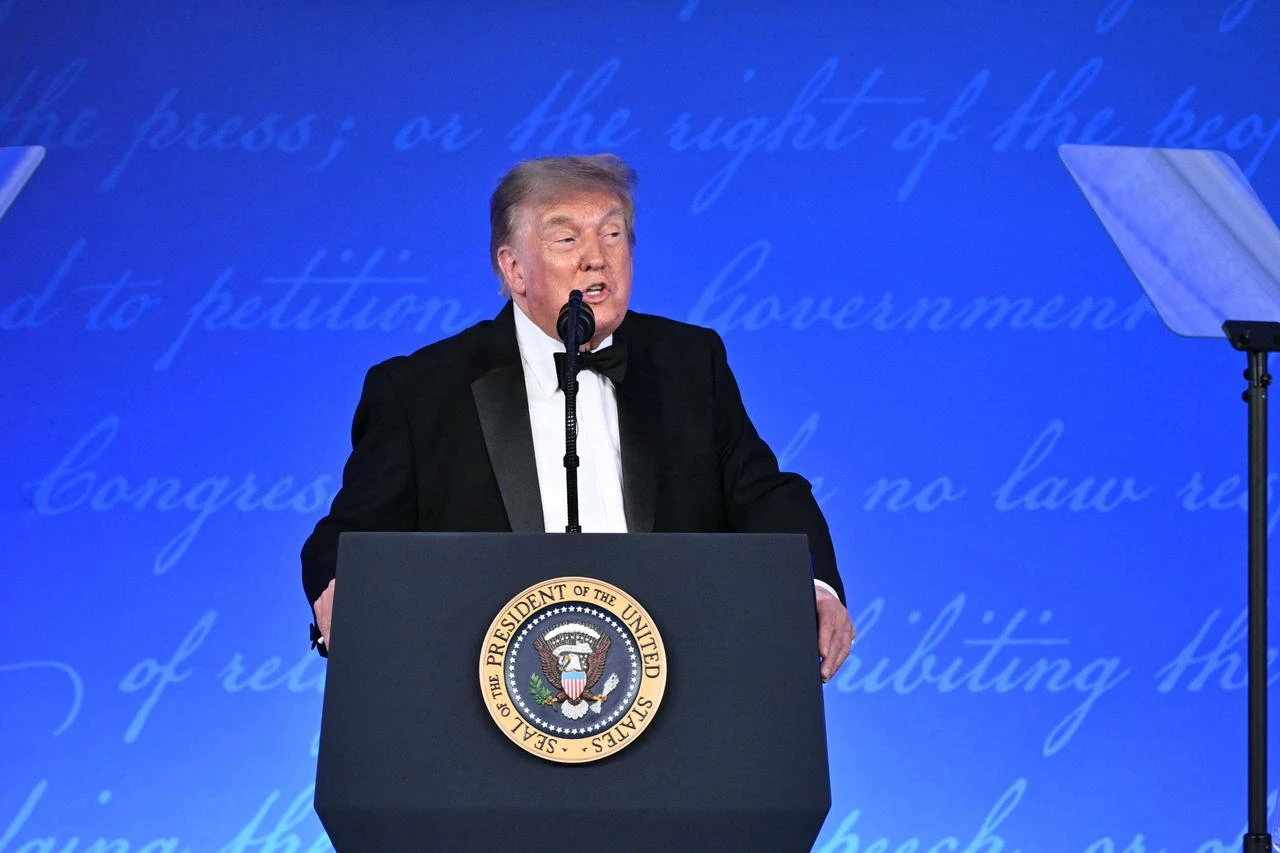
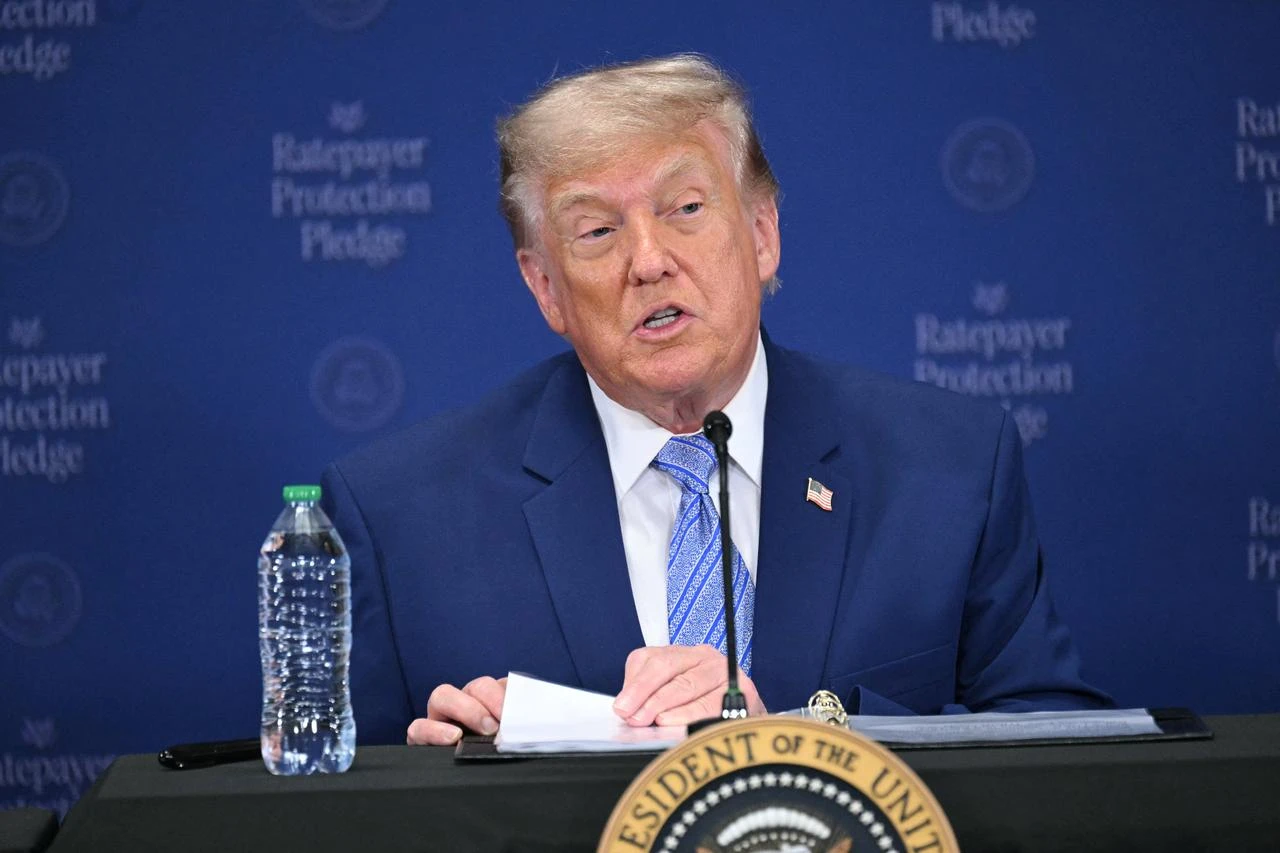
President Donald Trump on Wednesday threatened to strike bridges and power plants, including facilities in Tehran, if Iran resumed attacks on ships. Iran responded by threatening infrastructure in Gulf countries allied with the United States.
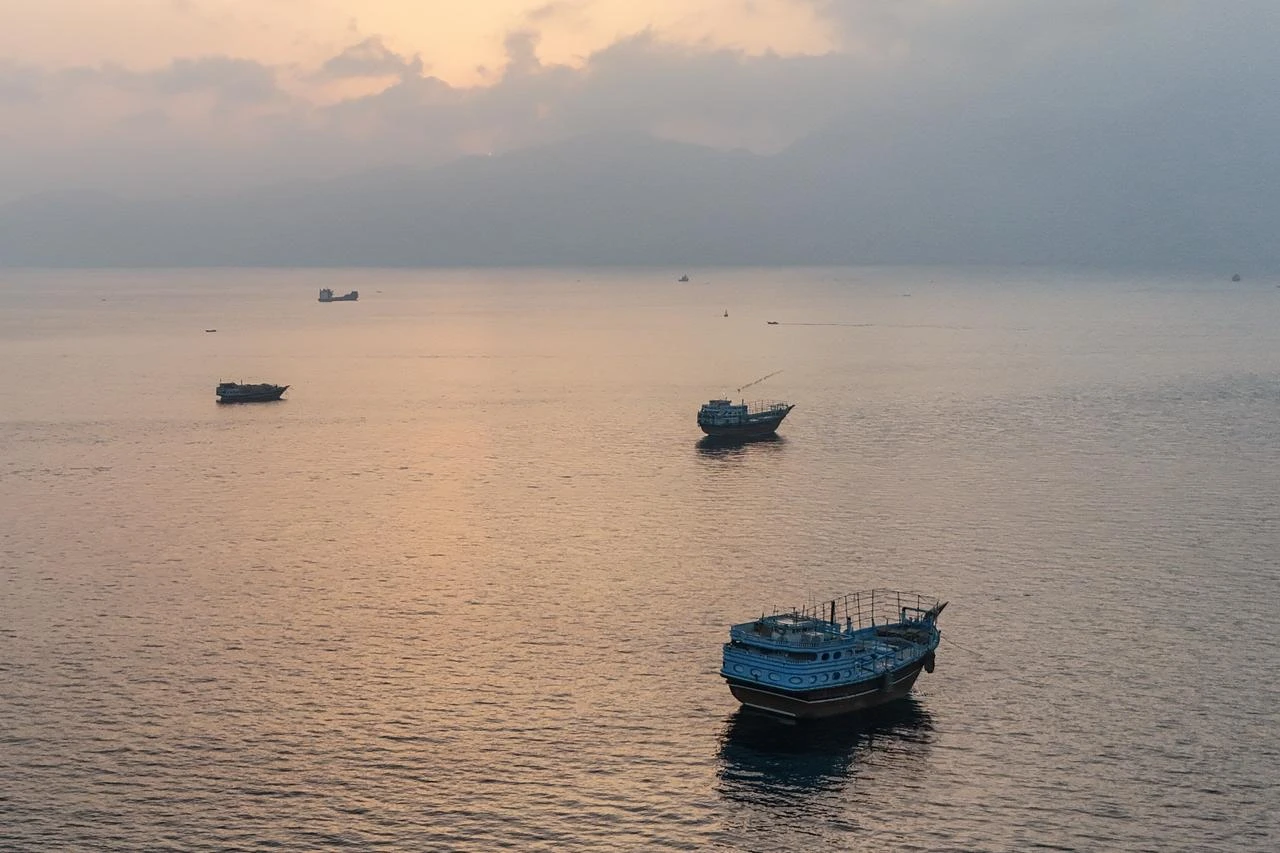
The escalation followed the collapse of talks involving Oman, Iran and Qatar over a new arrangement for the Strait of Hormuz, according to Axios.
Shortly after the talks ended without an agreement, Iranian Foreign Minister Abbas Araghchi returned to Tehran for consultations and the Islamic Revolutionary Guard Corps (IRGC) began firing at ships in the strait.
An Omani delegation arrived in Tehran on Friday to resume negotiations over a mechanism for reopening the waterway.
Araghchi also spoke Friday with Pakistan’s foreign minister about proposals related to the dispute. Pakistan has acted as a mediator in talks between Washington and Tehran.
Araghchi said the central obstacle was not a shortage of mediators but the United States’ approach. He said Iran would continue to defend its interests in the Strait of Hormuz until Tehran’s demands were addressed.
Iran’s Foreign Ministry said Araghchi later discussed maritime security and the passage of commercial ships with Omani Foreign Minister Sayyid Badr al-Busaidi. The ministry said the two officials discussed regional cooperation intended to prevent further escalation.
Iran’s state broadcaster reported Friday that a U.S. missile strike on an LPG tanker approaching the Strait of Hormuz killed two crew members after the vessel was allegedly mistaken for carrying Iranian gas.
Citing an informed source, IRIB said the US military fired two missiles at the tanker Friday afternoon as it was approaching the region from the Sea of Oman.
According to the report, the vessel was targeted because US forces believed it was transporting Iranian gas.
The report said two crew members were killed and the vessel’s engine room was damaged, leaving the tanker disabled.
The U.S. military has not commented on the claims.
Earlier Friday, the Indian Embassy in Tehran said the Mozambique-flagged LPG tanker Meda, carrying 28 Indian crew members, came under attack in Iranian territorial waters in the Strait of Hormuz but that all Indian nationals aboard were safe.
It was not immediately clear whether the tanker mentioned by IRIB was the same vessel referred to by the Indian Embassy.
Regional tensions have escalated since President Donald Trump announced on July 8 that the ceasefire outlined in last month’s U.S.-Iran memorandum of understanding was no longer in effect.
Since then, the U.S. and Iran have exchanged strikes, disrupting shipping through the Strait of Hormuz and raising renewed concerns over global energy supplies.


 Set as preferred source
 Set as preferred source


 1 min read
 1 min read