Newsletters


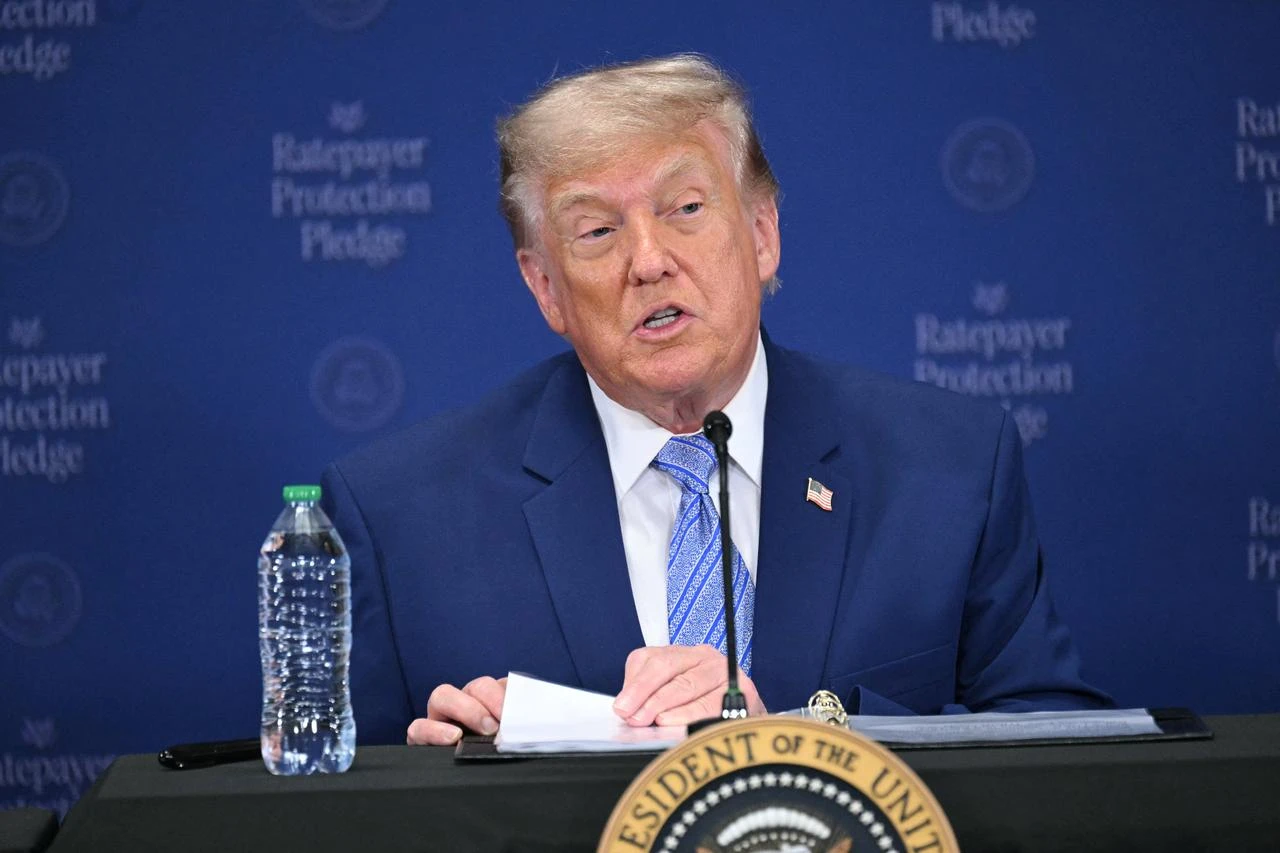


U.S. President Donald Trump warned Friday that China and Russia would face serious consequences if either country supplied weapons to Iran, as Tehran rejected U.S. pressure and reaffirmed its commitment to protecting its interests in the Strait of Hormuz.
Trump said Chinese President Xi Jinping assured him during their recent meeting in Beijing that China would not provide or sell weapons to Iran, including through Chinese companies.
He said Russian President Vladimir Putin had given similar assurances despite the ongoing war in Ukraine, adding that Moscow would also refrain from selling weapons to Tehran.
"Therefore, two major Countries that people speak of often in terms of Iran are, in my opinion, not participating. If they did, it would be very bad for them — Certainly not in their best interests," Trump wrote on Truth Social.
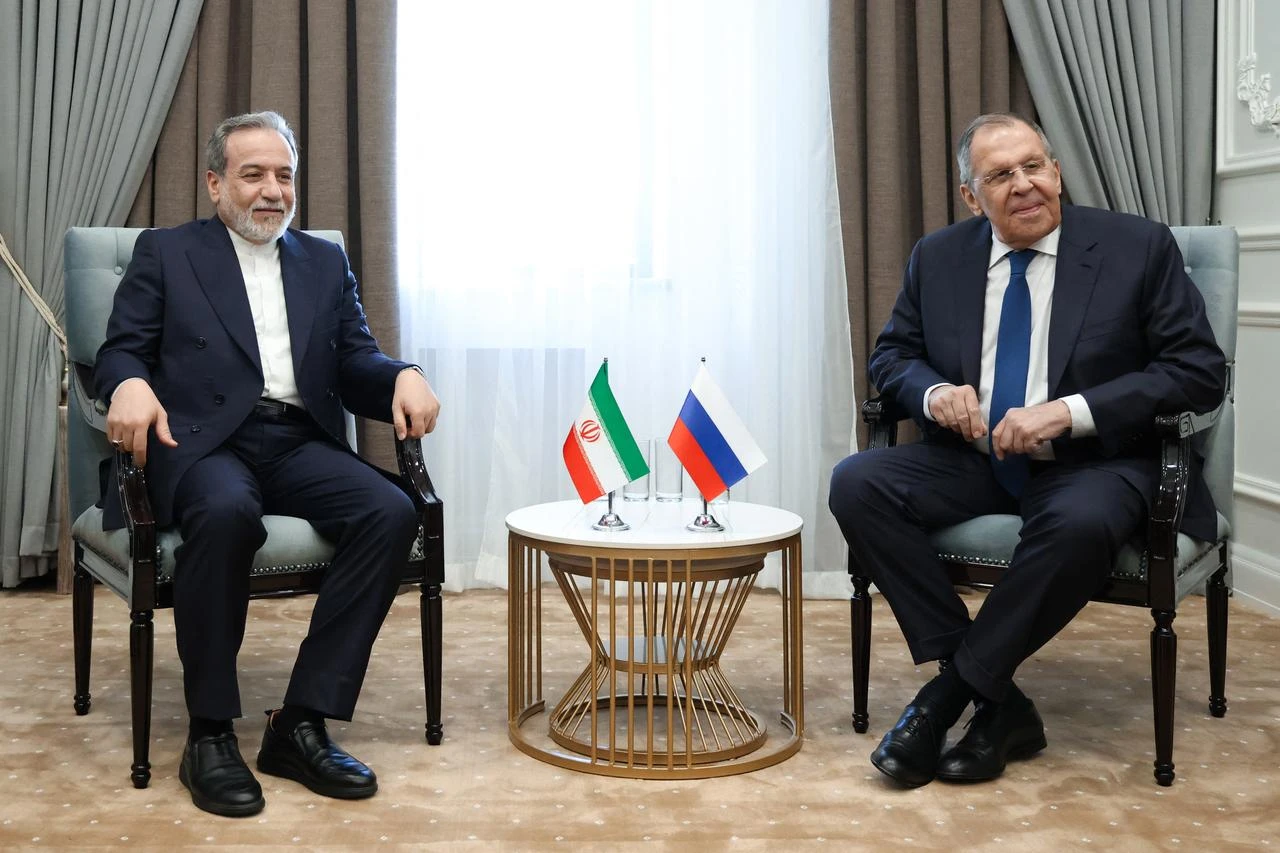
Trump's remarks came as Iranian Foreign Minister Abbas Araghchi held talks with his Chinese and Russian counterparts during the Shanghai Cooperation Organization (SCO) Council of Foreign Ministers meeting in Kyrgyzstan.
Speaking after the meeting, Araghchi said Iran would not "succumb" to U.S. bullying or respond to threats and intimidation, stressing that protecting the Iranian people and preserving the country's interests in the Strait of Hormuz remained a core principle of Tehran's policy.
"We are not afraid of threats, nor do we submit to pressure, and we do not tolerate the language of threats," he said.
Araghchi also argued that the dispute with Washington stems from the U.S. approach rather than a lack of mediation efforts, noting that Iran remains in regular contact with Russia, China and Pakistan on initiatives aimed at ending the war.
"As long as the legitimate goals and demands of the Iranian people are not achieved, it is natural that we will continue our course," Araghchi added, insisting Tehran would not discuss a truce unless its demands regarding the Strait of Hormuz were met.

The diplomatic exchanges came as regional tensions remained high after Trump announced on July 8 that the ceasefire outlined in the Islamabad Memorandum of Understanding was no longer in effect.
Since then, Washington and Tehran have traded strikes, with the U.S. targeting sites inside Iran while Tehran says it has attacked U.S. military facilities and equipment across several countries in the region.
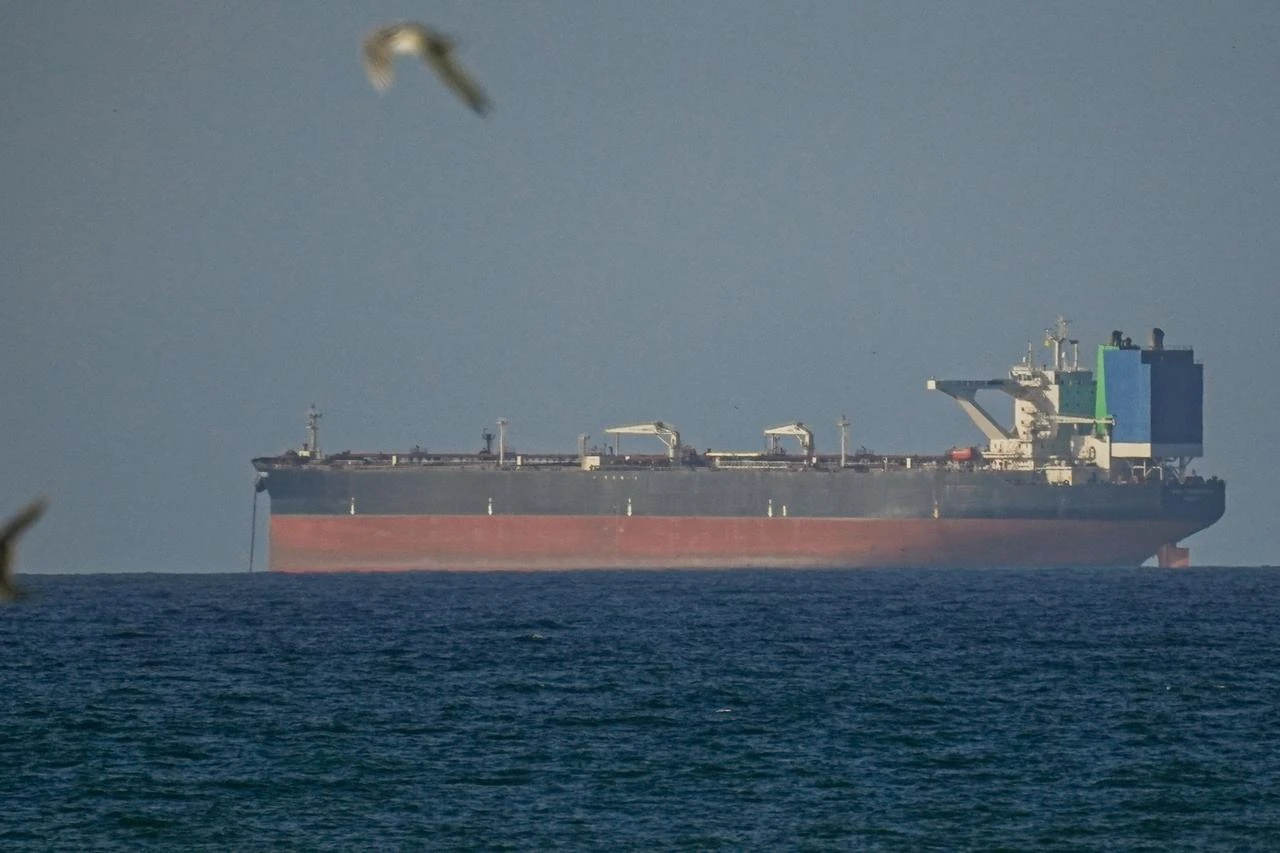
As diplomatic efforts to address the Strait of Hormuz continue, an Omani delegation arrived in Tehran on Friday for talks with Iranian officials on mechanisms governing navigation through the strategic waterway, according to Iran's state-run IRNA news agency.
The visit is part of ongoing consultations between Tehran and Muscat aimed at establishing a framework for managing commercial shipping through the strait, one of the world's most critical energy transit routes.
Oman and Iran had previously agreed in June to establish a joint working group to negotiate future arrangements for managing navigation through the strategic waterway.
However, during the latest round of talks in Muscat on July 11, the sides failed to reach a final agreement.
Oman proposed separate navigation corridors through Omani and Iranian waters, but Iranian officials did not endorse the proposal, and both sides instead agreed to continue political and technical consultations on future arrangements for the strait.


 Set as preferred source
 Set as preferred source


 1 min read
 1 min read