

 Newsletters




U.S. Vice President JD Vance said Thursday that the Trump administration's top priority in the Iran war is keeping oil and gas prices low for Americans, with preventing Tehran from acquiring a nuclear weapon ranking second, marking a shift in framing from U.S. President Donald Trump's repeated insistence that blocking Iran's nuclear program is the war's sole objective.
"I know that oil is down today and it's way down from the highs in the early days of the conflict," Vance told Fox News' Will Cain.
"That's goal number one, keep oil and gas cheap for Americans all over our country. And then obviously goal number two is ensure that Iran never gets a nuclear weapon," he noted.
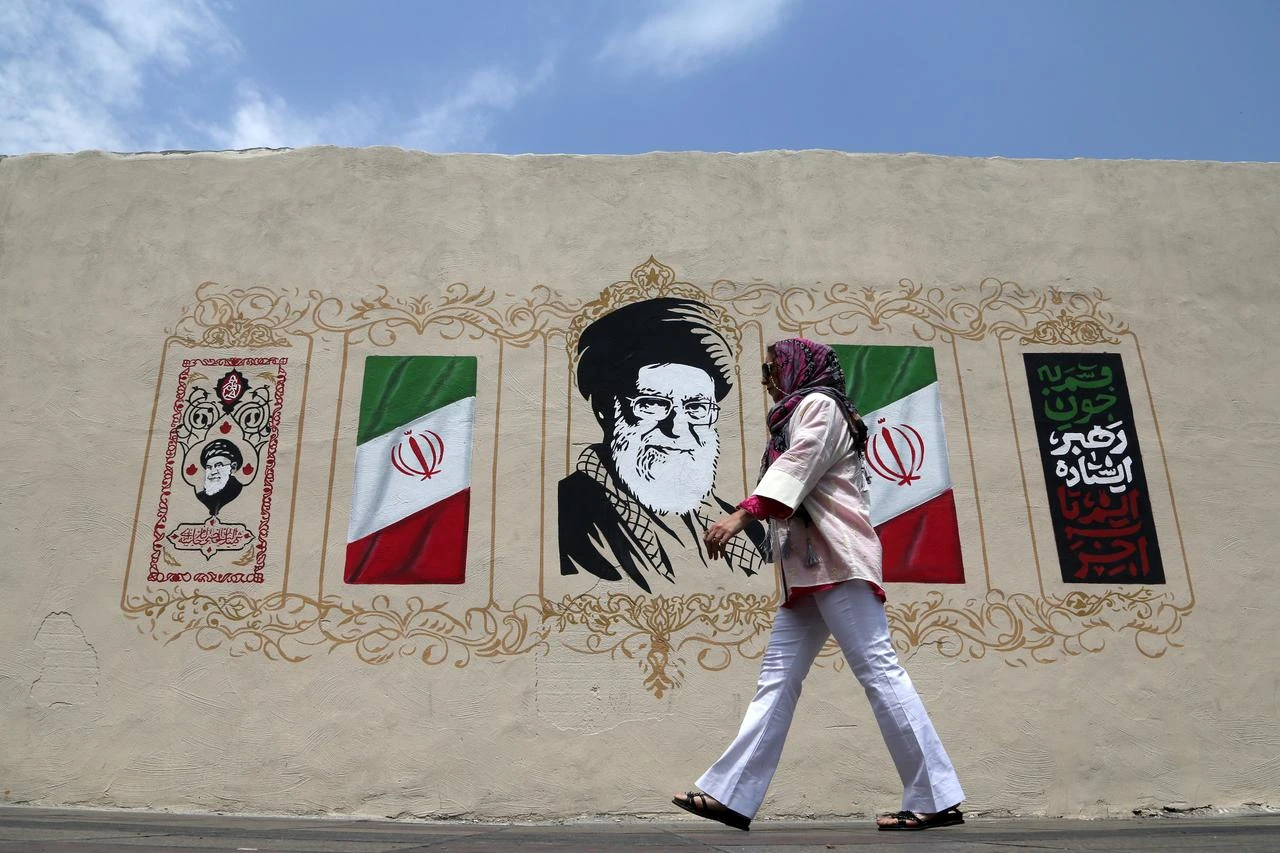
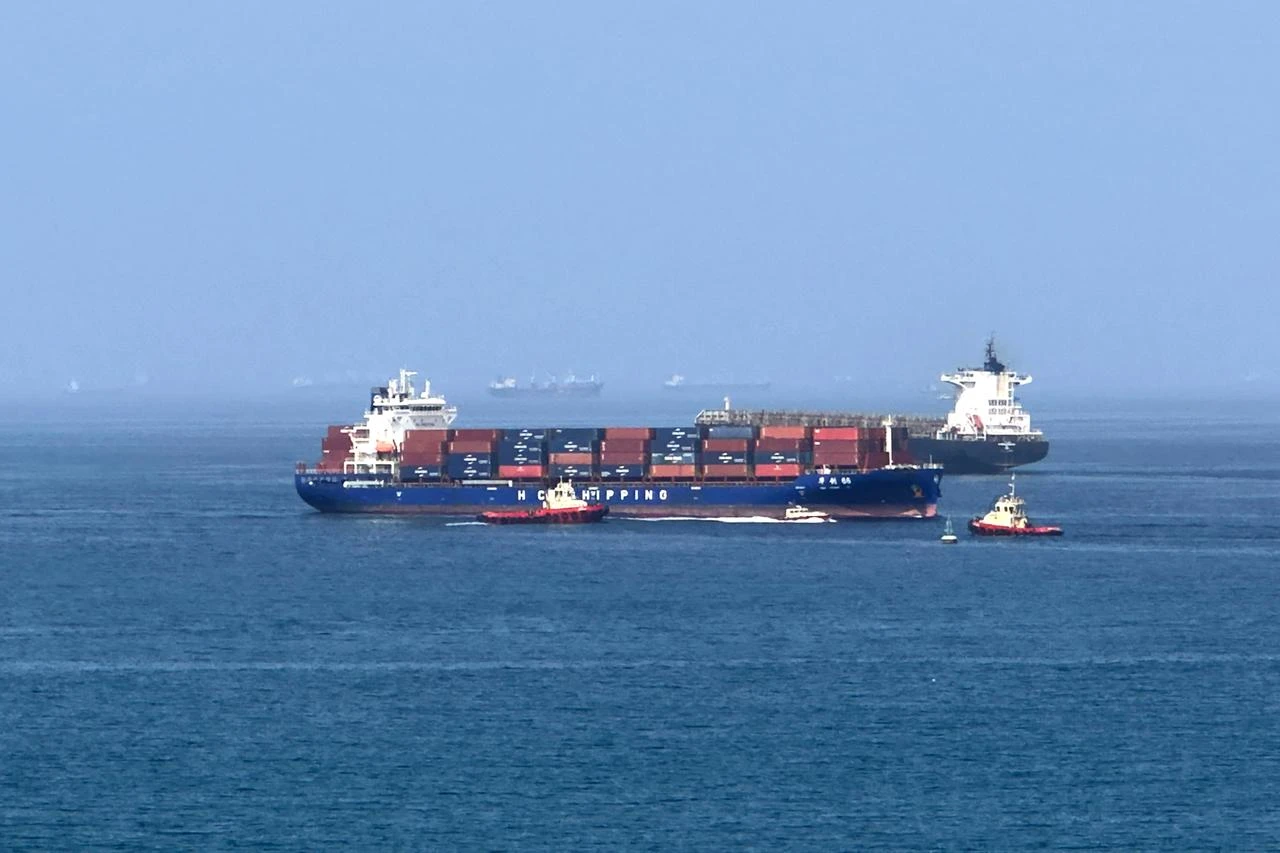
Vance's comments underscore the growing reality that the war now centers on control of the Strait of Hormuz, which Iran has pushed to the top of the negotiating agenda by largely shutting it down in retaliation for the war.
Iran has thereby gained a crucial point of leverage against Trump as he searches for a way out of the conflict while shying away from resuming large-scale attacks.
Trump's approval rating has been falling, the war is unpopular among Americans, and midterm elections are approaching in November. Republicans fear the war, which has driven up gasoline prices, could cost them control of Congress.
"I feel confident we're accomplishing both of those goals, but it's inherently an unpredictable thing because the Iranians themselves are unpredictable, and they sometimes don't honor the commitments they've made to us," Vance said.
"The Iranians make a deal, they don't honor the deal," he added.
Vance said the administration is deploying diplomatic, military and economic tools "very selectively, very strategically" to achieve its objectives.
"What I think is really happening is that you're seeing a president of the United States at the height of his authority with a lot of tools, diplomatic, military, and economic," he said.
He added: "Sometimes we're focused on the energy piece of it because we want Americans to be able to afford the price of oil and gas. Sometimes we're obviously focused on the military ... on the nuclear program."
Vance said he is confident the confrontation would end with the U.S. "in a stronger position," Iran without a nuclear weapon, and the Strait of Hormuz restored to conditions that allow stable oil and gas prices.
Vance has been among the administration officials most skeptical of the offensive launched against Iran in late February, and his latest remarks appear to confirm a more cautious approach now favored by Trump, involving sustained economic pressure on Iran while the military standoff in the strait continues.
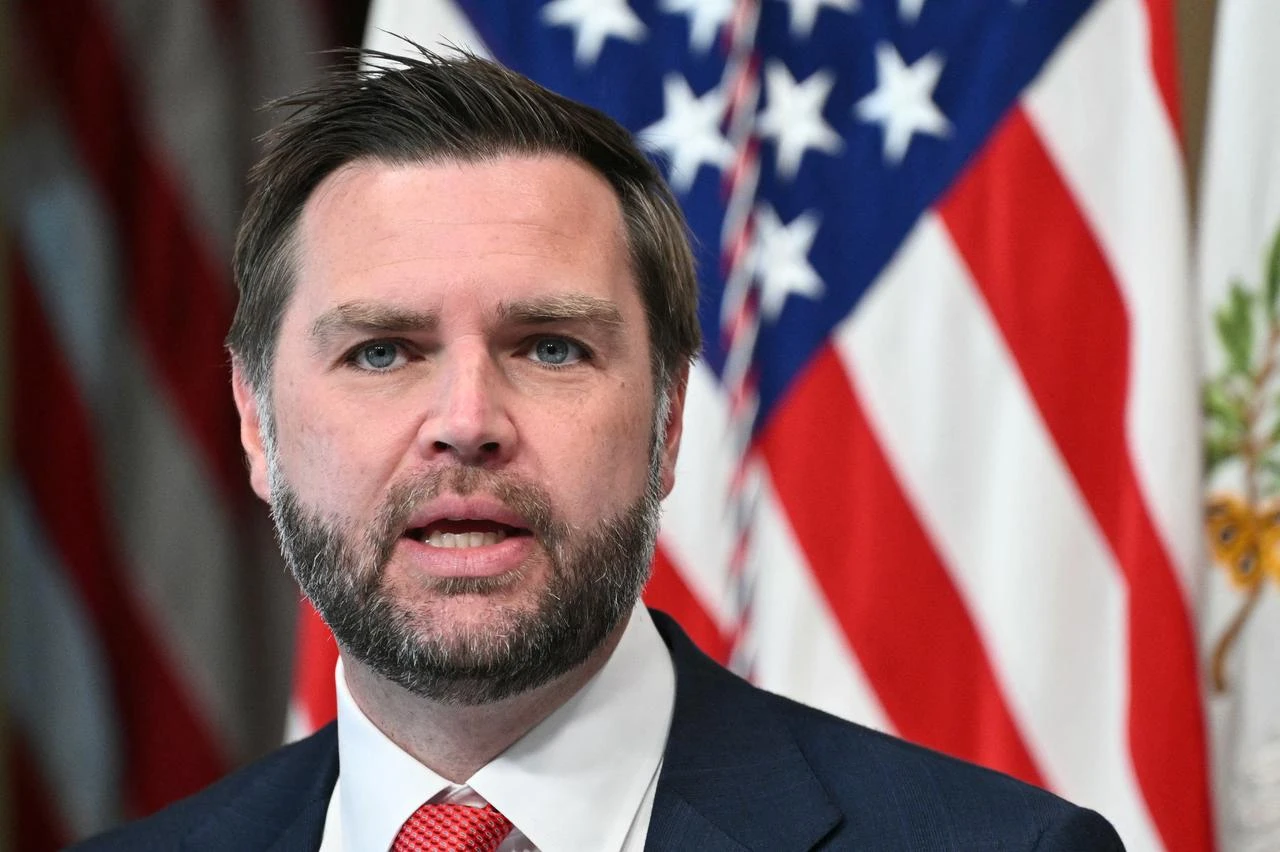

Treasury Secretary Scott Bessent said Thursday that Washington plans to impose economic measures on Iran unlike any seen before, with further announcements expected next week.
"Watch this space for more announcements coming next week because we are going to apply measures like have never been seen in the history of economic isolation on a country," Bessent said in an interview on Newsmax's "Rob Schmitt Tonight."
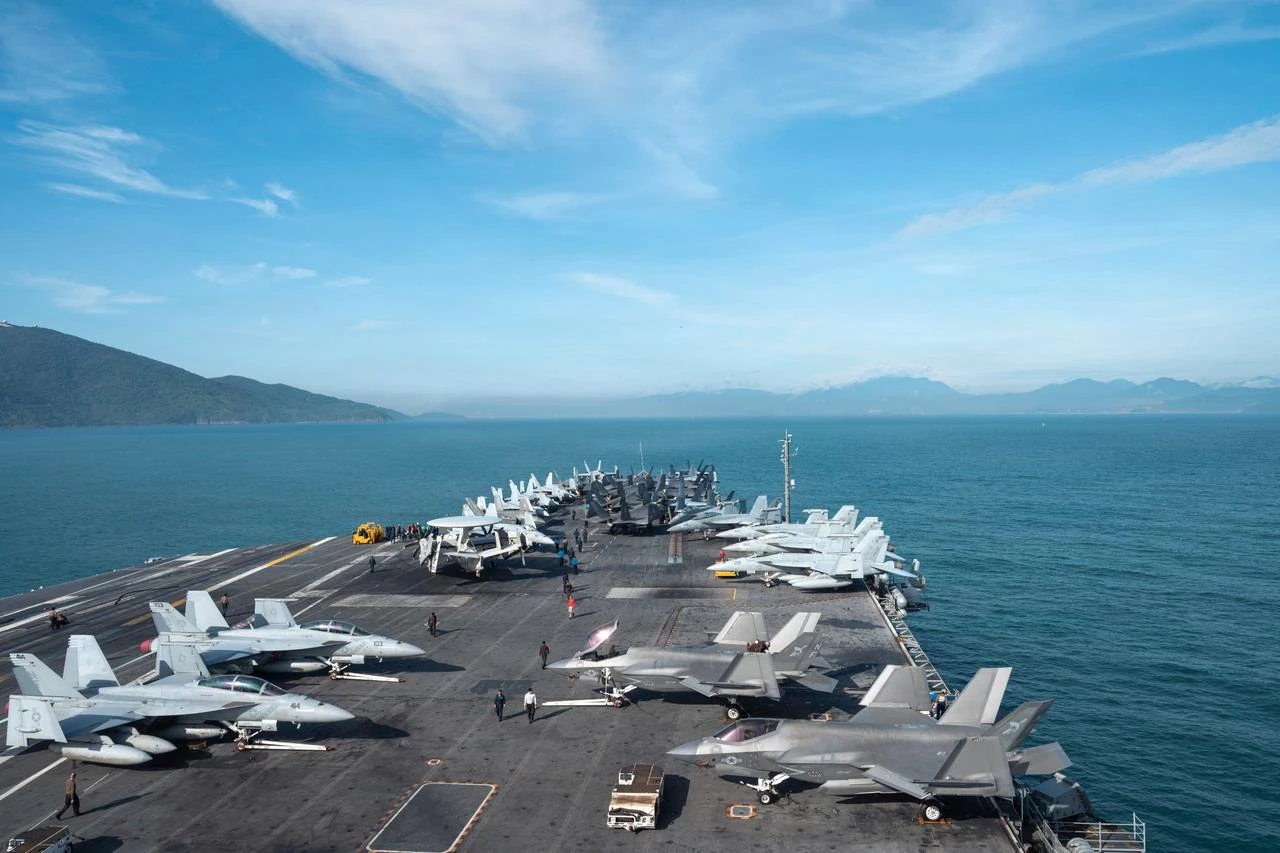
"It will be a combination of economic isolation like the world has never seen before, and the continued blockade in the Strait of Hormuz that will keep anything from going in or out of the Iranian ports," Bessent said.
He added that the conflict has caused a "temporary spike in energy prices," saying: "We're going to get to the other side of this and come down."
Bessent's tougher stance contrasts with remarks he made on Aug. 4, when he told CNBC that an agreement with Tehran to reopen the Strait of Hormuz could be reached within days, comments that sent Wall Street higher and oil prices lower at the time.
In July, the Treasury Department expanded sanctions targeting Iran's shipping and financial networks following renewed Iranian attacks on international vessels in the strait.
The department's Office of Foreign Assets Control separately targeted individuals, exchange houses and companies across several countries it accused of helping Iran's Shahr Bank move hundreds of millions of dollars clandestinely, the eighth round of sanctions in 2026 targeting what the Treasury calls Iran's shadow-banking system under Washington's "maximum pressure" campaign.
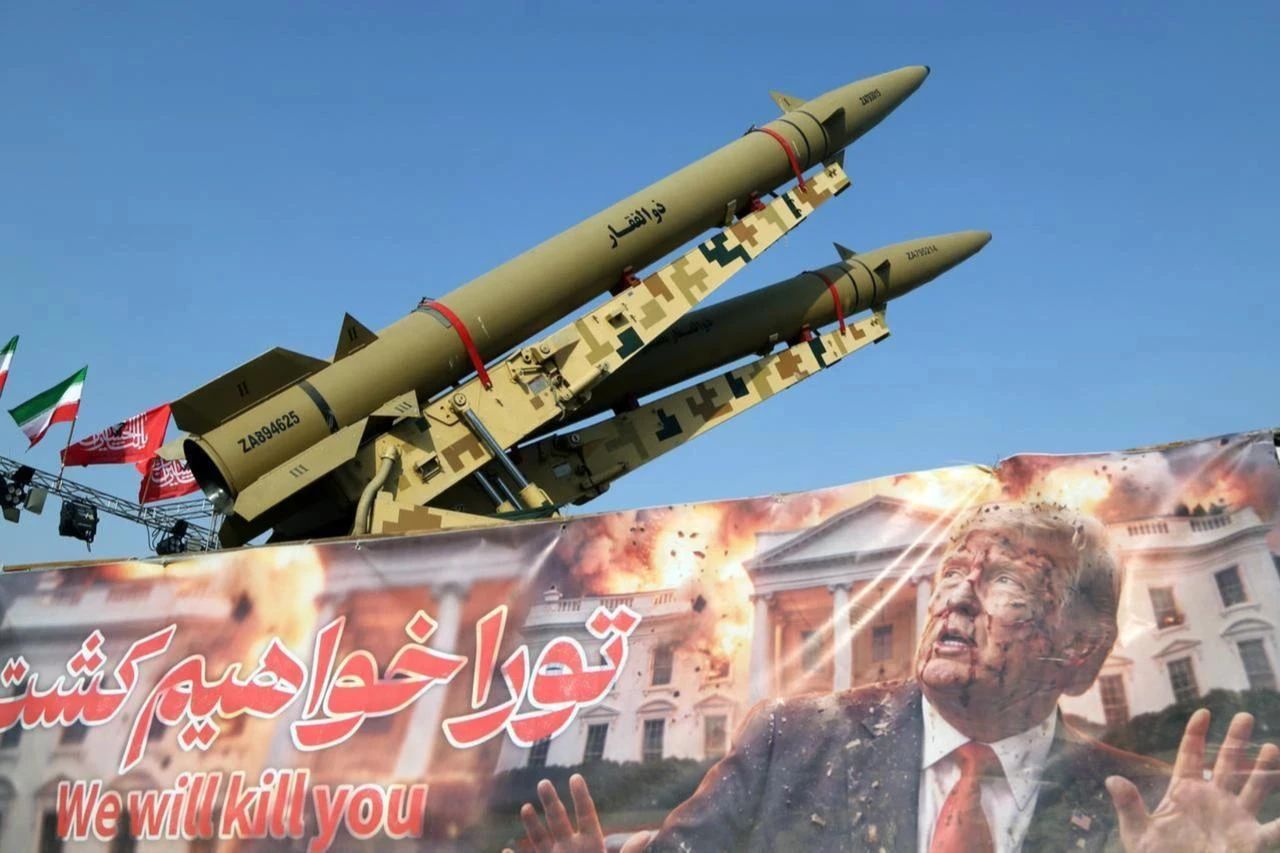
Trump had said recently he would hold off on attacking Iran again only if an agreement were reached quickly to reopen the Strait of Hormuz.
Iran has since set a list of conditions for reopening the waterway that the Trump administration is considered unlikely to accept: an end to the war on all fronts, the lifting of the U.S. blockade of Iranian ports, the end of sanctions, the release of frozen assets, and compensation for wartime damage.
Those conditions echo the terms of a memorandum of understanding reached in June that later collapsed as fighting resumed, including a provision for a $300 billion reconstruction fund for Iran.


 Set as preferred source
 Set as preferred source


 1 min read
 1 min read


