Newsletters


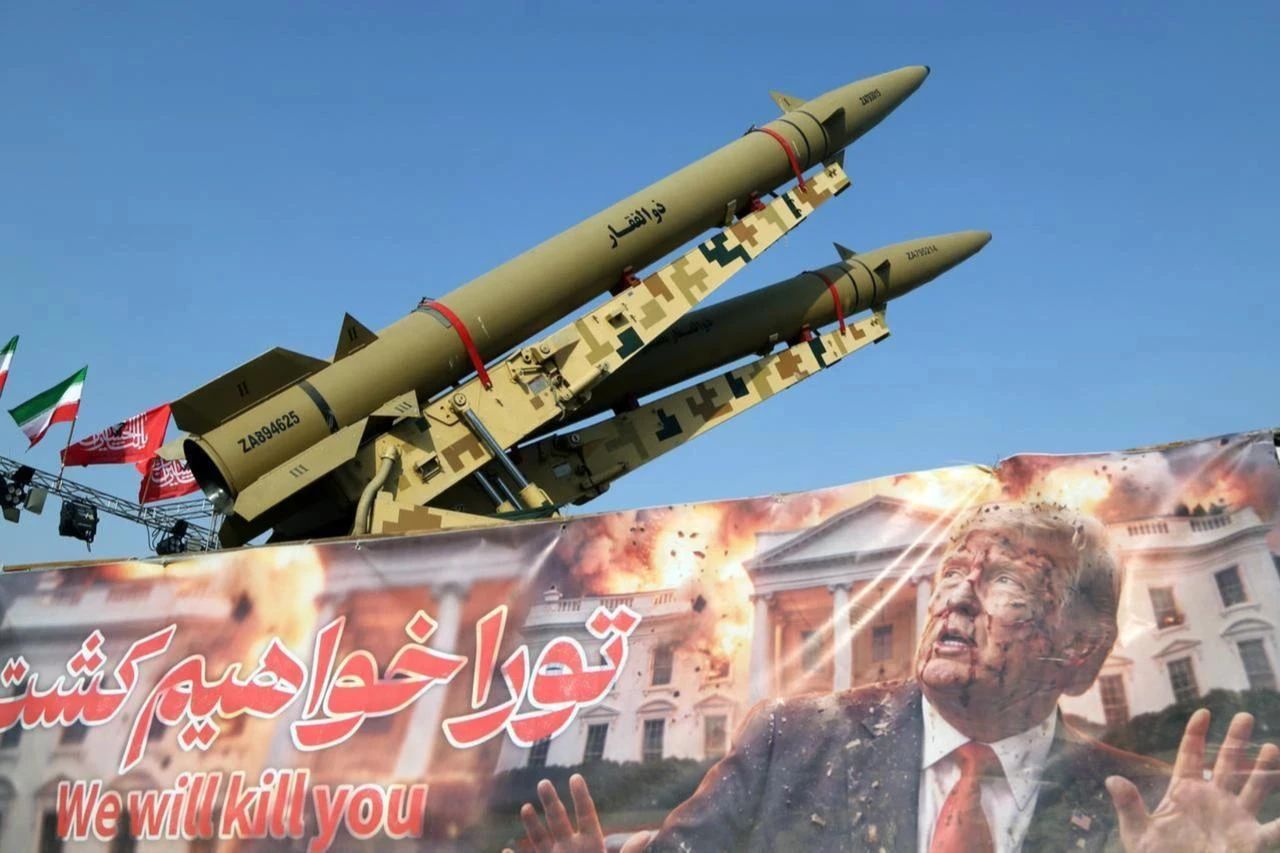


A senior adviser to Iran's Supreme Leader Mojtaba Khamenei warned Thursday that the country's conflict with the United States could shift into an offensive phase if Tehran's conditions are not met, framing the possibility as a turning point capable of reshaping global power dynamics.
Mohammad Mokhber, the adviser, said in a post on the social media platform X that the supreme leader's "definitive strategy is for the war to become offensive if Iran's conditions are not fulfilled." He argued that any failure by Washington to protect its Gulf allies would expose the limits of US security guarantees in the region.
Mokhber said the most sustainable basis for a new regional order would be implementation of the proposed Hormuz economic-security mechanism, a framework he described as independent of US military guarantees.
In a related statement, Ebrahim Azizi, who heads the Iranian Parliament's National Security and Foreign Policy Commission, cautioned regional countries against relying on what he called "the enemies of Islam." He said such reliance would put their sovereignty at risk and diminish their national standing.
Writing on X, Azizi said regional instability stemming from dependence on foreign powers would "inevitably trigger a firm and decisive response from Iran."
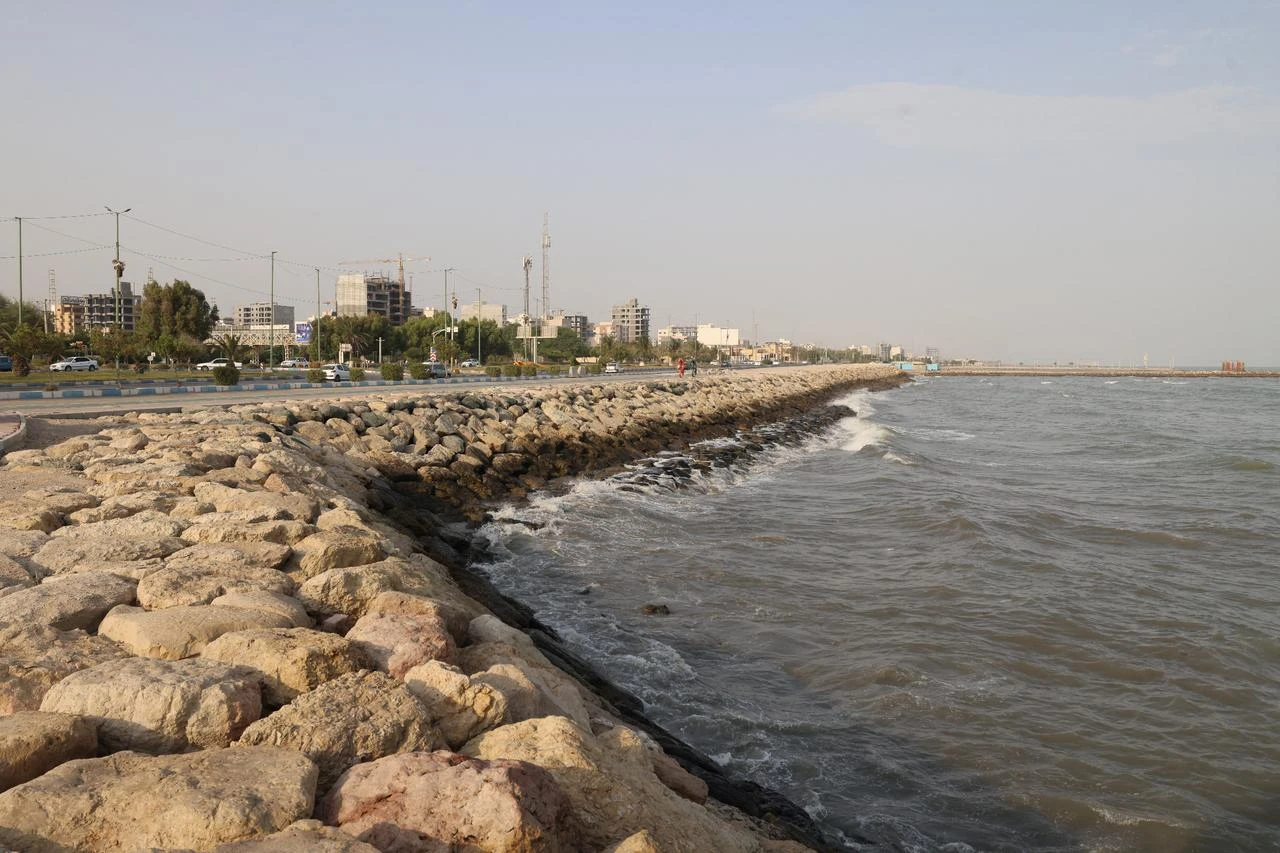
The statements from Mokhber and Azizi came as Iran and Oman continue negotiations on new navigation arrangements for the Strait of Hormuz, a waterway connecting the Persian Gulf to the Gulf of Oman that serves as one of the world's most important routes for seaborne oil shipments. Tehran has promoted its proposed Hormuz mechanism as a framework for managing both security and commercial navigation through the strait.
The talks follow a recent war between Iran and the United States, though further details of that conflict were not addressed in the officials' statements.
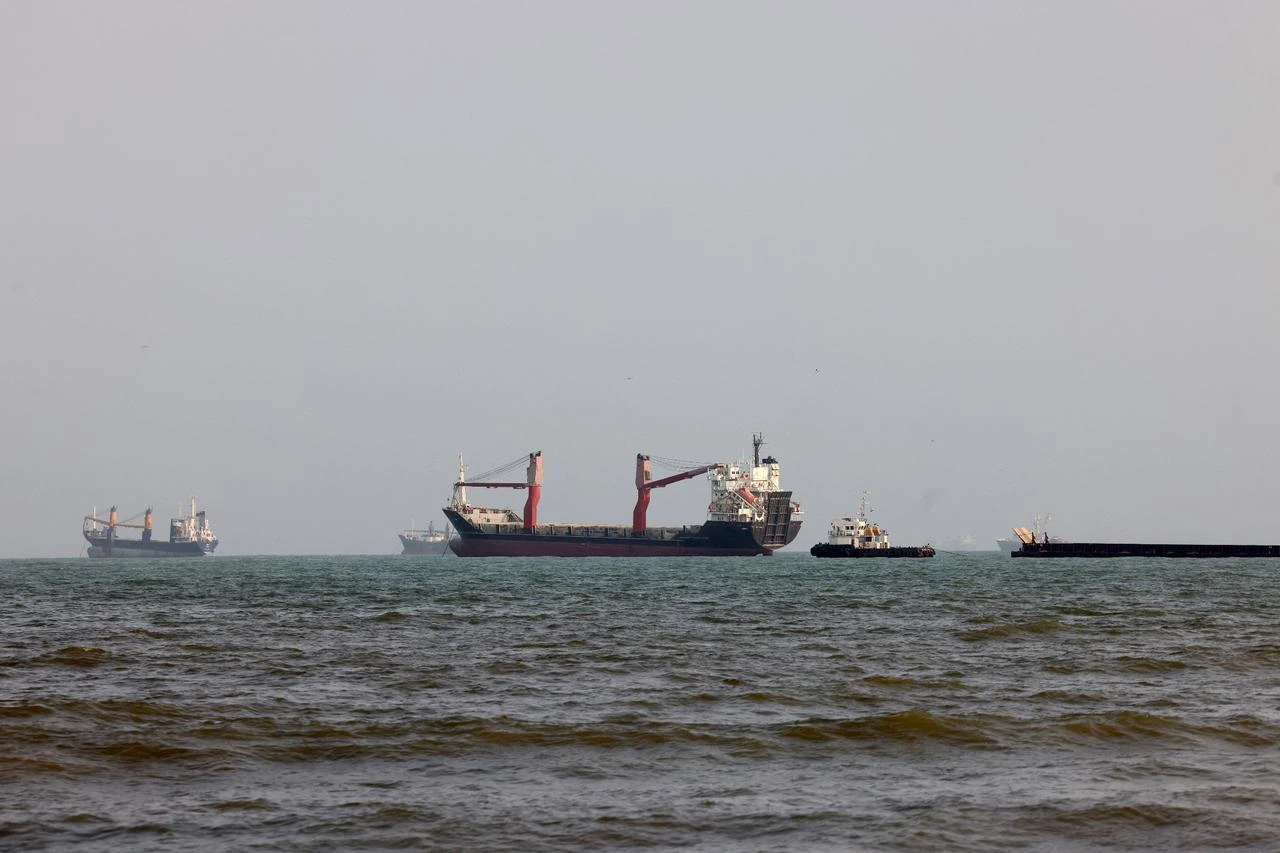
Earlier Thursday, Iran's Khatam al-Anbiya Central Headquarters rejected assertions by the United States that Washington had secured freedom of navigation through the Strait of Hormuz, calling the claims "baseless lies."
In a statement carried by state broadcaster IRIB, the military command said the strait remains "under the full management and control" of Iran, asserting that no commercial vessel or oil tanker could pass through the waterway safely without authorization and supervision from Iranian armed forces.


 Set as preferred source
 Set as preferred source


 2 min read
 1 min read