Newsletters


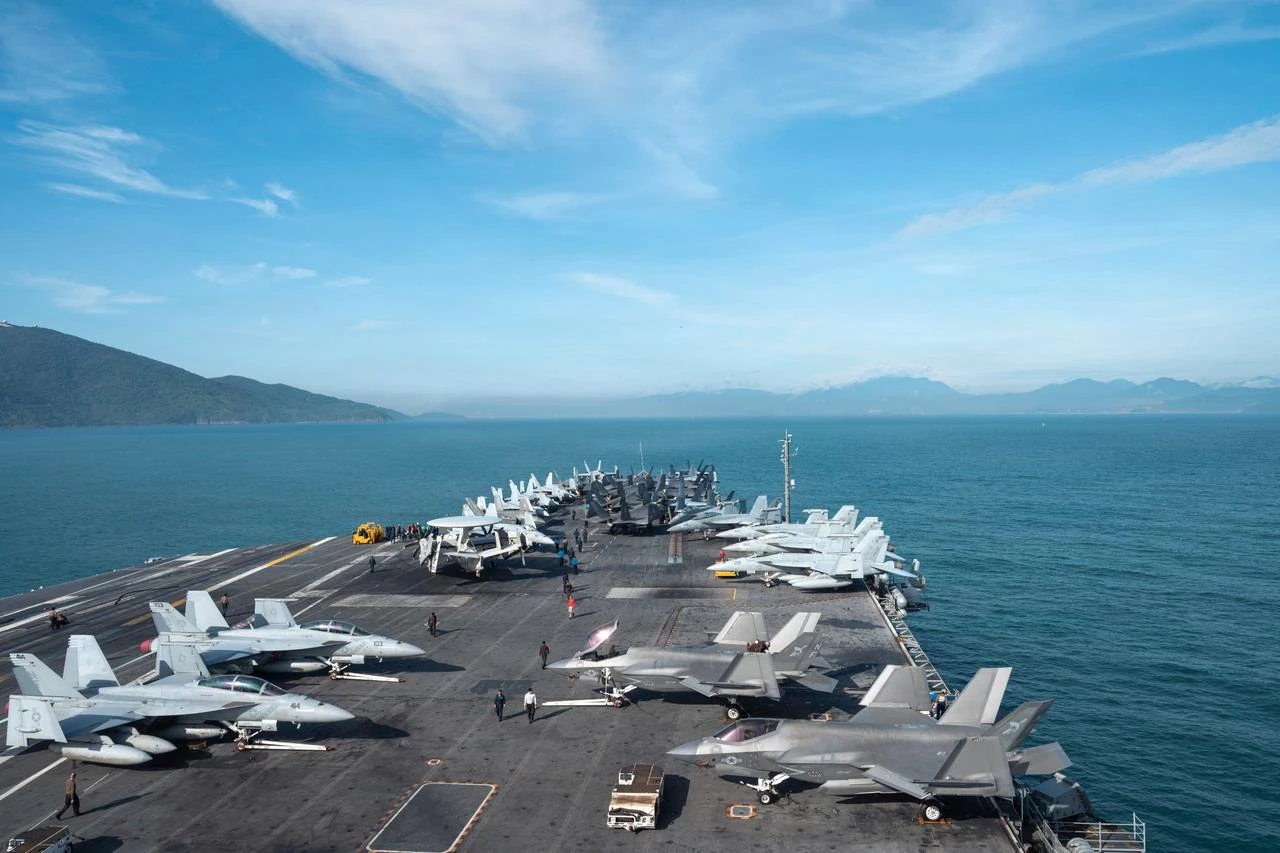


U.S. Defense Secretary Pete Hegseth said Thursday that the Navy can maintain its blockade of Iranian ports "indefinitely," as Washington reportedly prepares to rotate another aircraft carrier into the Middle East.
"We can hold (the blockade) as long as we need to. Indefinitely, the United States Navy can maintain a blockade like that because we'll rotate ships in and out as we have and will continue to," Hegseth told reporters in Panama, where he attended the closing ceremony of a multinational drill.
Hegseth added that Iran knows there is no timeline for the blockade to end, saying the U.S. has the naval capacity to keep ships operating in the region.
The remarks come after U.S. President Donald Trump said earlier this week that the U.S. has "total control" over the Strait of Hormuz and would maintain the naval blockade.
Iran's central military command rejected the claim, describing U.S. statements about normal vessel traffic through the waterway as "baseless lies and fabrications."
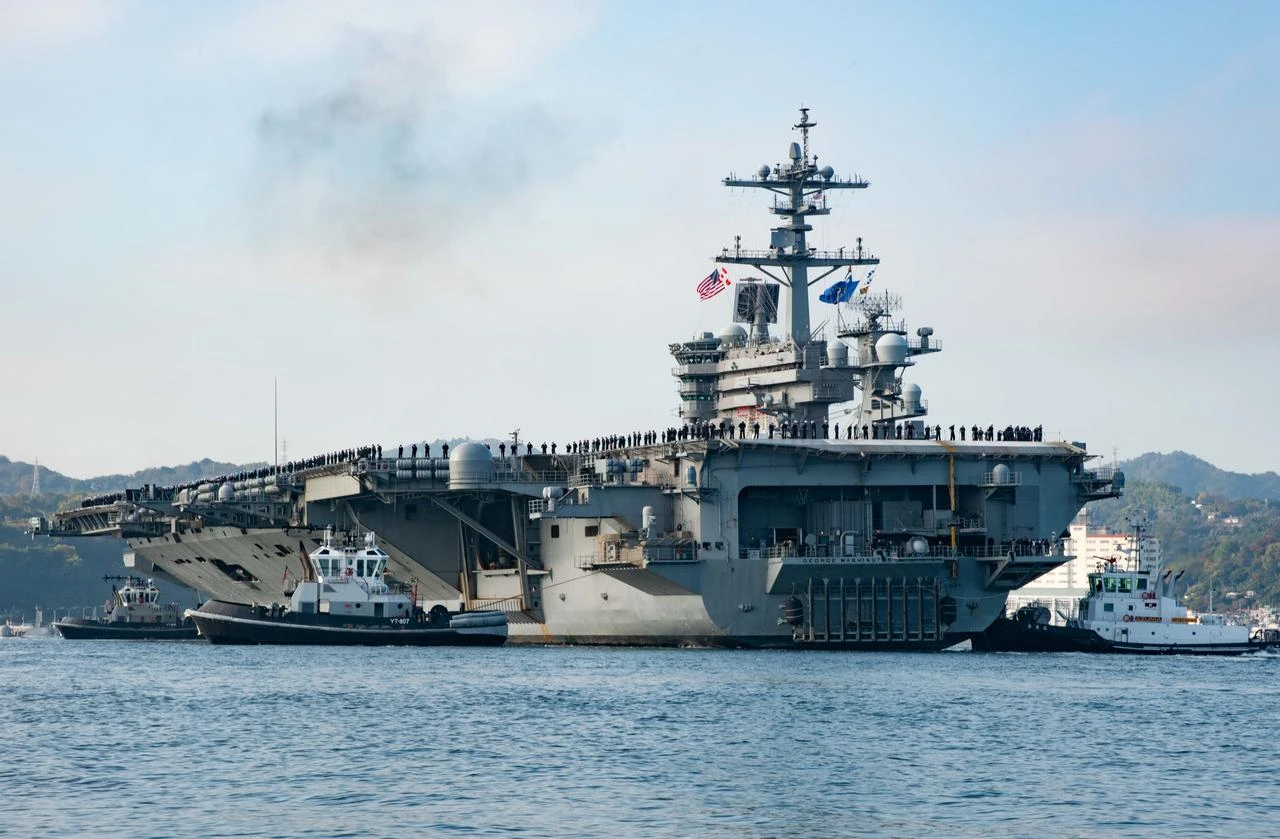
The U.S. military is reportedly preparing to send the USS George Washington to the Middle East to replace the USS Abraham Lincoln as part of a previously scheduled rotation.
The George Washington, described by the Navy as its "premier forward-deployed aircraft carrier" in the Pacific, was spotted Thursday transiting the Strait of Malacca after passing through the Singapore Strait, the Wall Street Journal reported. A Navy official confirmed to USNI News that the carrier was moving westward.
The Lincoln has been deployed for more than 250 days, including 200 days without a port call, according to lawmakers. Its deployment began in November before it was redirected to the Middle East in January ahead of the war with Iran.
The extended mission has drawn scrutiny on Capitol Hill over conditions aboard the carrier. Sen. Richard Blumenthal cited reports of shortages of basic supplies, water contamination, plumbing problems, deck safety concerns, deteriorating mental health and disruptions to the mail system, including care packages reportedly lost in transit for months.
Blumenthal also said the Lincoln's 200-day stretch without a port call had set a record for consecutive days at sea. Other reports cited food shortages and sailors running out of toothpaste and soap, while lawmakers have sought more information from the Pentagon about exhaustion and mental health concerns.

The carrier rotation was planned before concerns about the crew's living conditions emerged, a U.S. official told the Wall Street Journal.
Iranian media earlier reported that seven U.S. Navy personnel were killed and several others wounded in a violent brawl aboard the USS Abraham Lincoln, with one report claiming that knives and other bladed weapons were used in the confrontation.
U.S. Central Command (CENTCOM) rejected the reports, calling them false and saying no service members aboard the aircraft carrier had died. CENTCOM also denied claims of a spike in suicidal ideations among the crew.
The command said the one sailor who fell overboard Aug. 3 was "quickly and safely recovered." It also pointed to an 84.4% crew reenlistment rate and more than 260 days at sea, 10,000 aircraft flights and 1.5 million pounds of ordnance expended as indicators of the carrier strike group's performance.
The death claims come alongside separate reports of deteriorating conditions aboard the Lincoln, including supply shortages, water and plumbing problems, and concerns over crew morale and mental health.
CENTCOM described the broader reports as "rampant misreporting" and said they were a disservice to service members and their families.
The U.S. and Iran agreed to a Pakistan-brokered ceasefire in April and signed a deal June 17 to launch negotiations toward a final agreement. The talks later stalled over disagreements on security guarantees and freedom of navigation through the Strait of Hormuz.


 Set as preferred source
 Set as preferred source


 1 min read
 1 min read