Newsletters


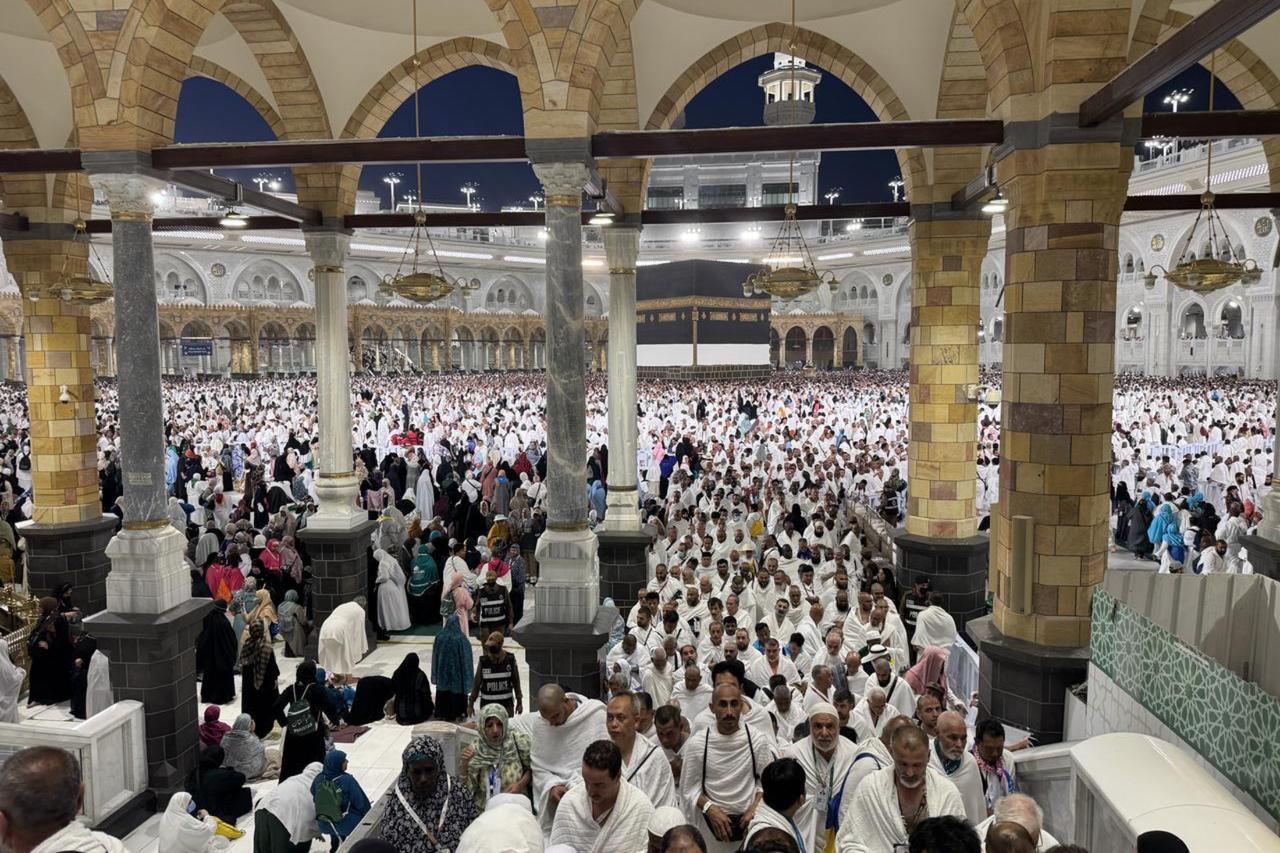


The United States government has urged American citizens to reconsider traveling to Saudi Arabia for the Hajj pilgrimage, citing Iranian missile and drone strikes that continue to threaten the region more than five weeks into a war that President Donald Trump once projected would be over by now.
The warning, posted by the U.S. Embassy in Riyadh, comes weeks ahead of the pilgrimage, expected to begin around May 25.
When the United States and Israel launched Operation Epic Fury against Iran on February 28, Trump said his military had originally projected four to five weeks to achieve its objectives, adding that it had "capability to go far longer than that."
Within days, he struck a more optimistic note, telling congressional Republicans the conflict would be over "pretty quickly" thanks to what he described as devastating early progress, including claims that roughly 80 percent of Iran's missile launchers had been destroyed.
By mid-March, he was telling Axios the war may end "soon" because there was "practically nothing left" to bomb, while also acknowledging the original campaign window had been framed as six weeks.
Then, in a prime-time address on April 1, now more than a month into the conflict, Trump said core strategic objectives were "nearing completion" and vowed to hit Iran "extremely hard over the next two to three weeks," drawing a new horizon line while insisting the war would end "shortly."
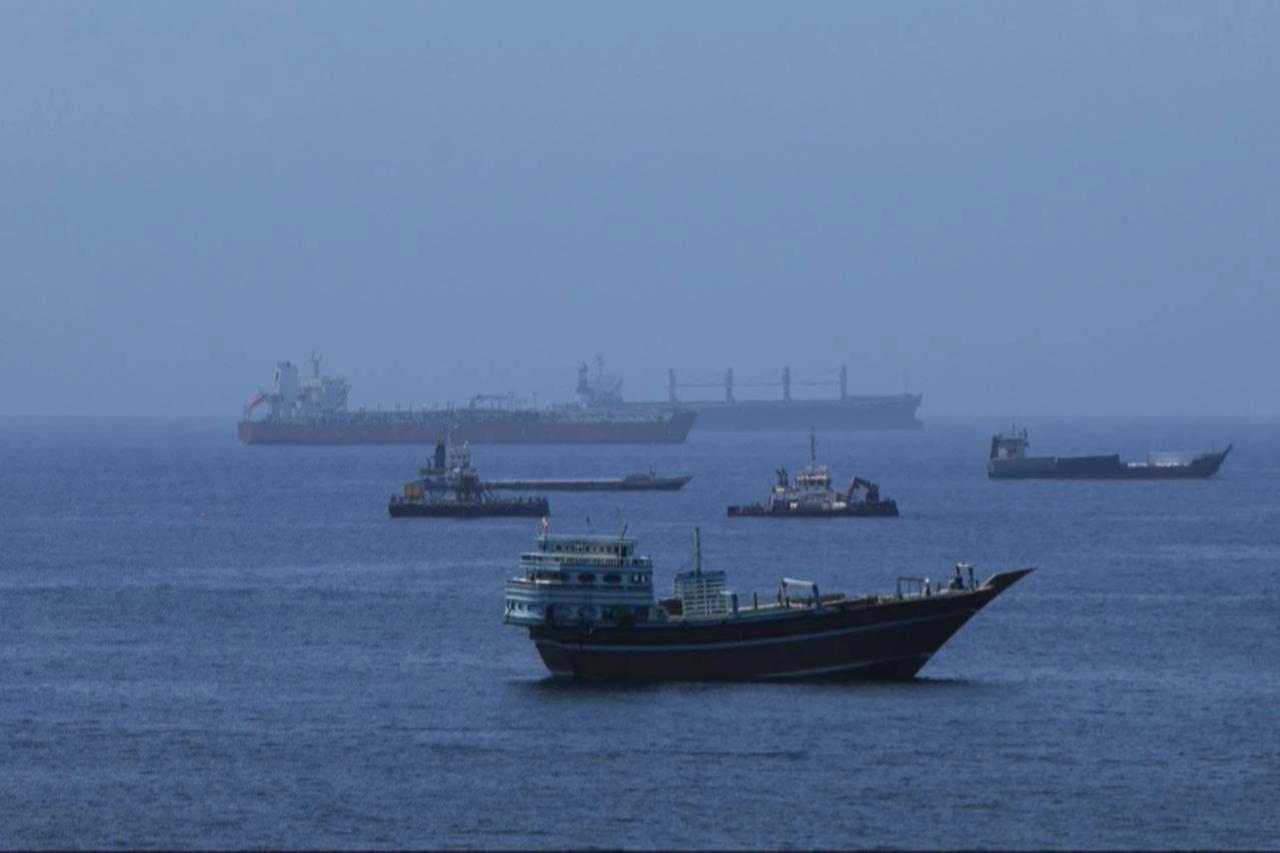
The shifting language has drawn scrutiny: a U.S. official told NPR that only around one-third of Iran's missile capabilities had been confirmed eliminated, even as the White House continued to project imminent success. Iran, meanwhile, has kept the Strait of Hormuz effectively closed, strangling roughly 20 percent of the world's oil supply and pushing U.S. gas prices past four dollars a gallon.
Against that backdrop, the U.S. Embassy in Riyadh drew directly on an existing travel advisory cautioning against visits to Saudi Arabia. Citing "the ongoing security situation and intermittent travel disruptions," the statement advised Americans to reconsider joining the pilgrimage this year.
The advisory noted that Iranian missile strikes had already hit a U.S. base in Saudi Arabia, injuring American troops, underscoring that the kingdom itself has not been insulated from the conflict's reach.
Hajj, one of the five pillars of Islam and obligatory for every Muslim who is physically and financially able to perform it at least once in a lifetime, draws millions of worshippers annually to Mecca and surrounding holy sites in Saudi Arabia. This year's rites are expected to run from approximately May 25 to May 29 or 30, with the Day of Arafah, the spiritual centerpiece of the pilgrimage, anticipated around May 26, all dates subject to official moon sighting.


 Set as preferred source
 Set as preferred source


 2 min read