Newsletters


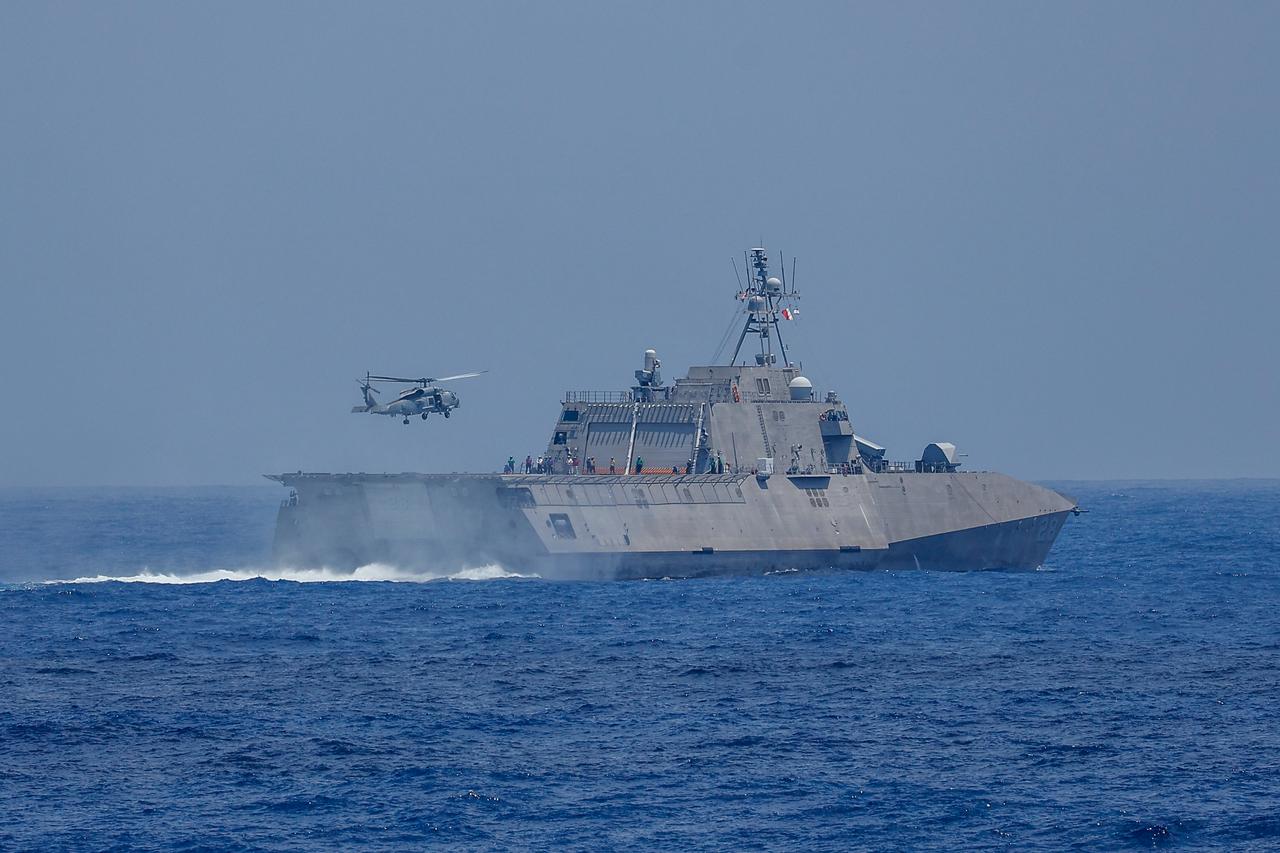


A U.S. Navy warship believed to be carrying thousands of Marines and sailors is nearing the Strait of Malacca en route to the Middle East, maritime tracking data showed Tuesday. This comes amid the ongoing U.S.-Israeli war on Iran and Tehran’s retaliatory attacks.
U.S. officials told CNN that the warship is being deployed to the region but did not specify its exact destination or mission.
The development comes as U.S. President Donald Trump said Monday that “numerous countries” are preparing to help reopen the Strait of Hormuz, though he declined to identify them.
“Numerous countries have told me they’re on the way. Some are very enthusiastic about it, and some are countries that we’ve helped for many, many years,” Trump said at a White House event.
“We strongly encourage other nations to get involved with us and get involved quickly and with great enthusiasm,” he added, saying commitments had been received from “a number of them.”
“I would like to say their names, but frankly, I don’t know if they would want me to or not because they don't want to be targeted,” he said.
Pressed on which countries were joining the effort, Trump said he preferred not to disclose names yet.

“I’d rather not say yet, but we’ll be announcing it. Marco Rubio and the various people that are doing that will be announcing,” he said.
Trump said deployments take time due to long travel distances but noted that “some that are fairly local” are already participating.
He added that he had spoken with French President Emmanuel Macron, describing his support as “eight” out of 10, and said he expected the United Kingdom to take part.
“I was very surprised with the United Kingdom ... I said, 'Why don't you send some ships over?' And he really didn't want to do it,” he added.
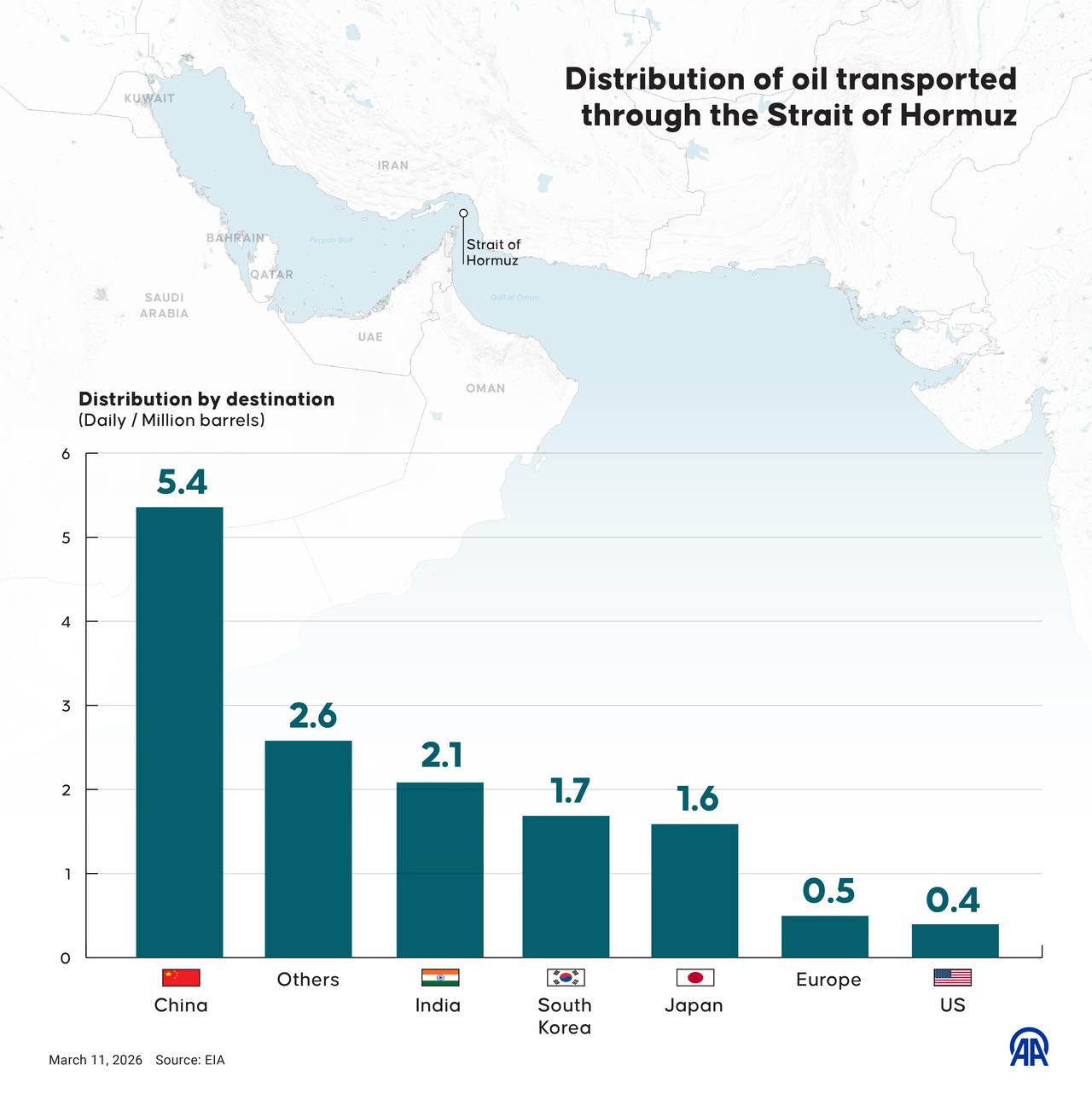
Trump noted that the United States imports less than 1% of its oil through the strait, while countries such as China, Japan, South Korea and European nations rely far more heavily on the route.
On Sunday, Trump called on China, France, Japan, South Korea and the United Kingdom to send warships to help secure the waterway, though no country has publicly committed.
U.K. Prime Minister Keir Starmer said Monday that Britain “will not be drawn into a wider war,” stressing that any troop deployment must have a legal mandate.
Germany’s defense minister Boris Pistorius also ruled out sending naval forces, warning such a move could risk dragging Berlin into direct conflict with Iran.
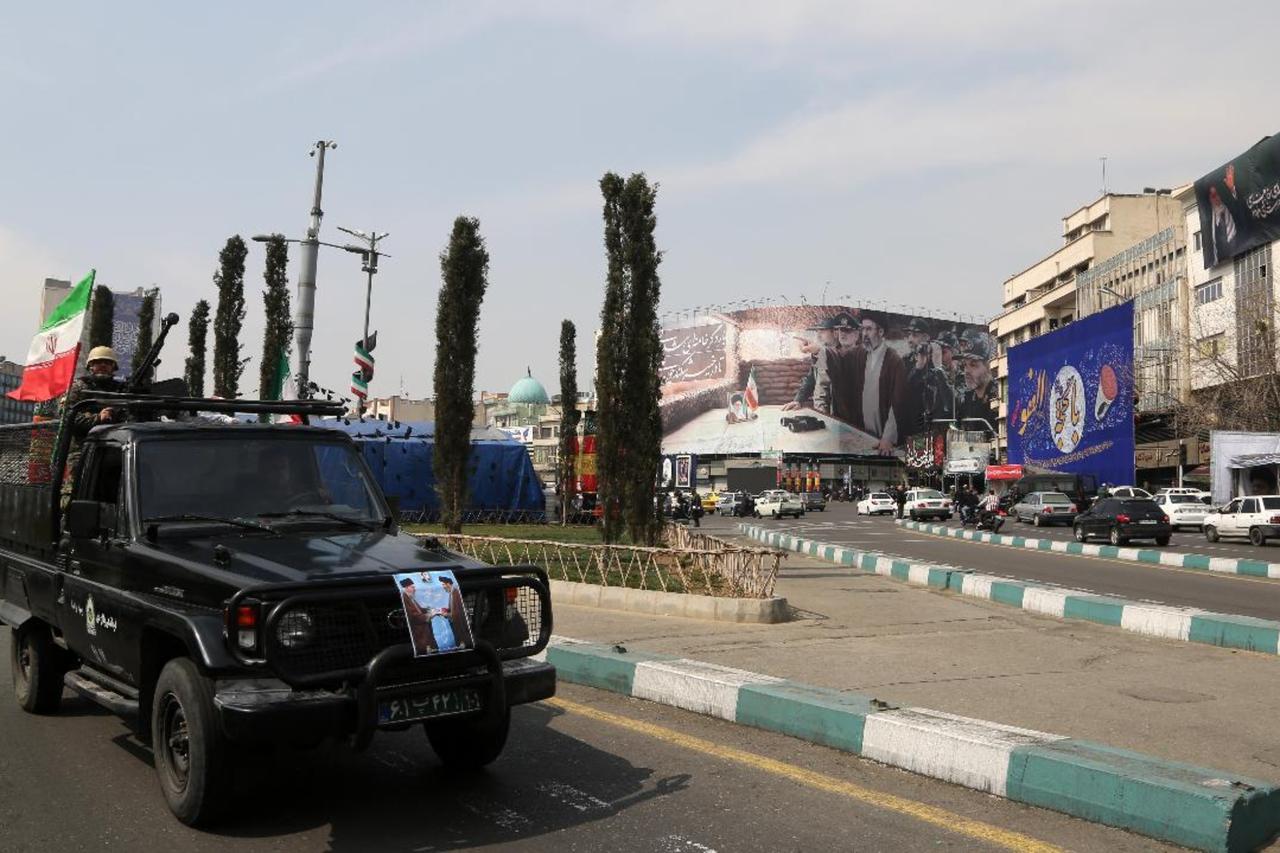
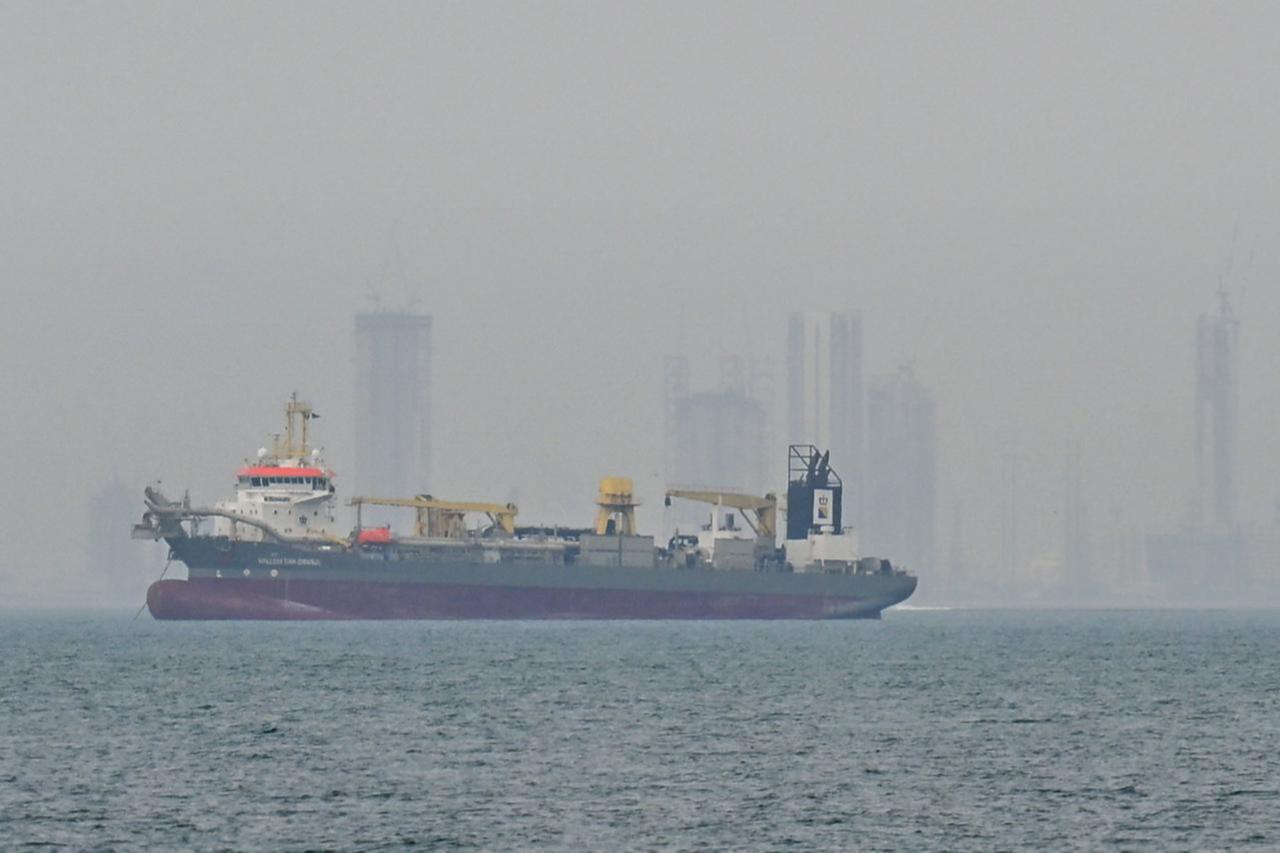
The Strait of Hormuz has been at the center of global energy concerns since Iran’s Islamic Revolutionary Guard Corps announced its closure to most vessels following U.S.-Israeli attacks that began on Feb. 28.
Before the war, about 20 million barrels of oil passed through the strait daily. Disruptions have driven global oil prices higher.
Hostilities have escalated since Israel and the United States launched joint attacks on Iran on Feb. 28.
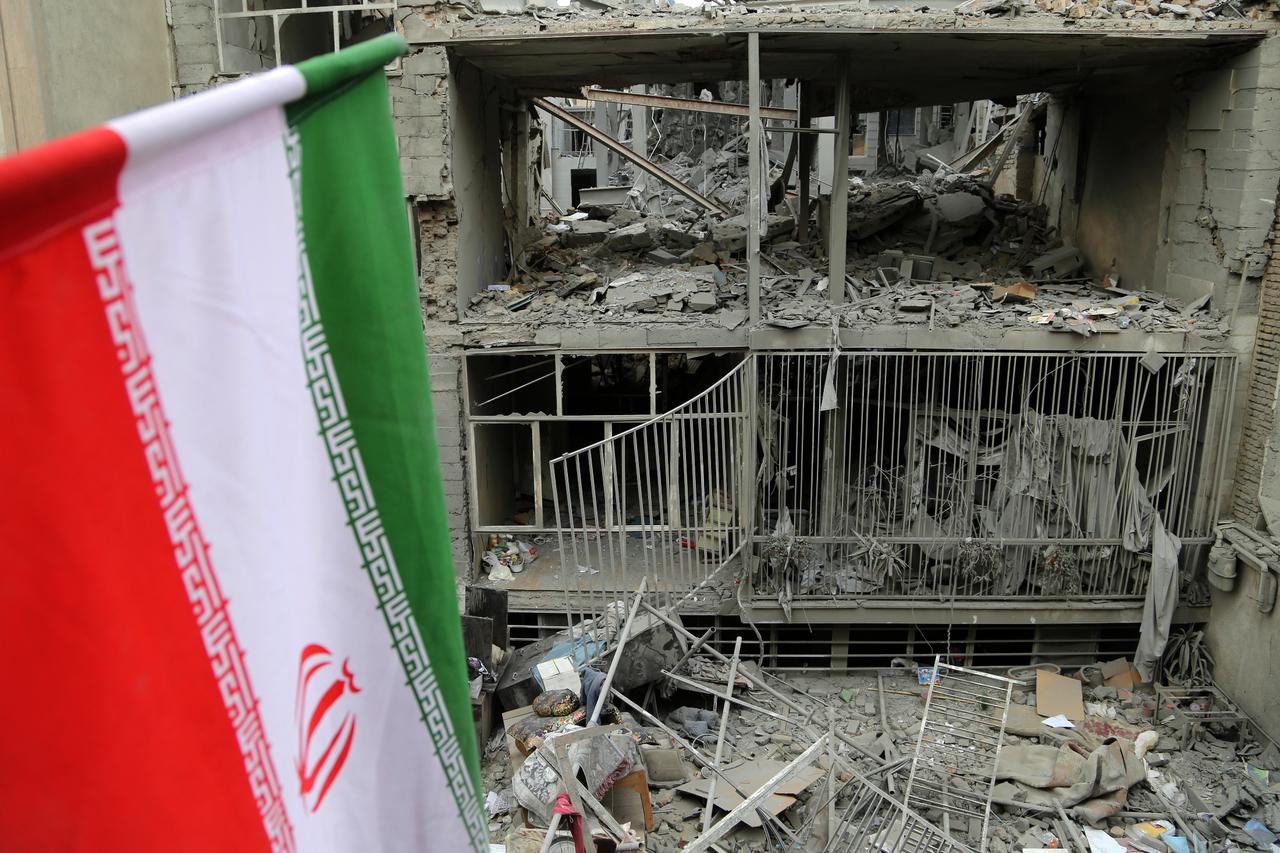
The strikes have killed around 1,300 people, including then-Supreme Leader Ali Khamenei, according to Iranian authorities.
Iran has retaliated with drone and missile strikes targeting Israel, Jordan, Iraq and Gulf countries hosting U.S. military assets, causing casualties and damage to infrastructure while disrupting global markets and aviation.


 Set as preferred source
 Set as preferred source


 1 min read
 1 min read