

 Newsletters


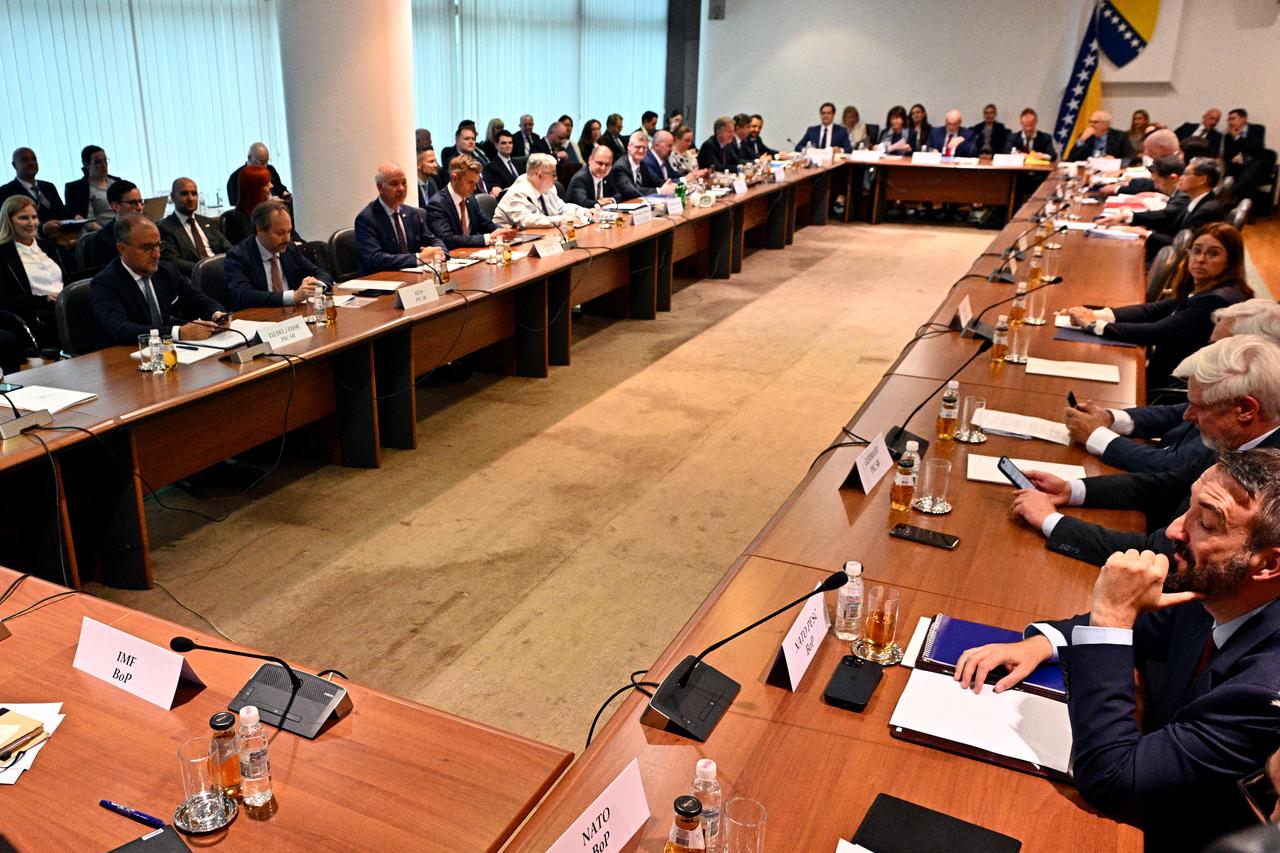


The United States warned on Thursday that it may reconsider its role in Bosnia and Herzegovina's international peace architecture after Western partners failed to agree on a successor to outgoing High Representative Christian Schmidt.
The warning came after the Peace Implementation Council (PIC), the international body overseeing implementation of the 1995 Dayton Peace Agreement, concluded two days of meetings without selecting a new high representative.
In a statement posted on social media, the U.S. Embassy in Sarajevo criticized European partners for failing to rally behind Washington's preferred candidate, Italian diplomat Antonio Zanardi Landi.
"The U.S. takes note of the European failure to reach consensus around a European candidate and is disappointed these divisions prevented the Peace Implementation Council (PIC) from fulfilling its task to elect a new high representative," the statement said.
"European indecisiveness, and the PIC's abdication of its own duty toward BiH, is forcing the United States to reconsider our role in the current international presence in Bosnia and Herzegovina."
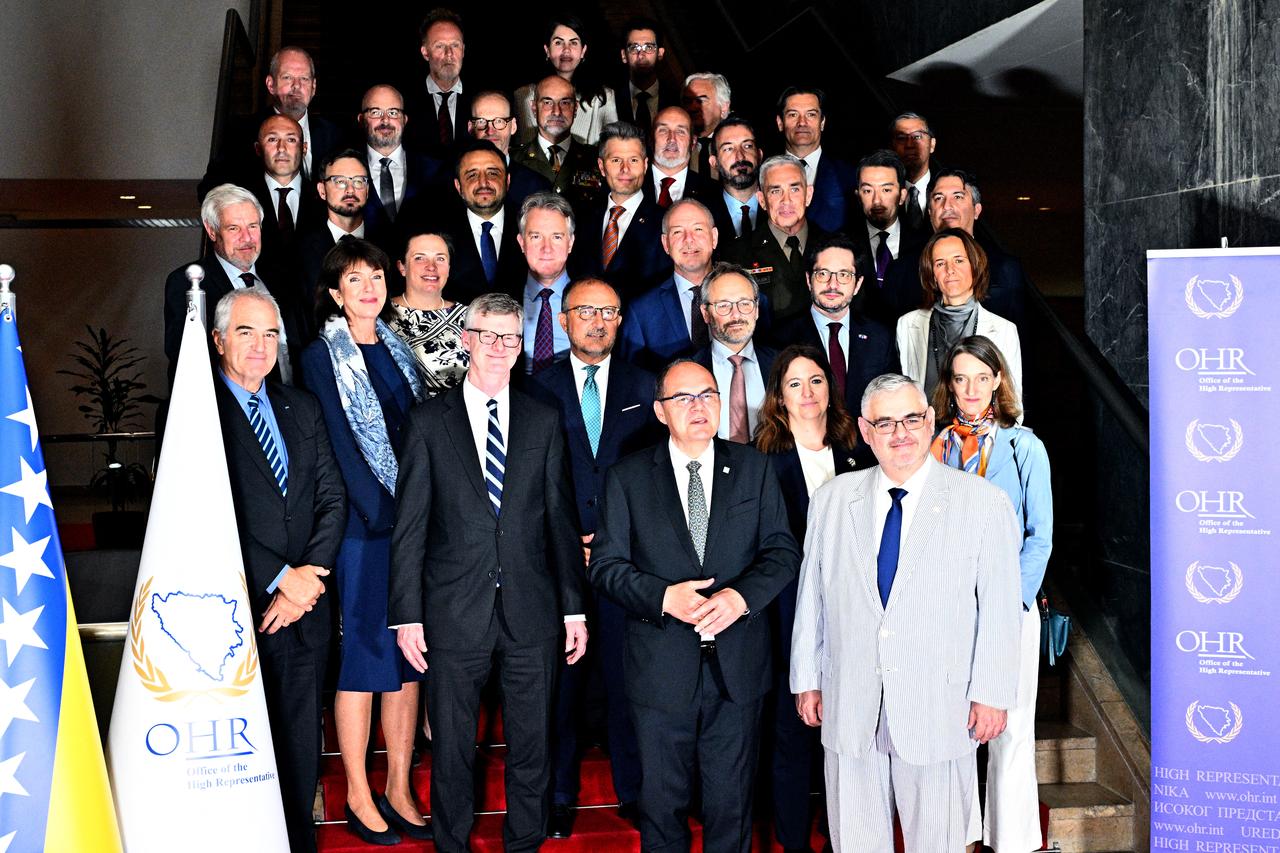

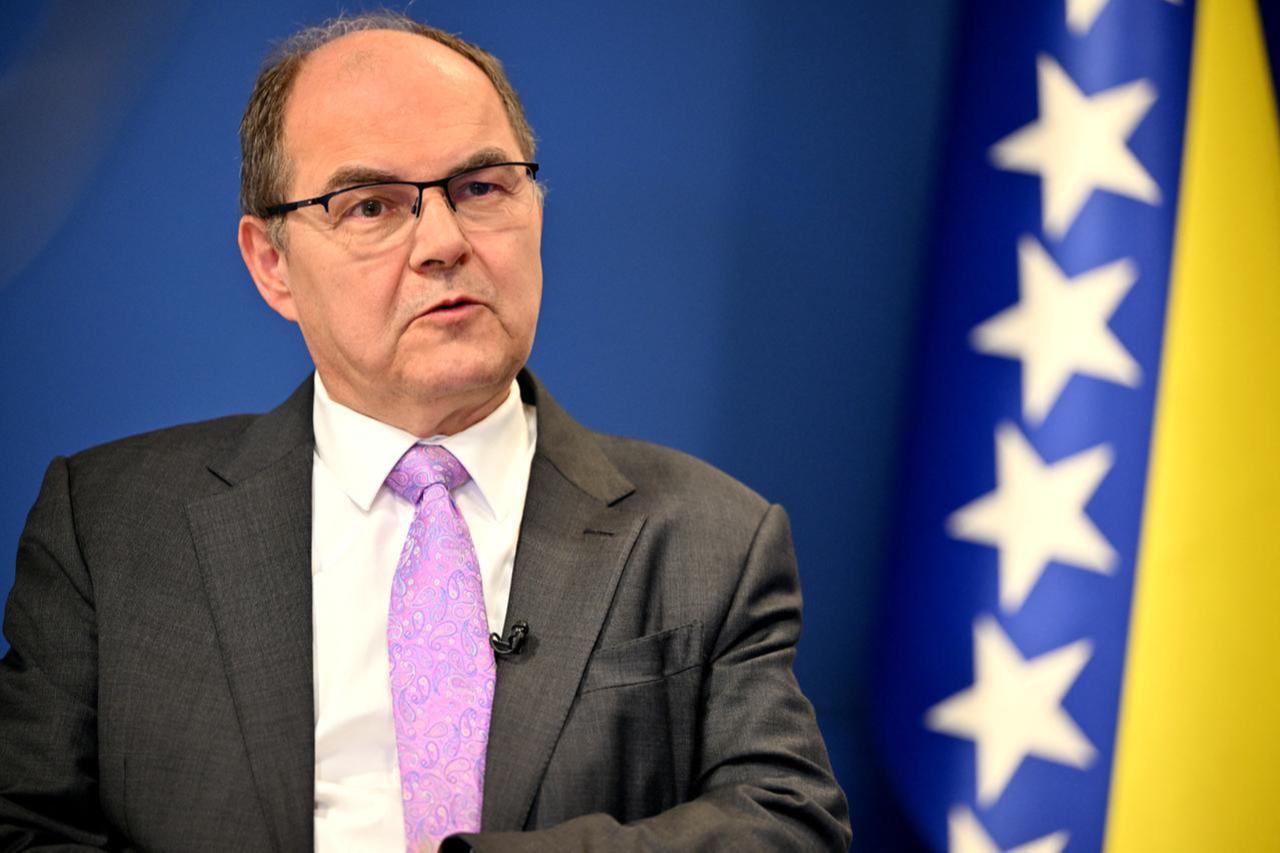
Outgoing High Representative Christian Schmidt confirmed that no agreement had been reached following two days of consultations.
"The consultations will continue," Schmidt said, expressing hope that a consensus candidate could be selected in the coming days.
Established under the Dayton Peace Agreement that ended Bosnia's 1992-1995 war, the high representative oversees the civilian implementation of the peace accords and holds sweeping powers, including the authority to impose laws and dismiss elected officials.
The position has become increasingly controversial in recent years amid disagreements among Western countries, Russia and local political actors over the scope of its authority.
According to local media reports, European governments remained divided between the U.S.-backed candidacy of Landi, Italy's former ambassador to Moscow and Belgrade, and French diplomat Rene Troccaz.
Troccaz, France's special envoy to the Western Balkans, reportedly enjoys the backing of Germany, the United Kingdom and several other European countries.
The reports said European governments were eager to preserve their influence in Bosnia amid renewed concerns about stability in the Western Balkans.
Schmidt, a German politician and diplomat, announced his resignation in May, citing personal reasons. Regional media have linked his departure to mounting disagreements with Washington and broader disputes over the future of international presence in Bosnia.
Since the end of the war, Bosnia and Herzegovina has remained divided between the Federation of Bosnia and Herzegovina and Republika Srpska, connected through relatively weak central institutions.
During his tenure, Schmidt's use of so-called Bonn Powers repeatedly brought him into conflict with Milorad Dodik, the leader of Bosnia's Serb entity and a close ally of Moscow.
The United States supports retaining the high representative position but favors a gradual transfer of authority to Bosnian institutions.
Russia, meanwhile, called for the immediate closure of the office of the high representative in May during a United Nations Security Council debate on Bosnia.
Within Bosnia, Serb and Croat political leaders have long advocated abolishing the post or reducing its powers, while Bosniak officials argue that the office remains essential for safeguarding the country's constitutional order.
Speaking during a visit to Sarajevo earlier this week, European Council President Antonio Costa said the next high representative should reflect "Bosnia and Herzegovina's choice to pursue European Union accession."
The failure to agree on Schmidt's successor comes as Bosnia seeks to advance its European Union membership bid amid growing geopolitical competition in the Western Balkans.


 Set as preferred source
 Set as preferred source


 1 min read
 1 min read



